- Category
- Herbs and spices
- State
- Powdered
- Usual unit
- teaspoon
What it is
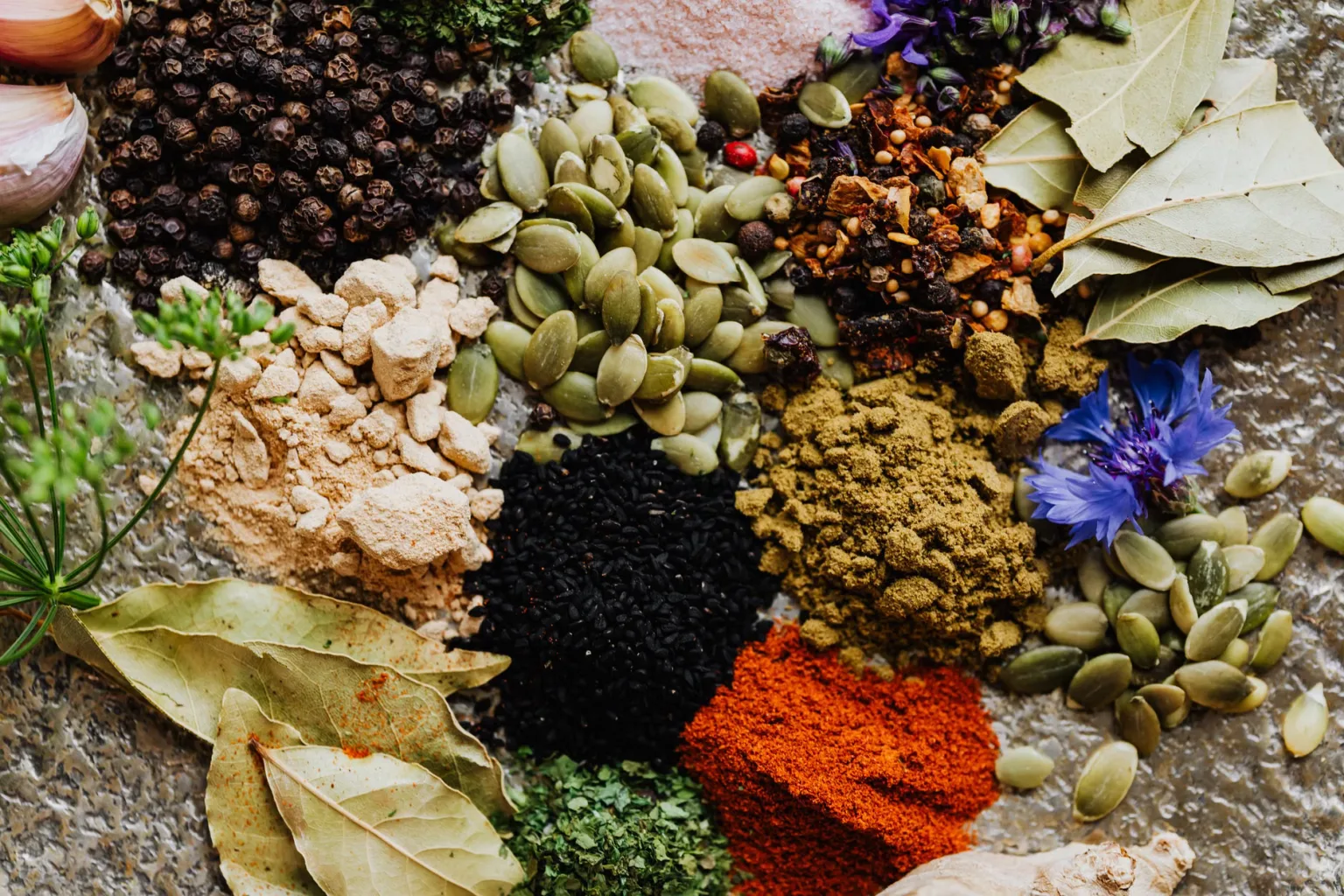
Baharat is the name for a spice blend, not a single standardized recipe. Its ingredients and proportions vary by region and by maker. Different versions may include black pepper, cumin, coriander, cardamom, cinnamon, cloves, nutmeg, and paprika; some also contain mint, ginger, or other ingredients. As a result, the aroma, color, and heat can differ from one product to another. Check the ingredient list instead of assuming every blend tastes the same or contains the same spices.
When to use it
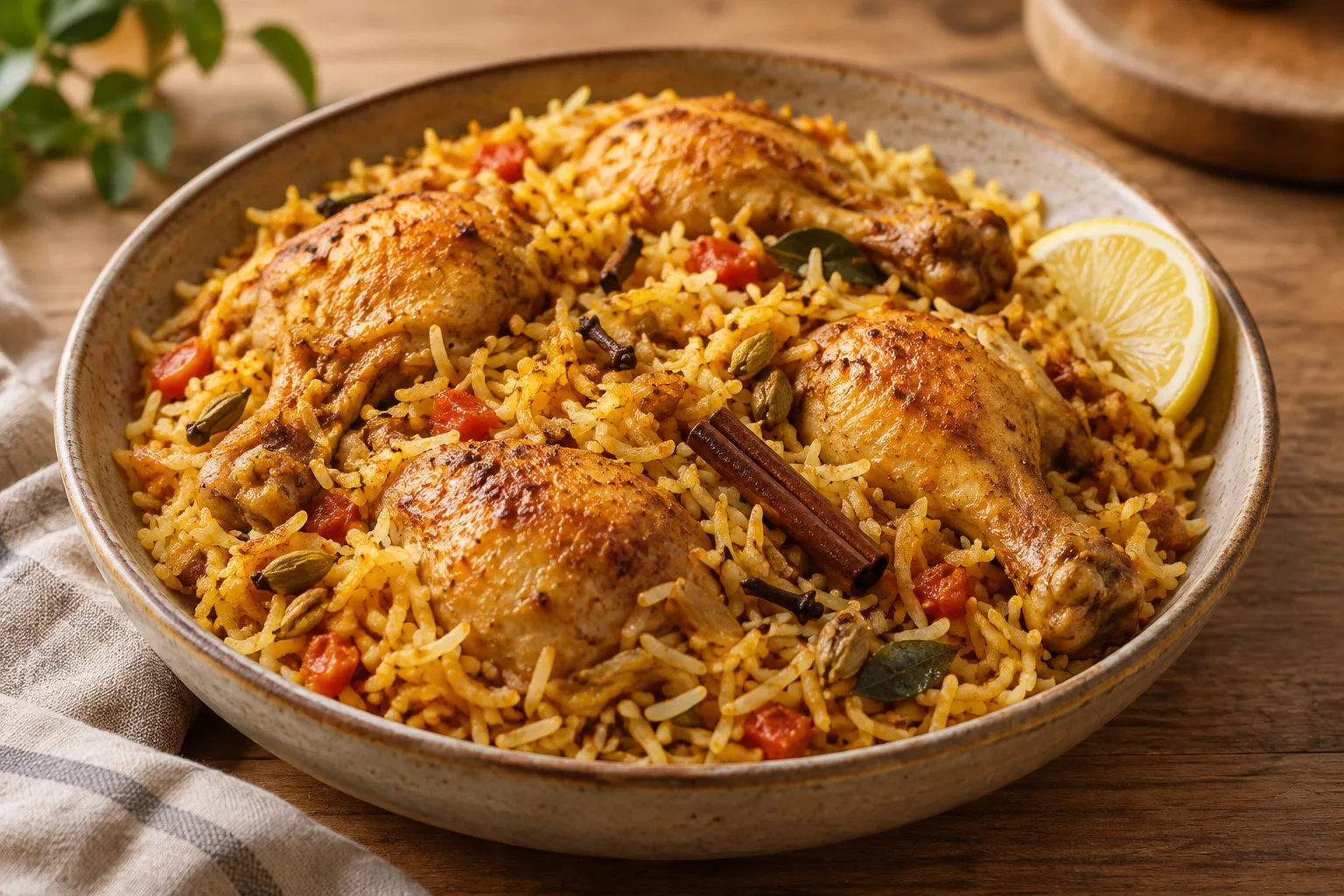
Use baharat when you want a combined warm, aromatic seasoning without measuring several spices individually. It works in meat and poultry preparations, including marinades, and can also season fish, rice, legumes, vegetables, soups, and sauces. Because the blend and its intensity vary, start with a small amount and taste before adding more. Add it during cooking for a more integrated flavor, or use a little near the end when you want its aroma to stand out.
How to use it
Read the label first so you know which spices are in the blend and whether it contains chili or herbs. For a marinade, stir a small amount of baharat into oil and coat meat or poultry before cooking; it can also be combined with other marinade ingredients. For rice, legumes, vegetables, soups, or sauces, add a pinch during cooking, taste, and adjust gradually. Use it sparingly with fish so the seasoning does not overwhelm the main ingredient. You can also sprinkle a little over a finished dish. There is no universal ratio: adjust to the particular blend and your preference.
Flavour and texture
Baharat is generally warm and aromatic, with possible earthy, sweet, citrusy, or hot notes depending on its ingredients. Not every version is hot or contains the same spices. It is commonly sold ground, so it blends into food as a fine powder; its color also depends on the recipe.
How to choose it
Choose a well-sealed package and check its ingredient list: baharat does not have one fixed recipe. Compare the spices and look for chili, mint, or other ingredients that may shape the flavor you want for a dish. If buying in bulk, choose a product protected from moisture and outside odors.
Storage
Keep baharat in a clean, dry, tightly closed container away from moisture and strong odors. Avoid leaving it near heat or opening the package unnecessarily. Since the blend and storage conditions differ, check its aroma before use and follow any storage directions on the package.
Substitutions
There is no exact substitute because baharat recipes vary. Another regional baharat blend can work, but it will change the balance of spices. As a simple approximation, equal parts ground cinnamon, paprika, and cumin can provide some warm notes, though they will not reproduce the full complexity of baharat.
Common mistakes
Assuming every baharat blend is identical can change the flavor of a dish. Avoid adding a large amount before tasting, since intensity varies. It is also easy to use so much that the seasoning masks the main flavors, particularly in fish or delicate vegetables.
Safety and allergens
Check the ingredient list and package directions, especially if you have a food allergy or sensitivity. Keep the blend dry and do not use it if the package is damaged or the product shows unusual signs.
Culinary uses
- Condimento para carnes, aves y pescado
- Aromatizante para arroz, legumbres, verduras, sopas y salsas
Recommended techniques
- Mezclar con aceite para preparar un adobo
- Añadir a guisos, sopas o arroces durante la cocción
- Espolvorear con moderación al final de la preparación
Pairs well with
- Cordero y otras carnes
- Pollo y otras aves
- Arroz y legumbres
- Verduras y pescado
Frequently asked questions
Does baharat always contain seven spices?
No. The name is used for blends whose ingredients and proportions vary by region and maker. Check the label of the specific product.
Is baharat spicy-hot?
Not necessarily. Some blends are warm and aromatic without much heat; others may include chili or other more intense ingredients.
What foods can I season with baharat?
It can season meat, poultry, fish, rice, legumes, vegetables, soups, and sauces. Start with a small amount and adjust to taste.
Estimated nutrition
- Fat
- 0 g
- Saturates
- 0 g
- Carbohydrate
- 100 g
- Sugars
- 0 g
- Fibre
- 0 g
- Protein
- 0 g
- Salt
- 0 g
Sources and review
Automatically researched, cross-checked and validated content. Sources consulted:
- Client Challenge doi.org
- Food and Cuisine - Palestine - LibGuides at Skyline College guides.skylinecollege.edu
- Father's Day Food Gifts | Institute of Culinary Education ice.edu
- FOOD BANKING DURING COVID-19 etd.ohiolink.edu
- Current courses list | Princeton Studies Food princetonstudiesfood.princeton.edu
- GSG | Welcome Page mrsp.students.mtu.edu
- las 7 especias o Baharat cannelle.es
- Baharat | www.cocinista.es cocinista.es
- ¿Qué es el Baharat? – Gastronoming gastronoming.com
- - YouTube youtube.com
- Baharat - Especias árabes lacajitadenievesyelena.com
- Mezcla de especias: Baharat, el sabor del Mediterráneo oriental cocinayaficiones.com