- Category
- Drinks
- State
- Liquid
- Usual unit
- ml
What it is
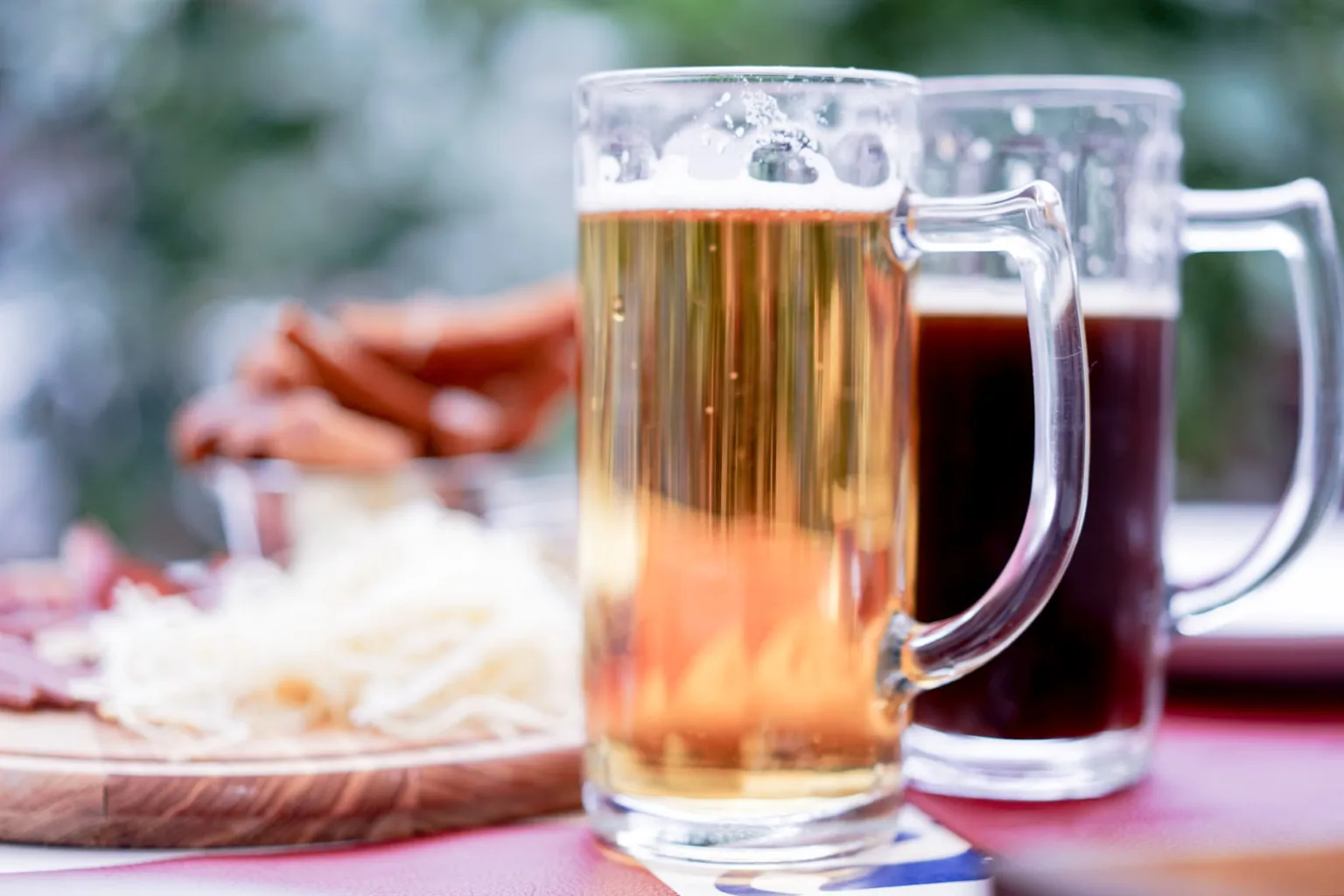
Belgian dark beer is a descriptive name for beers made in Belgium that have a dark color; it does not by itself identify one recipe or a uniform flavor profile. Belgian beer includes diverse styles, and dark beers can vary in sweetness, intensity, and perceived notes. Beer is made from ingredients including water, malt, and hops, and fermentation produces alcohol. Read the label to learn about the specific drink, its alcohol content, and its declared ingredients. In cooking, it can be used as a flavored liquid in cooked dishes; it can also be served as a drink with boldly flavored foods. The word “dark” mainly describes appearance and is not enough to predict the taste precisely.
When to use it
Use it when you want to add the flavor of a dark beer you already know to a recipe, such as a stew or cooked sauce. Belgian beers span diverse styles, so do not assume they will all contribute the same sweetness, bitterness, or intensity. Choose one that suits the other ingredients and consider tasting it before cooking. It can also be served with aged cheeses or other boldly flavored foods. If the recipe calls for a very neutral flavor, the beer may change the result; adjust the amount to suit the dish and taste before adding more.
How to use it
Read the label and taste the beer before adding it: the name does not indicate a uniform profile. For a sauce or stew, add it gradually as part of the cooking liquid and stir to distribute it. Keep the dish at a gentle simmer and taste as it cooks; balance it with the recipe’s other ingredients rather than assuming all dark beers behave alike. If serving it as a drink, pair it with boldly flavored food such as aged cheese. Remember that beer is alcoholic: cooking it should not be taken as a guarantee that all the alcohol disappears. If you need to avoid alcohol, choose another suitable option and check its label.
Flavour and texture
Dark color alone does not define the flavor. Depending on the style and specific beer, the profile may be more or less sweet, bitter, or intense; the drink may also have carbonation and foam. Taste it before cooking to anticipate how it may fit into a dish. The label and specific style are better guides than the word “dark” on its own.
How to choose it
Choose a beer whose description and flavor suit your recipe or the table. Check the label for the beer type, its ingredients, and alcohol content; Belgian beer includes diverse profiles, and color does not reveal all of them. If a recipe calls for a particular beer, look for the named style rather than relying only on the term “dark.”
Storage
Follow the storage directions on the package and keep the bottle sealed as directed. After opening, reseal it if the package allows and follow the manufacturer’s instructions; carbonation and other characteristics can change after opening. There is no single storage time that applies to every Belgian dark beer because the product and packaging can differ.
Substitutions
To keep a beer-based flavor, try another Belgian dark beer whose profile you have checked, or a dark beer from elsewhere if you accept a different result. These are not exact swaps: sweetness, bitterness, and intensity depend on the specific beer. If the recipe needs to avoid alcohol, do not substitute another alcoholic beer; check the alternative’s label.
Common mistakes
Do not treat “Belgian dark beer” as one single style: the name does not guarantee a particular flavor. Avoid adding a large amount without tasting the beer and the dish first. Do not assume cooking removes all the alcohol or that one dark beer can replace another without changing the result.
Safety and allergens
This is an alcoholic drink. Check the label and do not serve it to anyone who needs to avoid alcohol; cooking does not guarantee that all alcohol disappears. Also check the package ingredient information if you need to avoid a particular ingredient.
Culinary uses
- Aportar líquido y carácter a guisos y salsas de cocción
- Servir como bebida junto a platos de sabor intenso
Recommended techniques
- Añadir gradualmente a una preparación caliente y mezclar
- Cocer a fuego suave dentro de un guiso o una salsa, ajustando el sabor al final
Pairs well with
- Quesos curados
- Platos de sabor intenso
Frequently asked questions
Do all Belgian dark beers taste the same?
No. The category includes diverse beers and styles; color alone cannot predict sweetness, bitterness, or intensity precisely.
How can I use it in a recipe?
Add it gradually as part of the liquid in a stew or cooked sauce, taste the result, and adjust it to the specific beer.
Does cooking remove the alcohol?
Do not assume that it removes all of it. If you need to avoid alcohol, choose a suitable alternative and check its label.
Sources and review
Automatically researched, cross-checked and validated content. Sources consulted:
- The Essential Glossary of Cooking Terms for the Culinary Arts - Escoffier escoffier.edu
- Until The Meat Falls Off The Bone stars.library.ucf.edu
- 100 FAMILIES THAT CHANGED THE WORLD iese.edu
- ¿Qué es la personalidad oscura? doi.org
- Development of the Spanish Healthy Food Reference Budget for ... dau.url.edu
- BAC Estimator :: Center on Alcohol, Substance use, And Addictions (CASAA) | The University of New Mexico casaa.unm.edu
- FRESHNESS SEMINAR PRESENTATION Peter Howgate ... seafood.oregonstate.edu
- quaff archives.csusm.edu
- A New Mediterranean Lifestyle Pyramid for Children and Youth diposit.ub.edu
- Zicklin Bright Index - Impact, Value, and Sustainable Business Initiative impact.wharton.upenn.edu
- Cerveza belga: guía de estilos, historia y las 10 que tienes que probar — Rock N Hopz Blog rocknhopz.com
- ¿Cómo se Elabora la Cerveza Belga? Una Guía Sencilla roydespagne.be
- Cerveza Belga, mucho más que una cerveza - Viajes Ikea viajesikea.com
- Cervezas belgas: características y tipos – Estudia Hostelería estudiahosteleria.com
- Cerveza belga - Wikipedia, la enciclopedia libre es.wikipedia.org
