- Category
- Vegetables
- State
- Fresh
- Usual unit
- unit
What it is
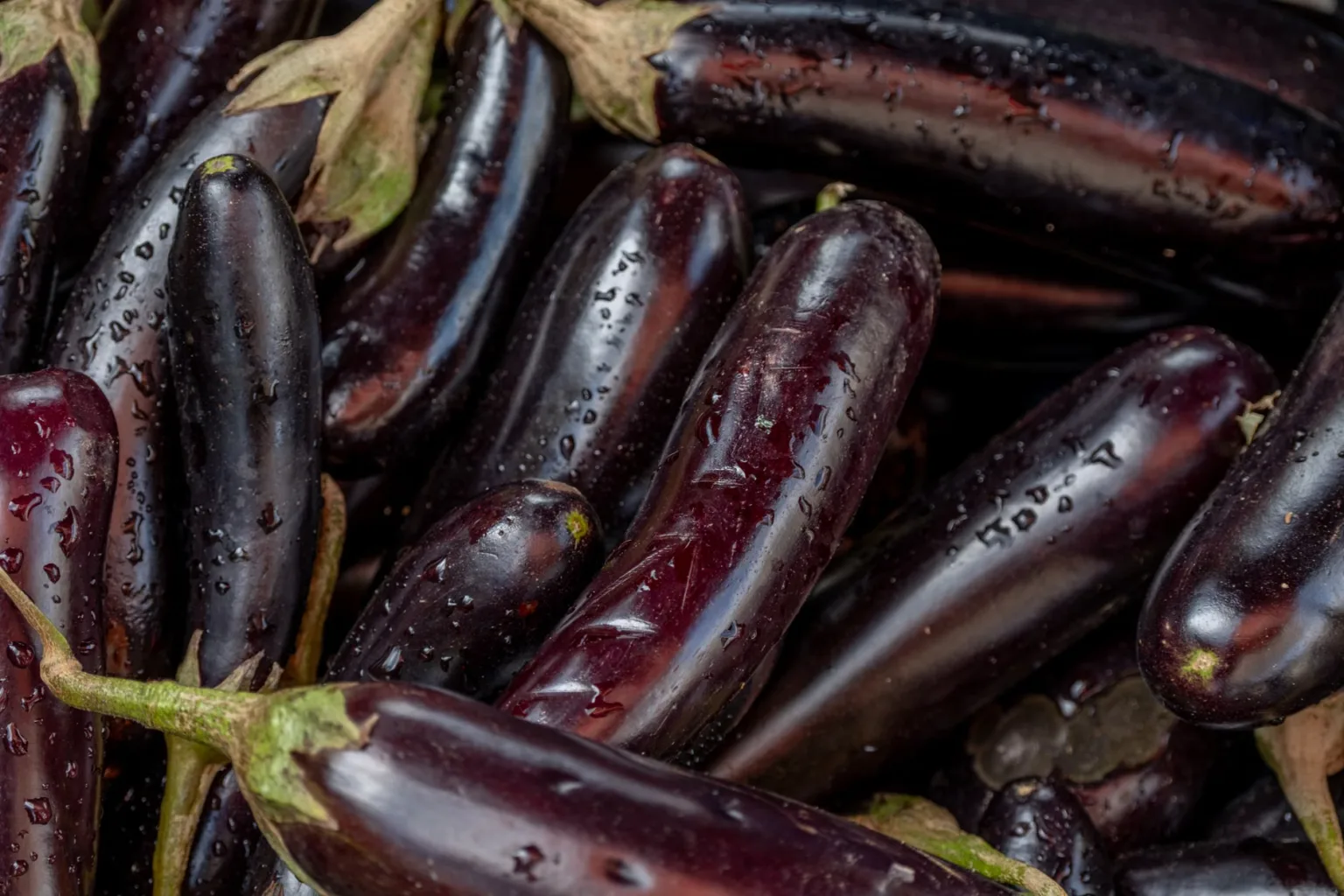
Eggplant is the edible fruit of a plant in the nightshade family, although it is generally treated as a vegetable in cooking. Common eggplant often has smooth, glossy skin and pale flesh that softens when cooked. Fruits vary in shape and color. The phrase “bitter eggplant” may describe a flavor or be a local name, but it is not enough to identify a specific variety or tell you how bitter an individual eggplant will be. This profile therefore covers common eggplant and offers general guidance, rather than claiming distinctive traits for an unidentified variety.
When to use it
Use eggplant when you want a substantial vegetable to accompany other produce or play a central role in a dish. It works grilled, baked, sautéed, fried, or stuffed, and its cooked texture can add substance to meat-free meals. The word “bitter” alone does not tell you how strong the flavor will be. Taste a small cooked portion before adjusting the seasoning or choosing pairings, particularly if bitterness is a concern.
How to use it
Rinse the eggplant under running water just before preparation, and use a clean cutting board and knife. Remove the stem and cut it into slices, cubes, or strips to suit the dish. Grill, bake, roast, sauté, or fry it; you can also stuff halves or slices and bake them. It pairs well with tomato, zucchini, garlic, herbs, cheese, and tomato sauce. In lasagna, slices can stand in for pasta sheets, though they will change the texture and cooking of the dish. If the flavor seems bitter, taste a cooked piece first and then decide whether to adjust the recipe; do not assume every eggplant needs the same treatment.
Flavour and texture
The flesh is pale and can become tender with a substantial, meaty texture when cooked. Flavor varies among fruits and varieties, and some eggplant may taste mildly bitter. The name “bitter eggplant” alone does not establish the intensity or precise flavor of the piece you have, so judge the taste after cooking.
How to choose it
Choose an eggplant with smooth, glossy skin and no obvious bruises or blemishes; it should feel heavy for its size. Look for a green stem without mold. Smaller eggplants tend to taste less bitter, but size does not identify the variety or guarantee that bitterness will disappear during cooking. These selection clues can help, but they cannot promise a particular flavor.
Storage
Store it whole and unwashed, and rinse it just before use. Eggplant is sensitive to cold temperatures, so try to use it promptly; if needed, refrigerate it for only a few days. Prolonged cold storage can pit the skin and darken the flesh. To freeze it, slice and briefly blanch it, cool it, drain it, and pack it in a freezer-safe container.
Substitutions
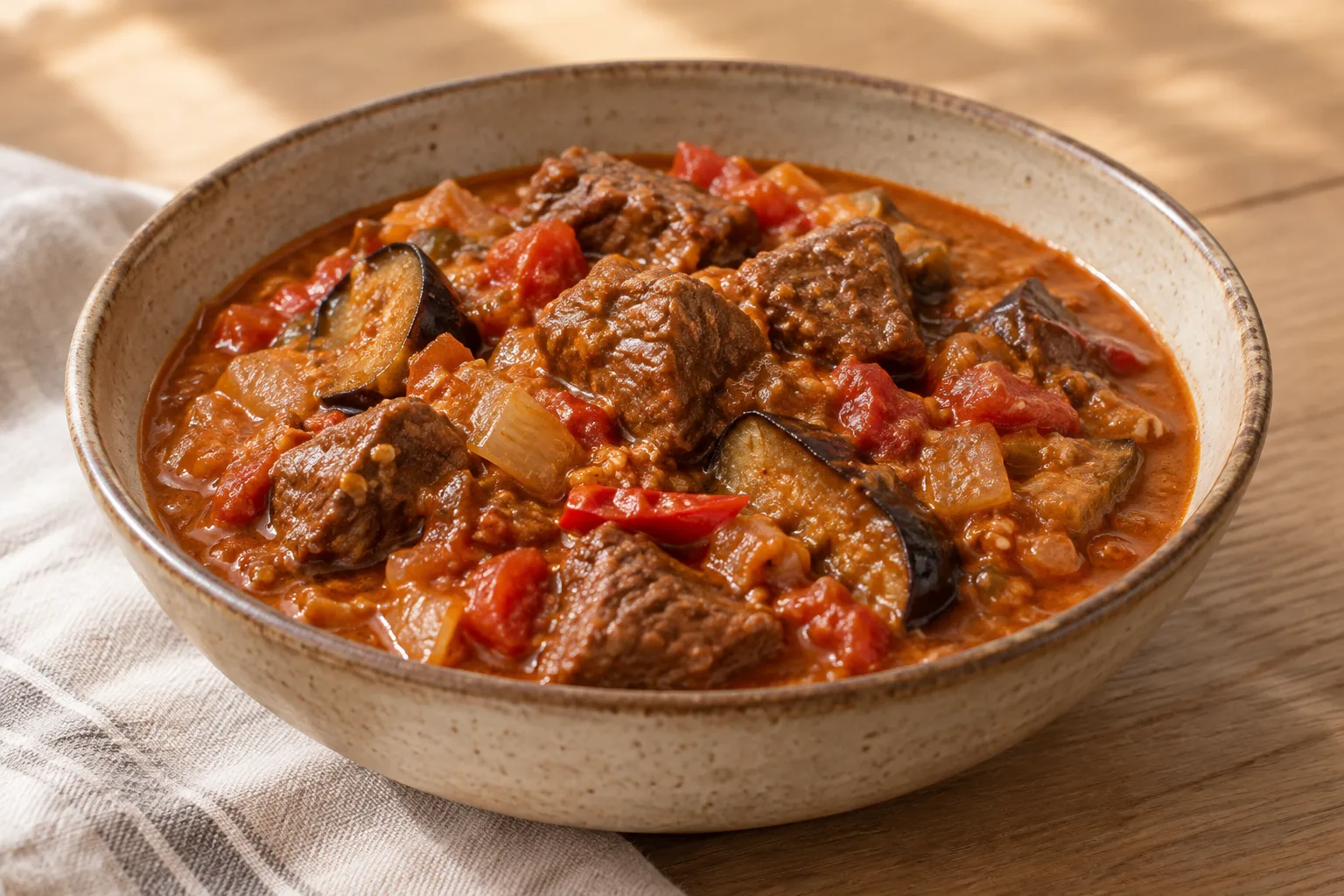
In some dishes, cooked eggplant can take the place of meat because of its texture, but it will not produce an identical result. Slices can also replace pasta sheets in lasagna. In either case, adjust the liquid, seasoning, and cooking to suit the recipe; do not assume that the substitution works in exactly the same proportions.
Common mistakes
Do not judge the variety by color alone: eggplant comes in different shapes and colors. Avoid leaving a cut piece for a long time before cooking, as the flesh can darken. Do not assume that the word “bitter” guarantees a uniform flavor or that every eggplant needs the same preparation. The name alone is not enough to identify a variety.
Safety and allergens
Confirm that the produce is an edible eggplant before preparing it; the name alone does not identify a variety. Rinse it under running water just before use, and work with clean knives and cutting boards. If you cannot confirm what the product is, do not eat it based only on an ambiguous name.
Culinary uses
- Ingrediente principal o guarnición vegetal
- Aporta textura consistente a platos sin carne
- Rodajas que pueden sustituir láminas de pasta en lasaña
Recommended techniques
- Asar a la parrilla
- Hornear o asar
- Saltear
- Freír
- Rellenar
Pairs well with
- Tomate y calabacín
- Ajo y hierbas frescas
- Queso y salsa de tomate
- Cebolla, pimientos y arroz
Frequently asked questions
Is bitter eggplant a specific variety?
The name does not reliably identify a particular variety. It may describe the flavor or be a local name; this profile covers common eggplant.
How can I cook eggplant?
Grill, bake, roast, sauté, fry, or stuff it. Slices can also replace pasta sheets in lasagna.
How should I store it?
Keep it whole and unwashed, and rinse it just before use. Try to use it promptly; prolonged refrigeration can affect the skin and darken the flesh.
Sources and review
Automatically researched, cross-checked and validated content. Sources consulted:
- Client Challenge doi.org
- Berengena: descubre sus orígenes y por qué es el comodín de la cocina mediterránea lavanguardia.com
- La Berenjena: Historia, Expansión, Usos Gastronómicos Y Beneficios Nutricionales - Restaurante Romero restaurante-romero.es
- Solanum melongena - Wikipedia, la enciclopedia libre es.wikipedia.org
- Sevin 16oz Concentrate Label v20 ucanr.edu
- La diabetes y la alimentación: Cómo planificar y cocinar comidas sabrosas y saludables | CAES Field Report fieldreport.caes.uga.edu
- Sevin RTU Gallon Label v14 picol.cahnrs.wsu.edu
- Como Utilizar Las Berenjenas | CSU Extension extension.colostate.edu
- Eggplant | UNL Food | Nebraska food.unl.edu
- GastroWiki - Blog sobre Gastronomía gastroalianza.es
- Origen histórico de la berenjena en la cocina. - De la Manuela delamanuela.com
- Tipos de berenjenas y sus características freshis.com