- Category
- Meat
- State
- Fresh
- Usual unit
- g
What it is
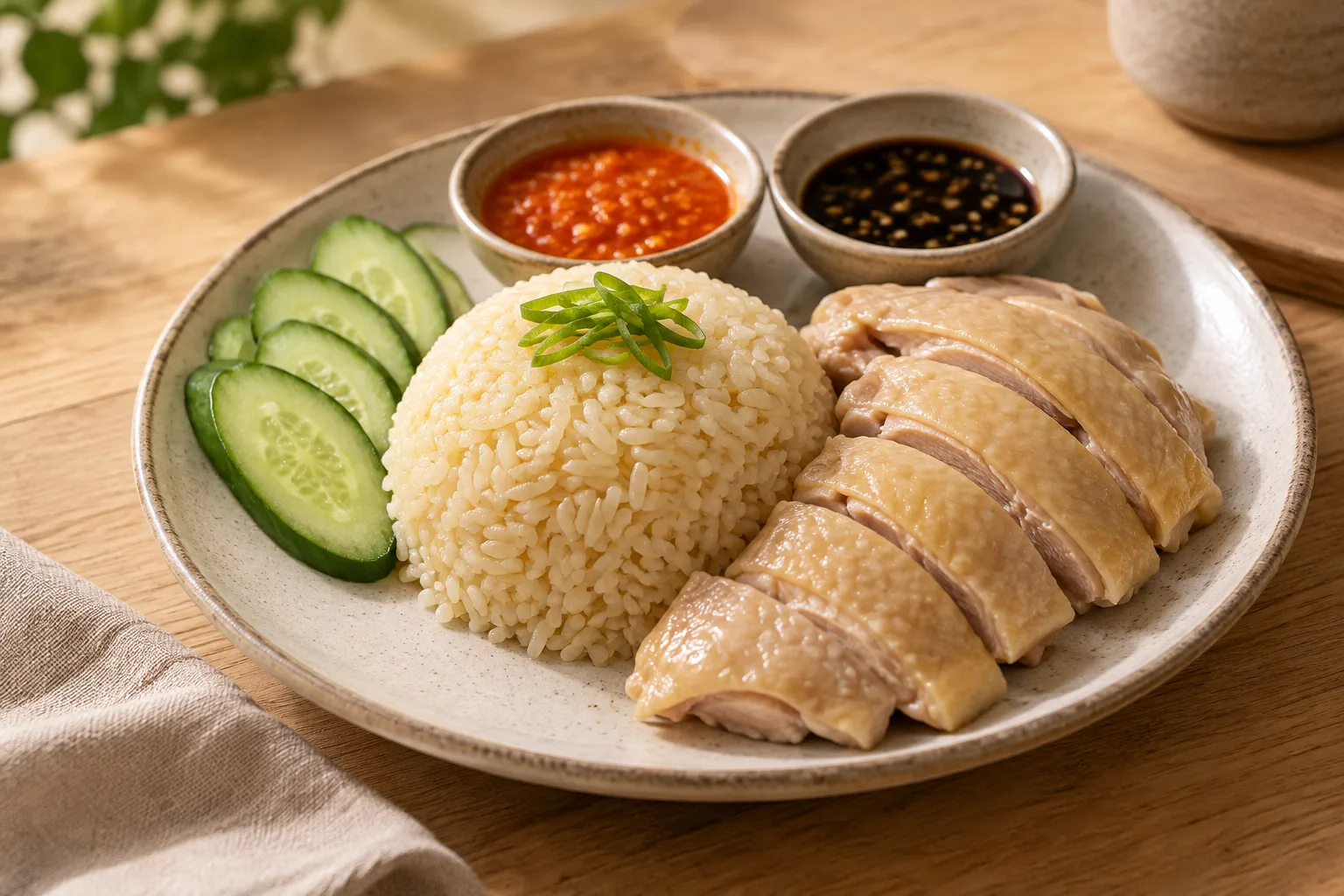
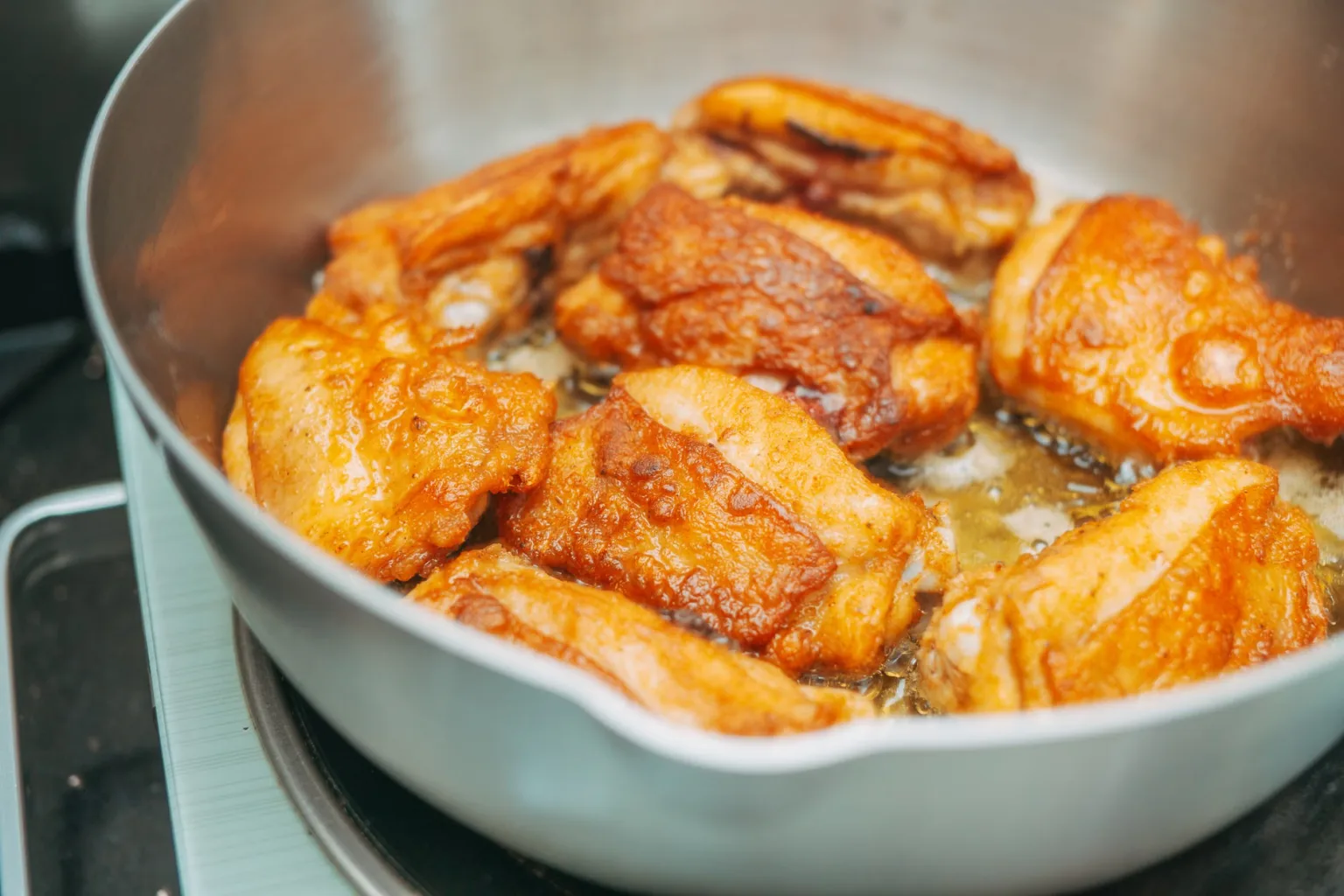
Bone-in, skin-on chicken thighs are poultry pieces sold with both the skin and bone attached. The name used on a package may refer to different leg cuts, such as the upper thigh, drumstick, or a portion that includes more than one section. As a result, the shape, size, and amount of bone can vary. This presentation suits recipes that specifically call for chicken with the bone and skin; check the label to identify the cut and do not assume it is equivalent to a boneless piece.
When to use it
Choose this cut for roasting, braising, or slow-cooked dishes when you want to serve a whole piece or cook the chicken in a sauce. It can also be used to make broth with water, vegetables, and seasonings. The skin and bone affect how the piece browns, portions, and serves, so check whether the recipe calls for this exact presentation. If a recipe needs boneless chicken, buy a suitable cut or adapt the recipe rather than assuming that its instructions and cooking time will transfer unchanged.
How to use it
Before cooking, check the label to see whether the product is an upper thigh, drumstick, or a larger leg portion, and confirm that it has both skin and bone. It can be roasted, braised, or fried; follow the recipe and adapt it to the size and precise cut you have. For broth, cook it with water, onion, celery, carrot, and herbs, then remove the meat from the bone and strain the liquid. If you want to serve shredded chicken, cook it in the chosen dish and carefully remove the bones before serving. Follow the product’s use instructions.
Flavour and texture
Chicken thighs generally have a pronounced chicken flavor and a juicy texture in roasted or braised dishes. The skin can brown during roasting, while in a braise the meat is served with the sauce and seasonings. The result depends on the cut, the size of the piece, and the cooking method; not every presentation has the same proportion of meat, skin, and bone. Adapt the recipe to the piece you have rather than expecting every cut to look or feel exactly alike.
How to choose it
Read the package description to distinguish an upper thigh, drumstick, and whole leg portion, as these can describe different cuts. Check that the product has skin and bone, as this guide covers, and choose a presentation that suits your recipe. Do not identify the cut by size or shape alone: also check the package’s storage and use instructions, and ask the retailer if the product name is unclear.
Storage
Store the chicken according to the instructions on its package, which can vary with the product and how it is sold. Follow any temperature directions and use-by date or time limit shown on the label. There is no universal storage period that applies to every fresh thigh, so avoid using a generic number of days. If the product is sold unpackaged, ask the retailer for available handling information and follow local food-safety guidance.
Substitutions
You can replace it with another chicken cut if the recipe allows adjustments for bone, skin, piece size, and cooking method. Drumsticks or other leg portions may suit some preparations; boneless thighs are another option when the recipe can accommodate chicken without the bone. Turkey thigh can also work in some dishes, but it is a different cut: adapt the preparation and follow its package instructions.
Common mistakes
A common mistake is assuming that “thigh” always identifies the same piece: it may mean an upper thigh, a drumstick, or a cut containing more than one section. Also avoid using instructions for boneless chicken unchanged when your piece still has its bone and skin. Check the cut and presentation, then adapt the recipe to what you actually bought.
Safety and allergens
Treat this product as raw poultry and follow the package’s use and cooking instructions. Chicken should not be eaten raw; cook the piece before eating and observe the directions that apply to the presentation you purchased.
Culinary uses
- Main protein for a meal
- Base for broth, soup, or braised dishes
Recommended techniques
- Roasting
- Braising or stewing
- Frying
Pairs well with
- Onion, carrot, and celery
- Garlic and herbs such as thyme, rosemary, or parsley
- Potatoes, rice, or pasta
Frequently asked questions
Are a chicken thigh and a drumstick the same cut?
Not necessarily. The names can refer to different parts of the leg. Check the package description or ask the retailer.
How can I cook bone-in, skin-on chicken thighs?
They can be roasted, braised, or fried. Choose a method that suits the exact cut and size and follow the recipe’s instructions.
Can I use them to make broth?
Yes. Cook them with water, vegetables, and seasonings to make broth, then remove the meat from the bone and strain the liquid.
Sources and review
Automatically researched, cross-checked and validated content. Sources consulted:
- The Essential Glossary of Cooking Terms for the Culinary Arts - Escoffier escoffier.edu
- Carne de pollo - Wikipedia, la enciclopedia libre es.wikipedia.org
- Vamos a Conservar Alimentos: Sopas extension.psu.edu
- Evaluación de la calidad y composición química de la carne ... scholar.uprm.edu
- Comité Científico aesan.gob.es
- Translating Eduardo del Campo's Capital Sur etd.ohiolink.edu
- Quédate en casa y cocina: Menú semanal (miércoles) cordonbleu.edu
- Receta de Muslos de Pollo | Kelvin's Kitchen kelvinskitchen.com
- Muslos de pollo: usos, técnicas y consejos prácticos — KitchenPause kitchenpause.com