- Category
- Dairy and eggs
- State
- Fresh
- Usual unit
- tablespoon
What it is
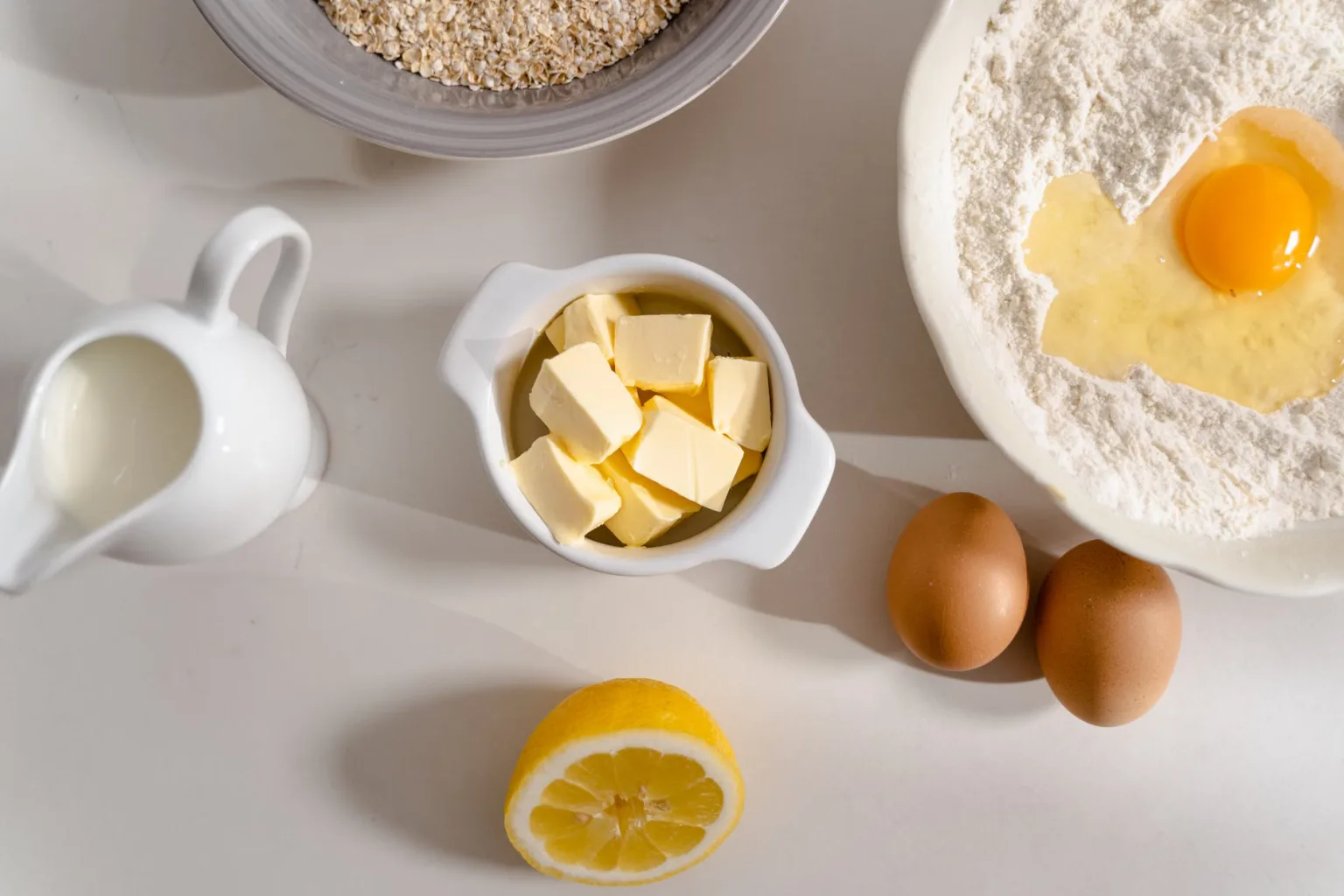
Butter is a dairy product made from milk fat and usually contains some water. In a recipe, “butter for syrup” describes its intended use rather than a special variety of butter. Butter may be salted or unsalted, and its consistency varies between products. It melts gradually when heated, so incorporate it carefully and check the result as you go. Because butter is a dairy product, it contains milk.
When to use it
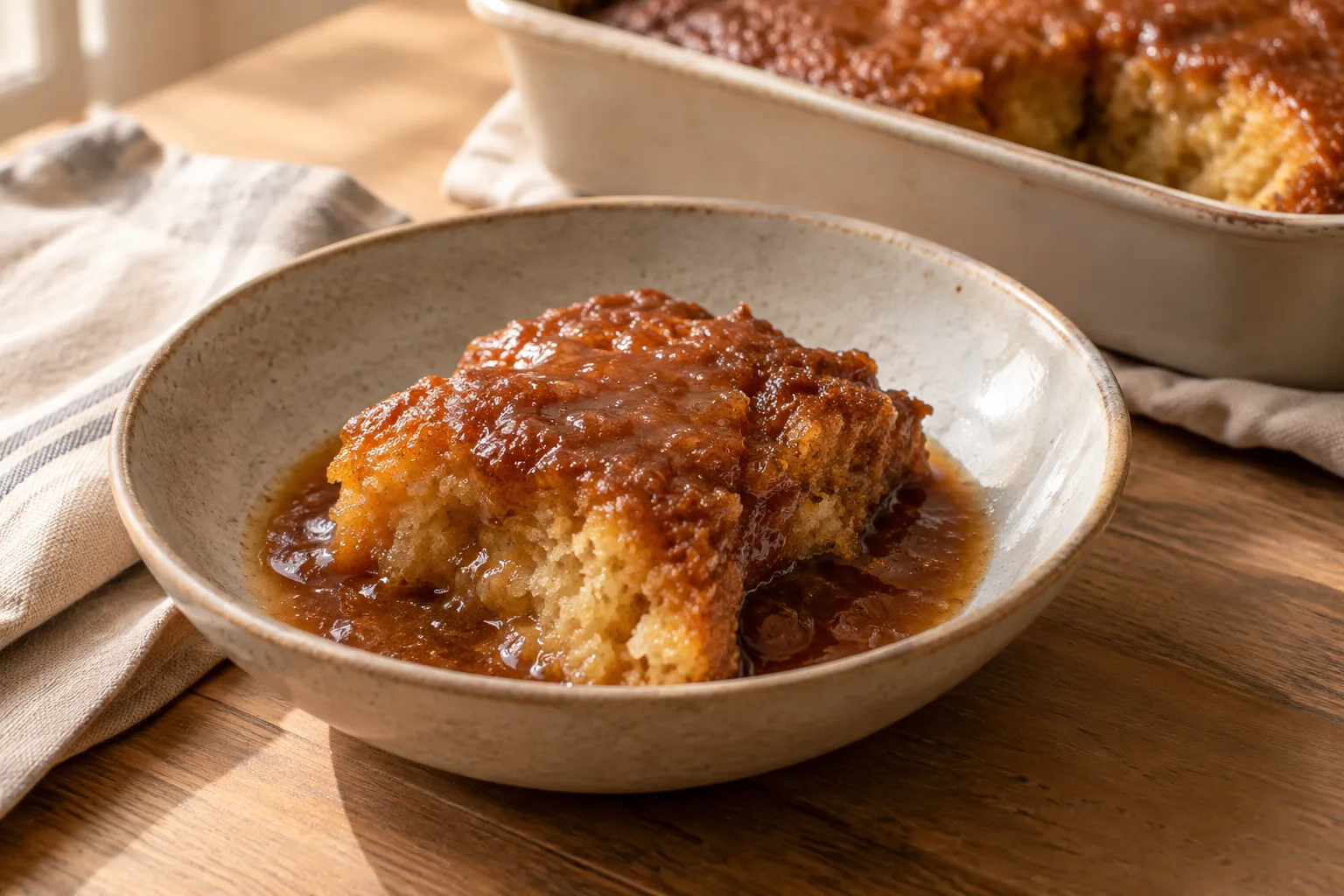
Use it when you want butter in a syrup or another sweet preparation. Add it when the recipe calls for butter and you prefer its dairy flavor to that of another fat. If the recipe does not specify salted or unsalted butter, remember that salt can affect the finished taste. Butter is also used in baking and cooked preparations, but there is no universal substitution ratio for every syrup.
How to use it
First check whether the recipe calls for salted or unsalted butter. Cut the measured amount into small pieces so it melts more evenly. Warm it gently, keeping an eye on it, until melted; then add it to the syrup gradually while stirring or whisking. Mix until the preparation looks as you want it to, and taste before adding more, especially if the butter is salted. Do not assume that every butter will produce the same consistency: products can vary. If the texture changes, stir again and follow the recipe’s directions.
Flavour and texture
Butter contributes a dairy flavor and a rich, smooth mouthfeel. It may be firmer or softer while solid, depending on the product, and melts gradually when heated. Salted and unsalted butter are not interchangeable without considering the final flavor.
How to choose it
Choose butter intended for cooking and check whether it is salted or unsalted before buying. A recipe may depend on that difference, especially if the syrup contains other salty ingredients. Butter consistency varies between products, so do not assume that every brand or variety will behave exactly alike.
Storage
Store the product according to the package directions and keep it well closed to help prevent it from absorbing odors from other foods. Check the label for specific storage and after-opening instructions; do not infer a storage duration from this profile.
Substitutions
Olive oil can replace butter in some culinary uses, but it will change the syrup’s flavor and texture. If you are only switching between salted and unsalted butter, adjust the recipe’s salt. There is no universal quantity-for-quantity conversion for every syrup.
Common mistakes
Adding salted butter without accounting for the recipe’s salt can change the flavor. Another mistake is heating it without watching: butter melts gradually, and different products can give different consistencies. Incorporate it gradually and check the result.
Safety and allergens
Butter is a dairy product and contains milk. Avoid it if you have a milk allergy, and check the labels of products you use. Follow the package storage instructions.
Culinary uses
- Adds dairy fat to syrups and sweet preparations
- Provides richness in cooking and baking
Recommended techniques
- Melt gently before incorporating into a warm preparation
- Stir or whisk into the syrup and adjust to taste
Pairs well with
- Sweet syrups and other sweet preparations
- Baked goods and foods cooked with butter
Frequently asked questions
Is butter for syrup a special variety?
Not necessarily. The name describes its intended use in a recipe; it may be ordinary salted or unsalted butter.
Should I melt the butter before adding it?
If the recipe adds butter to syrup, you can melt it gently and incorporate it gradually while stirring.
Can I substitute olive oil?
Olive oil is used in some culinary applications, but its flavor and texture differ. There is no universal ratio for every syrup.
Does butter contain milk?
Yes. Butter is a dairy product; avoid it if you have a milk allergy.
Sources and review
Automatically researched, cross-checked and validated content. Sources consulted:
- REGLAMENTO (UE) No 1169/2011 DEL PARLAMENTO ... eletiquetadocuentamucho.aesan.gob.es/media/reglamento-11692011.pdf eletiquetadocuentamucho.aesan.gob.es
- Client Challenge doi.org/10.2307/j.ctvndv9t9.22 doi.org
- Mantequilla - Wikipedia, la enciclopedia libre es.wikipedia.org/wiki/Mantequilla es.wikipedia.org
- Usos culinarios de la mantequilla – Mantequilla Lorenzana mantequillalorenzana.com/usos-culinarios-de-la-mantequilla/ mantequillalorenzana.com
- Comité Científico aesan.gob.es/dam/jcr:3c94ae83-1384-420c-96c1-0c2aa6f1544e/comite_cientifico_34.pdf aesan.gob.es
- Healthy Eating Plan for Weight Management med.uc.edu/docs/default-source/mobility-study/healthy-eating-and-physical-activity-plan-(spa… med.uc.edu
- GastroWiki - Blog sobre Gastronomía gastroalianza.es/gastrowiki/articulo/la-mantequilla-explorando-su-historia-mitos-y-propiedad… gastroalianza.es
- By RICHARD A. BROWN II WILLIAM W. DRESSLER ... - UA ir.ua.edu/bitstreams/01ed2284-c972-46dc-acc1-ea26f220c6a6/download ir.ua.edu