- Category
- Pulses
- State
- Canned
- Usual unit
- g
What it is
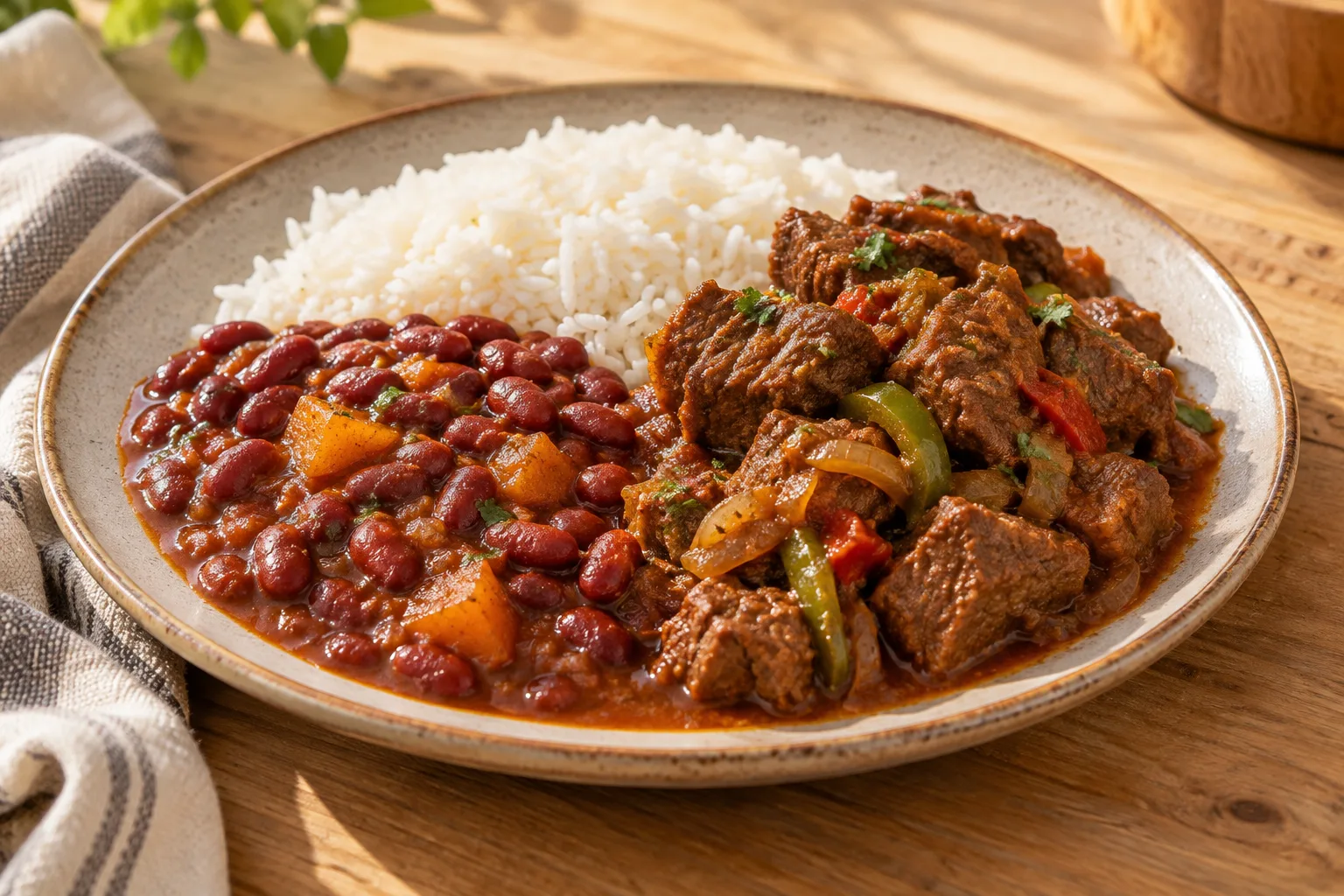
Canned red beans are legumes that have been cooked and sealed in a can, often with a packing liquid. The name can describe different reddish bean varieties, so size, color, and texture may vary from one product to another. In cooking, they offer a convenient way to add beans to a meal: warm them in a stew, combine them with rice, or add them to a salad. Some Dominican recipes for stewed beans explicitly allow canned beans. The amount of salt and the kind of packing liquid can also differ, so check the label to understand the particular product you have. They are a pantry ingredient, not a single uniform variety with identical cooking properties.
When to use it
Use canned red beans when you want beans in a meal without soaking and cooking dried beans from scratch. They work in quick stews, soups, chili, rice dishes, and salads, either as a main ingredient or as a side. Their cooked texture suits recipes where they are warmed with sofrito, tomato, herbs, or vegetables. If a recipe calls for very firm beans or a long simmer, add them later and stir gently so they are less likely to break apart. Since brands differ in salt, firmness, and liquid, taste the dish before adjusting its seasoning. They are especially practical when convenience and a shorter preparation process matter.
How to use it
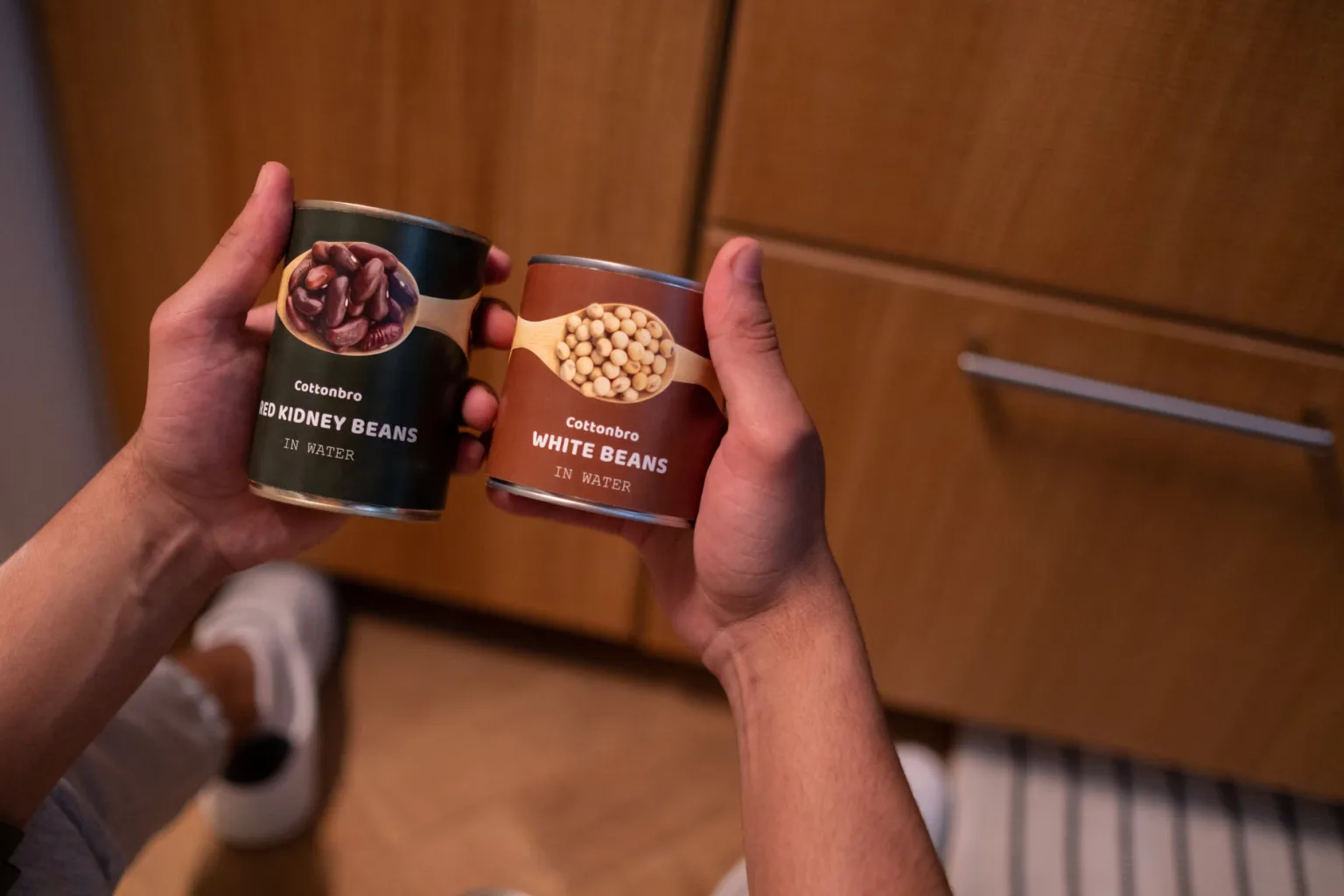
Open the can and check the label to see whether the beans are packed in water, brine, or sauce. Add them directly to a stew with some of their liquid, or drain and rinse them if you want more control over salt and consistency; choose according to the recipe and product. For a simple bean stew, warm a sauté of onion, garlic, and pepper, add the beans, then season with herbs, tomato, or other ingredients you enjoy. Heat gently until the dish is thoroughly hot and its flavors come together, stirring carefully to keep the beans intact. You can also fold them into rice, soups, and salads, or mash some of the beans to thicken a dish. Taste before adding extra salt.
Flavour and texture
Their flavor is usually mild and earthy, making them receptive to herbs, spices, tomato, and aromatic vegetables. The texture can be tender and creamy, but it varies with bean variety, brand, and cooking; some beans hold their shape better than others. The canning liquid can also affect a dish's flavor and consistency.
How to choose it
Read the label to confirm the bean type and whether the product is packed in water, brine, or sauce. Compare salt information if it matters to your recipe, and choose firmer or softer beans according to the result you want. Check that the package is intact and follow the product's printed directions.
Storage
Store unopened cans according to the label and the manufacturer's storage directions. After opening, consult the package for guidance on storing and using any remaining beans. Do not assume that every brand or preparation has identical storage instructions.
Substitutions
Cooked dried red beans can replace canned beans; adjust the liquid and seasoning to suit the recipe. Other canned beans, including pinto beans, may also work, although they can change the dish's color, flavor, and texture. If starting with dried beans, cook them before adding them to a quick-cooking recipe.
Common mistakes
Do not add salt automatically: the liquid in some cans may already contribute salt. Avoid a vigorous boil or frequent stirring, since tender beans can break apart. Do not assume every red bean product has the same size, firmness, or flavor; check the label and taste the beans.
Safety and allergens
Follow the package directions and local food-handling guidance. Do not use the product if its container is damaged or its appearance or smell seems unusual.
Culinary uses
- sustaining ingredient in stews and soups
- plant-based component in rice dishes, salads, and chili
Recommended techniques
- simmering in a seasoned sauce
- mashing or blending into a thick sauce or purée
Pairs well with
- rice
- tomato, onion, garlic, and herbs
- pumpkin or squash
Frequently asked questions
Do canned red beans need to be cooked before use?
Canned beans are already cooked for use in recipes. They are generally warmed or added to a dish according to the product directions and recipe.
Should I drain and rinse canned red beans?
That depends on the dish and the label. Draining can help you control liquid and seasoning, while some recipes use part of the canning liquid.
What can I use instead of canned red beans?
Use cooked dried red beans or try another canned bean variety. The color, flavor, and texture of the finished dish may differ.
Sources and review
Automatically researched, cross-checked and validated content. Sources consulted:
- ¿Por qué la muerte es origen de miedos y tabúes? doi.org
- Client Challenge doi.org
- Las alubias o habichuelas: origen, variedades, beneficios y recetas para cocinar la legumbre más extendida del mundo directoalpaladar.com
- La diabetes y la alimentación: Cómo planificar y cocinar comidas sabrosas y saludables | CAES Field Report fieldreport.caes.uga.edu
- Habichuelas Guisadas [Video+Receta] Habichuelas Dominicanas cocinadominicana.com
- - YouTube youtube.com
- Habichuelas Guisadas (de Lata) mariscakes.net
- Habichuelas con dulce - Wikipedia, la enciclopedia libre es.wikipedia.org
- Elaboración de sopas típicas de la Región Caribe apartir de subproductos de la trucha oncorhynchus mykiss | OpenAlex openalex.org