- Category
- Herbs and spices
- State
- Fresh
- Usual unit
- tablespoon
What it is
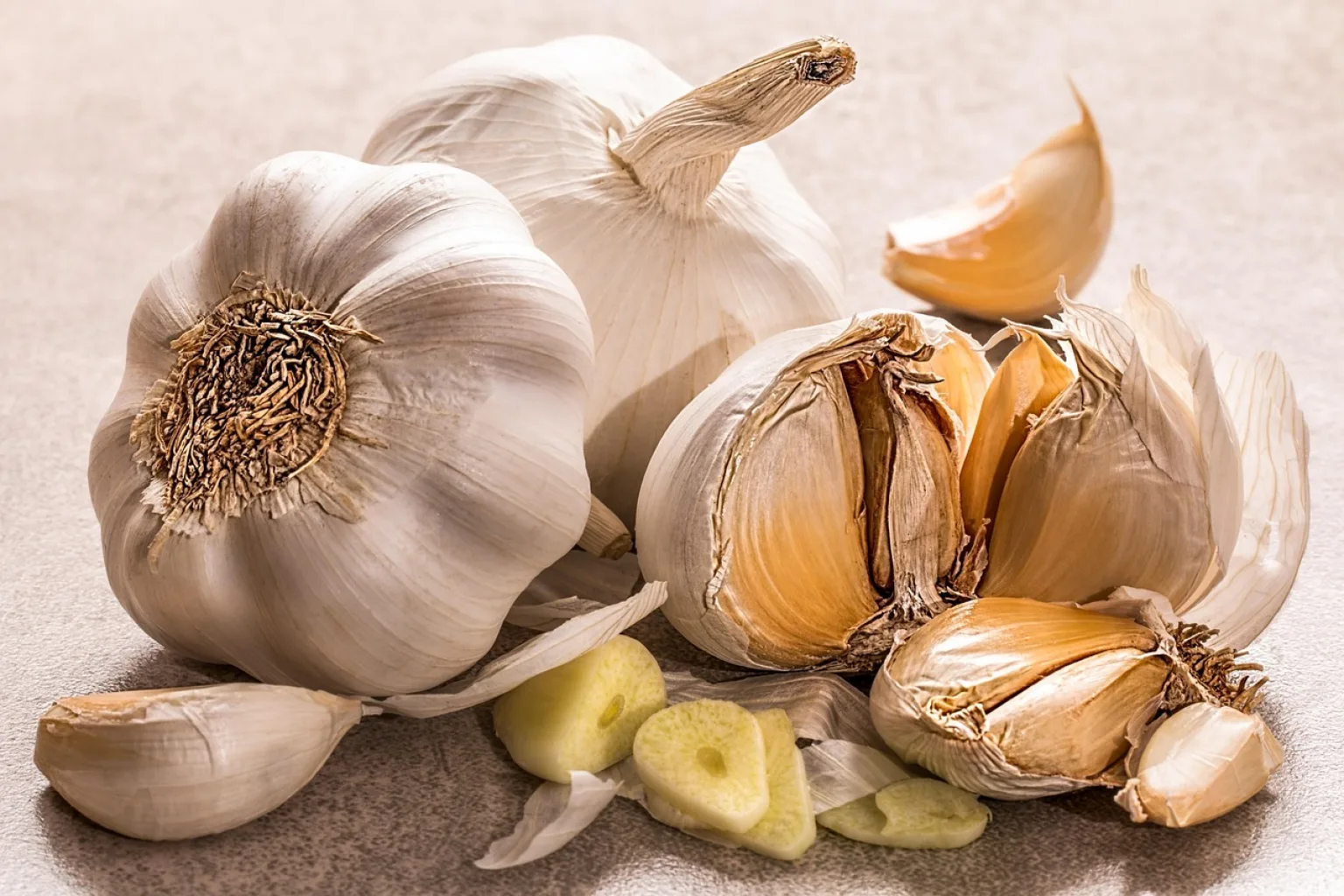
Caribbean green seasoning is a fresh blend of herbs and aromatics used to season savory food. It has no single fixed formula, and its ingredients vary across recipes and kitchens. One described combination includes garlic, onion, peppers, celery and scallion, along with herbs such as culantro, marjoram, rosemary, tarragon and thyme. Oil may be included, allowing the mixture to work as a marinade. The name refers to its green, herb-based character and seasoning role, not to one standardized recipe or a sauce that is identical throughout the Caribbean. The proportions of herbs, aromatics and heat therefore depend on the maker and the dish being prepared.
When to use it
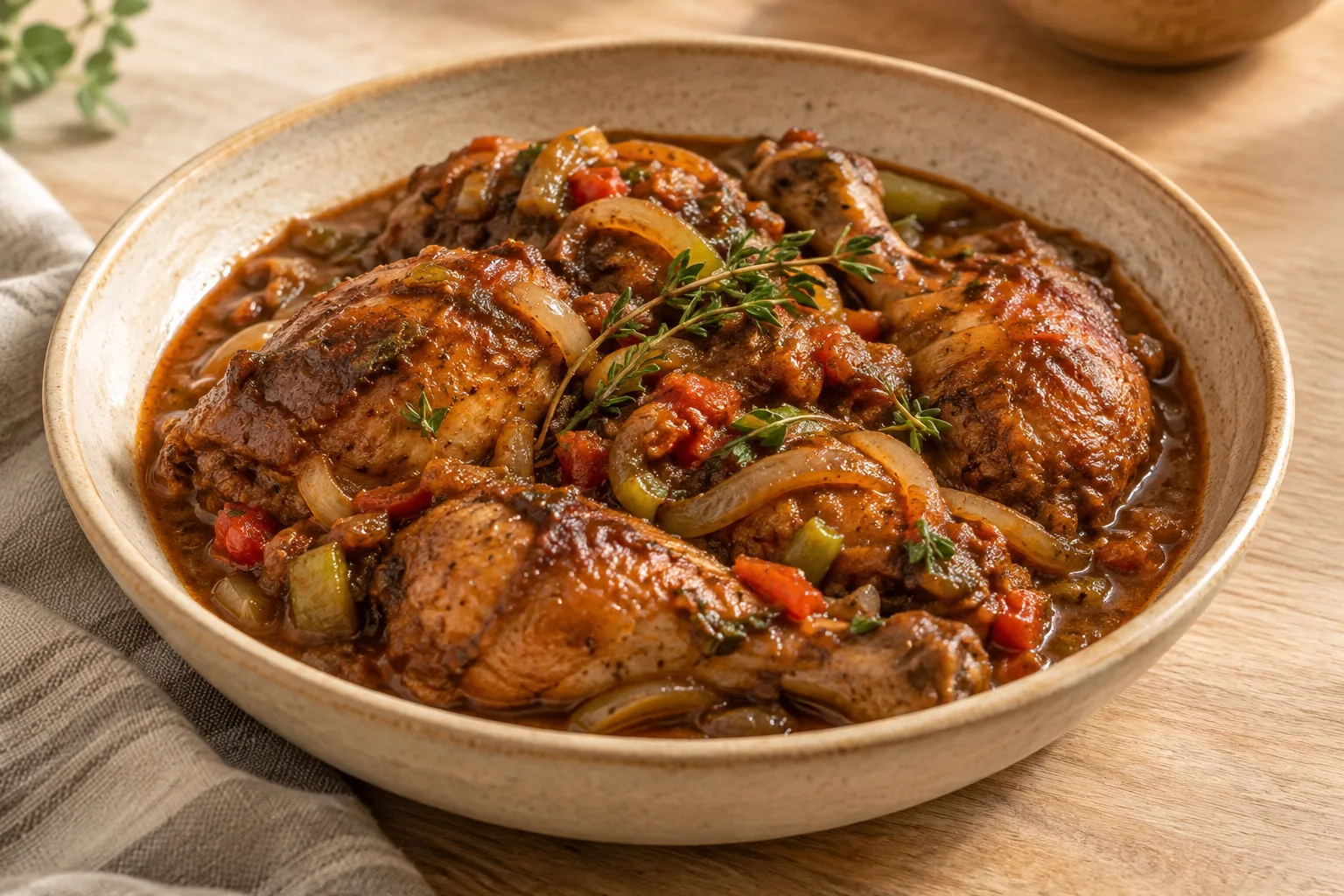
Use it when you want an aromatic base for a savory dish, either before cooking or as part of the cooking process. It can season meat as a marinade and add a herbal foundation to curries and stews. It may also suit rice and bean dishes, with the quantity and ingredients adjusted to the rest of the recipe. Because versions differ, start with a modest amount and taste before adding more. If the blend already contains plenty of chili or salt, account for that before seasoning the dish separately. Its role is to add flavor, so balance it with the other ingredients rather than treating it as a universal seasoning formula.
How to use it
Chop or blend the fresh herbs and aromatics to the texture you prefer, from a coarse mixture to a smoother paste. Possible ingredients include garlic, onion, peppers, celery, scallion and herbs such as culantro, marjoram, rosemary, tarragon or thyme. Add oil if you want a looser mixture for use as a marinade. Use it to season meat before cooking, or stir some into a curry or stew as the dish is prepared. There is no universal formula, so adjust the proportions to suit the heat level and flavor of the other ingredients. Keep utensils clean while preparing it, and follow the storage directions on the package if you have bought a prepared blend.
Flavour and texture
Its flavor is generally herbal and aromatic, with the exact notes depending on the herbs and aromatics used. Garlic and onion bring intensity; peppers can add freshness and, when hot, a chili kick. The texture may be roughly chopped or blended into a paste. Oil, when included, helps bind the ingredients and makes the mixture easier to use as a marinade.
How to choose it
Choose a blend that looks fresh, smells clean and herbal, and shows no obvious signs of deterioration. Check the ingredient list because combinations vary, and some versions may contain chili or other ingredients that affect heat and flavor. If buying a packaged product, make sure the package is intact and follow the manufacturer’s storage directions.
Storage
Treat this as a fresh mixture: use clean utensils and follow the package directions for a commercially prepared product. For a homemade blend, keep it in a clean container under refrigeration and avoid leaving it exposed for long periods. There is no single storage period that applies to every version; keeping quality depends on the ingredients, preparation and storage conditions.
Substitutions
There is no one substitute that reproduces every version. Make a fresh blend from herbs, garlic, onion, pepper and oil, using only the components that suit the dish. If some herbs are unavailable, combine the ones you have and adjust the result to the aroma and heat you want.
Common mistakes
Assuming every version uses the same recipe can make a dish hotter or more herbaceous than expected. Check the ingredients and start with a small amount. Another common mistake is adding extra salt or chili before tasting, especially when the blend already contributes those flavors.
Safety and allergens
Handle the fresh mixture with clean hands and utensils, and store it according to package directions or under refrigeration if homemade. Do not use appearance or smell alone to justify keeping it longer; discard it if there are clear signs of spoilage.
Culinary uses
- seasoning base for savory dishes
- herb marinade for meat and other ingredients
Recommended techniques
- chop or blend the fresh aromatics into a coarse or smooth mixture
- mix with oil and use as a marinade or cooking seasoning
Pairs well with
- curries
- stews
- roasted or grilled meats
- rice and bean dishes
Frequently asked questions
Does Caribbean green seasoning have one fixed recipe?
No. Recipes vary and may combine different herbs and aromatics; some versions include hot peppers.
How is it used?
It can work as a marinade or as a seasoning base for curries, stews, meat and other savory dishes. Adjust the amount to the recipe and your taste.
Can I make it without one of the herbs listed?
Yes. The blend is variable, so use the herbs and aromatics available and adjust them to the dish. Different combinations will not taste exactly alike.
Sources and review
Automatically researched, cross-checked and validated content. Sources consulted:
- Client Challenge doi.org
- The Essential Glossary of Cooking Terms for the Culinary Arts - Escoffier escoffier.edu
- Usos culinarios apropiados de las variedades de plátano verde barraganete, dominico y maqueño, en la gastronomía ecuatoriana. | Revista de Gastronomía y Cocina doi.org
- Gastronomía de Costa Rica - Wikipedia, la enciclopedia libre es.wikipedia.org
- Publications extension.oregonstate.edu
- Cocina Caribeña: Sabores Tropicales que Enamoran | Remitly remitly.com
- Estofado - Wikipedia, la enciclopedia libre es.wikipedia.org
- Salsa Verde Near Me Explore Authentic Sources ~ cms.ncwc.edu cms.ncwc.edu
- Gastronomía del Caribe - Wikipedia, la enciclopedia libre google.com
- - YouTube google.com