- Category
- Meat
- State
- Fresh
- Usual unit
- kg
What it is
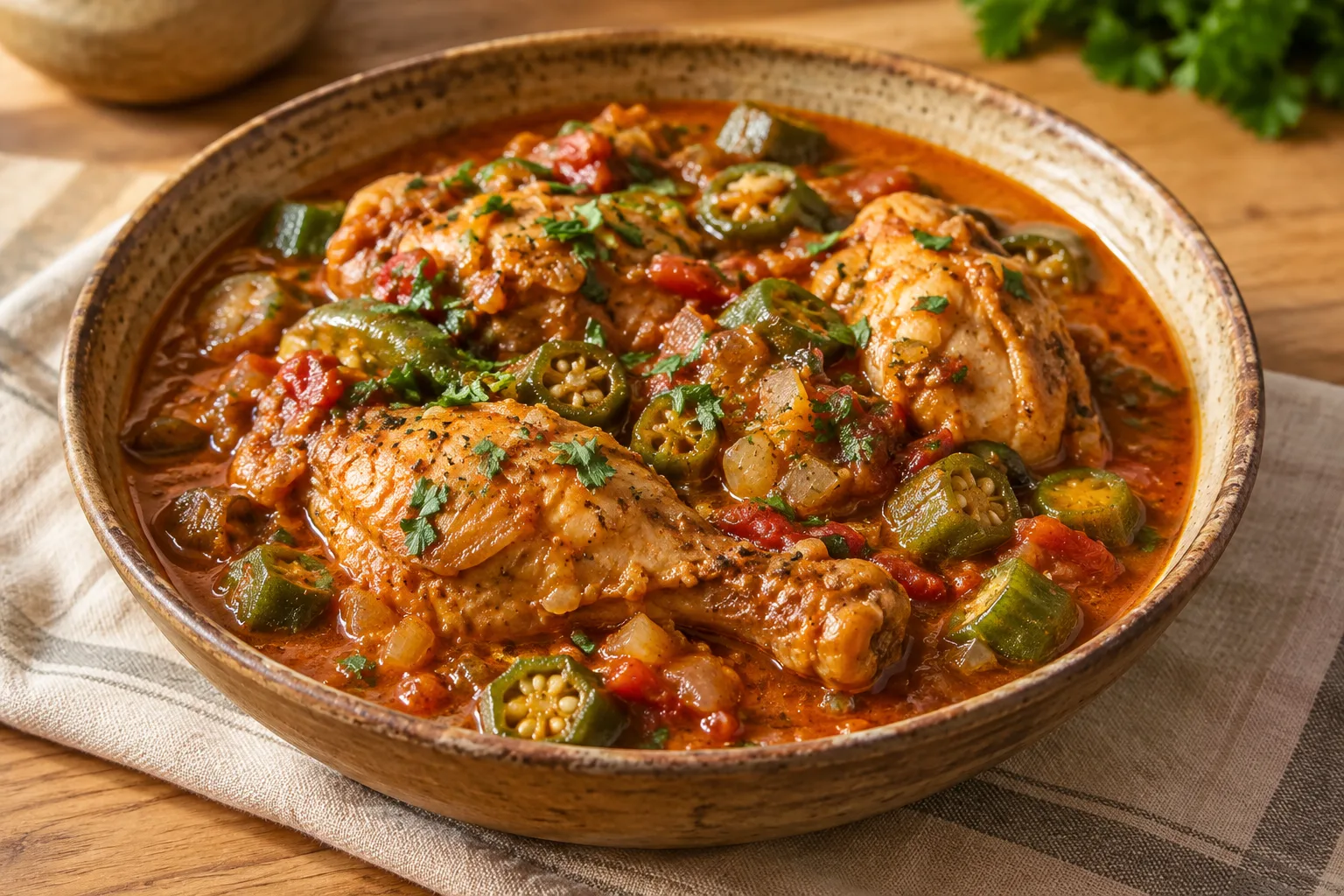
Chicken pieces are portions of poultry meat cut from a bird. Their size and composition vary with the cut: pieces may be bone-in or boneless, skin-on or skinless, and they do not all cook in the same way or have the same texture. They can be the centerpiece of a roasted or baked meal, or cooked and shredded for soups, salads, sandwiches, tacos, and fillings. Chicken’s mild flavor works with a wide range of seasonings, from lemon, garlic, and herbs to spice blends and marinades. When buying, check which cuts are included and follow the package’s storage directions.
When to use it
Choose chicken pieces when you want individual portions or when a recipe can accommodate a selection of cuts. They are useful for roasting or baking, cooking with a marinade, and preparing meat to shred for salads, sandwiches, tacos, or fillings. Pieces of different sizes may need different cooking times, so do not assume that everything in a mixed pack will cook evenly. If a recipe depends on a particular texture or precise cooking time, choose pieces that are similar in size and cut.
How to use it
Before cooking, check whether the pieces are bone-in or skin-on and whether their sizes differ; adjust the recipe to suit the cuts. Season with garlic, herbs, and lemon, or coat with a marinade such as yogurt and spices, mustard and honey, or oil and herbs. Keep chicken refrigerated while it marinates. Roast or bake the pieces and serve them whole, or cook chicken to shred into soups, salads, sandwiches, and tacos. For another preparation, chicken can be minced or blended and incorporated into a shaped mixture. Cook chicken thoroughly before eating.
Flavour and texture
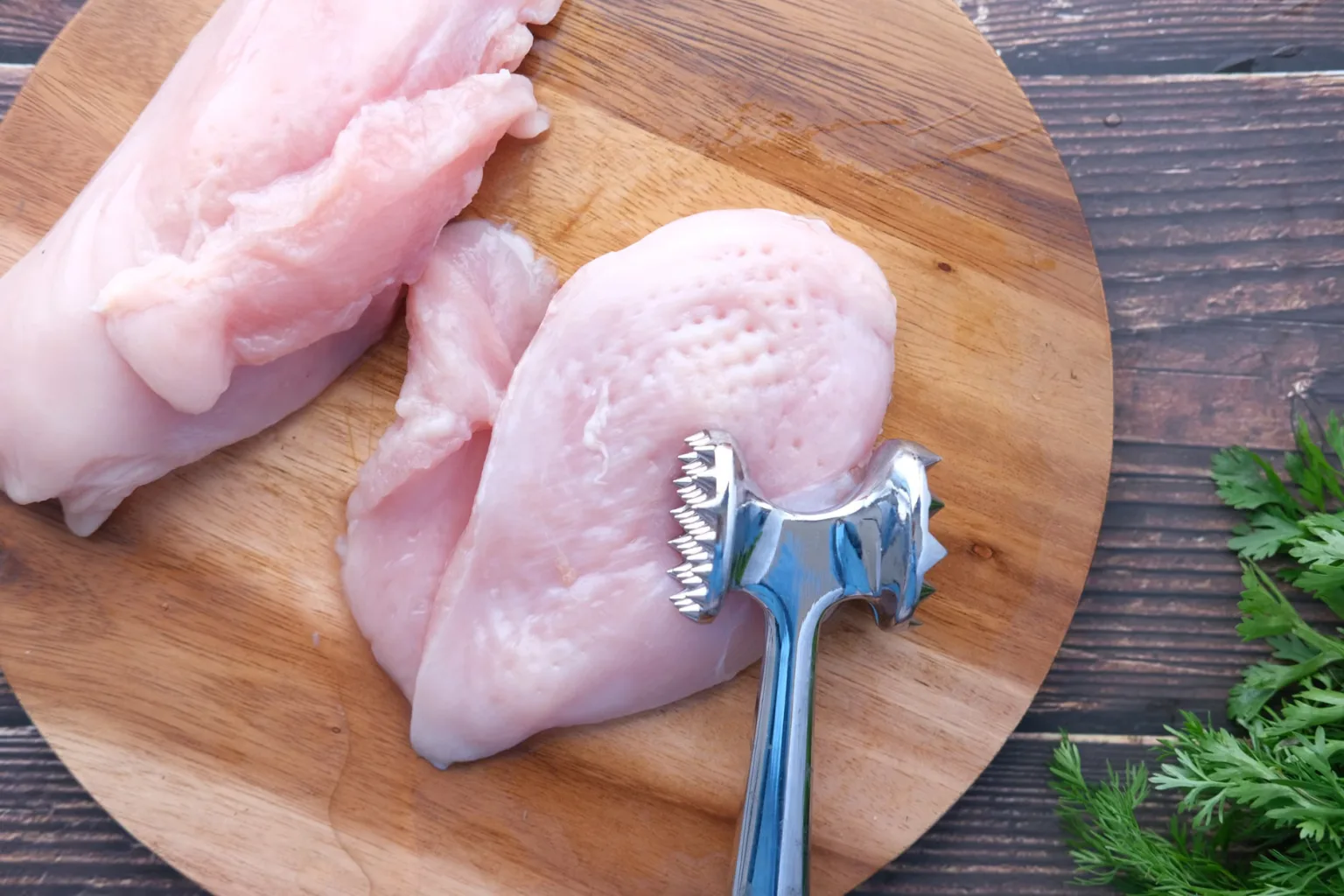
Chicken has a mild flavor that readily takes on the aromas of herbs, garlic, lemon, spices, and marinades. Texture varies by cut: breast meat is generally leaner, while other pieces may include more fat, skin, or meat close to the bone. Piece size and the presence of bone also affect the finished texture and cooking.
How to choose it
Look for a package labeled as fresh chicken and check which cuts it contains, whether they have skin or bone, and whether the pieces are roughly similar in size. Check the date and storage directions on the package; appearance alone cannot establish every aspect of quality. Buy an amount suited to your recipe and follow the package’s storage instructions.
Storage
Follow the storage directions on the package. If you are marinating the chicken, keep it refrigerated throughout that process. Do not leave it at room temperature while it marinates, and consult the package for other storage needs; a specific storage period cannot be determined without that information.
Substitutions
In many recipes, a mixed selection of chicken pieces can be replaced with breast or other chicken cuts, but the result and cooking may differ. Adapt the method to piece size and whether the meat has bone or skin. Cooked, shredded chicken can work in recipes that call for cooked chicken, but it is not a direct replacement for raw pieces that need to be roasted whole.
Common mistakes
Do not assume that every piece is the same size or needs the same cooking. Avoid choosing cuts without considering whether the recipe calls for bone-in meat, skin, or a particular texture. Do not leave chicken marinating at room temperature; keep it refrigerated during marinating and cook it thoroughly before eating.
Safety and allergens
Keep chicken refrigerated while it marinates, and cook it thoroughly before eating.
Culinary uses
- Main ingredient for roasted or baked dishes
- Ingredient for soups, broths, shredded fillings and blended preparations
Recommended techniques
- Roasting or baking chicken pieces
- Marinating before cooking
- Cooking and shredding for salads, sandwiches or tacos
- Grinding or blending for shaped preparations
Pairs well with
- Garlic, lemon and fresh herbs
- Yogurt, paprika and cumin
- Mustard and honey
- Olive oil and aromatic herbs
Frequently asked questions
What can I make with chicken pieces?
Roast or bake them, add them to soups and broths, or cook and shred the meat for salads, sandwiches, tacos, and fillings.
Can I marinate chicken pieces?
Yes. Try combinations such as lemon, oil, and herbs; yogurt with spices; or mustard and honey. Keep the chicken refrigerated while it marinates.
Do all chicken pieces cook the same way?
Not necessarily. Size, cut, bone, and skin affect texture and can affect cooking. Use similarly sized pieces when possible and adapt the method to the cut.
Sources and review
Automatically researched, cross-checked and validated content. Sources consulted:
- 8 usos del pollo en la cocina que no conocías cashfresh.es
- Blog de Magenis | Especias para cocina magenis.es
- Chicken Palava (Liberian web.uri.edu
- Development and Validation of a Portuguese Elicited ... scholarsarchive.byu.edu
- Língua da Gente - Portuguese Podcast: Dialogs linguadagente.coerll.utexas.edu
- Salmonelose - Nontyphoidal Salmonellosis cfsph.iastate.edu
- v52 n04.indb ageconsearch.umn.edu
- Rituais de Poder: Escravos e Senhores em uma Mina de Ouro ... scholarcommons.sc.edu
- Frango piri-piri - Wikipedia, la enciclopedia libre es.wikipedia.org
- Alimentos de Primera, Segunda, Tercera, Cuarta y Quinta Gama miplato.es
- PEDAÇOS DE FRANGO FRITO • IDG idgastronomic.com
- Três marinadas mudam textura e sabor do frango no forno usando acidez, gordura e temperos em proporções diferentes opovo.com.br