- Category
- Herbs and spices
- State
- Powdered
- Usual unit
- teaspoon
What it is
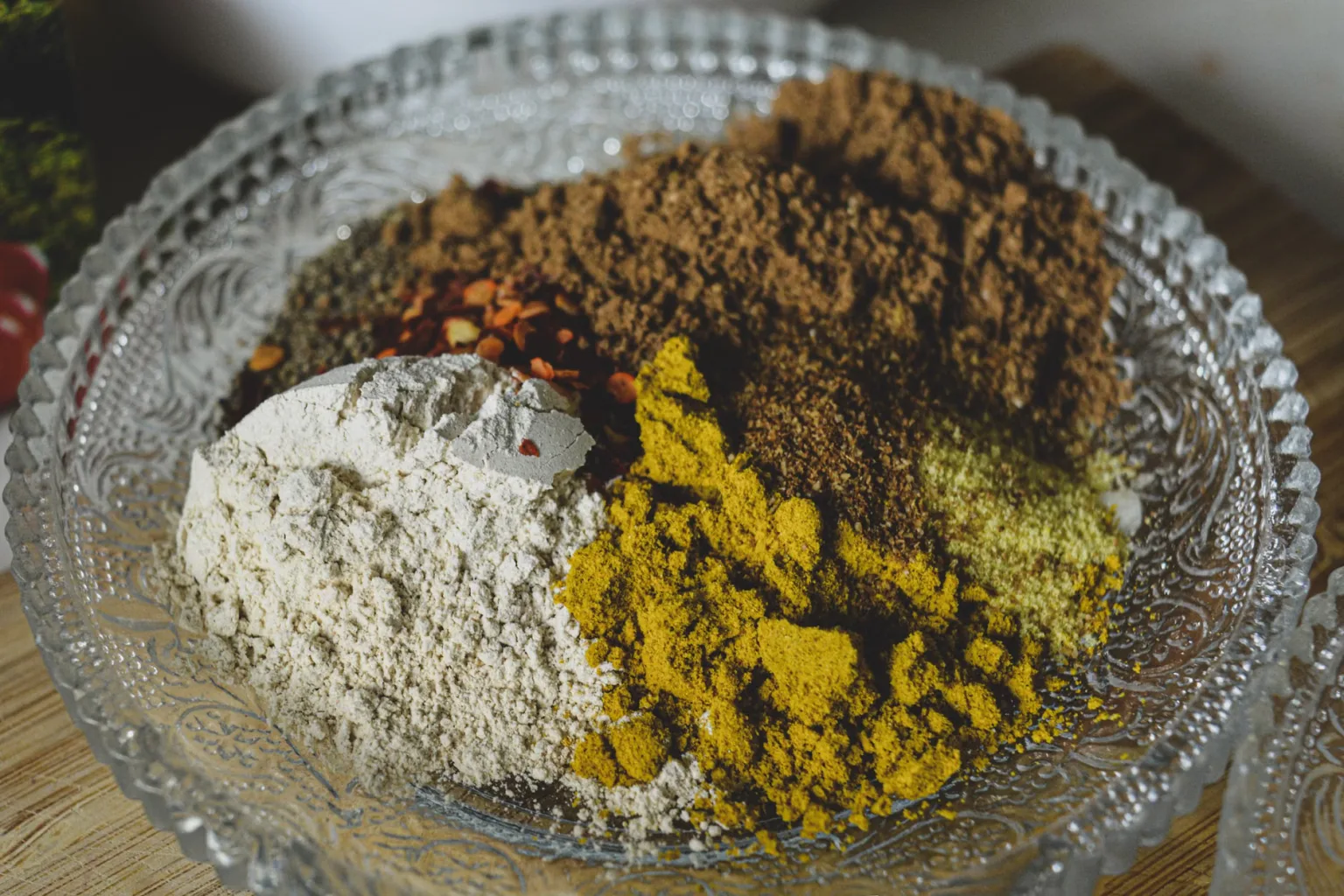
Chinese five-spice powder is a dry, ground seasoning made from a blend of aromatic spices. A common formula brings together star anise, cinnamon or cassia, fennel seed, cloves and Sichuan pepper, but products do not all share one fixed recipe. Some versions add ingredients such as coriander, ginger, cumin, nutmeg or licorice. The name therefore does not guarantee that every jar contains exactly five ingredients. The blend is used in Chinese-style cooking and beyond; its warm, fragrant character can add depth in a small amount. Check the ingredient list if you want a particular formula or need to avoid a specific ingredient.
When to use it
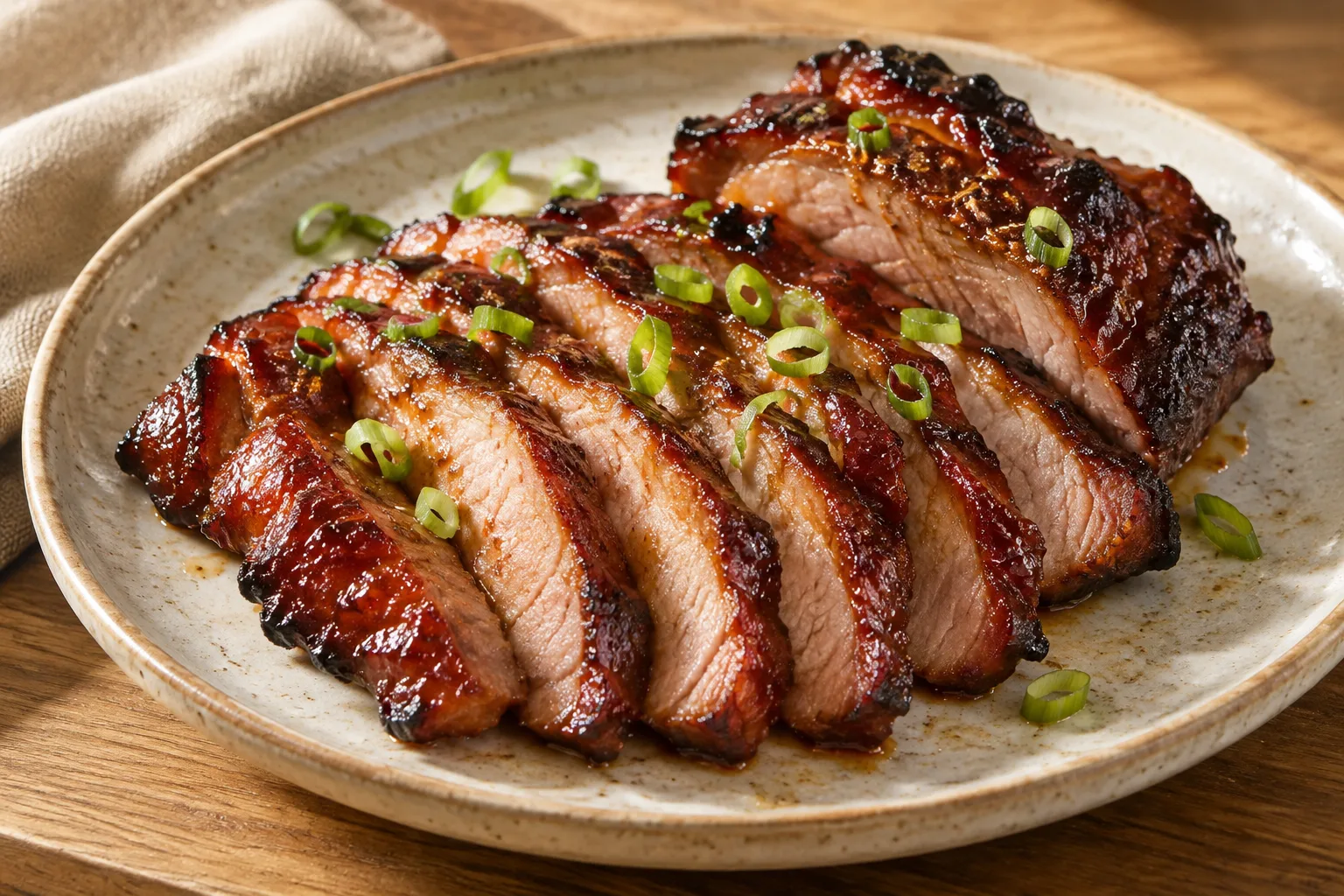
Use it when you want to add a warm, aromatic, lightly anise-like character to a dish, especially in marinades or on meats such as duck, chicken and beef. It can also season fish, tofu, vegetables and wok-cooked stir-fries. Some recipes use it in sweet dishes, so it is not limited to savory cooking. Commercial blends differ in both composition and intensity, so start with a small amount, taste, and add more only if needed. To keep it from overpowering other ingredients, use it thoughtfully and account for the spices already in the recipe.
How to use it
Check the ingredient list and begin with a small amount, since the flavor depends on the blend and the strength of its individual spices. Stir it into a marinade or distribute it over meat, fish or tofu before cooking. It can also season vegetables and wok-cooked stir-fries; spread it evenly so that the flavor is balanced. To make a homemade blend, briefly toast whole spices and then grind them, taking care not to let them burn. The powder can also be used in some sweet preparations. Taste and adjust as you go rather than assuming every brand has the same ingredients or proportions.
Flavour and texture
This is a dry, aromatic powder with a generally warm, spicy character and notes that may suggest anise, cinnamon, fennel, cloves and Sichuan pepper. Its balance depends on the ingredients and their proportions: one blend may lean more toward anise, while another may emphasize warm or citrusy notes. The texture is fine when thoroughly ground, though blends with coarser particles can feel slightly gritty.
How to choose it
Compare ingredient lists because some blends contain more than five spices or replace components. If you want a particular formula, check that the spices you are looking for are listed, and look for any ingredients you prefer to avoid. Aroma can give you a sense of its character, but proportions differ across products. Choose an intact, dry, well-sealed package and check the manufacturer's information before use.
Storage
Keep the powder tightly closed in a dry place away from moisture. Avoid leaving the jar open beside cooking steam or dipping in a damp spoon, since the dry blend can clump. Follow the manufacturer's instructions if the package gives specific storage guidance. There is no single storage period that applies to every brand: check the label and notice whether the powder still has a recognizable aroma.
Substitutions
Five-spice blends vary, so another blend of this kind can stand in, although the flavor will not be identical. You can also make a homemade version from familiar components: star anise, cinnamon, fennel seed, cloves and Sichuan pepper. Add it gradually, because both composition and intensity differ from one blend to another.
Common mistakes
Assuming every brand contains exactly the same five ingredients can change the result of a recipe. Avoid adding a large amount all at once: the flavor can be strong and varies by blend. Do not confuse it with ordinary black pepper or assume it is only for meat; it can also be used with fish, vegetables, stir-fries and some sweet preparations.
Safety and allergens
Check the label if you need to avoid a particular spice, and follow the package directions. Keep the product dry and use clean utensils to avoid introducing moisture or traces of other foods.
Culinary uses
- Condimento aromático para carnes y pescados
- Mezcla de especias para verduras, salteados y algunos platos dulces
Recommended techniques
- Incorporar a marinadas o frotar sobre los alimentos antes de cocinarlos
- Añadir a salteados y platos cocinados en wok
- Tostar brevemente las especias enteras y molerlas para preparar una mezcla casera
Pairs well with
- Pato, pollo y ternera
- Pescados y tofu
- Verduras salteadas y platos cocinados en wok
Frequently asked questions
Do all blends contain the same five ingredients?
No. A common formula combines star anise, cinnamon, fennel, cloves and Sichuan pepper, but some products add other spices or use a different composition.
What foods can I use it with?
It is used in marinades and to season meat, fish, tofu and vegetables; it can also go into stir-fries and some sweet preparations.
Can I make it at home?
Yes. One option is to briefly toast whole spices such as star anise, cinnamon, fennel, cloves and Sichuan pepper, then grind them.
Estimated nutrition
- Fat
- 0 g
- Saturates
- 0 g
- Carbohydrate
- 0 g
- Sugars
- 0 g
- Protein
- 0 g
- Salt
- 0 g
Sources and review
Automatically researched, cross-checked and validated content. Sources consulted:
- Client Challenge doi.org/10.2307/jj.27939689.16 doi.org
- The Essential Glossary of Cooking Terms for the Culinary Arts - Escoffier www.escoffier.edu/blog/culinary-arts/the-essential-glossary-of-cooking-terms-for-the-culinar… escoffier.edu
- Gastronomy Blog | Page 23 sites.bu.edu/gastronomyblog/page/23/ sites.bu.edu
- Publicaciones de Seguridad alimentaria www.aesan.gob.es/actualidad/publicaciones-seguridad-alimentaria aesan.gob.es
- Estudio de la actividad antioxidante de diversas plantas ... upcommons.upc.edu/bitstreams/2ba9295d-50ba-4beb-8513-47ed2974095a/download upcommons.upc.edu
- Cinco especias chinas | Gastronomía & Cía www.gastronomiaycia.com/cinco-especias-chinas/amp/ gastronomiaycia.com
- Cinco especias - EcuRed www.ecured.cu/index.php/Cinco_especias ecured.cu
- Ankorstore x Richesses Naturelles - 5 especias chinas - Polvo, 500g es.ankorstore.com/brand/richesses-naturelles-29850/5-epices-chinoises-en-poudre-500g-2947109 es.ankorstore.com
- Conoce el polvo de cinco especias chinas | Recetas Nestlé www.recetasnestle.com.co/blog-del-sabor/ingredientes/especias-chinas recetasnestle.com.co