- Category
- Pulses
- State
- Dry
- Usual unit
- tablespoon
What it is
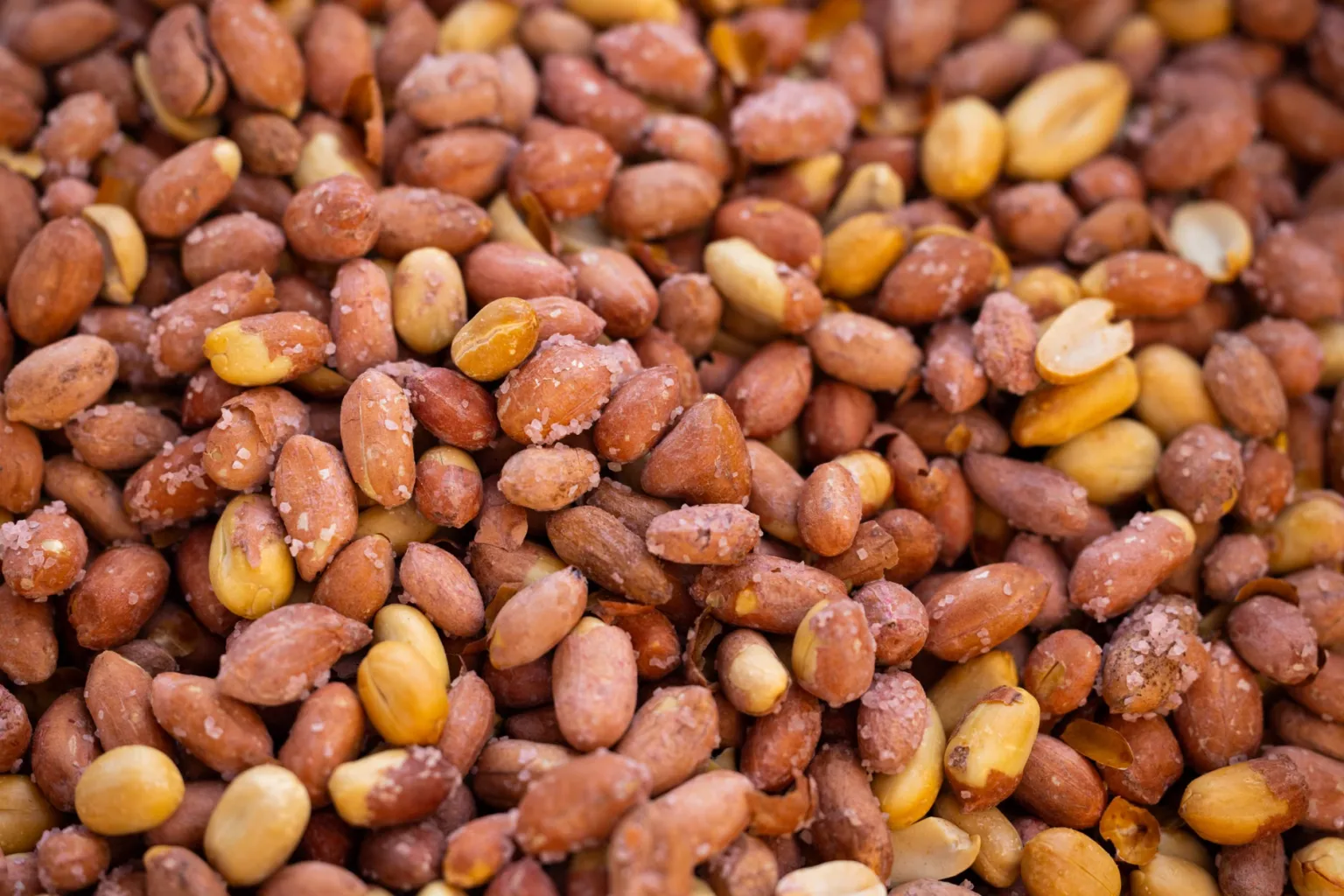
This ingredient consists of peanuts that have been roasted and cut into pieces, ready to use as a topping or recipe component. In cooking, peanuts are often grouped with tree nuts because of their flavor and texture, but botanically they are legumes in the Fabaceae family. Roasted and chopped describe how the peanuts have been prepared and presented; those words do not establish whether the product is salted, skin-on, or made with added ingredients. Piece size can differ between products, so check the package and adapt the amount to the dish.
When to use it
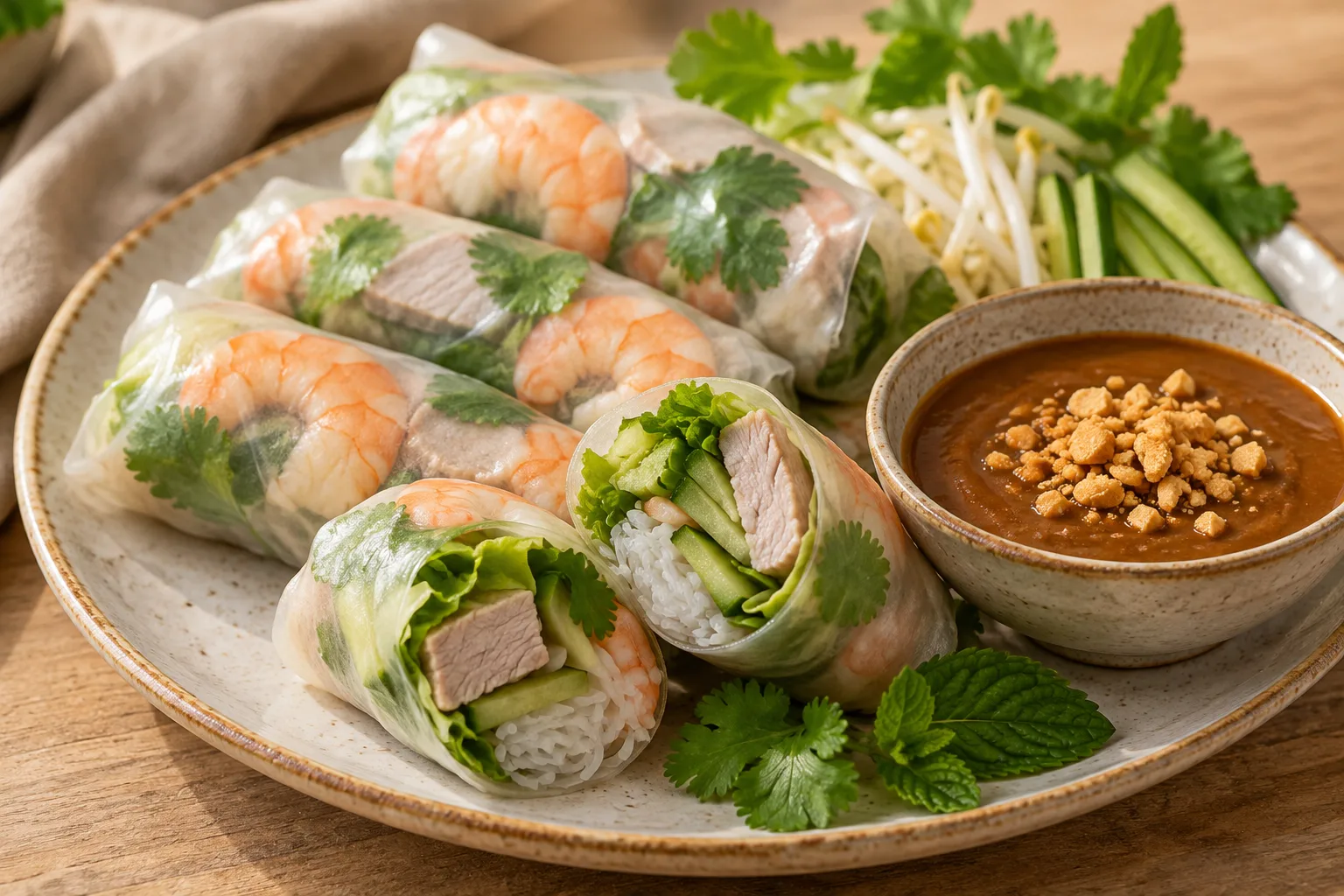
Use them when a dish would benefit from a crunchy contrast and recognizable roasted-peanut flavor. They work as a finishing touch for salads, rice, or noodles, and can also be mixed into sauces, dressings, cookies, cakes, or toppings. Because they are already roasted and chopped, they are convenient when you do not want to prepare whole peanuts yourself. Add them at the end when you want to preserve their crunch; mix them into a sauce or batter when you want their flavor distributed more evenly throughout the dish.
How to use it
First check whether the peanuts are salted, skin-on, or combined with other ingredients, then adjust the seasoning of your recipe accordingly. Sprinkle them over noodles, rice, salads, desserts, or chocolate dishes shortly before serving to retain more of their textural contrast. For a more even distribution, stir them into a sauce, dressing, or batter; crush them a little further if you want smaller pieces. In a moist dish, their crunch will soften on contact with liquid, so reserve some for the finishing touch. The amount depends on how prominent a peanut flavor and crunchy contrast you want.
Flavour and texture
Roasting gives peanuts a more pronounced flavor than unroasted peanuts, while the pieces provide a crunchy contrast. Flavor intensity, salt level, and chop size can differ between brands and product styles. Some products retain the thin skin and others do not, so check the package if that matters to your recipe. When mixed into a moist dish, the pieces lose some of their crunch.
How to choose it
Choose a package that clearly identifies the peanuts as roasted and chopped, and check the ingredient list and salt information if you want to control the seasoning. Also check whether the pieces include the skin or other added ingredients, since these features vary. For cooking, look for an even appearance and a fresh aroma; avoid peanuts with a rancid smell or persistent bitter taste. If an allergy is a concern, read the label carefully.
Storage
Keep them tightly closed in a cool, dry place and protect them from moisture and heat. Extended exposure to air can affect their freshness and flavor. Follow the package directions, especially after opening, and use a clean, dry container if you transfer them. Do not use them if you notice a rancid smell, visible moisture, or an unusual taste. The available evidence does not establish a universal storage period for this product.
Substitutions
Chopped roasted almonds or cashews can replace them when the main goal is a crunchy topping. The flavor will be different, and these alternatives are not suitable substitutes for someone with a peanut allergy. Adjust the chop size and check that the alternative fits the recipe and the needs of the people eating it.
Common mistakes
Adding them too early to a moist preparation can make them lose some of their crunch. Do not assume they are unsalted or contain only peanuts: check the label and adjust the seasoning. Also, do not confuse their culinary use, which can resemble that of some tree nuts, with their botanical classification as legumes.
Safety and allergens
Peanuts are a major allergen. Do not serve this ingredient to someone with a peanut allergy, and check the product label. If you are unsure how an allergy should be managed, follow advice from a qualified health professional.
Culinary uses
- Aportar crujiente y sabor tostado como acabado o cobertura
- Incorporar textura y sabor de cacahuete a salsas, platos salados y repostería
Recommended techniques
- Espolvorear picados justo antes de servir
- Triturar o machacar para integrar en salsas, aliños o masas
Pairs well with
- Chocolate y cacao
- Noodles, arroz y salsas saladas
- Plátano y miel
Frequently asked questions
Are peanuts tree nuts?
Botanically, peanuts are legumes in the Fabaceae family, although they are often used in ways similar to some tree nuts.
When should I add them to keep them crunchy?
Add them as a topping shortly before serving. Their texture softens when they sit in sauces or other moist ingredients.
Are chopped peanuts always salted?
Do not assume so; products vary. Check the package and adjust the seasoning in your recipe.
Sources and review
Automatically researched, cross-checked and validated content. Sources consulted:
- Client Challenge doi.org
- Usos del cacahuete en la cocina y en la industria | Itac Professional itac-professional.com
- Dictionary of Health Related Terms: English – Spanish hia.berkeley.edu
- Cacahuetes: qué son, origen, propiedades nutricionales y usos en la cocina abc.es
- Cacahuete: Descubre todos sus secretos | Just Spices | JUST SPICES ® justspices.es
- Cacahuete: qué es, propiedades y usos culinarios bonviveur.com
- Cacahuete: propiedeades y beneficios del falso fruto seco que también sirve para cocinar lavanguardia.com
- NUTRITION IN ME 4th GRADE Curriculum - Wsu s3.wp.wsu.edu
- "LITTLE WOMEN -- MUJERCITAS" people.duke.edu
- Para obtener proteína y calorías suficientes - Health Online healthonline.washington.edu
- Propiedades de los cacahuetes tostados sin sal: beneficios, nutrientes y usos en repostería artesanal aliciascake.es