- Category
- Herbs and spices
- State
- Powdered
- Usual unit
- tablespoon
What it is
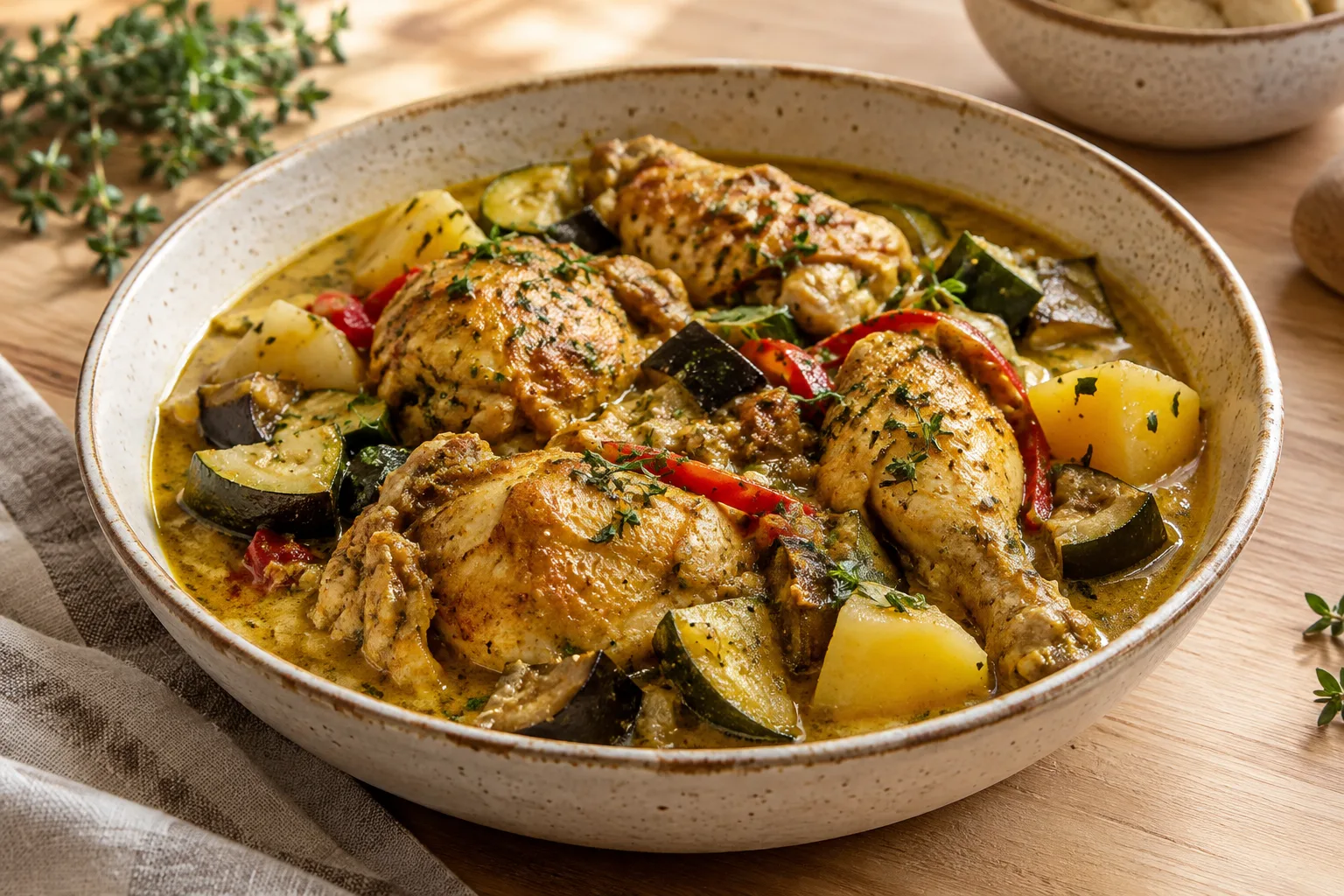
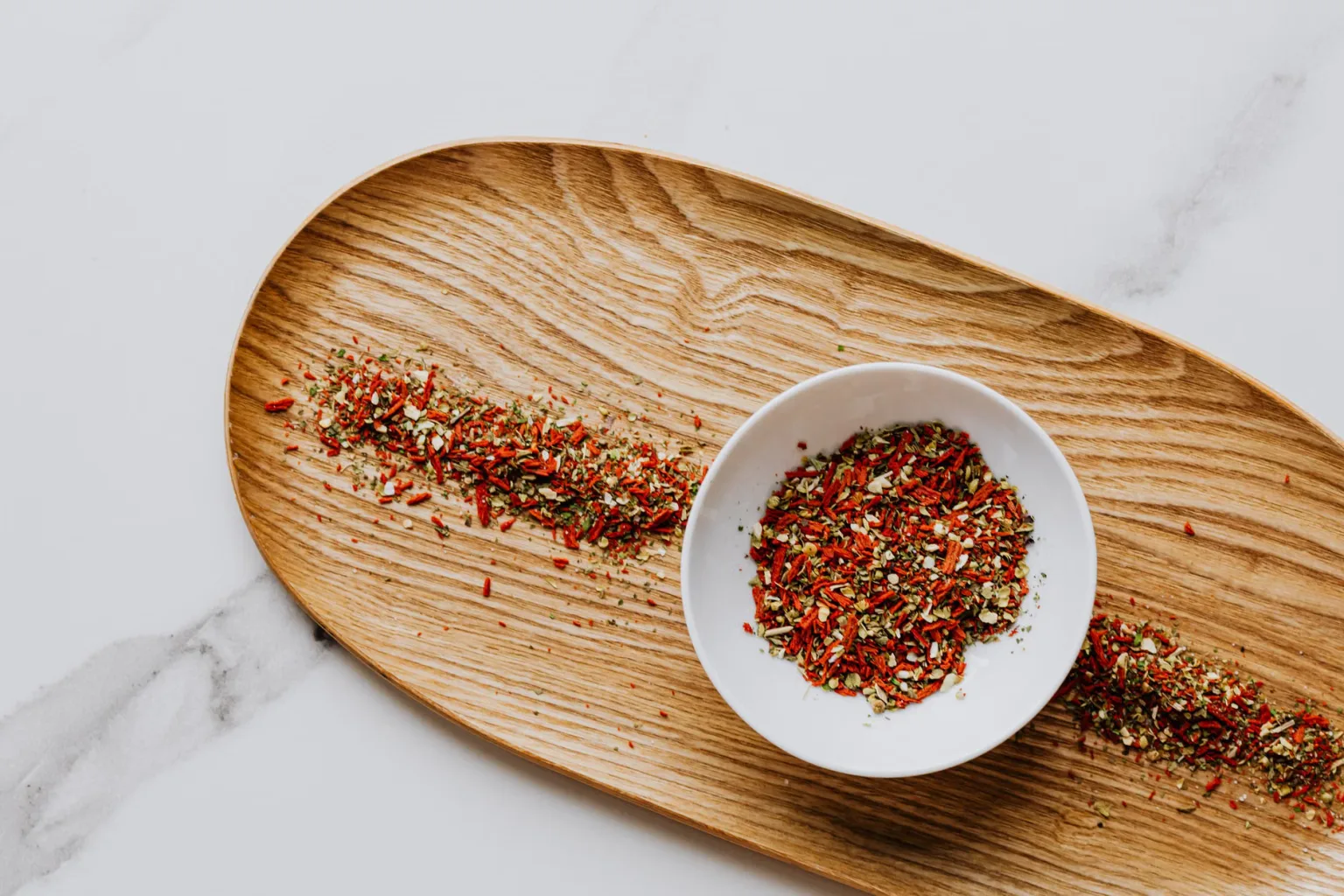
Colombo is a spice blend used in Caribbean cooking, including dishes called colombo. It is related to curry, but there is no single fixed ingredient list. Recipes may combine coriander, turmeric, cumin, fenugreek, mustard and pepper, among other ingredients. Some versions add chile, ginger, garlic, cinnamon, cloves, tamarind or toasted, ground rice. The color, intensity and heat therefore depend on the particular blend. Colombo is commonly sold as a powder; it can also be made into a paste with fresh garlic and tamarind. Check the ingredient list before cooking, especially if you need to avoid a particular ingredient or allergen.
When to use it
Use Colombo when you want an aromatic, spiced seasoning in a savory dish, while keeping in mind that not every blend has the same ingredients or heat level. It works in vegetable stews, including those with eggplant, potatoes or sweet potatoes, and in preparations with chicken, pork, fish or seafood. It can also season sauces and rice dishes. Chicken colombo is a well-known use, but the blend is not limited to that dish. Since recipes and commercial products vary, begin with a modest amount, taste the food and adjust to suit the blend and the recipe.
How to use it
Stir the blend into a sauce, stew or marinade so its flavor is distributed through the dish. To make a homemade version, whole spices such as coriander, cumin or mustard can be briefly toasted and then ground; the ingredient combination varies, so there is no single formula. Another option is to mix the powder with fresh garlic and tamarind pulp to make a paste. Add it to vegetables, meat, fish or seafood, then cook the dish until its ingredients are ready according to the recipe you are following. Taste before adding more, since some versions contain chile while others are mild. In sauces or creamy dishes, add Colombo gradually and avoid scorching it on the bottom of the pan.
Flavour and texture
Colombo is generally aromatic and spiced, and some descriptions characterize it as milder than other curry blends. Its profile is not fixed: turmeric can contribute an earthy note, cumin or fenugreek warmth, and chile heat when included. Garlic, tamarind and other spices also change the result. Powdered Colombo is dry and fine or slightly coarse depending on the grind; a version made with garlic and tamarind becomes a moist paste. Check the label or taste a small amount to learn the heat and character of the blend you have.
How to choose it
Read the ingredient list before buying: Colombo formulas vary and may include mustard, chile, garlic or other ingredients. Choose powder or paste according to how you plan to cook with it. If you want to control the heat or avoid an ingredient, do not rely on the product name alone; check the label and allergen information. Color alone does not identify the ingredients. For a particular dish, select a blend whose listed profile suits the recipe and your tolerance for heat.
Storage
Keep powdered Colombo in a tightly closed container in a dry cupboard or spice shelf. Protect it from moisture and close the container after each use. If you make a paste with fresh garlic and tamarind, refrigerate it in a closed container and use it soon; do not store it as though it were a dry spice blend. Follow the package directions for commercial products, particularly pastes or products containing fresh ingredients.
Substitutions
A mild curry blend can stand in for Colombo when you do not have it, but the result will differ: Colombo recipes vary, and the substitute may contain different spices or have a different heat level. Add it gradually and taste before adding more. If a recipe depends on a particular blend, check its ingredients rather than assuming the two seasonings are interchangeable in identical amounts.
Common mistakes
Do not assume every Colombo blend is the same, always contains chile or is always mild: ingredients and heat depend on the product. Avoid adding a large amount before tasting. Do not store a paste made with fresh garlic and tamarind as if it were dry powder; the paste needs refrigeration and quicker use. Check the label if you need to avoid mustard or another ingredient.
Safety and allergens
Check the package for ingredients and potential allergens, especially mustard, which may be present in some blends. If you make a version with fresh garlic or tamarind, refrigerate it and use it soon rather than storing it like dry powder.
Culinary uses
- Mezcla de especias para sazonar guisos y curris
- Condimento para verduras, carnes, pescados y mariscos
- Base aromática para adobos y salsas
Recommended techniques
- Incorporar a una salsa o guiso durante la cocción
- Tostar brevemente las especias enteras antes de molerlas
- Mezclar con ajo fresco y tamarindo para preparar una pasta
Pairs well with
- Berenjenas, patatas, boniatos y otras verduras
- Pollo, cerdo y otras carnes
- Pescado y marisco
- Arroz y legumbres
Frequently asked questions
Is Colombo the same as curry?
Not exactly. It is a curry-style blend associated with Caribbean cooking, but its ingredients vary and its flavor may be milder than other curry blends.
Is Colombo spice blend always hot?
No. Some recipes include chile, while others may be mild or omit it. Check the label and taste a small amount to learn about the blend.
How should I store Colombo?
Keep the powder in a tightly closed, dry container. A paste made with fresh garlic and tamarind should be refrigerated and used soon.
Sources and review
Automatically researched, cross-checked and validated content. Sources consulted:
- ¿Por qué la muerte es origen de miedos y tabúes? doi.org
- The Essential Glossary of Cooking Terms for the Culinary Arts - Escoffier escoffier.edu
- Los alimentos como medicina: la dieta antiinflamatoria | Children's Hospital of Philadelphia chop.edu
- Glimpses of an 18th century Colonial Kitchen in Manila archium.ateneo.edu
- Maqueta nº 10.2 aesan.gob.es
- Vegetables Species and Varieties - Penn State Extension extension.psu.edu
- Sopa de Fríjoles 1913 (Bean Soup) - lacocina.utsa.edu
- Christopher Columbus, “Letter to Luis de Santangel,” in ... web.as.uky.edu
- Colombo | Gastronomía & Cía gastronomiaycia.com
- El colombo - Guía Gastronomía y Vacaciones france-voyage.com
- Especias y aromas: Un viaje culinario por la gastronomía de Sri Lanka destinosasiaticos.com
- Especias Colombo - Azafranes la llave azafraneslallave.com
- TUBAL: COLOMBO DE POLLO tubal.blogspot.com