- Category
- Herbs and spices
- State
- Powdered
- Usual unit
- g
What it is
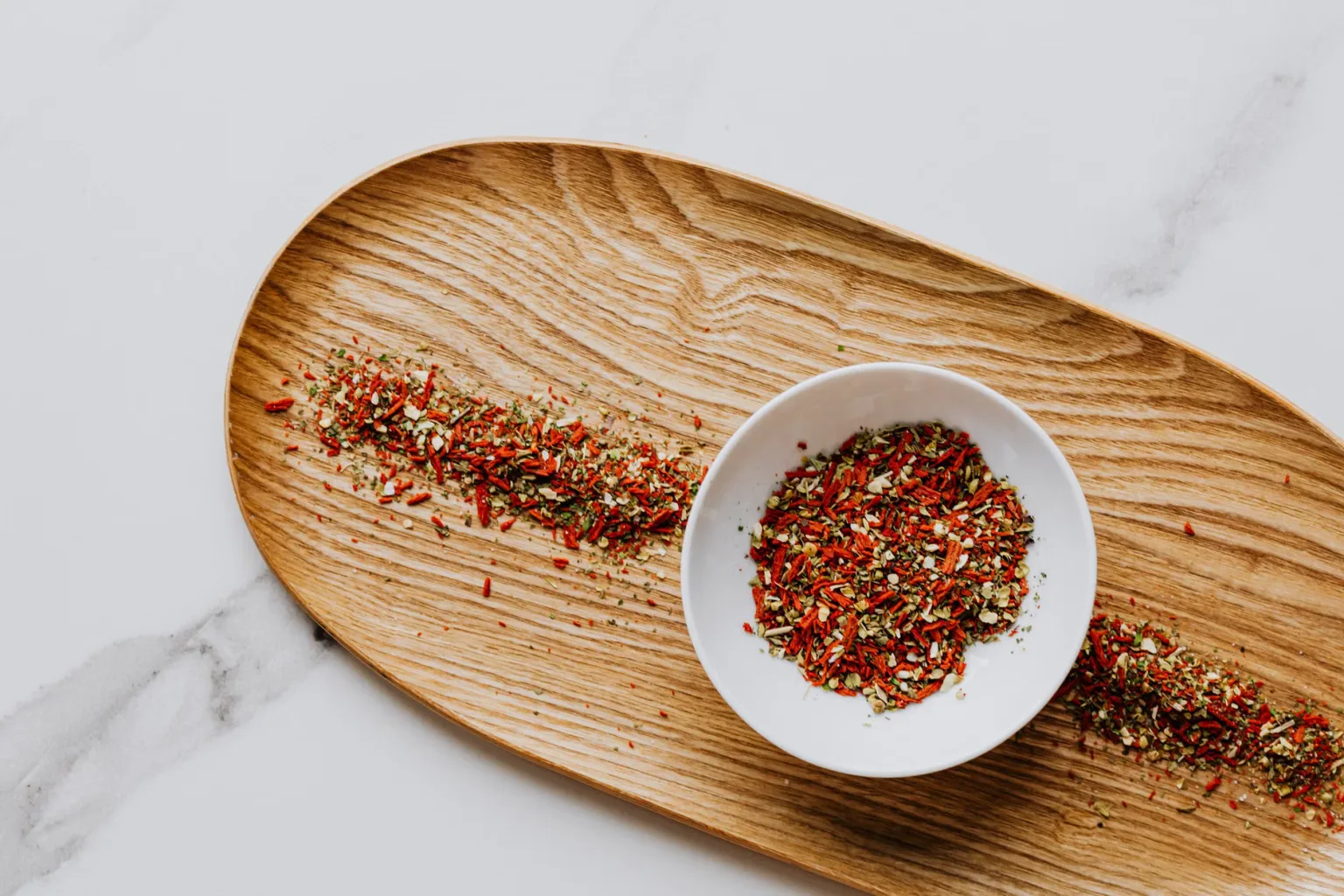
Colombo spice blend is a dry, ground seasoning used in dishes, especially those with a Caribbean-style profile. There is no single fixed recipe: some versions combine turmeric, coriander seeds, cumin, fenugreek, mustard seeds and black pepper, while others include additions such as chile, garlic, cinnamon, ginger or cloves. As a result, the color, aroma and heat can differ between blends. Colombo can also be made as a paste by combining ground spices with fresh ingredients such as garlic and tamarind pulp. It is related to curry blends, but the two should not be assumed to taste alike or contain the same ingredients.
When to use it
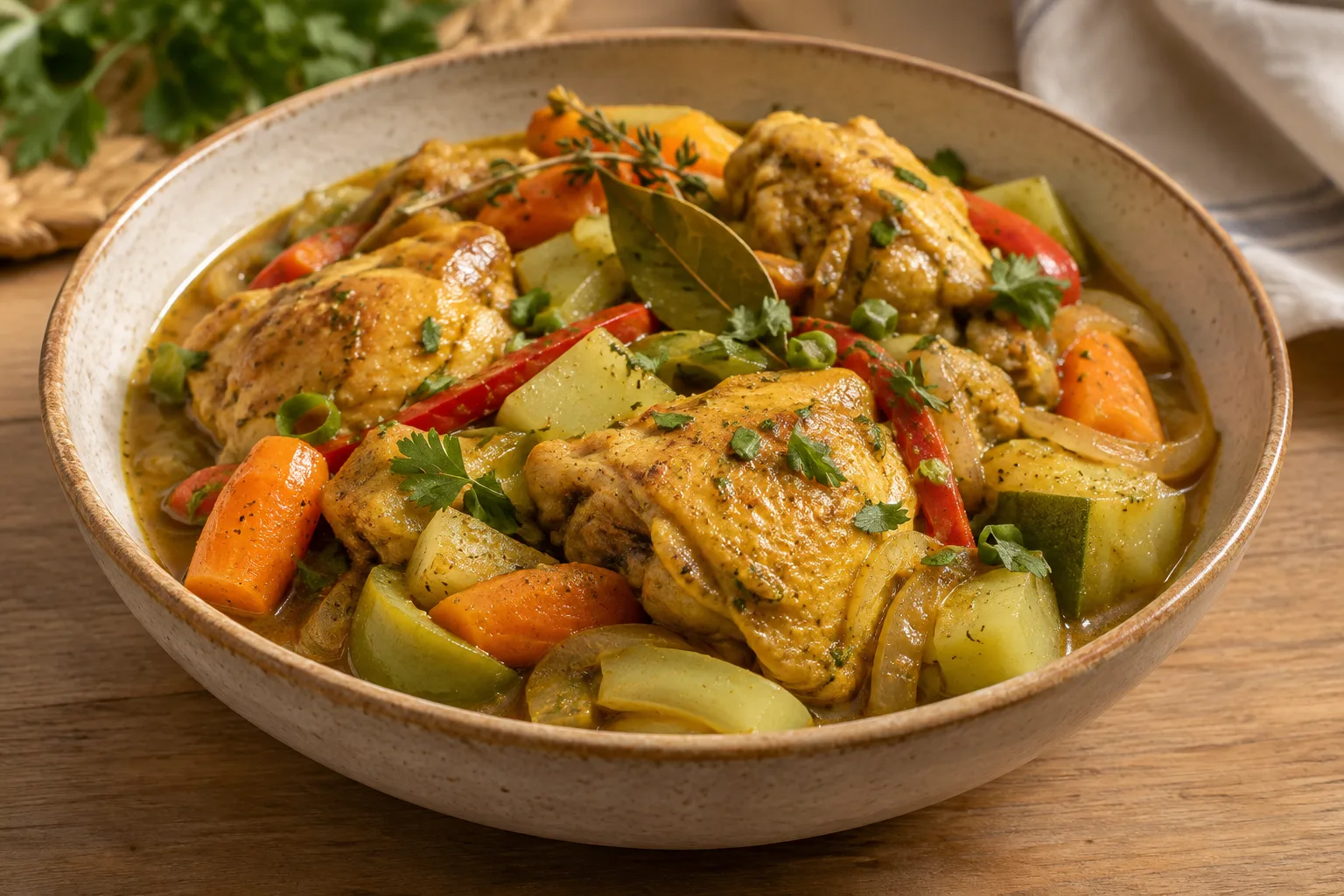
Use Colombo when you want to add an aromatic, spiced character to vegetables, potatoes, sweet potatoes or legumes, or when preparing chicken, pork, fish or seafood. It can season the main ingredients as well as a sauce or stew; chicken Colombo is a well-known preparation. Since recipes and chile levels vary, begin with a small amount and adjust to taste as you cook. If the dish already contains other spices, remember that some may also be present in the blend.
How to use it
Add Colombo powder to a dish of vegetables, legumes, meat, fish or seafood, and mix it with the other ingredients so it is distributed evenly. It can also be stirred into a sauce or stew. To make a homemade version, combine whole or ground spices according to the recipe you choose; whole spices can be briefly toasted before grinding to bring out their aroma. To turn the blend into a paste, add fresh garlic and, when appropriate for the dish, tamarind pulp. Powder and paste are not interchangeable in a direct one-to-one measure: adjust the liquid and quantity gradually, and taste before adding more.
Flavour and texture
Colombo is generally aromatic, warm and spiced, with earthy turmeric notes and flavors that may suggest coriander, cumin, mustard or fenugreek. Some blends are milder, while others contain chile or more assertive spices. As a powder it is dry and fine, though the grind can vary; combined with garlic and tamarind, it can become a moist paste. Its flavor and texture depend on the recipe and on whether whole spices, ground spices or fresh ingredients are used.
How to choose it
Look for Colombo powder in shops that sell spices, and read the package to check the ingredients, heat level and possible presence of mustard or other allergens. Do not assume that two different blends have the same formula: the proportions can vary, and some versions contain additional ingredients. Choose a dry product in a well-sealed package with a readable ingredient list. If you want a paste, check whether it is a prepared product or a blend intended to be combined with fresh ingredients.
Storage
Keep Colombo powder in a tightly closed container in a dry place, away from heat and direct light. Avoid using a wet spoon so the blend does not clump. If you make a paste with fresh garlic or other moist ingredients, refrigerate it in a closed container and use it promptly; a mixture containing fresh ingredients does not store like dry powder. Follow the package directions for prepared commercial products.
Substitutions
Curry powder can work as an approximate substitute, but it will not necessarily reproduce Colombo's flavor profile. To approximate a common formula, combine coriander, turmeric, cumin, fenugreek, mustard and black pepper. Adjust the blend to the dish and check whether it contains chile: Colombo recipes do not always have the same heat or ingredients.
Common mistakes
Do not assume every Colombo blend is identical or add a large amount without tasting it: heat and spice proportions vary. Avoid replacing powder with paste in the same quantity without adjusting the dish's moisture. If your blend contains whole seeds, grind them for more even distribution, and check the ingredient list if you need to avoid mustard or another specific ingredient.
Safety and allergens
Check the ingredient label, especially if you need to avoid mustard or another ingredient because of an allergy or intolerance. Keep powder dry, and promptly refrigerate homemade preparations that contain fresh ingredients.
Culinary uses
- Seasoning for vegetables, legumes, meat, fish and seafood
- Flavor base for curries, sauces and stews
Recommended techniques
- Toast whole spices briefly before grinding to bring out their aroma
- Grind and combine the spices; mix with fresh garlic or tamarind to make a paste
Pairs well with
- Vegetables such as aubergine, potato and sweet potato, and legumes
- Chicken, pork, fish and seafood
Frequently asked questions
What spices are commonly found in Colombo?
It may contain coriander, turmeric, cumin, fenugreek, mustard seeds and black pepper. Recipes vary, and some include chile, garlic or other spices.
Is Colombo the same as curry powder?
Not necessarily. Colombo is related to curry blends, but its ingredients vary and it can have a distinct profile. Curry powder may be an approximation, not an exact match.
How do I use Colombo?
Mix it into dishes with vegetables, legumes, chicken, meat, fish, seafood or sauces. Start with a small amount and adjust to the blend's heat and flavor.
Sources and review
Automatically researched, cross-checked and validated content. Sources consulted:
- Client Challenge doi.org
- The Essential Glossary of Cooking Terms for the Culinary Arts - Escoffier escoffier.edu
- - YouTube youtube.com
- Maqueta nº 10.2 aesan.gob.es
- Colombo | Gastronomía & Cía gastronomiaycia.com
- El colombo - Guía Gastronomía y Vacaciones france-voyage.com
- Especias y aromas: Un viaje culinario por la gastronomía de Sri Lanka destinosasiaticos.com
- Habitat Selection by Blackburnian Warblers Wintering in ... digitalcommons.usf.edu
- Study of the Sustainbility Issues of Food Production Using ... docs.lib.purdue.edu
- Effect of fragmentation and landscape composition on the presence of Ateles fusciceps in Colombia | Neotropical Primates primate.socgen.ucla.edu