- Category
- Grains, flour and pasta
- State
- Other
- Usual unit
- g
What it is
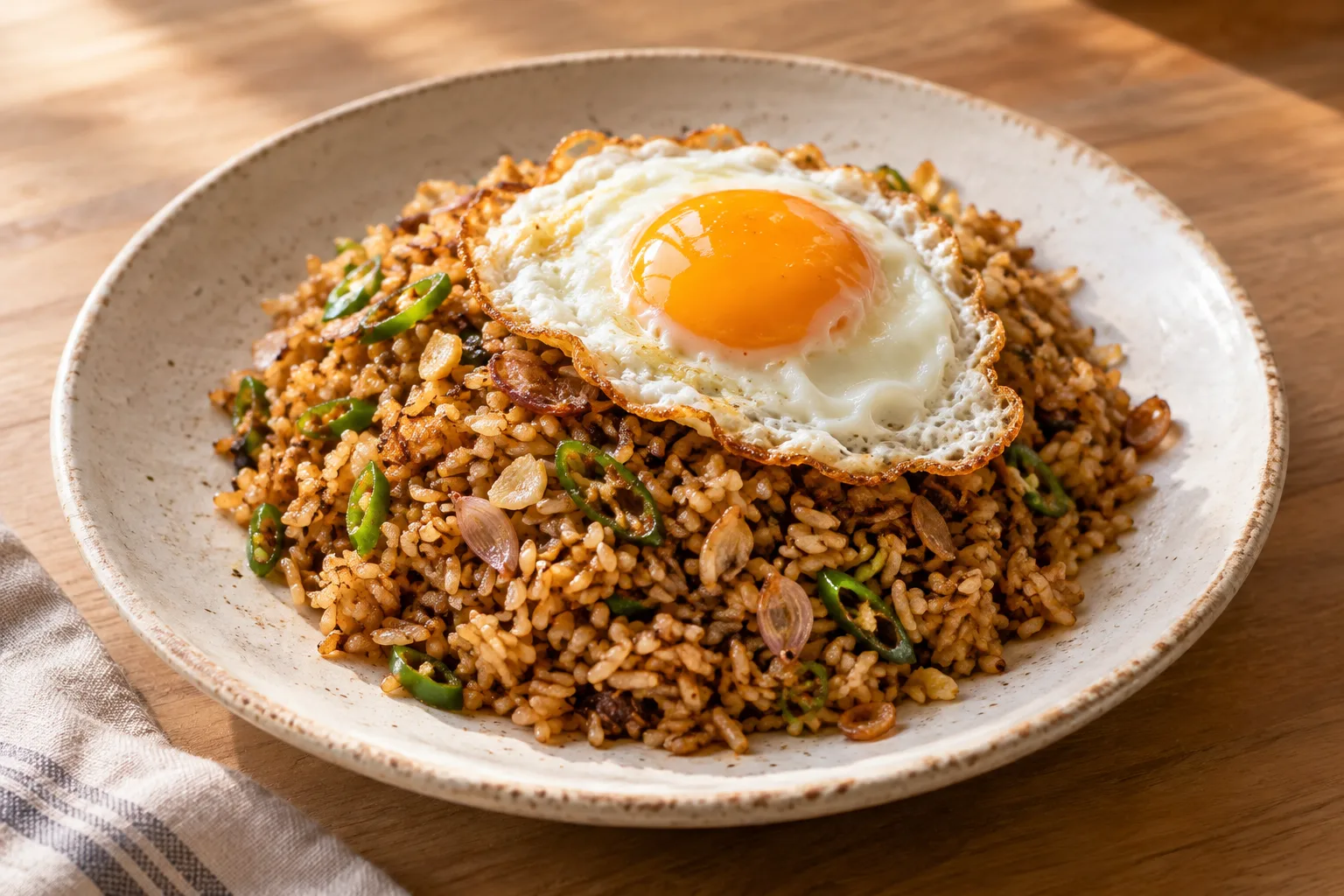
Cooked cold rice is rice that has been cooked and is used or served after cooling. The name does not identify a particular botanical variety: rice may be long-, medium- or short-grain, and variety and processing affect its final texture. Some long-grain rice stays separate and firm, while short-grain and glutinous rice tend to stick together more. The term therefore describes a culinary state and serving temperature, not a specific grain type or a particular cooling method. The name alone also does not establish how long the rice can be stored.
When to use it
Use it when you want a cooked rice base for a salad, a fried-rice preparation or a dish where rice is added near the end. Grain type matters: long-grain rice is associated with more separate, firm grains, while short-grain rice can be more compact and sticky. Rice can also be added to soup just before serving. If preparing soup for home canning in jars, do not include rice during processing; the guidance consulted recommends adding it when serving. The available evidence does not establish storage times for cooked cold rice.
How to use it
Choose the use according to the texture of the cooked rice: long-grain rice tends to be more separate and firm, while some short-grain or glutinous rice sticks together more. Fold it into a salad or use it in a fried-rice preparation; fried rice is cited among common rice dishes. For soup that will be served straight away, add the rice at the end, just before serving. If preparing soup for home canning in jars, do not add rice during processing; the guidance consulted recommends adding it when serving. The available information does not specify how to cool rice or how long to store it, so do not infer those details from the name.
Flavour and texture
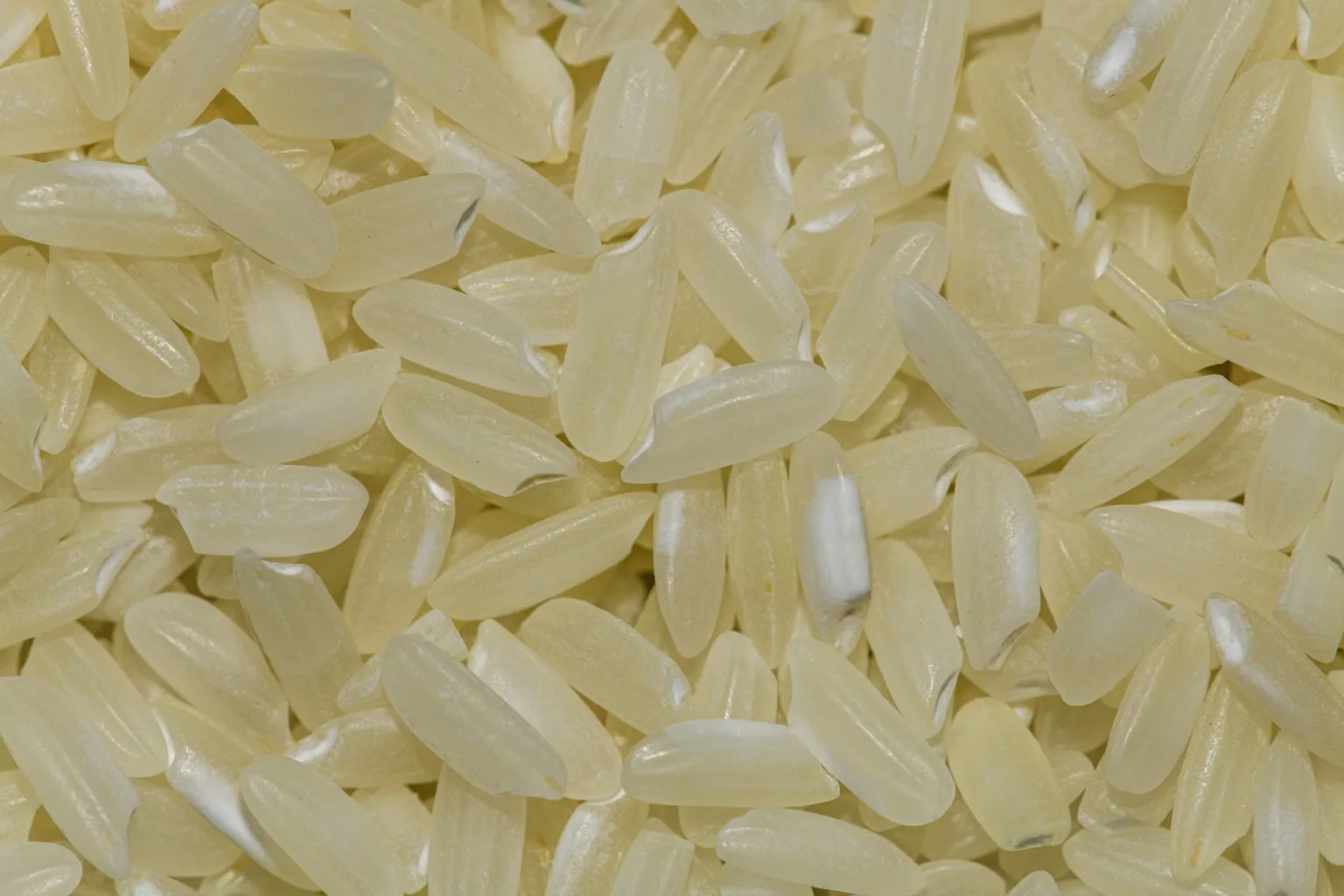
Cooked rice has a mild flavor, with its profile shaped by variety and accompanying ingredients. Texture also varies: long-grain rice can be separate, firm and elastic; medium-grain rice can be soft and slightly sticky; and short-grain or glutinous rice can be more compact and adherent. The descriptor “cold” does not by itself determine flavor or texture, which depend on the rice used and how it is prepared.
How to choose it
If you plan to cook rice for later cold use, choose the variety with the dish in mind rather than relying on the name alone. Long-grain rice is described as more separate and firm after cooking; some short-grain rice sticks together easily and is associated with sushi or risotto. Check the package for the variety or grain type to choose a suitable texture. The available sources provide no specific buying criteria for rice sold already cooked and cold.
Storage
The available evidence provides no storage conditions, temperatures or time limits for cooked cold rice, so this profile does not assign a shelf life. Consult official food-safety guidance in your location for cooked foods and follow the product instructions if it was purchased ready-made. The sources also do not describe a validated home-canning method for cooked rice; do not infer a preservation procedure from the culinary uses described.
Substitutions
To change the texture, choose another type of cooked rice: long-grain rice is described as more separate and firm, while short-grain or glutinous rice tends to stick together. These are alternatives within the same ingredient, not exact equivalents. Match the choice to the dish: a salad may suit more separate grains, while some preparations are associated with sticky rice.
Common mistakes
Do not treat “cooked cold rice” as a specific variety: grain type and processing can change the texture considerably. Do not assume a storage time from the word “cold,” because the sources do not provide one. If home-canning soup, do not add rice during processing; add it just before serving, in line with the guidance consulted.
Safety and allergens
Use clean hands, utensils and surfaces, and consult official food-safety guidance for cooked foods. The available evidence does not specify safe times or temperatures for cooked cold rice; do not infer them from this profile and follow the official guidance that applies in your location.
Culinary uses
- Base o acompañamiento para platos salados
- Componente para ensaladas y preparaciones de arroz frito
- Ingrediente para sopas, añadido al servir
Recommended techniques
- Incorporar a una ensalada
- Saltear como arroz frito
- Añadir a una sopa justo antes de servir
Pairs well with
- Pescado y marisco con arroz negro
- Mango y coco con arroz glutinoso
Frequently asked questions
What does cooked cold rice mean?
It describes rice that has been cooked and is used after cooling; it does not name a particular variety or specific cooling method.
Which rice tends to stay more separate?
The sources describe long-grain rice as more separate and firm after cooking. Short-grain rice tends to stick together more readily.
Can I add rice to soup for home canning?
Do not add rice during home canning. The guidance consulted recommends adding rice to soup just before serving.
Estimated nutrition
- Fat
- 0.34 g
- Saturates
- 0.05 g
- Carbohydrate
- 21.3 g
- Sugars
- 0.73 g
- Fibre
- 1.8 g
- Protein
- 3.99 g
- Salt
- 0.01 g
Sources and review
Automatically researched, cross-checked and validated content. Sources consulted:
- Hablemos de arroces - BuleBar bulebar.es
- Arroz - Wikipedia, la enciclopedia libre es.wikipedia.org
- Bioaccesibilidad de minerales mayoritarios y oligoelementos en distintas variedades de arroz cocido en Argentina | Revista Veterinaria doi.org
- A PROGRAM FOR extension.usu.edu
- educational content to support healthful lifestyle practices sjsu.edu
- Dictionary of Health Related Terms: English – Spanish hia.berkeley.edu
- UCCE efforts improve quality of and demand for fresh ... ucanr.edu
- Qué es el arroz y más sobre este producto | Recetas Nestlé recetasnestle.com.ec
- El Arroz: Tipos de Arroz - Ybarra en tu cocina ybarraentucocina.com
- Vamos a Conservar Alimentos: Sopas extension.psu.edu
- De Compras para la salud: Comidas para una persona ask.ifas.ufl.edu
- Para la ciudadanía aesan.gob.es
- BELL PEPPERS stcroix.extension.wisc.edu