- Category
- Sauces and condiments
- State
- Paste
- Usual unit
- tablespoon
What it is
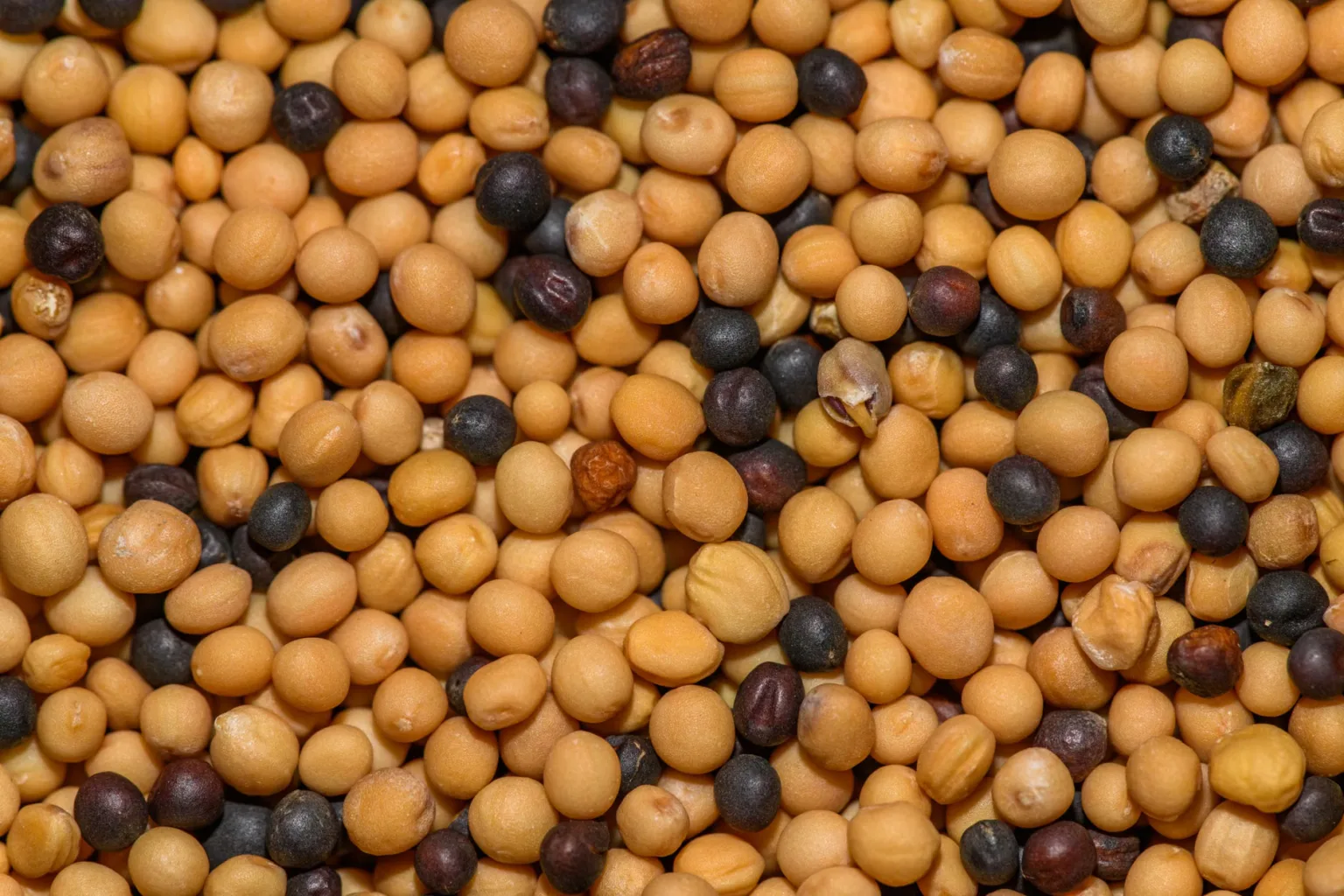
Dijon mustard is a prepared mustard sold as a paste or sauce and associated by name with the French city of Dijon. Available descriptions connect its character with brown or black mustard seeds and acidic liquids such as white wine, verjuice or vinegar, although recipes can differ between products. It is often described as more pungent and hotter than mild yellow mustard, with a smooth or creamy texture in some versions. It is a concentrated condiment: a small amount can add character to a dish, so add it gradually and taste as you go.
When to use it
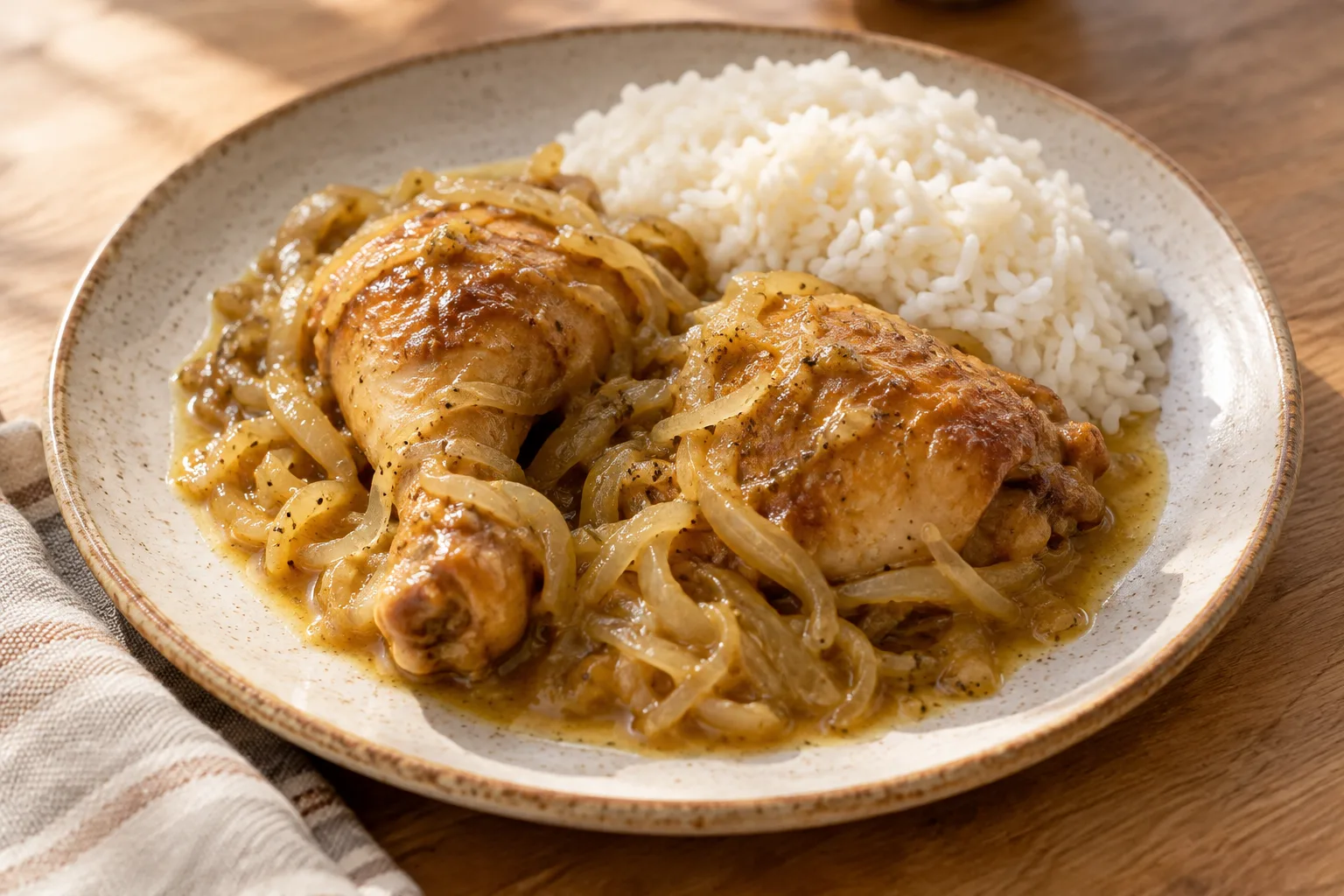
Use Dijon mustard when you want a sharp, slightly hot, acidic note without adding a large volume of sauce. It works particularly well in vinaigrettes, where it helps give a dressing body, and in pan sauces, glazes and marinades. It can also be stirred into yogurt for a creamy dressing or added to dishes with chicken, fish, vegetables or pasta. Because its flavor is more pronounced than that of some mild mustards, start with a little and adjust after tasting.
How to use it
To make a vinaigrette, combine the mustard with an acidic ingredient such as vinegar, then whisk in oil; taste and adjust the balance before serving. For a creamy sauce, stir it into yogurt or another sauce base, as in a dressing for chicken salad. In a hot sauce, mix it in until evenly distributed; one cauliflower-and-pasta recipe adds it to cheese sauce. It can also be used in marinades, glazes and sauces served with vegetables or proteins. Add it gradually: its intensity can overwhelm more delicate ingredients.
Flavour and texture
Dijon mustard is known for a pronounced flavor with noticeable heat and acidity; its exact profile depends on the recipe and the acidic liquid used. Some descriptions present it as smooth and creamy, but not every Dijon mustard has precisely the same texture. Compared with mild yellow mustard, it is generally more assertive. Taste a small amount before deciding how much to add to a dressing or sauce.
How to choose it
Read the ingredient label to see which ingredients and acidic liquid the maker uses, since formulations vary. Choose a texture and level of heat suited to the dish: a smooth paste blends readily into vinaigrettes and sauces, while a seedier mustard gives a more granular texture. Do not assume every jar has the same acidity or intensity; compare the product information and adjust the amount to the intended use.
Storage
Follow the storage directions printed on the package and check whether the maker specifies refrigeration after opening. Keep the container closed and use a clean utensil when serving so food residue is not introduced into the jar. If the label gives a specific time limit or storage condition, follow it; the available evidence does not establish one universal storage period for Dijon mustard.
Substitutions
Another prepared mustard can stand in, but the result will differ in heat, acidity and texture. Yellow mustard is generally described as milder; whole-grain mustard has visible seeds and a more granular feel. Add the substitute gradually and taste the dish before adding more. These are practical culinary alternatives, not exact copies of Dijon’s flavor.
Common mistakes
Adding too much mustard at the start can make its heat and acidity dominate the dish. Work in small amounts and taste before adding more. Another mistake is expecting every Dijon mustard to have exactly the same texture or formulation: recipes and ingredients vary. If you use a different mustard, rebalance the dressing or sauce rather than assuming the same amount will work unchanged.
Safety and allergens
Read the product label and follow its storage directions, especially after opening. The available sources do not provide a specific official safety warning for this ingredient.
Culinary uses
- Condimento para aportar sabor y acidez
- Base o complemento para vinagretas, salsas y marinadas
Recommended techniques
- Batir o agitar con aceite y un componente ácido para preparar un aliño
- Incorporar a una salsa o glaseado y mezclar hasta integrar
Pairs well with
- Vinagre y aceite en vinagretas
- Pollo, pescado, verduras y ensaladas
- Queso y pasta en salsas cremosas
Frequently asked questions
Does Dijon mustard always contain white wine?
Not necessarily. The available descriptions include recipes using white wine, verjuice or vinegar; check the label of the specific product.
What can I use it in?
It works in vinaigrettes, sauces, marinades and glazes, and pairs well with dishes featuring chicken, fish, vegetables or pasta.
Can whole-grain mustard replace it?
It can be used as a culinary alternative, but the texture will be more granular because the seeds remain noticeable.
Sources and review
Automatically researched, cross-checked and validated content. Sources consulted:
- ¿Por qué la muerte es origen de miedos y tabúes? doi.org
- Pantry Staples and Other Commodity Food Recipes – Page 4 – Food Smart Colorado foodsmartcolorado.colostate.edu
- Descubre la mostaza friolisa.es
- Mostaza: origen, tipos, propiedades y usos en la cocina bonviveur.com
- Family Food Cent$ newsletter - Agosto 2025 extension.sdstate.edu
- Mostaza de Dijon kuehne-international.com
- de mostaza Dijon Archives | Dinner Tonight dinnertonight.tamu.edu
- Espárragos con 3 porciones Vinagreta de Mostaza food.unl.edu
- Mac & Cheese/Macarron con Queso (LCH) | CSU Northridge w2.csun.edu
- Ingredientes dornsife.usc.edu
- Honey Mustard Dressing - Spend Smart Eat Smart spendsmart.extension.iastate.edu
- Cómo hacer un pedido stonybrookmedicine.edu
- Todo lo que tienes que saber sobre la mostaza: qué es, tipos y recetas hola.com
- - YouTube youtube.com