- Category
- Pulses
- State
- Dry
- Usual unit
- g
What it is
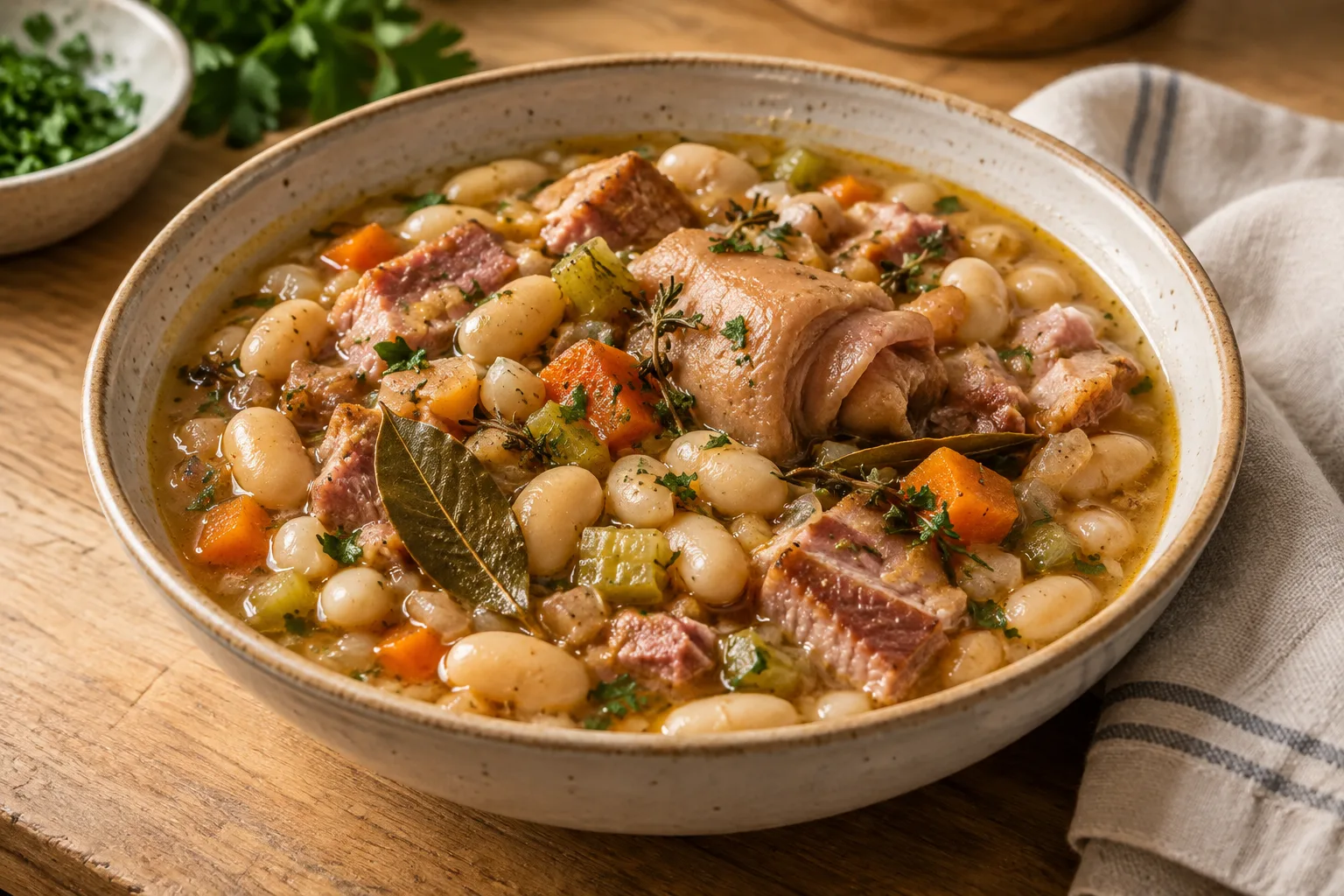
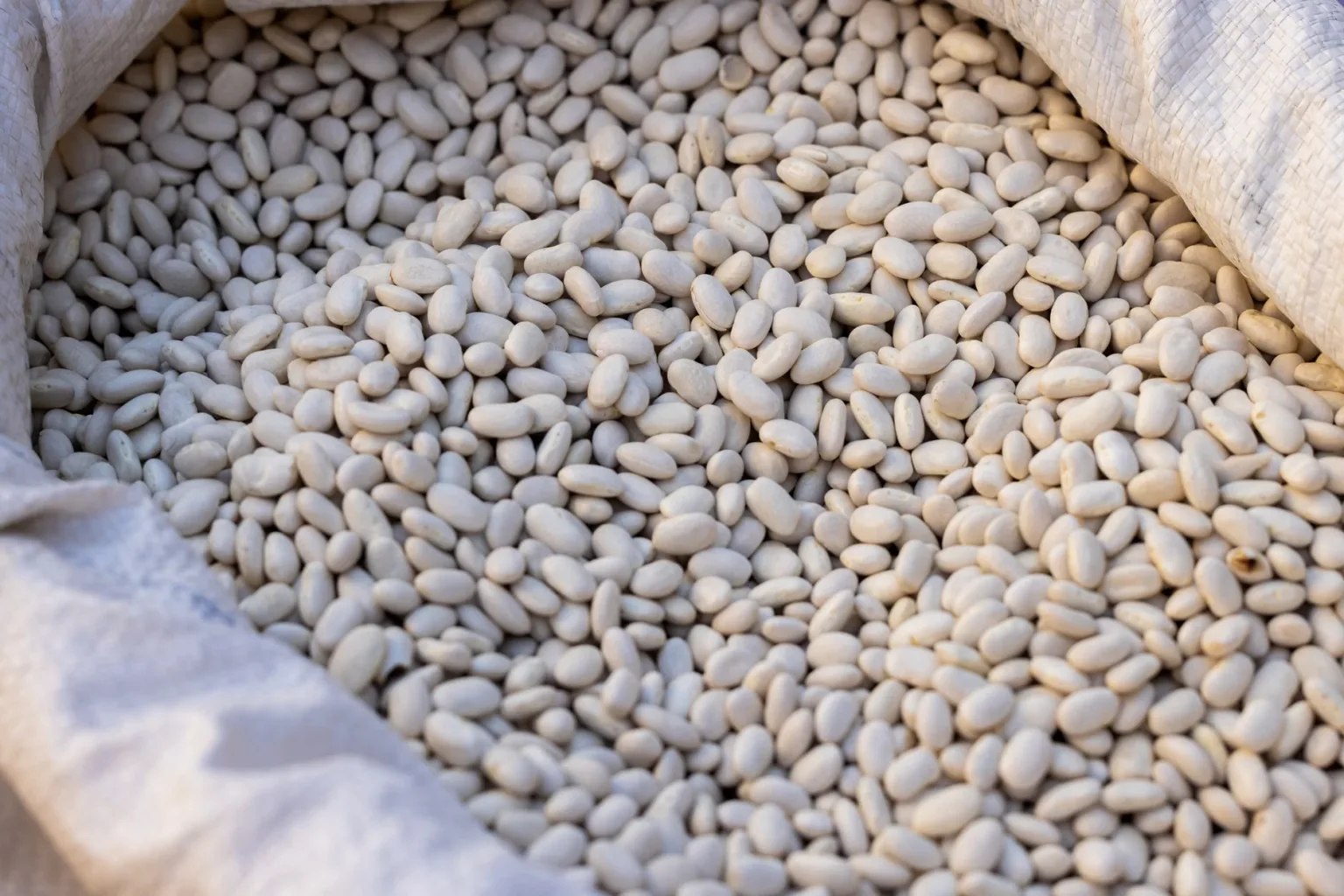
Dried butter beans are mature seeds from a legume that have been dried for storage and cooking. Dried beans come in many shapes, sizes and colours, and everyday names can overlap rather than identify one precise botanical species. The name “butter beans” alone therefore cannot confirm whether a particular packet contains a common bean variety or Lima beans. In the kitchen, treat them as dried legumes: prepare and cook them before adding them to a dish. Once tender, they can add substance to soups and stews, or be used in salads, purées and pasta dishes. Check the packet label and directions when you need to identify a specific variety.
When to use it
Use them when you want a cooked legume as the substantial base of a soup, stew or pasta dish. Once cooked, they can also be added to a salad or blended into a purée. Cooking from dry takes more planning than using beans that are already cooked; soaking beforehand is one documented preparation option. Since “butter beans” can refer to different products, check the label when a recipe depends on a particular variety or texture.
How to use it
Inspect and rinse the beans. If you choose to soak them, use a roomy container and follow the packet directions for soaking time and storage. Drain them and simmer in water until tender. Cooking time can vary with the variety and batch, so check the texture rather than relying on one fixed time. Add the cooked beans to soups, stews or pasta dishes, or cool them for a salad. They can also be blended into a purée. Season to taste and adjust the dish’s liquid to achieve the texture you want.
Flavour and texture
The name “butter beans” may suggest a particular culinary character, but the available evidence does not establish one flavour or texture for every product sold under that name. Dried beans differ in size, shape and variety, and cooking also affects their texture. Check for tenderness as they simmer. Keep the beans whole for salads or stews, or blend them when you want a smoother result.
How to choose it
Choose a packet clearly labelled as dried beans and check the variety, the appearance of the beans and the preparation directions. A batch with reasonably uniform size and shape may cook more evenly. Avoid packets showing visible moisture, mould or an unusual smell. If you need Lima beans or another specific variety, do not rely on “butter beans” alone; confirm the identification on the label.
Storage
Keep dried beans in a dry place in a clean, tightly closed container to protect them from moisture. Before cooking, check for visible mould or unusual odours. The available evidence does not establish a storage duration or a specific temperature for this product, so follow the package label and avoid damp storage conditions.
Substitutions
Another cooked bean variety can stand in when the dish allows differences in size and texture; check for tenderness and adjust the liquid. Canned beans may also work in recipes that accept already-cooked legumes, although preparation and seasoning can differ. If the recipe requires a specific variety, first confirm what it means by “butter beans.”
Common mistakes
Do not assume every product called “butter beans” is the same botanical variety or will have the same texture. Avoid judging doneness without checking tenderness, since size, variety and batch can matter. Do not use beans with visible mould or unusual odours, and check before replacing a specified variety.
Safety and allergens
Dried beans need preparation and cooking before eating. Follow the package directions and do not eat beans showing signs of mould or spoilage.
Culinary uses
- Base for soups, stews and other simmered dishes
- Ingredient for salads, purées and pasta dishes
Recommended techniques
- Sort and rinse the dried beans; soaking is one documented preparation method.
- Simmer in water until tender, then use in the chosen dish.
Pairs well with
- Vegetables and potatoes in soups or stews
- Pasta or rice in substantial bean-based dishes
Frequently asked questions
Do dried butter beans need soaking?
Soaking is one way to prepare dried beans, but it is not established as necessary for every product sold as butter beans. Check the packet and cook the beans until tender.
Does “butter bean” always mean Lima bean?
The name alone cannot confirm that. Bean terminology can vary, so check the variety on the packet if identification matters.
How can I use cooked butter beans?
Add them to soups, stews, salads and pasta dishes, or blend them into a purée.
Sources and review
Automatically researched, cross-checked and validated content. Sources consulted:
- ¿Por qué la muerte es origen de miedos y tabúes? doi.org
- Client Challenge doi.org
- Las alubias o judías secas | Consumer consumer.es
- Las alubias o habichuelas: origen, variedades, beneficios y recetas para cocinar la legumbre más extendida del mundo directoalpaladar.com
- Neologismes documentats en textos escrits i orals en ... repositori.upf.edu
- Alubias secas como maridaje ideal: análisis y comparativa de los mejores quesos y embutidos laovejaquebala.es
- ¡Cómo cocinar alubias secas! - Recetas deliciosas google.com