- Category
- Herbs and spices
- State
- Dry
- Usual unit
- leaves
What it is
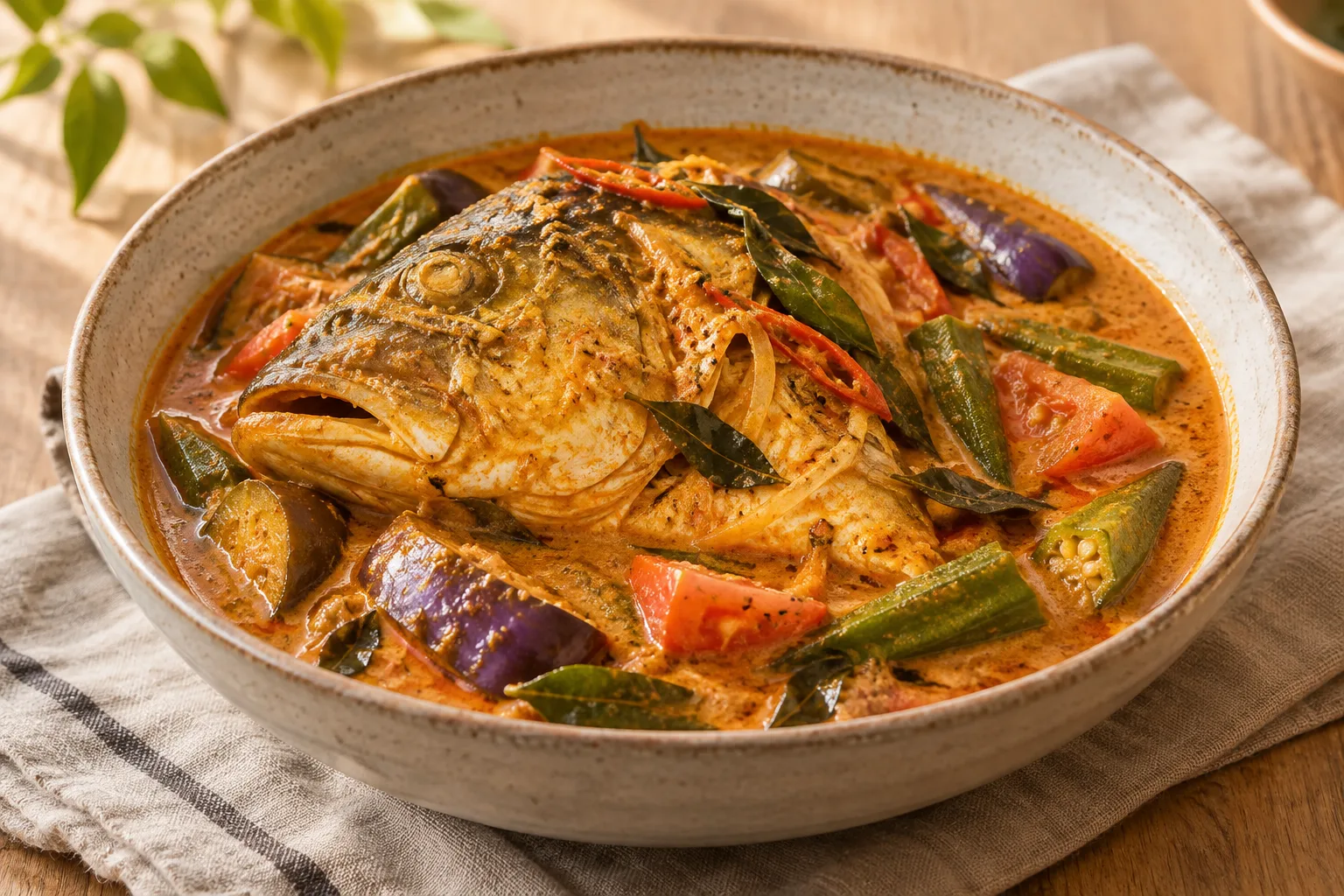
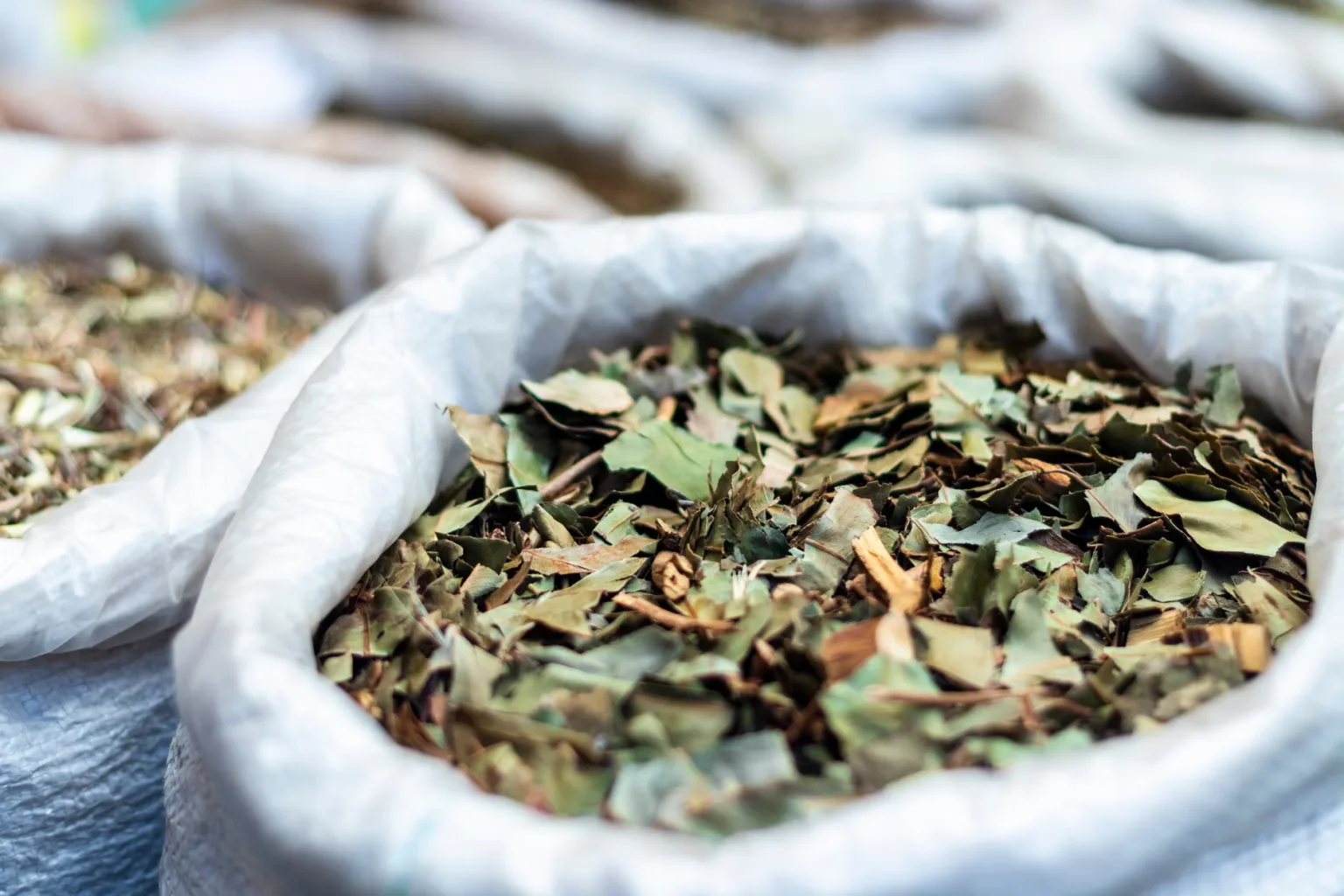
Dried curry leaves are the dehydrated leaves of the curry tree, Murraya koenigii. They are used as an aromatic herb, particularly in dishes associated with South Asian cooking. They are not curry powder: curry powder is a spice blend, whereas curry leaves are a distinct plant ingredient. Drying reduces their fresh character, so their flavor is generally more subdued and earthy than that of fresh leaves. They may be sold whole or broken into pieces; this ingredient profile refers to dried leaves, not a ground spice mixture.
When to use it
Use dried curry leaves when you want to add a herbal aroma to cooked food, such as lentils, chickpeas, potatoes, other vegetables, rice or a sauce. They work in stews and other dishes with liquid, and can also be briefly heated in oil to flavor a dish’s base. They are a practical option when fresh leaves are unavailable, though their aroma is less fresh. Since strength varies by product and storage, start with a moderate amount, taste the dish and adjust as needed.
How to use it
First check that the package contains dried curry leaves, not curry powder, which is a different product. To flavor oil, heat it and add the leaves carefully; let them warm briefly without letting them burn. You can also add them whole or broken to a stew as it cooks, or add them toward the end so their aroma is not fully subdued. Try them in lentils, vegetables, potatoes, rice, or a preparation with coconut or tamarind. For a smooth sauce, remove the leaves before serving; otherwise, they can remain in the dish. Taste and adjust the amount to suit the aroma of your particular product.
Flavour and texture
Dried curry leaves have a herbal, earthy flavor that is less vivid and fresh than that of fresh curry leaves. Heating them in oil or adding them to hot food helps release their aroma. Whole leaves may be noticeable in the finished dish; breaking them up helps distribute their flavor. The exact aroma varies with the product and how it has been stored, so taste it before adding a large quantity.
How to choose it
Choose a package clearly labeled as dried curry leaves. Do not confuse them with curry powder: the names are similar, but curry powder is a spice blend. If you can inspect the product, look for dry, clean-looking leaves without visible moisture or obvious signs of deterioration. A closed package helps protect them. Check the ingredient list too if you want pure leaves or need to avoid added mixtures.
Storage
Store dried curry leaves in an airtight container in a cool, dry, dark place. Keep them away from air, moisture, heat and light, which can affect the color and aroma of dried herbs. Use clean, dry utensils when serving and close the container after each use. Do not use the leaves if they appear damp, moldy or deteriorated.
Substitutions
Fresh curry leaves can be used instead, but the result will not be identical: dried leaves have a less fresh, more earthy aroma. Adjust the amount to taste because strength varies between products. Curry-leaf powder may also work if the label confirms that it is made from curry leaves; do not automatically substitute curry powder, which is a different spice blend.
Common mistakes
Confusing curry leaves with curry powder is a common mistake: they are different ingredients and do not produce the same result. Another pitfall is adding a large amount of dried leaves before tasting, since their strength can vary. Watch them carefully when heating in oil so they do not burn, and store them sealed away from moisture and light.
Safety and allergens
Handle the leaves and utensils with clean hands and on clean surfaces. Keep the product dry and discard it if you see moisture, mold or deterioration. No specific safety warning for dried curry leaves is provided here.
Culinary uses
- Aromatic seasoning for cooked dishes
- Finishing or tempering ingredient for lentils, vegetables and rice
Recommended techniques
- Briefly heat in oil to release aroma
- Add whole or chopped leaves to a simmering dish toward the end of cooking
Pairs well with
- Lentils and chickpeas
- Potatoes and other vegetables
- Rice, tamarind and coconut milk
Frequently asked questions
Are dried curry leaves the same as curry powder?
No. Dried curry leaves are aromatic leaves from the curry tree; curry powder is a blend of spices.
How can I release their aroma?
Heat them briefly in oil or add them to a hot dish while it is cooking.
Can I leave the leaves in the finished dish?
Yes, if you do not mind encountering the leaves while eating; otherwise, remove them for a smoother sauce.
Sources and review
Automatically researched, cross-checked and validated content. Sources consulted:
- ¿Por qué la muerte es origen de miedos y tabúes? doi.org
- Curry - Wikipedia, la enciclopedia libre es.wikipedia.org
- Vamos a Conservar Alimentos: El secado de las plantas medicinales y aromáticas extension.psu.edu
- Herbs - National Center for Home Food Preservation nchfp.uga.edu
- Hojas de curry (¿crudas?, ¿orgánicas?) | Fundación G+E diet-health.info
- Para la ciudadanía aesan.gob.es
- Coriandrum sativum - Wikipedia, la enciclopedia libre es.wikipedia.org
- Hojas de curri: análisis y comparativa de las mejores opciones para cocinar platos asiáticos auténticos sukimotril.es
- Hojas de curry (kadi patta): uso, sabor, sustitutos | Table Indienne table-indienne.fr