- Category
- Fruit
- State
- Dry
- Usual unit
- g
What it is
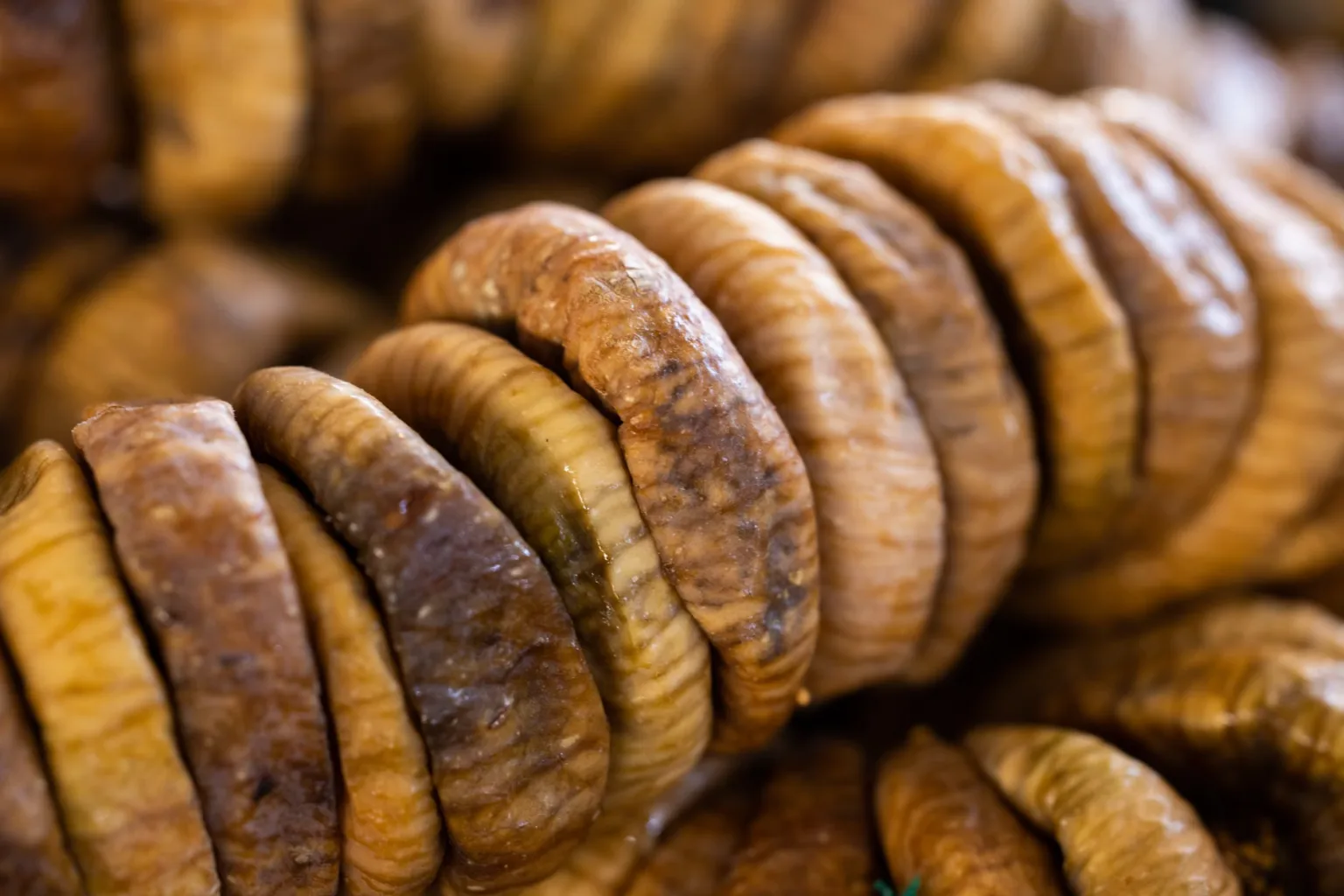
Dried figs are figs from which some water has been removed, leaving a more concentrated and pliable fruit than a fresh fig. They are sold whole and may also be pressed or combined with other ingredients. Their texture can range from soft and tender to firmer, depending on the product. Check the label for processing details rather than assuming every dried fig was prepared in the same way or is raw. Eat them as they are, or chop, mince, purée, or soak them for use in sweet and savory cooking.
When to use it
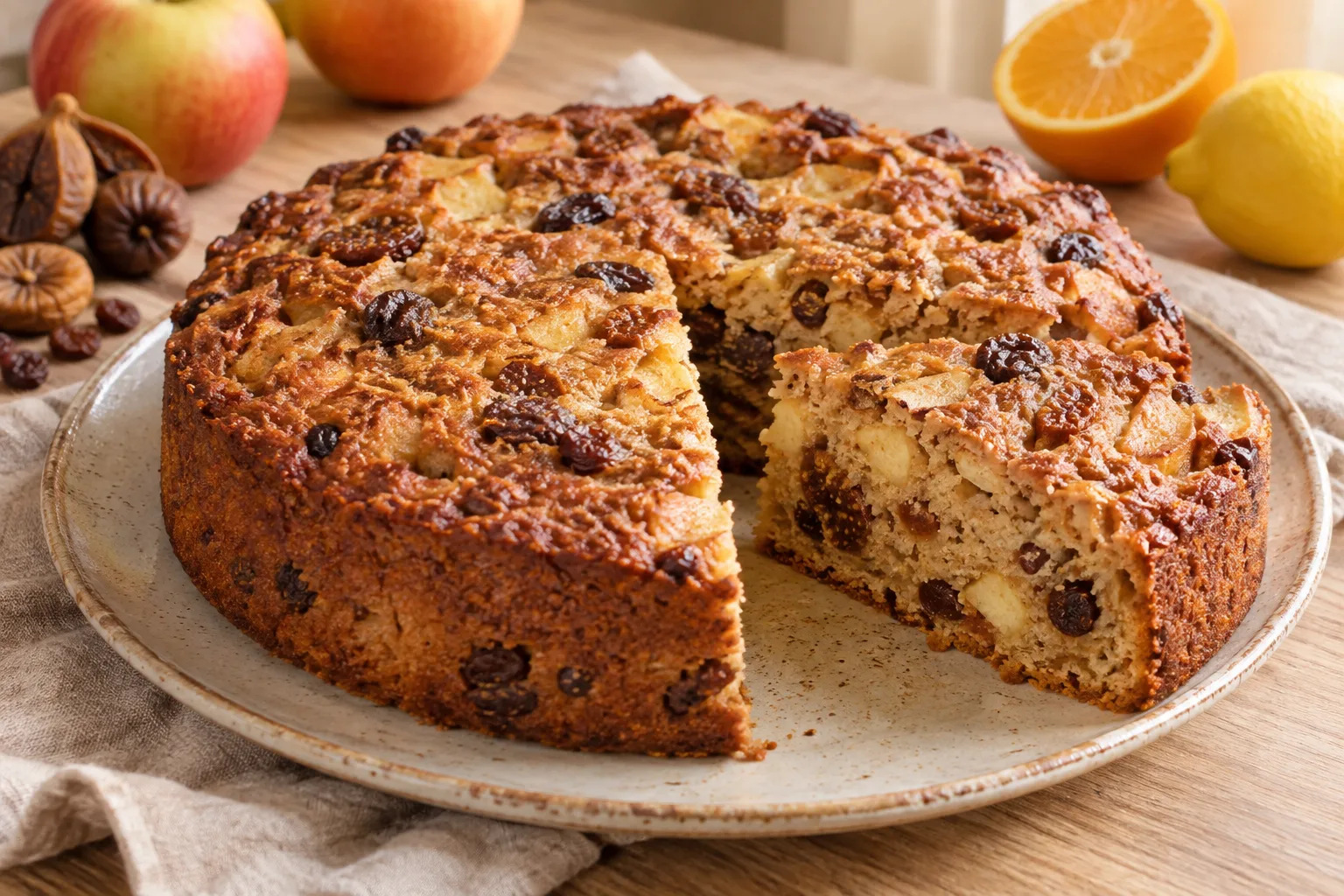
Use dried figs when a recipe would benefit from fruity sweetness and a chewy bite, especially in doughs, cookies, cakes, tarts, or nut mixtures. They can also add contrast to salads and cooked dishes such as soups, stews, and sauces. If the figs are too firm for the texture you want, soak them to soften them before chopping or puréeing. Their sweetness is pronounced, so taste the dish before adding more sweetener.
How to use it
Check the figs and set aside any that do not appear suitable to eat. Cut them with a knife to add pieces to doughs, salads, soups, or stews; mince or purée them for a more even distribution. If they are too firm or dry for your recipe, soak them in water until softer, then drain before using. You can also purée them into a paste for fillings, tarts, or sauces. In savory dishes, begin with a modest amount and adjust the balance by tasting as you cook.
Flavour and texture
Dried figs taste sweet and fruity, with a more concentrated flavor than fresh fruit. Their flesh is usually dense and chewy, although firmness and moisture vary from product to product. Chopping reveals tiny seeds, while soaking can make the fruit softer and easier to purée. Their sweetness works well with nuts and can provide contrast in savory dishes.
How to choose it
Choose an intact package and check its label for ingredients and product-specific directions. Consider whether you want a softer texture for eating or puréeing, or a firmer one for cutting into pieces. Pressed products or mixtures may contain ingredients beyond whole figs, so read the ingredient list if you want fruit alone or need to avoid a particular ingredient.
Storage
Follow the package directions because storage guidance can vary by product. After opening, reseal the package securely or transfer the figs to a clean, closed container to protect them from moisture and food odors. Keep them in a place consistent with the label instructions and inspect them before use; do not eat figs that show signs of spoilage.
Substitutions
Dried dates can replace figs in many sweet recipes, although their flavor and texture differ. Raisins may work in some baked goods or fruit-and-nut mixtures, but their smaller pieces change how the fruit is distributed. Adjust the amount and the recipe’s moisture to suit the result you want.
Common mistakes
Do not add a large quantity without tasting first: concentrated sweetness can overpower a dish. Avoid chopping very firm figs directly when you need an even mixture; softening them first can make the job easier. Do not assume every product has the same texture, ingredients, or processing—check the package.
Safety and allergens
Check the package and the product’s appearance before eating, and follow the storage directions on the label. Do not eat figs that show signs of spoilage.
Culinary uses
- Sweet ingredient for baking and desserts
- Fruit component for salads, soups, stews, and sauces
Recommended techniques
- Chop or mince before mixing into doughs, salads, or cooked dishes
- Soak in water to soften before chopping or puréeing
Pairs well with
- Nuts, including almonds and walnuts
- Cheese or plant-based cream cheese
- Salads, soups, stews, and savory sauces
Frequently asked questions
Do dried figs need to be soaked before use?
Not always. Chop them as they are if they are soft enough; soak them when you need to soften them for puréeing or easier mixing.
What dishes can I make with dried figs?
They work in baking and desserts, and can also be chopped into salads, soups, stews, and sauces.
Can I substitute dried dates for dried figs?
Dried dates can work in many sweet recipes, but the flavor, texture, and sweetness will differ. Adjust the amount as you taste the mixture.
Sources and review
Automatically researched, cross-checked and validated content. Sources consulted:
- Client Challenge doi.org
- Los alimentos como medicina: la dieta antiinflamatoria | Children's Hospital of Philadelphia chop.edu
- Vamos a Conservar Alimentos: La Congelación de Frutas extension.psu.edu
- De compras para la salud: Las frutas1 - Ask IFAS ask.ifas.ufl.edu
- pH Values of Common Foods and Ingredients cottonwood.k-state.edu
- Dieta Baja en Potasio - Health Online healthonline.washington.edu
- Effects of Dry Figs on Primary Dysmenorrhea Symptoms, ... prhsj.rcm.upr.edu
- Higos en cocina: un ingrediente de lujo - Citrifresc citrifresc.es
- Se acerca la Navidad, y los higos secos adquieren un carácter aún más gourmet higoselpajarero.com
- Higos secos (¿crudos?, orgánicos) | Fundación G+E diet-health.info
- Higos de Almoharín higosdealmoharin.com