- Category
- Pulses
- State
- Dry
- Usual unit
- g
What it is
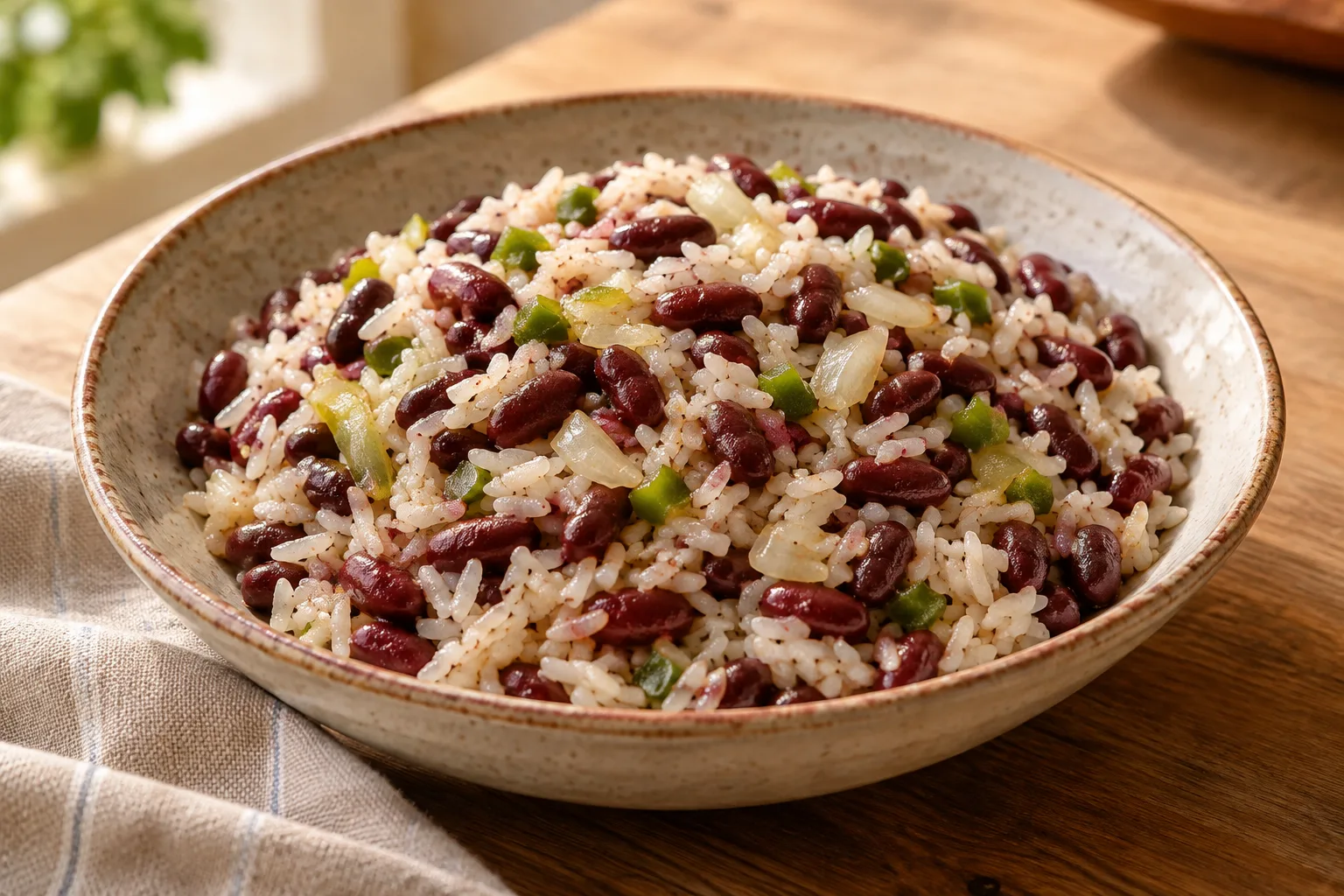
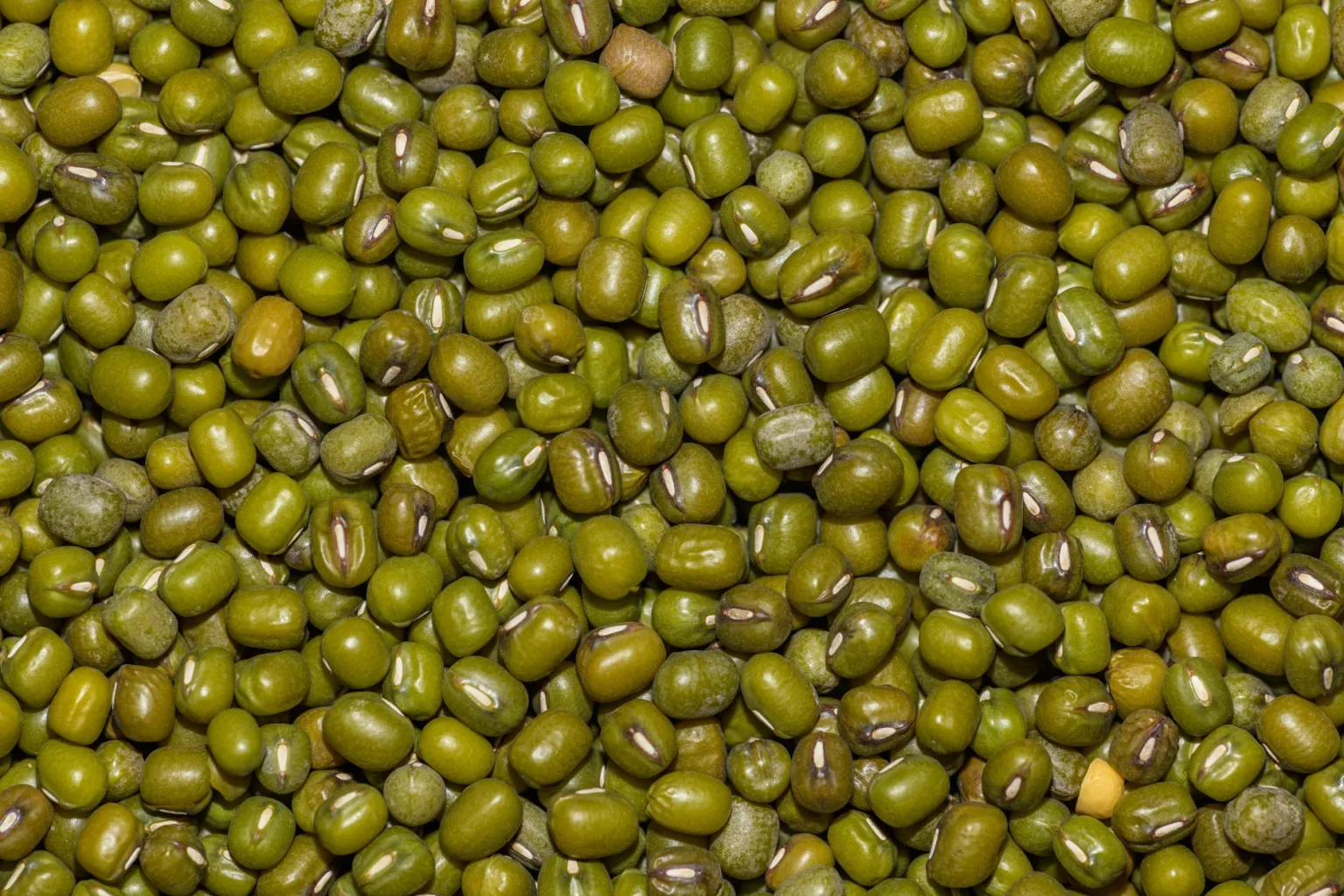
Dried red beans are mature legume seeds sold uncooked and with little moisture. They are often oval or kidney-shaped, with red skins, though size, shade and texture vary by variety. They are not the same as canned red beans: dried beans need preparation and cooking before serving. Once cooked, they can go into soups, chili, stews, rice dishes, salads or mashed preparations. The name “red bean” can refer to more than one variety, so the size and finished texture are not always identical.
When to use it
Use them when you want a legume that holds its shape in a stew, adds substance to soup, or accompanies rice and vegetables. They also work in chili, salads, and mashed or refried preparations. Because they are dried, they require planning: soaking beforehand is common, and cooking time can vary with bean size and age. If you need an ingredient that is ready to add, choose cooked canned beans instead of dried beans.
How to use it
Sort through the beans and remove any that are split or damaged. Rinse them and soak in cold water, for example overnight, before cooking; then discard the soaking water and cook the beans in fresh water until completely tender. Do not taste them raw or undercooked. Cooking time varies with variety, size and condition, so follow the package directions and check their texture as they cook. Once cooked, add them to chili, soups, stews or rice dishes; serve them cold in salads, or mash them for a side. Adjust the seasoning at the end to balance the dish.
Flavour and texture
Cooked red beans have a mild flavor that can be slightly sweet. Their centers become tender and somewhat floury, while the skins usually retain some structure. Variety and cooking affect the result: beans can stay firmer in a salad or soften more during longer cooking. They take on the flavors of stews and seasonings readily, so they work well with aromatic ingredients and sauces.
How to choose it
Look for whole, clean beans without a noticeable number of split ones. If you have a choice, select a pack with good stock turnover: older beans may take longer to cook. Check that the package is sealed and has no visible moisture. Bean size and shade of red vary between varieties, so do not use color alone as a quality indicator.
Storage
Keep dried beans in an airtight container in a cool, dry place away from light. Avoid moisture and heat, which can affect the product. For best quality, use them within the period recommended on the package; suitable storage guidance gives approximately one year as an upper limit. Do not use beans that show moisture, insects or an unusual smell.
Substitutions
Dried black, pinto or white beans can replace red beans in soups, stews and rice dishes. Flavor, skin and texture will differ, and cooking time may change; follow the directions for the variety you choose. Do not replace dried beans with canned beans in the same amount and method without adjusting the recipe, since canned beans are already cooked.
Common mistakes
Do not confuse dried red beans with cooked canned beans: they are not prepared in the same way. Avoid serving beans raw or undercooked, and do not assume every batch will take the same time. Older beans may need longer. Check that they are tender before adding them to a dish, and adjust liquid and seasoning to suit the preparation.
Safety and allergens
Dried beans need cooking before serving. Prepare them according to the package directions and check that they are fully tender; do not rely on a universal cooking time, since products and cooking conditions can vary.
Culinary uses
- Base for soups, stews and chili
- Ingredient for salads, rice dishes and side dishes
- Plant-based component in vegetarian meals
Recommended techniques
- Soaking in cold water before cooking
- Simmering until fully tender
- Mashing or refrying cooked beans
Pairs well with
- Rice
- Tomato, onion and pepper
- Garlic, herbs and spices
Frequently asked questions
Do dried red beans need soaking?
Soaking in cold water, often overnight, is a common preparation. After soaking, cook them thoroughly in fresh water and follow the package directions.
Can red beans be served cold?
Yes. Once fully cooked, they can be served cold, for example in salads.
How should dried red beans be stored?
Keep them in an airtight container in a cool, dry place away from light. Follow the date or quality period on the package.
Estimated nutrition
- Fat
- 3 g
- Saturates
- 0.45 g
- Carbohydrate
- 68.7 g
- Sugars
- 40.8 g
- Fibre
- 21.3 g
- Protein
- 17.9 g
- Salt
- 0.48 g
Sources and review
Automatically researched, cross-checked and validated content. Sources consulted:
- Client Challenge doi.org
- Los alimentos como medicina: la dieta antiinflamatoria | Children's Hospital of Philadelphia chop.edu
- UCCE efforts improve quality of and demand for fresh ... ucanr.edu
- La diabetes y la alimentación: Cómo planificar y cocinar comidas sabrosas y saludables | CAES Field Report fieldreport.caes.uga.edu
- Food & Nutrition | Colorado State University Extension foodsmartcolorado.colostate.edu
- Transnational identity, food and community dr.lib.iastate.edu
- Vamos a Conservar Alimentos: Sopas extension.psu.edu
- El frijol rojo | La Fundación Louis Bonduelle fondation-louisbonduelle.org
- ¿Qué son los frijoles? Descubre tipos y variedades-Blog goya.es
- Los fríjoles, imprescindibles en la comida latinoamericana | Distribuidora Latinoandina distribuidoralatinoandina.com
- Frijoles Rojos | Cook for Your Life cookforyourlife.org
- Frijoles rojos: características y cómo | Recetas.com recetas.com
- Coastal small farms resources | Servicio de Extensión de OSU extension.oregonstate.edu
- - YouTube youtube.com