- Category
- Sauces and condiments
- State
- Paste
- Usual unit
- g
What it is
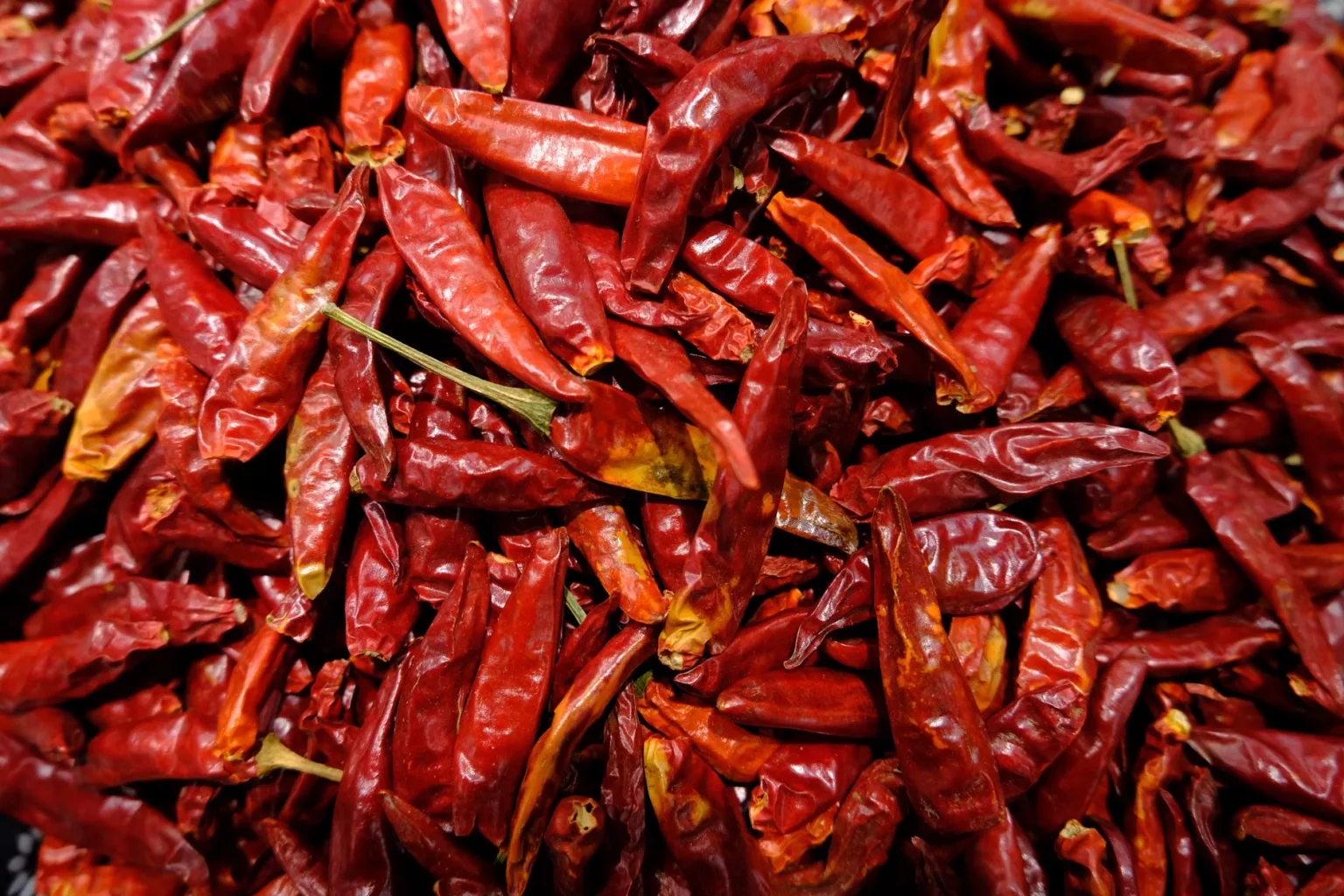
This is a thick chili paste intended mainly as a cooking ingredient. Its name describes it as a paste made with dried red cubanelle peppers, but the available information does not establish one standard recipe or confirm whether other ingredients are included. Chili pastes may contain crushed chiles alone or also oil, salt, or other components. Their heat depends on the chile used and whether seeds and membranes are retained. Treat individual products as variable, and check the label rather than assuming every dried red cubanelle paste has the same flavor, strength, or ingredients.
When to use it
Use it when you want concentrated chile flavor in a cooked dish such as a stew or stir-fry. It can be added early so it blends with the other ingredients, but start with a small amount because heat can vary between products and formulations. It can also add character to a sauce if mixed in thoroughly and adjusted to taste. Do not expect it to be an exact substitute for a fresh pepper: a paste has a different texture and concentration, and dried chiles can contribute different notes from fresh ones.
How to use it
Read the label and begin with a small portion, especially if you do not know how hot the paste is. For a stir-fry or stew, add it to the cooking mixture and briefly fry it before adding other ingredients, taking care not to scorch it. Stir to distribute it; if it remains concentrated in one spot, mix it with the dish’s liquids or other components. Taste, then add more gradually only if needed. Heating chili paste can create irritating vapors: avoid leaning over the pan and keep the area ventilated. Do not assume the paste contains only chiles; check the ingredient list and storage directions on the package.
Flavour and texture
It has a thick, paste-like texture that can be mixed into stews, stir-fries, and sauces. The precise flavor, heat, and any fruity or sweet notes cannot be assumed to be the same across products: they depend on the chile and the formulation. The amount of seeds and membranes may also affect intensity. Taste a small amount before seasoning an entire dish.
How to choose it
Check that the package identifies the product, and read its ingredient list, any stated heat guidance, and storage directions. Pastes can vary in ingredients and intensity, so do not infer their composition from the name alone. Choose an intact package and follow the date and directions printed by the maker.
Storage
There is no single storage life that applies to every chili paste; ingredients and packaging can differ. Follow the package directions, including any instruction to refrigerate after opening. Keep the container closed and use a clean utensil when serving; do not eat the product if its package or contents show unusual signs.
Substitutions
Another red chili paste can work as a substitute, but adjust the quantity because its heat and ingredients may differ. Rehydrated, crushed dried chiles may also suit some dishes, although they can change the texture and possibly the flavor. Add any substitute gradually and taste as you go.
Common mistakes
Adding a large amount before checking the heat can overwhelm a dish. Avoid scorching the paste when frying it, since that can make the flavor unpleasant. Do not assume all pastes are alike or that paste directly replaces a fresh pepper; check the label and adjust the amount and liquids in the recipe.
Safety and allergens
Heating chili paste can release vapors that may cause coughing or discomfort. Avoid breathing them in directly, keep your face away from the pan, and ventilate the area. Follow the package’s handling and storage directions.
Culinary uses
- Base de sabor para guisos y salteados
- Condimento concentrado para añadir picor y sabor a chile
Recommended techniques
- Incorporar en poca cantidad y sofreír brevemente antes de añadir otros ingredientes
- Mezclar bien con los líquidos o ingredientes del plato para repartirla
Pairs well with
- Guisos y preparaciones salteadas
- Salsas y platos con otros ingredientes de sabor suave
Frequently asked questions
How hot is dried red cubanelle pepper paste?
There is no single heat level: it varies with the product and its formulation. Taste a small amount first and add more gradually.
Can I add it directly to a stew?
Yes. Stir it into the dish during cooking; for a stir-fry, you can briefly fry it before adding other ingredients.
How should I store it after opening?
Follow the specific package directions. Storage can depend on the formulation and packaging, so no universal time can be given here.
Estimated nutrition
- Fat
- 3 g
- Saturates
- 0.45 g
- Carbohydrate
- 68.7 g
- Sugars
- 40.8 g
- Fibre
- 21.3 g
- Protein
- 17.9 g
- Salt
- 0.48 g
Sources and review
Automatically researched, cross-checked and validated content. Sources consulted:
- ¿Por qué la muerte es origen de miedos y tabúes? doi.org
- Tipos de Chiles Secos Mexicanos: Características y Usos abarrotes.es
- Universidad de Chile doi.org
- Tipos de chile: cuáles son y cómo usar cada uno sin cocinar a ciegas abc.es
- Pasta de chiles | www.cocinista.es cocinista.es
- Pasta de chile potenciadora (Kickstarter chilli paste) - Annabel Langbein - Receta - Canal Cocina canalcocina.es