- Category
- Herbs and spices
- State
- Fresh
- Usual unit
- unit
What it is
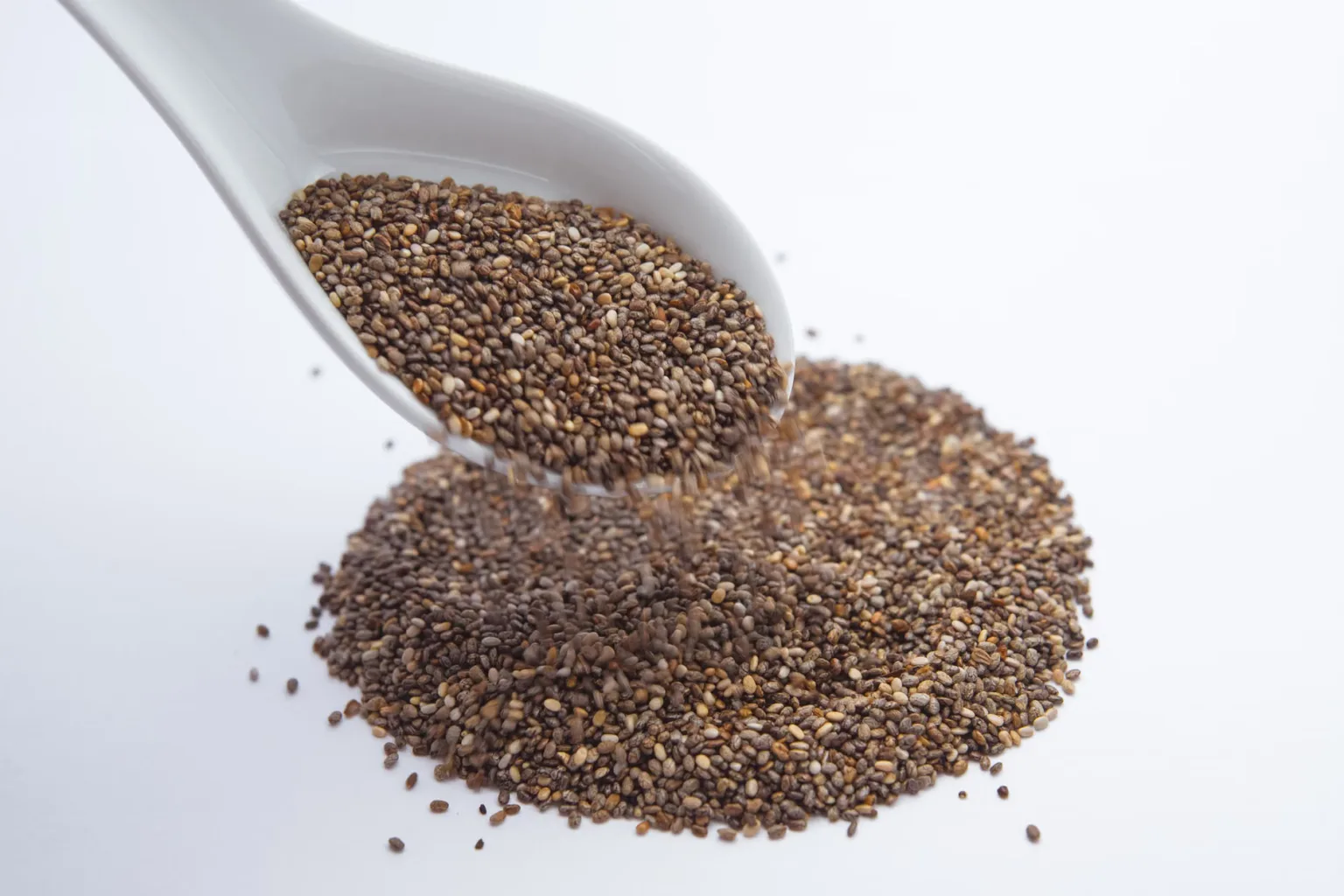
Ehu seeds are presented here under the ingredient name supplied, but the available material does not provide a botanical identification, sensory description, or account of how they are sold. It therefore cannot establish which plant they come from, whether they are sold fresh or dry, or what they taste like. General sources about seeds discuss culinary uses of other seeds; they do not demonstrate that those practices apply to ehu. Before cooking, check that the package clearly identifies the product as food and follow the supplier’s directions. This profile is not a substitute for reliable identification of the product.
When to use it
There is not enough ehu-specific evidence to recommend these seeds for a particular recipe or to assign them a flavor profile. If you have a clearly labeled food product, you can cautiously explore it as you would a new ingredient: start with a small amount and assess the result in a simple preparation. General sources show that some seeds are used in breads, vegetable creams, salads, and other dishes, but those examples do not establish that ehu pairs with them. Do not choose ehu as a replacement for another spice when flavor matters.
How to use it
The available evidence gives no method for preparing ehu seeds specifically. First verify the product name and check the package or supplier instructions; do not assume that it can be eaten raw, soaked, toasted, boiled, or ground. As general reference, sources describe these techniques for certain seeds and mention uses in dishes such as bread, salads, and vegetable creams, but do not confirm that they suit ehu. If the product is identified as food and its directions permit cooking, test a small amount in a simple preparation, keep the other ingredients familiar, and adjust only after tasting. Do not present this trial as a traditional or validated ehu preparation.
Flavour and texture
The provided sources do not describe the flavor, aroma, or texture of ehu seeds. It is not possible to attribute sweet, hot, anise-like, earthy, or nutty notes to them. Characteristics of other seeds should not be transferred to this ingredient. Assess the product only after confirming it is intended for food use and following the supplier’s directions.
How to choose it
The evidence does not establish quality criteria, appearance, size, or origin for buying ehu. Look for packaging that clearly names the product and identifies it as food; ask the seller if its identity or directions are unclear. Do not use an unlabeled bag or assume that another seed-like product is ehu. The available sources do not support a recommendation for a particular variety or form.
Storage
The available sources do not say how to store ehu seeds, what packaging is suitable, or how long they keep. Follow the manufacturer’s or seller’s directions, and do not assign a shelf life by analogy with other seeds. If the package gives no guidance or the product identity is unclear, ask the supplier before storing or consuming it.
Substitutions
The available sources support no replacement for ehu, and its flavor profile is unknown, so a flavor equivalent cannot be selected. Other edible seeds may add texture to some recipes, but they are not proven flavor substitutes. If you only need texture, test a familiar alternative in a small amount and do not describe it as equivalent to ehu.
Common mistakes
The main mistake would be treating a use documented for other seeds as confirmed for ehu. Do not assign ehu a flavor, preparation technique, season, or storage method without reliable information. Do not assume it can be eaten raw or exchanged for another spice. Check the product identity and food-use directions first.
Safety and allergens
The available evidence identifies no specific hazard associated with ehu. Use only a product clearly identified as food and follow its package or supplier directions; ask for clarification if its identity or intended use is uncertain.
Culinary uses
- Posible condimento; el papel específico de ehu no está documentado.
- Posible aporte de textura como aplicación general de algunas semillas, no confirmada para ehu.
Recommended techniques
- Consultar las instrucciones del producto antes de prepararlo; no hay técnicas específicas de ehu confirmadas.
- Como referencia general para algunas semillas, las fuentes mencionan tostado, asado, hervido, hidratación y molienda; no validan estas técnicas para ehu.
Pairs well with
- Panes y cremas de verduras son ejemplos generales para algunas semillas, no combinaciones verificadas con ehu.
- Ensaladas, verduras salteadas, pasta y arroz son otros ejemplos generales; el sabor de ehu no está establecido.
Frequently asked questions
What do ehu seeds taste like?
The supplied sources do not describe their flavor or support a comparison with other spices.
Can ehu seeds be eaten raw, or must they be cooked?
This is not established for ehu. Follow the product directions; general information about other seeds does not confirm that ehu is suitable to eat raw or requires cooking.
What can I use instead of ehu seeds?
No flavor substitute is validated. Another seed might provide texture, but it has not been shown to be equivalent.
Sources and review
Automatically researched, cross-checked and validated content. Sources consulted:
- ¿Por qué la muerte es origen de miedos y tabúes? doi.org
- Usos de las semillas en la cocina | ITAC Profesional itac-professional.com
- Aplicaciones de la Biotecnología en Seguridad Alimentaria aesan.gob.es
- Semillas comestibles - Wikipedia, la enciclopedia libre es.wikipedia.org
- Conservation Farming in Zambia - AgEcon Search ageconsearch.umn.edu
- La investigación de la comunicación gastronómica en España digital.sandiego.edu
- Checking your browser scholarspace.manoa.hawaii.edu
- Pro-vegetarian food patterns and cardiometabolic risk in ... diposit.ub.edu
- Ultra-processed foods consumption as a promoting factor of ... dadun.unav.edu
- Spatial dynamics and mixing of bluefin tuna in the Atlantic Ocean and Mediterranean Sea revealed using nextâgeneration sequencing tamug.edu
- Las semillas en la alimentación - Ybarra en tu cocina ybarraentucocina.com
- - YouTube youtube.com
- Semillas de Eneldo: El Tesoro Aromático de la Gastronomía Mundial. - Sabores para transformar tu cocina. abelion.ar