- Category
- Vegetables
- State
- Fresh
- Usual unit
- unit
What it is
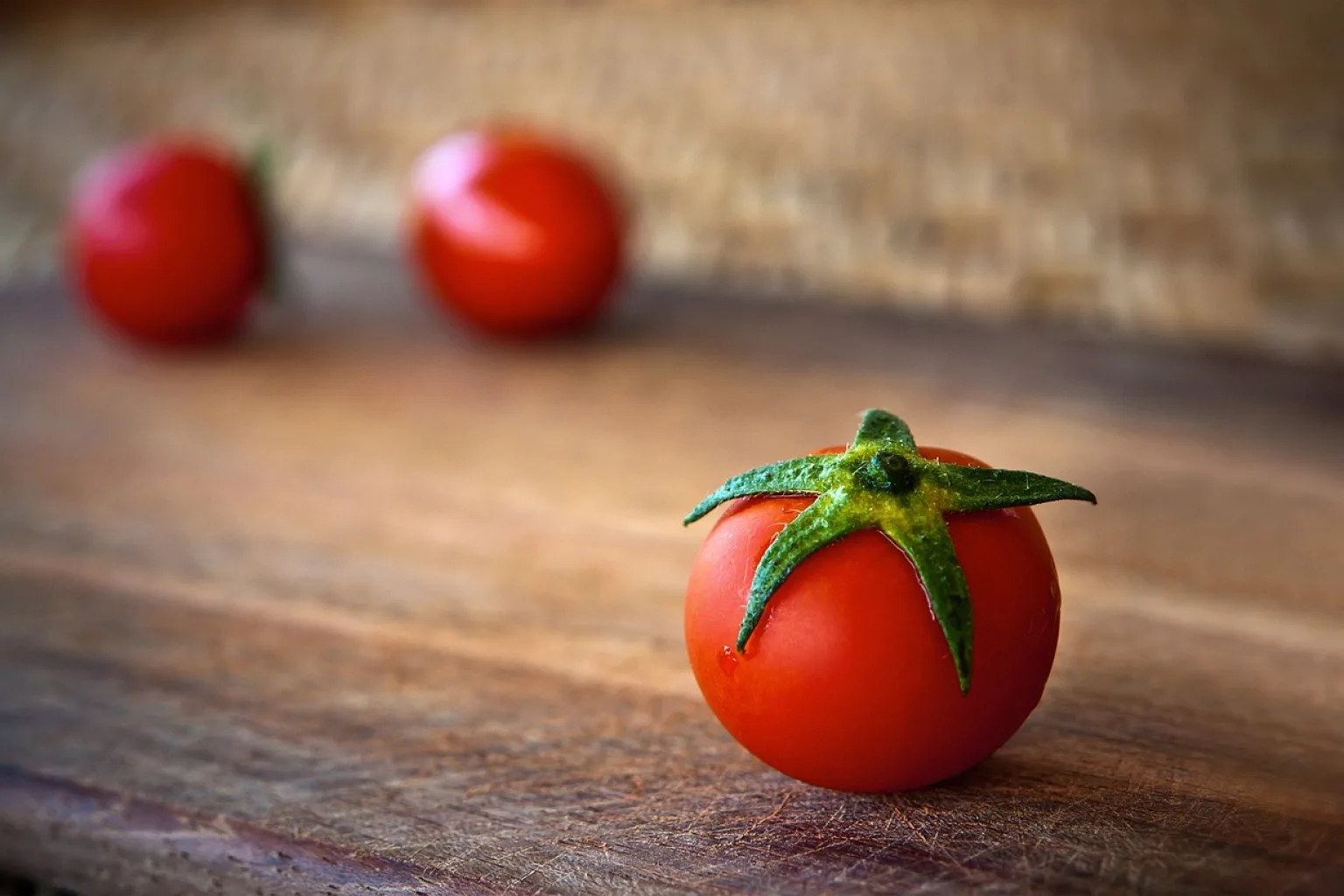
A firm tomato is a fresh tomato whose flesh holds enough structure to be sliced or cut into pieces without quickly collapsing. Firmness describes its condition and how it handles; it does not identify a particular variety or guarantee a specific flavor. Tomatoes vary in shape, size, flesh, and ripeness, so choose one with the intended use in mind. A firm tomato can be useful when you want recognizable pieces in a salad or a stuffed preparation. Firmness can change as the fruit ripens or is stored. If a tomato is frozen and thawed, it becomes soft, so it is then better suited to cooked dishes than to preparations where a fresh, defined texture matters.
When to use it
Choose a firm tomato when you want slices, cubes, or pieces that keep their shape during preparation and serving. It is a convenient option for salads and stuffed tomato recipes, and it can also be roasted or added to sauces and stews. Firmness is not the only consideration: select a tomato suited to the recipe, since varieties differ in flesh and texture. A frozen tomato can be used in a cooked sauce, but it will be softer after thawing. For a raw dish where appearance and texture matter, use a fresh tomato and save thawed tomato for cooking.
How to use it
Before cutting, rinse the tomato under cold running water and dry it with a clean cloth or paper towel. Remove the stem scar if needed, then use a clean knife to cut it into slices, wedges, or cubes for the recipe. For a salad, serve it in pieces and season as desired; it can also be combined with cucumber, pepper, or garlic in a cold preparation. To stuff it, cut an opening and remove some of the inside as the recipe requires, keeping enough flesh and wall for the tomato to hold its shape. You can also roast it or cook it in a sauce, soup, or stew. Tomatoes can be frozen whole, sliced, chopped, or puréed; once thawed, use them mainly in cooked dishes because their texture becomes soft.
Flavour and texture
Flavor and texture depend on variety and ripeness, so firm tomatoes do not all have one fixed flavor profile. Their practical feature is flesh that offers resistance when cut and helps slices or pieces stay distinct. Freezing and thawing make tomatoes soft, which makes them more suitable for soups, sauces, and stews than for serving raw in firm pieces.
How to choose it
Choose firm tomatoes without spoiled areas, keeping your planned recipe in mind. Firmness can make a tomato easier to cut, but it does not by itself establish variety, flavor, or ripeness. If you need tomatoes for salad, stuffing, or sauce, remember that varieties differ in texture and are not all equally suited to every use. Handle them gently and set aside any damaged fruit before storing or cooking.
Storage
Handle fresh tomatoes gently. Avoid refrigerating tomatoes that still need to ripen, because refrigerator temperatures hinder ripening; refrigerate only tomatoes that are already ripe. To freeze tomatoes, leave them whole, slice or chop them, or purée them. Choose firm, ripe fruit, wash and dry it first, and remove the stem scar. Thawed tomatoes become soft, so save them for cooked recipes.
Substitutions
If you do not have a firm tomato, another fresh tomato variety can work; adapt the cut to its texture. For a cooked preparation, frozen tomato is another option, bearing in mind that it softens after thawing. It is not an equal replacement in a salad or stuffed dish where defined shape and firmness matter, so adjust the recipe to the tomato you have.
Common mistakes
Do not assume every tomato has the same texture or suits every recipe. Avoid using thawed frozen tomato in a raw dish that needs firm pieces: it will be soft. Do not refrigerate a tomato that still needs to ripen, because cold temperatures hinder ripening. Set spoiled tomatoes aside rather than mixing them with sound fruit.
Safety and allergens
Wash tomatoes before cutting and use clean utensils. Discard spoiled pieces and follow current official guidance for fresh-produce hygiene and storage.
Culinary uses
- Fresh salad ingredient
- Ingredient for stuffed tomatoes
- Ingredient for sauces, soups, and stews
Recommended techniques
- Slice or chop for fresh preparations
- Roast, simmer, or stew
- Freeze whole, sliced, chopped, or puréed for later use in cooked recipes
Pairs well with
- Olive oil
- Salt
- Cucumber, pepper, and garlic
- Bread
Frequently asked questions
What does “firm tomato” mean?
It describes flesh that resists cutting and helps slices or pieces keep their shape. It does not name a specific variety or a single flavor.
Can you freeze a firm tomato?
Yes. Freeze it whole, sliced, chopped, or puréed. It becomes soft when thawed, so use it in soups, sauces, or stews.
Should tomatoes be refrigerated before they ripen?
No. Refrigerator temperatures hinder ripening. Refrigerate tomatoes only once they are ripe.
Sources and review
Automatically researched, cross-checked and validated content. Sources consulted:
- ¿Por qué la muerte es origen de miedos y tabúes? doi.org
- Client Challenge doi.org
- Gastronomía de Costa Rica - Wikipedia, la enciclopedia libre es.wikipedia.org
- Agencia Española de Seguridad Alimentaria y Nutrición aesan.gob.es
- Gazpacho - Wikipedia, la enciclopedia libre es.wikipedia.org
- Para la ciudadanía aesan.gob.es
- How to Freeze Tomatoes | UNL Food | Nebraska food.unl.edu
- How to Preserve Tomatoes | USU extension.usu.edu
- Tomate de verano, guía de tipos y recetas - Mercado de Chamartín google.com
- Instagram google.com