- Category
- Herbs and spices
- State
- Powdered
- Usual unit
- teaspoon
What it is
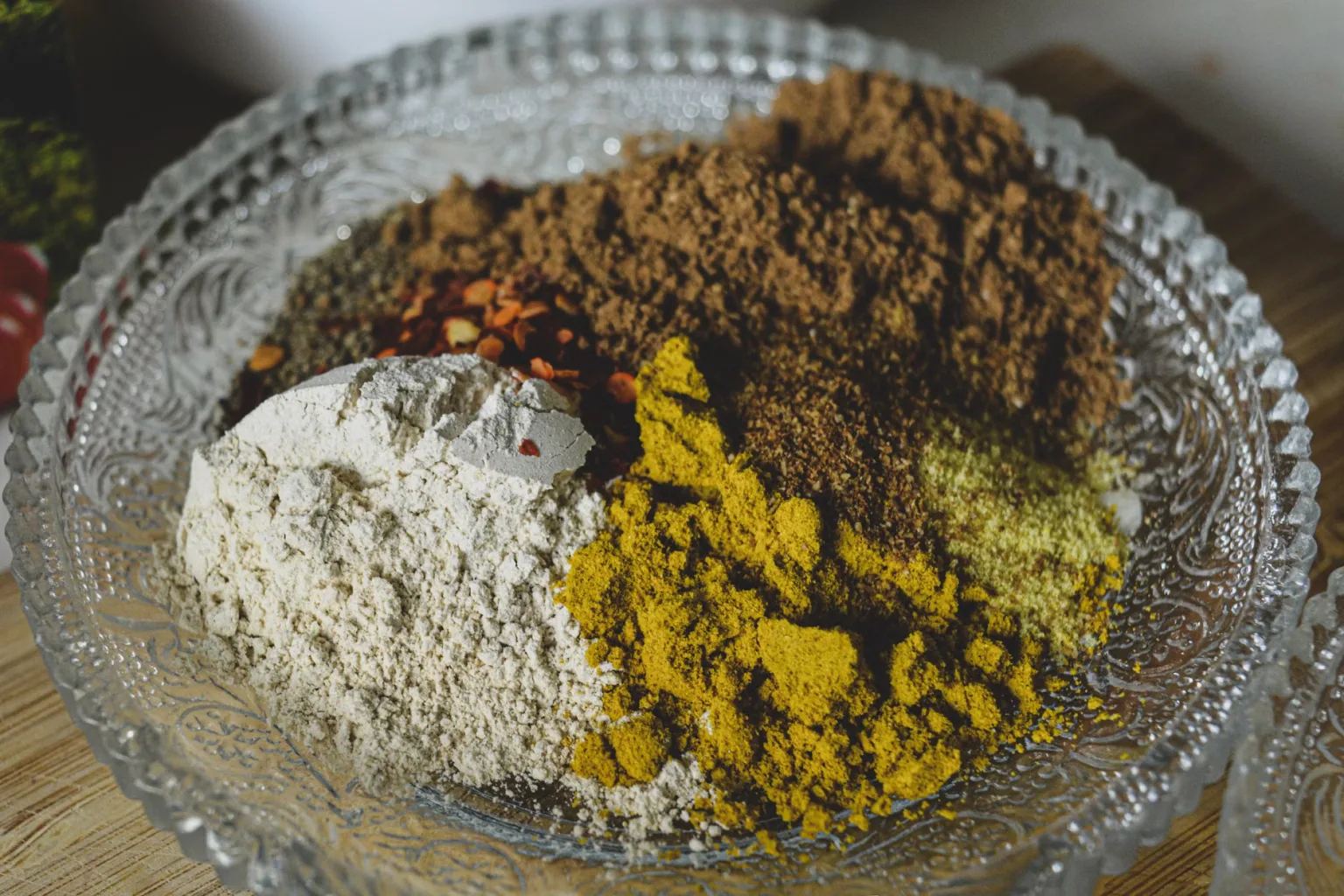
Five-spice powder is a ground seasoning blend, not a single fixed recipe. A traditional combination commonly includes star anise, cinnamon or cassia, cloves, fennel seeds and Sichuan pepper. Proportions can differ by region, household or maker, and some products include other spices. As a result, the aroma, color and balance of sweet, warm, citrusy or more intense notes can vary from one blend to another. It is sold ready to use and can also be made by grinding spices together. Check the ingredient list rather than assuming every product contains the same five ingredients.
When to use it
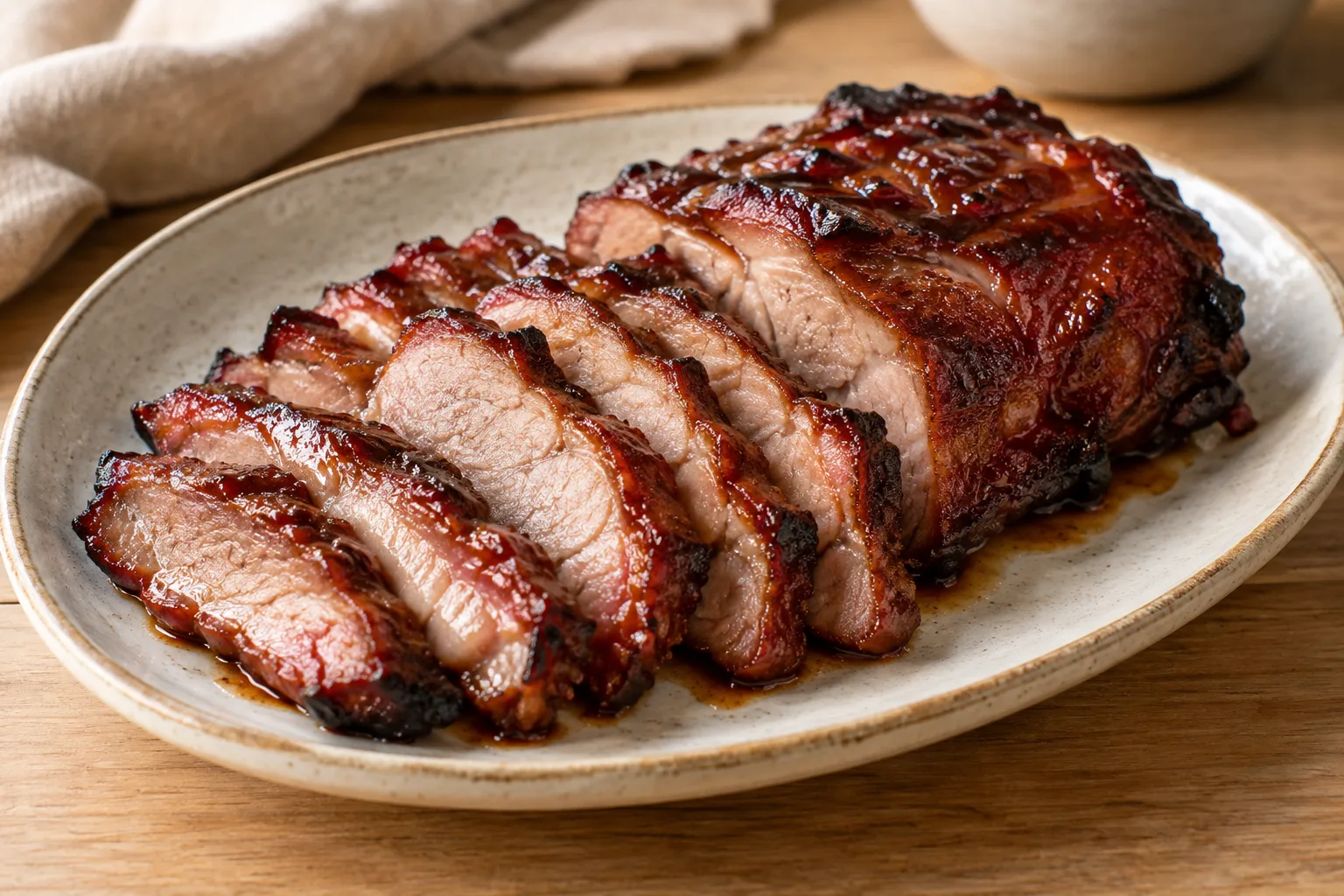
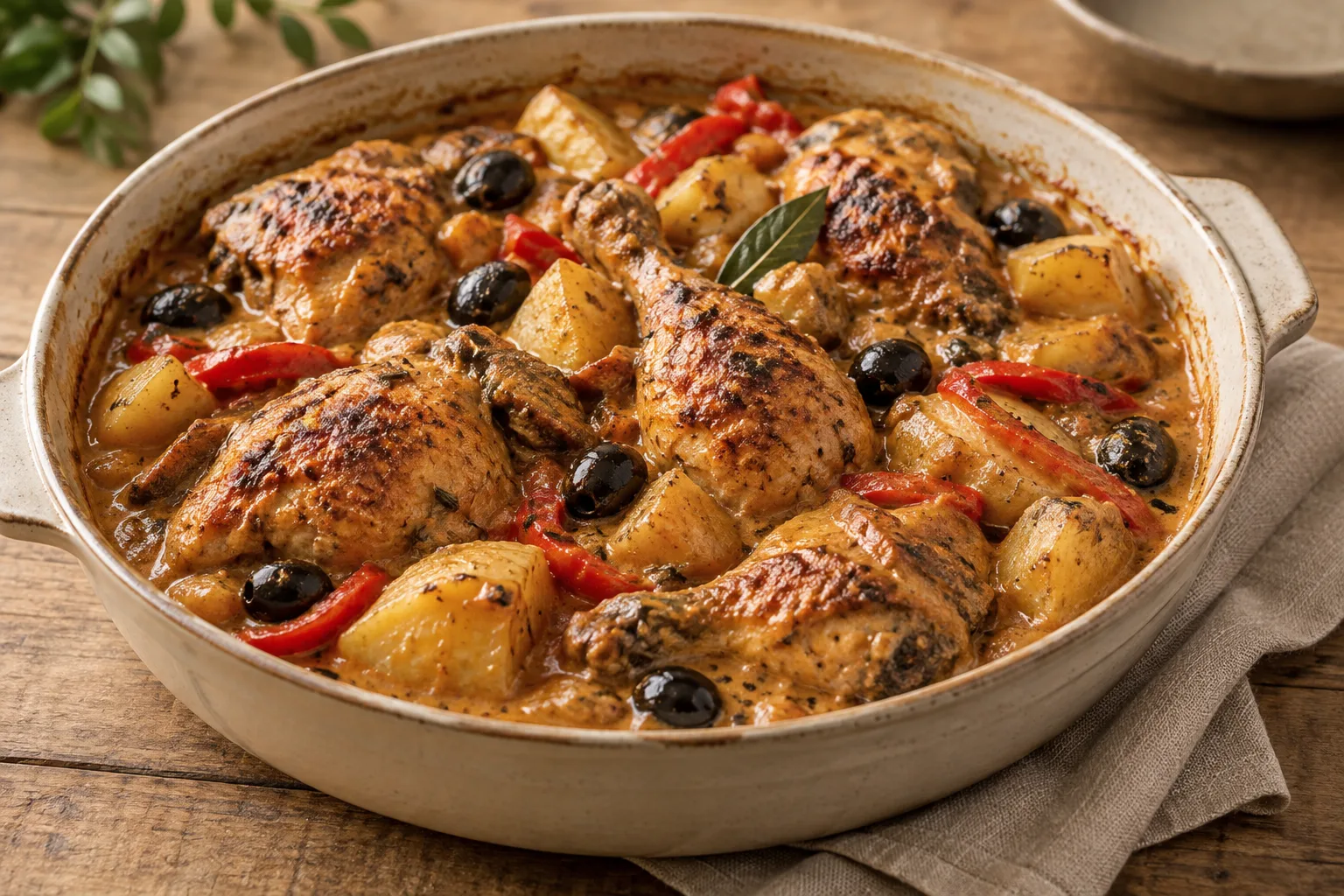
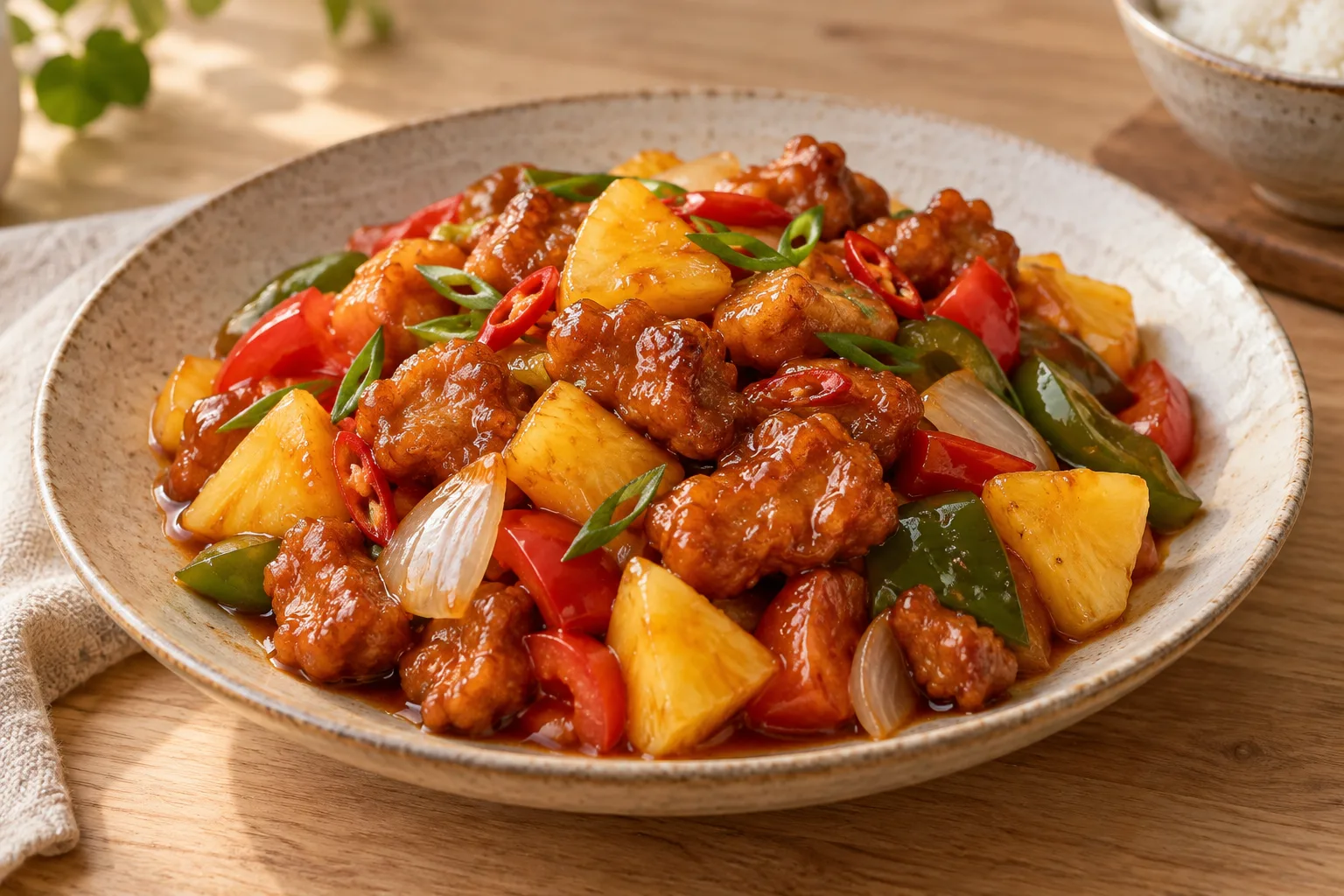
Use it when you want to add a warm, aromatic note to a marinade, seasoning or meat dish, especially pork, duck, chicken or beef. It can also add depth to tofu and stir-fried vegetables, or fragrance to selected sweet dishes such as apple cakes and spiced cookies. Since the blend can be assertive and its ingredients vary, start with a small amount, taste the dish and adjust. It works best when anise-like and warm spice notes suit the other flavors, rather than when a neutral seasoning is needed.
How to use it
Begin with a small amount and mix it thoroughly into the other ingredients instead of sprinkling a heavy layer over a finished dish. For a marinade, blend the powder with the other seasonings and distribute it evenly over the food; it can also be stirred into a sauce, stew or stir-fry. Use it as part of a seasoning for meat and poultry, or add a pinch to tofu and vegetables so their flavors remain clear. For sweet recipes, try a modest amount in a batter or spice mixture. Products differ, so check the label and adjust to the blend's flavor. If making a blend at home, the spices can be lightly toasted, cooled and ground; take care not to scorch them.
Flavour and texture
The blend is a dry, finely ground powder, usually fragrant, with notes that may suggest anise, cinnamon and other warm spices. Sichuan pepper can add a citrusy character and a distinctive tingling sensation. The balance and intensity depend on the ingredients and their proportions; some blends taste sweeter, more sour, more bitter or stronger than others.
How to choose it
Check the ingredient list because formulas and proportions are not identical across products. Star anise, cinnamon or cassia, cloves, fennel seeds and Sichuan pepper are a traditional combination, but variations exist. Choose a well-sealed package and read its label to identify the actual ingredients, particularly if you need to avoid a particular one.
Storage
Keep the powder in a tightly closed container in a cool, dry place away from direct light. Exposure to air and moisture can diminish its aroma and may cause clumping. Commercial and homemade blends can differ, so retain the package information and follow its storage instructions and date guidance.
Substitutions
To approximate a traditional blend, combine star anise, cinnamon, cloves, fennel seeds and Sichuan pepper, adjusting the amounts to taste. A different commercial blend can also work, but check its ingredients: a change in the spices changes the aroma and intensity. Add a substitute gradually and taste before adjusting the rest of the dish.
Common mistakes
Adding too much at once can let the strong aroma overpower the other ingredients. It is also a mistake to assume that all blends taste alike or contain exactly the same components. Start with a little, check the ingredient list and adjust after tasting. If toasting spices before grinding, watch them closely so they do not scorch.
Safety and allergens
Check the label for the ingredients in your product and use clean, dry utensils. The available information does not identify a specific safety warning for this blend.
Culinary uses
- Seasoning for marinades and rubs
- Aromatic flavoring for savory dishes
- Warm spice accent for selected baked goods
Recommended techniques
- Stir into a marinade or sauce
- Use sparingly as a dry seasoning
- Blend with other seasonings
Pairs well with
- Pork and duck
- Chicken and beef
- Tofu and stir-fried vegetables
- Apple-based baking
Frequently asked questions
What spices are usually in five-spice powder?
A traditional combination includes star anise, cinnamon or cassia, cloves, fennel seeds and Sichuan pepper, but recipes and products can vary.
What foods pair well with it?
It is used in marinades and dishes with pork, duck, chicken or beef, and can also season tofu, stir-fried vegetables and selected sweet bakes.
Can I replace Sichuan pepper?
Pink peppercorn is mentioned as a milder alternative, but it does not reproduce the distinctive citrusy character and tingling effect of Sichuan pepper.
Estimated nutrition
- Fat
- 0 g
- Saturates
- 0 g
- Carbohydrate
- 0 g
- Sugars
- 0 g
- Protein
- 0 g
- Salt
- 0 g
Sources and review
Automatically researched, cross-checked and validated content. Sources consulted:
- ¿Por qué la muerte es origen de miedos y tabúes? doi.org
- The Essential Glossary of Cooking Terms for the Culinary Arts - Escoffier escoffier.edu
- Nutrition After Your Transplant - Health Online healthonline.washington.edu
- Gastronomy Blog | Page 23 sites.bu.edu
- USDA FoodData Central libguides.marist.edu
- La diabetes y la alimentación: Cómo planificar y cocinar comidas sabrosas y saludables | CAES Field Report fieldreport.caes.uga.edu
- Do-it-Yourself Mixes ucanr.edu
- 5 especias chinas usos: conoce ingredientes y aplicaciones munozypujante.com
- ¿Qué es el polvo de cinco especias chinas? - Restaurante Chino Gran Muralla - Albacete restaurante-chino-granmuralla.com
- Polvo de cinco especias chinas, cómo hacerlo en casa paso a paso bonviveur.com
- Making cured bacon at home | Servicio de Extensión de OSU extension.oregonstate.edu
- De Compras para la salud: Comidas para una persona ask.ifas.ufl.edu
- Para la ciudadanía aesan.gob.es
- 5 especias chinas: ¿Cómo prepararlo? - LaParadadelasEspecias comprarespecias.net