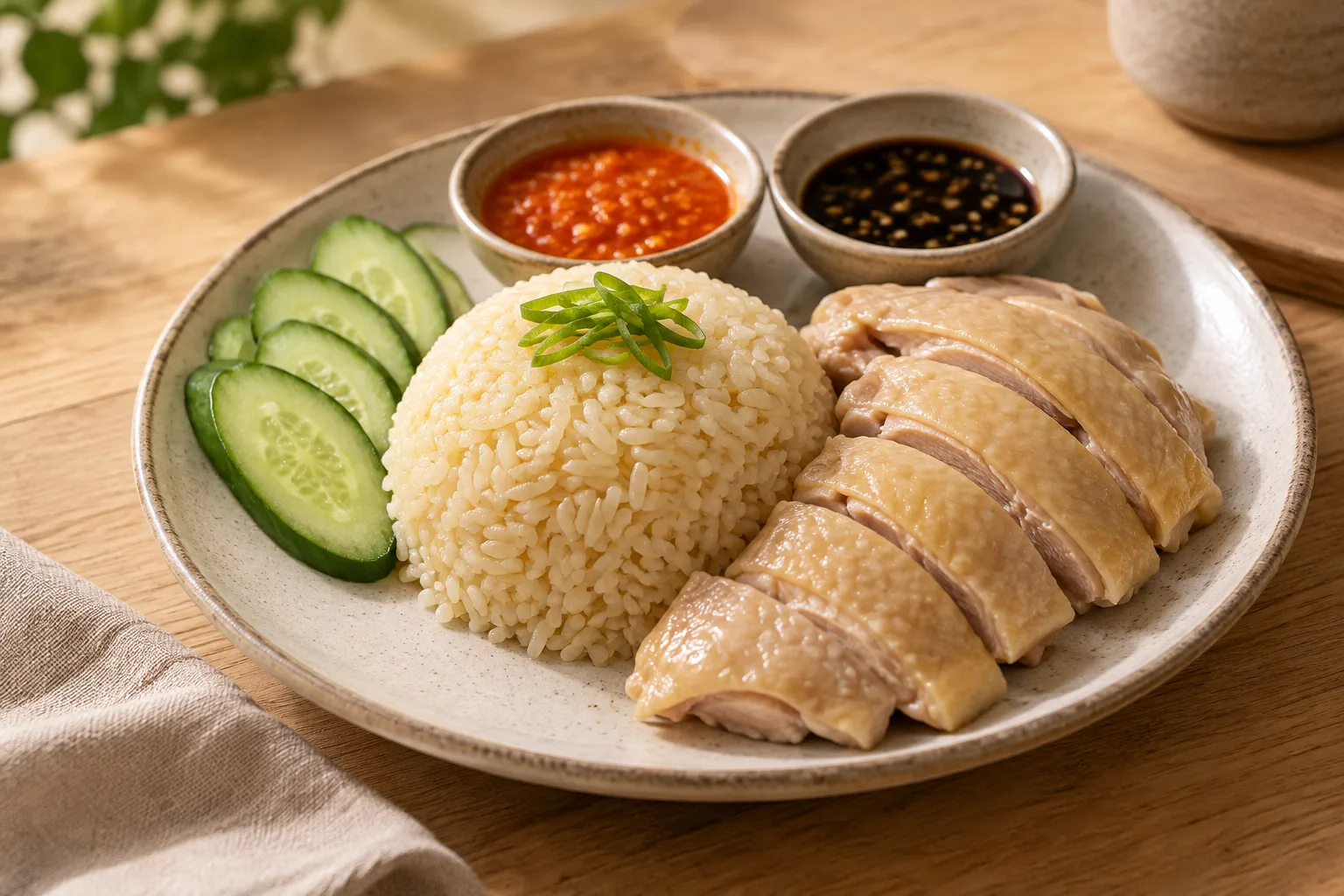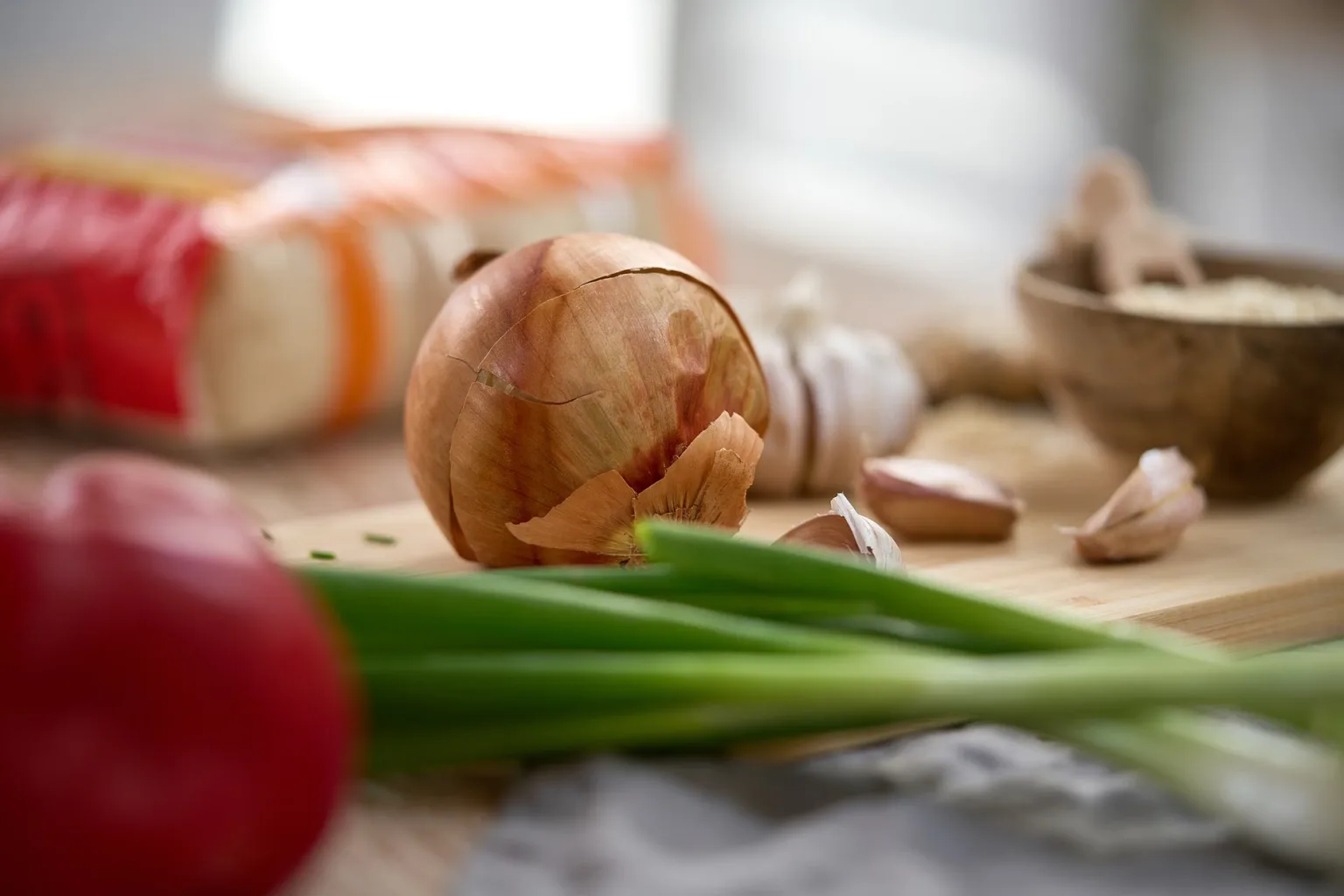
- Category
- Vegetables
- State
- Fresh
- Usual unit
- clove
What it is
Garlic for rice is fresh garlic, usually a clove separated from a bulb, used as an aromatic ingredient and seasoning. It belongs to the Allium genus, like onion and leek. In a rice dish, garlic can accompany onion, tomato, vegetables, parsley, or ingredients such as clams. Clove size and flavor intensity vary between bulbs and varieties, so you can adjust the amount to taste and to the rest of the dish. Garlic can be finely chopped to distribute it throughout the rice, sliced so the pieces are more noticeable, or left whole and removed later. It is not limited to one particular kind of rice: its role is to add aromatic character to the preparation.
When to use it
Use garlic when you want to add aromatic depth to rice without making it the dominant flavor. It works in fried rice, rice stews, and dishes made with vegetables, meat, or seafood. For a flavor that blends into the dish, chop it and add it to the aromatic base; for more noticeable pieces, slice it. Longer cooking softens its intensity, while adding it later can leave a more pronounced flavor. Adjust the amount to the strength of the garlic and the other ingredients: one clove may stand out in a simple preparation but feel more balanced in rice with several aromatics.
How to use it
Separate a clove from the bulb, peel it, and chop, slice, or crush it to suit the texture you want. For integrated flavor, briefly sauté the garlic in a little oil with other aromatics, such as onion, before adding the rice and cooking liquid. Keep the heat moderate and watch it closely: chopped garlic browns quickly and can become bitter if it burns. You can also add it with vegetables or other ingredients in the aromatic base and let it cook with the dish. For a milder flavor, use a larger piece or a whole clove and remove it before serving; for a flavor spread throughout, chop it finely. Start with a small amount and taste the balance of the dish.
Flavour and texture
Fresh garlic has a strong aroma and can taste pungent when raw. Cooking reduces some of that intensity and blends it into the rice; the longer it cooks, the milder it generally becomes. Finely chopped garlic spreads through the dish, while slices or a whole clove are more noticeable. Intensity also varies between cloves and varieties, so adjust the amount to taste.
How to choose it
Choose compact bulbs with dry skins and firm cloves, without soft spots or visible mold. A clove that has started to sprout can still be used, though its flavor and texture may differ; remove any parts you do not want in the dish. Since bulb size and aromatic strength vary, choose garlic for your intended use and adjust the recipe quantity. If you only need garlic for one rice dish, separate only the cloves you plan to use.
Storage
Store whole bulbs in a cool, dry, well-ventilated place away from moisture. Keeping bulbs whole helps the cloves keep better than peeling and separating them ahead of time. Check garlic before using it and discard cloves with mold or soft spots. Once peeled or chopped, use it promptly and refrigerate leftover prepared food according to general food-safety guidance; do not leave chopped garlic mixed with oil at room temperature.
Substitutions
Garlic powder can replace fresh garlic when you do not have cloves, but its texture and aroma are not identical; add it gradually and adjust to taste. Tender green garlic can also contribute a garlic flavor, though it is more delicate and its green parts add a different texture. Equivalences depend on the product and recipe, so start with a small amount, taste, and adjust before cooking is finished.
Common mistakes
The most common mistake is letting chopped garlic brown too much: it cooks quickly and can make rice taste bitter. Avoid adding it to an excessively hot pan or leaving it unattended. Another mistake is using a fixed amount without accounting for differences in clove size and intensity. Start moderately and taste the dish; garlic should complement the other flavors, not cover them.
Safety and allergens
Handle fresh garlic with clean hands and utensils, as you would other fresh produce. Check cloves before use and discard any that are moldy or soft. Do not leave preparations of chopped garlic mixed with oil at room temperature; store leftovers according to general food-safety guidance.
Culinary uses
- Aromatic base for rice dishes
- Seasoning that adds depth to vegetable, meat, and seafood rice
Recommended techniques
- Finely chop or mince and briefly sauté over moderate heat
- Slice, crush, or add whole cloves for a milder, longer-cooked flavor
Pairs well with
- Rice, onion, and tomato
- Rice with vegetables, seafood, parsley, or ginger
Frequently asked questions
When should I add garlic to rice?
It is often added to the aromatic base before the rice and cooking liquid. Cook it briefly and watch it so it does not burn.
Should I chop or slice the garlic?
Chopped garlic is distributed more evenly through the dish; slices make the pieces more noticeable. Choose the cut for the texture and intensity you prefer.
Can I use garlic powder instead of fresh garlic?
Yes. Add it gradually and adjust to taste, bearing in mind that it does not provide the same texture or exactly the same aroma as fresh garlic.
Sources and review
Automatically researched, cross-checked and validated content. Sources consulted:
- Client Challenge doi.org
- The Essential Glossary of Cooking Terms for the Culinary Arts - Escoffier escoffier.edu
- Ajo, tipos, beneficios y uso en la cocina - Mercado de Chamartín mercadodechamartin.es
- Ajo, el ingrediente milenario que transforma el sabor en la cocina chefyerika.com
- Todo sobre el ajo: qué es, cómo se cultiva, cómo utilizarlo en cocina y qué propiedades tiene directoalpaladar.com
- Easy Veggie Fried Rice web.uri.edu
- Usos culinarios del ajo | Consumer consumer.es
- Food & Nutrition | Colorado State University Extension foodsmartcolorado.colostate.edu
- Almejas con Arroz 1966 (Clams and Rice) - lacocina.utsa.edu
- Para la ciudadanía aesan.gob.es
- Arroz Florentino Con Carne - Expanded Food and Nutrition Education Program efnep.tamu.edu
- Arroz con Verduras y Huevo | Servicio de Extensión de OSU extension.oregonstate.edu
- Arroz al cilantro con frijoles - USU Extension extension.usu.edu
- Ingredientes para la receta: El ajo — Cuaderno de Cultura Científica culturacientifica.com