- Category
- Herbs and spices
- State
- Fresh
- Usual unit
- teaspoon
What it is
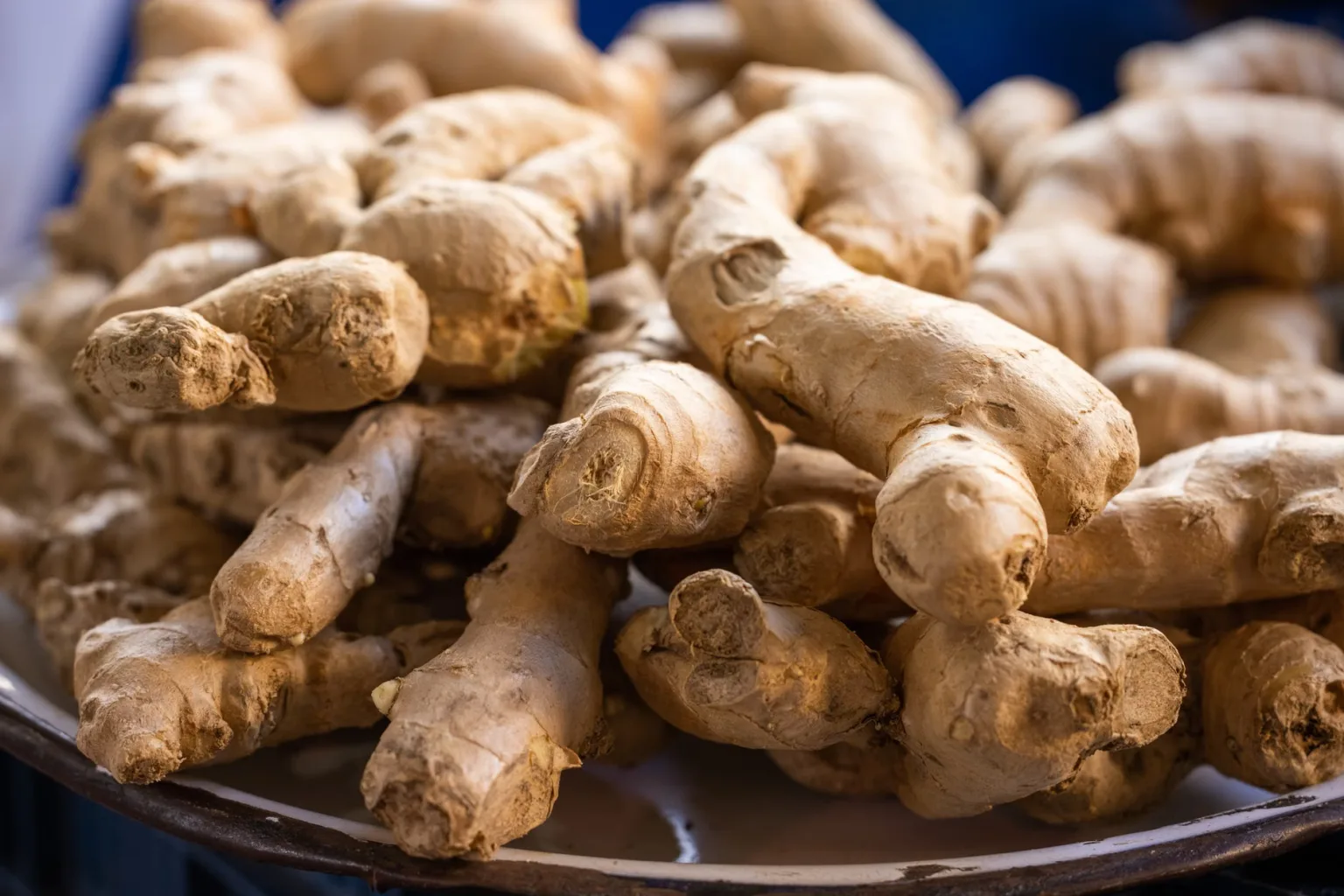
Grated ginger is fresh ginger root prepared with a grater so it can be mixed into a dish. The part used in cooking is a rhizome, an underground stem commonly called a root. Grating breaks up its moist flesh and helps it blend into liquids, sauces and other ingredients. Its flavor is aromatic, fresh and spicy, with a noticeable heat that can become pronounced when used generously. Fresh grated ginger is not the same as dried ground ginger: the two can appear in similar kinds of recipes, but their flavors and concentration differ. Grated ginger is useful in both savory cooking and sweet preparations, from marinades and soups to sauces and baked goods.
When to use it
Use grated ginger when you want its flavor distributed through a dish rather than in slices or chunks. It works in stir-fries, broths, soups, sauces and marinades for fish or meat, as well as in dressings and baking. Add it earlier for a more integrated, mellow flavor, or near the end when you want a fresher, more noticeable bite. Ginger is aromatic and potent, so begin with a small amount, taste the dish and add more if needed. When a recipe calls for dried ginger, remember that fresh grated ginger will not produce exactly the same result.
How to use it
Wash the ginger and peel it if you prefer; for a clean piece to be grated, use a peeler or the edge of a teaspoon. Grate it finely and collect the pulp and juice for the recipe. For a marinade or sauce, mix it with the other ingredients; for a stir-fry, cook it briefly with garlic or other aromatics. In soups and stews, add it during cooking or near the end, depending on whether you want a more blended or fresher flavor. It can also season dressings, drinks and infusions, or be mixed into cookie and cake batters. Start with a small amount and adjust after tasting: there is no single quantity that suits every dish.
Flavour and texture
Fresh grated ginger is aromatic, spicy and pungent, with a fresh impression that can suggest citrus. Its moist pulp disperses more readily through a dish than slices or chunks. Cooking usually softens its heat while its aroma remains; the final intensity depends on how much is used and how long it cooks.
How to choose it
Choose a firm, smooth piece of ginger without soft spots or mold. A piece that feels heavy for its size is a practical choice for grating. Avoid visibly shriveled or damaged pieces where possible. Very fibrous ginger can be harder to grate and incorporate, so look for a piece that appears fresh and firm.
Storage
Keep the whole, unpeeled rhizome in the refrigerator and grate it as needed. If it is already grated, keep it covered and refrigerated and use it promptly; the available evidence does not establish a precise storage period for grated ginger. You can also freeze ginger whole or in grated portions and grate the frozen piece directly. Discard it if you see mold or clear signs of deterioration.
Substitutions
Fresh minced or crushed ginger can replace grated ginger, though the texture and distribution will differ. Dried ground ginger may work in some recipes, especially baking and spice blends, but its flavor and concentration are not the same. Do not assume a one-to-one weight swap will work; adjust to the recipe and taste as you go.
Common mistakes
Adding too much at the start can let ginger heat overpower a dish. Begin with a little and taste before adding more. Another common mistake is expecting fresh and ground ginger to taste or behave identically. Avoid grating damaged ginger, and remove fibrous strands if they interfere with the texture you want.
Safety and allergens
Wash the rhizome and use a clean grater. Remove damaged areas and do not use ginger with mold or clear signs of spoilage. If you are unsure whether it is still in good condition, discard it.
Culinary uses
- Aromatic seasoning
- Fresh, spicy accent for savory dishes and sweets
Recommended techniques
- Fine grating
- Minced or crushed
- Briefly sautéed or added to a marinade
Pairs well with
- Garlic and spring onion
- Fish, meat, vegetables and soups
- Fruit, chocolate and spiced baking
Frequently asked questions
Do I need to peel ginger before grating it?
Not always. Peel it with a peeler or teaspoon if you prefer a cleaner texture, especially when the skin is rough or damaged.
Can I use ground ginger instead of fresh grated ginger?
Sometimes, but the result will differ: dried ground ginger has a different profile and is not an exact substitute. Adjust the amount to the recipe and taste.
Can fresh ginger be frozen?
Yes. Freeze it whole or in grated portions, and grate a frozen piece directly when you need it.
Estimated nutrition
- Fat
- 0 g
- Saturates
- 0 g
- Carbohydrate
- 20 g
- Sugars
- 0 g
- Protein
- 0 g
- Salt
- 0.5 g
Sources and review
Automatically researched, cross-checked and validated content. Sources consulted:
- Client Challenge doi.org
- The Essential Glossary of Cooking Terms for the Culinary Arts - Escoffier escoffier.edu
- Jengibre, más que una especia: usos, formatos y qué puede aportar a tu bienestar margavilan.substack.com
- Jengibre: un superfood con múltiples usos y propiedades | Gastronosfera gastronosfera.com
- El jengibre desde una perspectiva profesional | Alveus alveus.eu
- Galenic Medicine and Women's Recipes in the Early etd.ohiolink.edu
- Optimización del proceso Logístico en la comercialización ... repository.uniminuto.edu
- El Jengibre en la cocina, usos y propiedades eladerezo.com
- A Panoramic View of Picacho Peak in Picacho, Arizona | ClipVR ETC etc.usf.edu
- Propiedades y usos del jengibre | Consumer consumer.es
- Jengibre en la cocina: usos, tradición y mitos | BeBo bebocoldpress.com