- Category
- Vegetables
- State
- Fresh
- Usual unit
- cup
What it is
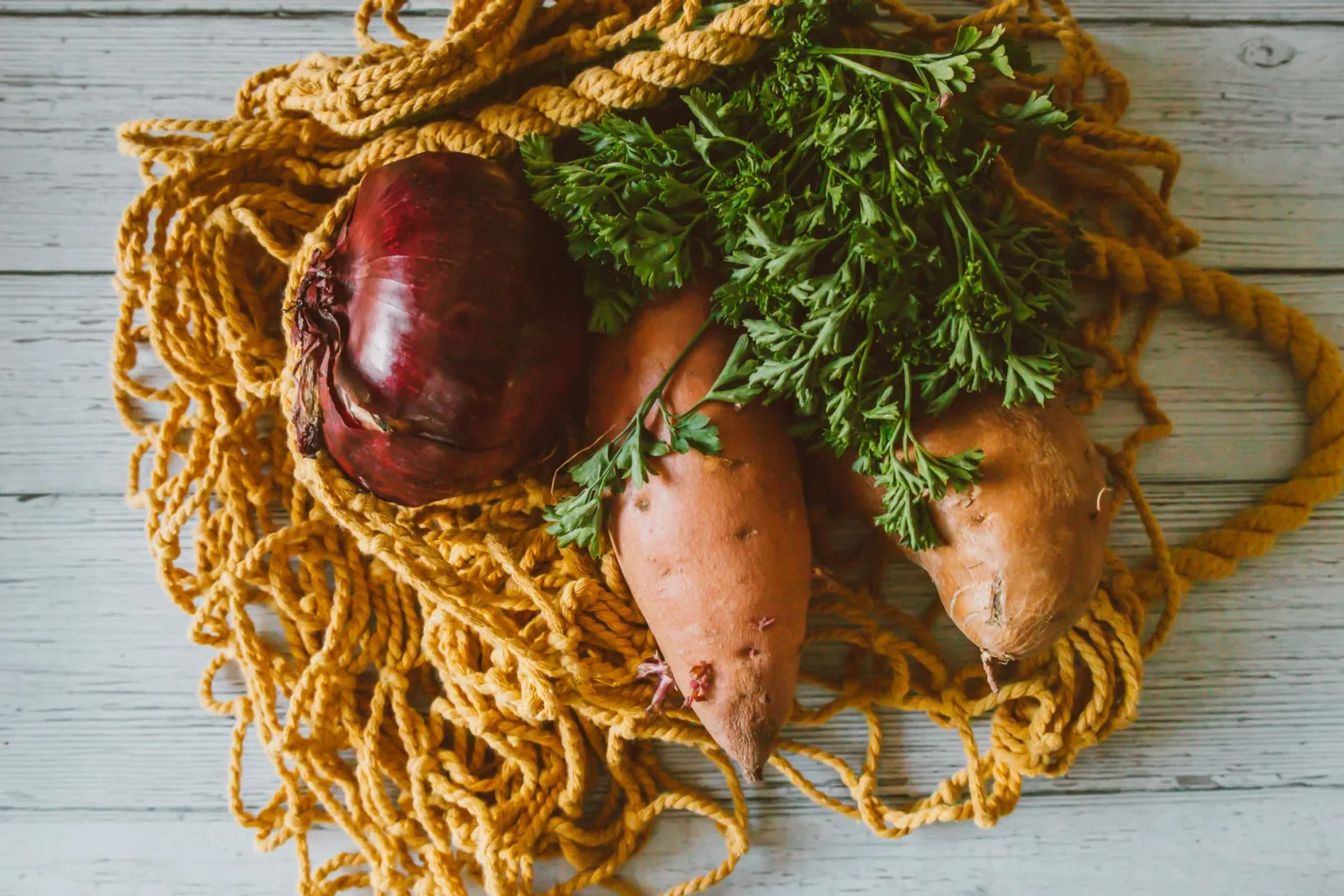
Grated sweet potato is the edible root, also known as sweet potato, batata or camote in different places, cut into fine shreds with a grater. Whole roots vary in skin and flesh colour, and varieties can differ in sweetness and texture. Once grated, the root breaks into small pieces that mix readily into batters, fillings and cooked dishes, but it is not the same as a smooth purée: the shreds retain some texture and can contribute moisture. It works in both sweet and savoury cooking, including cakes, breads, side dishes and cooked mixtures. This is a fresh ingredient, not a ready-to-eat raw preparation. Cook it fully before eating.
When to use it
Use grated sweet potato when you want the root distributed through a mixture but still want some small pieces rather than the smooth consistency of a purée. In savoury cooking, it can add sweetness and body to patties, fillings, stews and vegetable sides. In baking, it can be mixed into cake or bread batters. Cinnamon, ginger and nutmeg complement its sweeter character, while garlic, cumin, paprika and herbs suit savoury preparations. The result depends on the variety and the fineness of the grate, so pay attention to the mixture’s moisture and texture as you cook.
How to use it
Wash the root and prepare it for your recipe, removing damaged areas and peeling it if needed. Grate it shortly before cooking so the shreds can be mixed into the dish while fresh. Fold it into a batter, patty mixture or filling, or add it to a stew or vegetable preparation. Fine shreds cook differently from thicker pieces, so check that the sweet potato is tender and fully cooked before serving. If you want a smooth texture, cook the root and mash it instead of grating it. Do not eat it raw: sweet potato should be cooked before consumption.
Flavour and texture
Sweet potato usually tastes gently sweet, though sweetness varies by variety. When grated, it has moist, distinct shreds rather than the even texture of a purée. During cooking, the pieces soften and blend into batter or filling, adding sweetness and body. The colour of the finished dish also depends on the root’s flesh, so it will not always be orange. Warm spices bring out its sweeter side; garlic, cumin and paprika help balance it in savoury dishes.
How to choose it
Choose a firm root without soft spots or visibly damaged areas. Sweet potato flesh can be white, yellow, orange or purple, depending on the variety. Names such as sweet potato, batata and camote are used differently from place to place, so a label alone does not guarantee a particular colour or texture. If you need a specific result, ask about the flesh colour or inspect a cut root when available. For grated sweet potato, grate a fresh root shortly before cooking.
Storage
Available storage guidance applies to whole roots: it describes keeping them in a cool, dry place but does not establish how long grated sweet potato lasts. To avoid relying on an unsupported duration, grate only what you plan to use and cook it soon. If you buy it already grated, follow the package’s storage directions and do not keep it longer than stated. Do not assume guidance for an intact root guarantees the same storage life for a cut product.
Substitutions
Grated potato can replace grated sweet potato in some dishes, but the result will be less sweet and will taste different. Cooked, mashed sweet potato is another option if a smoother, moister texture suits the recipe; it will not retain the structure of grated pieces. Adjust liquids and seasoning to suit the mixture. Neither swap is identical in every recipe, especially where the shreds provide structure.
Common mistakes
Do not treat grated sweet potato as if it were purée: the shreds retain pieces and create a different texture. Do not assume every variety has orange flesh or the same level of sweetness. Avoid adding it raw to a dish that will be served without further cooking, and do not assume storage advice for a whole root applies to the grated ingredient. Grate it close to cooking time and check that it is fully cooked before serving.
Safety and allergens
Eat sweet potato cooked, not raw. Heat inactivates the harmful substances described in raw sweet potato, so use grated sweet potato in a preparation that cooks it fully before eating.
Culinary uses
- Base or addition for fritters, patties and savoury mixtures
- Moisture and sweetness in cakes, breads and other baked goods
- Vegetable component for soups, stews and fillings
Recommended techniques
- Grate shortly before cooking
- Cook in a pan or incorporate into a baked mixture
- Cook until tender for purées or soft fillings
Pairs well with
- Garlic and aromatic herbs
- Cinnamon, ginger and nutmeg
- Cumin and paprika
Frequently asked questions
Can grated sweet potato be eaten raw?
No. Cook it before eating; heat inactivates the harmful substances described for raw sweet potato.
Can I use grated sweet potato in both sweet and savoury recipes?
Yes. It can be mixed into batters and other sweet preparations, or seasoned with garlic, herbs and spices for savoury dishes.
Can I substitute mashed sweet potato?
Yes, if a smoother, moister texture works for the recipe. Mash will not keep the small pieces or structure of grated sweet potato.
Sources and review
Automatically researched, cross-checked and validated content. Sources consulted:
- Client Challenge doi.org
- Alimento de temporada: Boniato quironprevencion.com
- Cultura del pan en España - Wikipedia, la enciclopedia libre es.wikipedia.org
- Batata o boniato | Gastronomía & Cía gastronomiaycia.com
- actualización de la regla de ocha-ifá - OAKTrust oaktrust.library.tamu.edu
- Boniato, batata o camote: propiedades y recetas - Blog Conasi conasi.eu
- Boniato, el uso culinario y recetas | Huercasa huercasa.com
- El boniato, el rey del otoño en la cocina - LaWebcinera lawebcinera.es
- El boniato, la “patata más dulce” que puedes descubrir | Blogs Quirónsalud quironsalud.com
- Boniato o batata: temporada, tipos, propiedades y cómo cocinarlo - comenaranjas.com comenaranjas.com
- El dulce boniato - Revista Mètode metode.es
- Magret a baja temperatura con texturas de boniato - 7 Caníbales 7canibales.com
- - YouTube youtube.com