- Category
- Fruit
- State
- Fresh
- Usual unit
- g
What it is
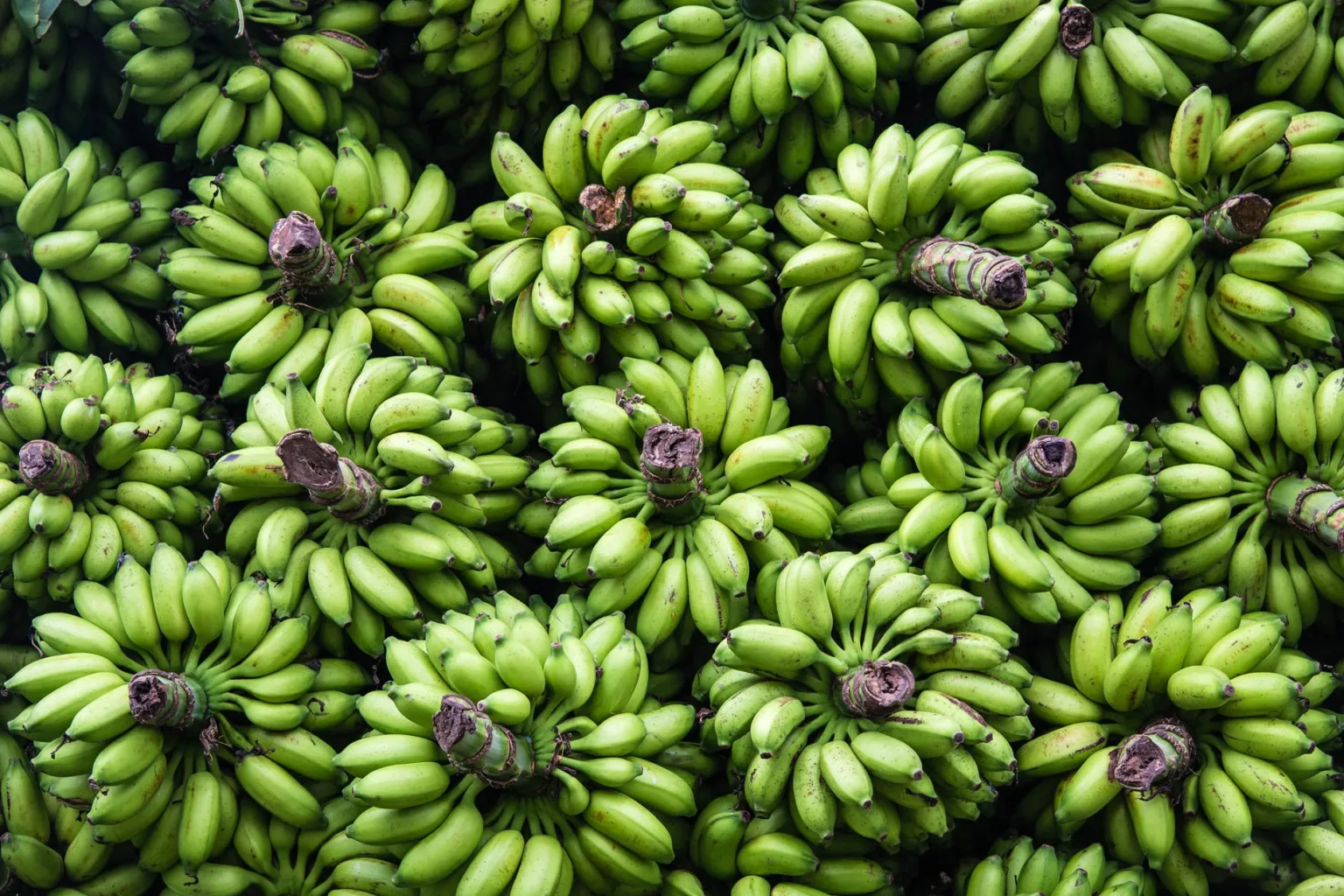
A green banana is an unripe fruit from the Musaceae family. The name can refer to cooking bananas or, in some places, other bananas picked while green, so size and variety may differ. In cooking bananas, the flesh is typically firm, dense, and higher in starch than sugar, with a relatively neutral flavor. As the fruit ripens, its peel turns yellow and its flesh develops more sweetness and becomes less firm. Green cooking bananas are generally cooked rather than used like ripe dessert bananas. They can be boiled, fried, or baked; they can also be mashed or processed into flour for different preparations.
When to use it
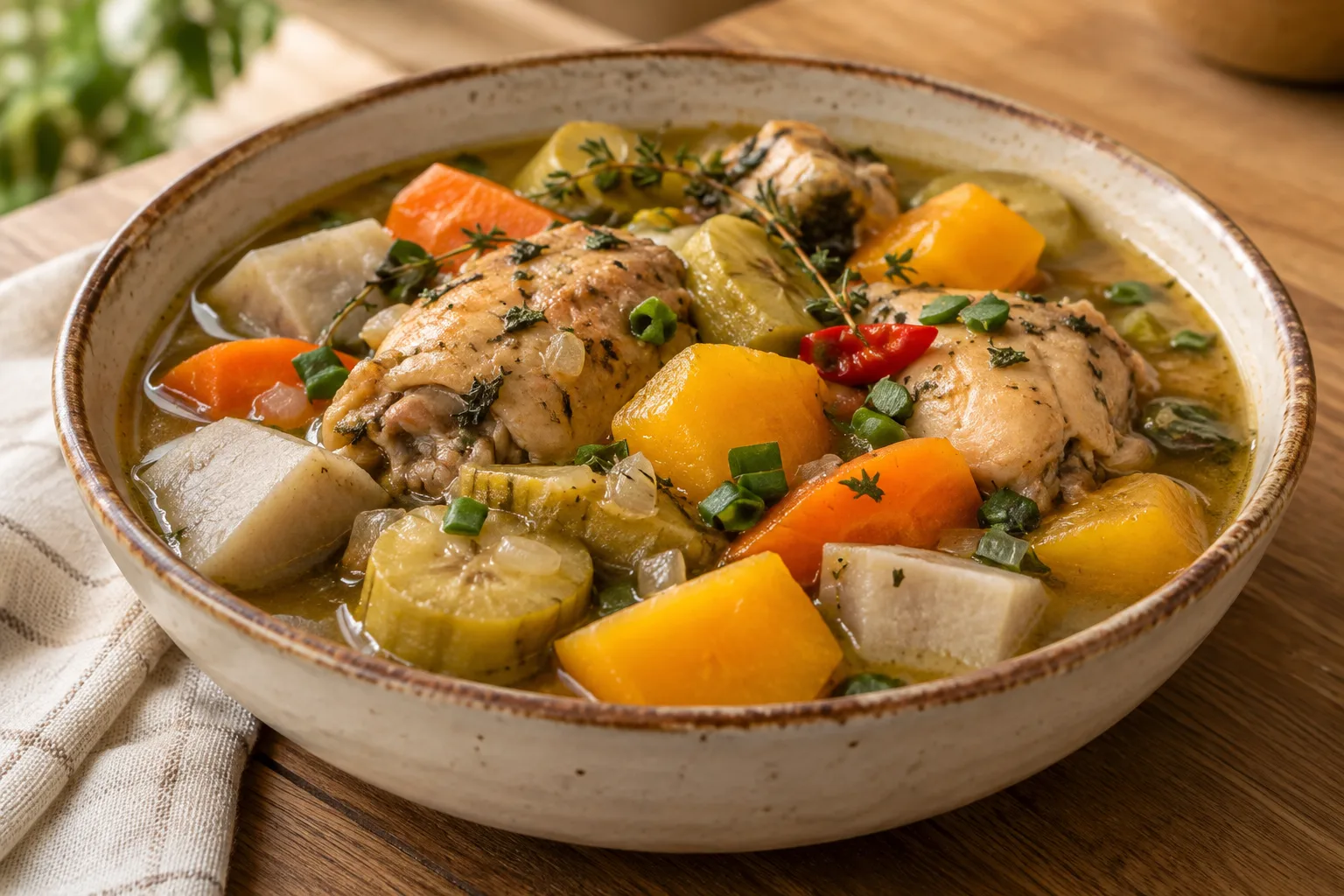
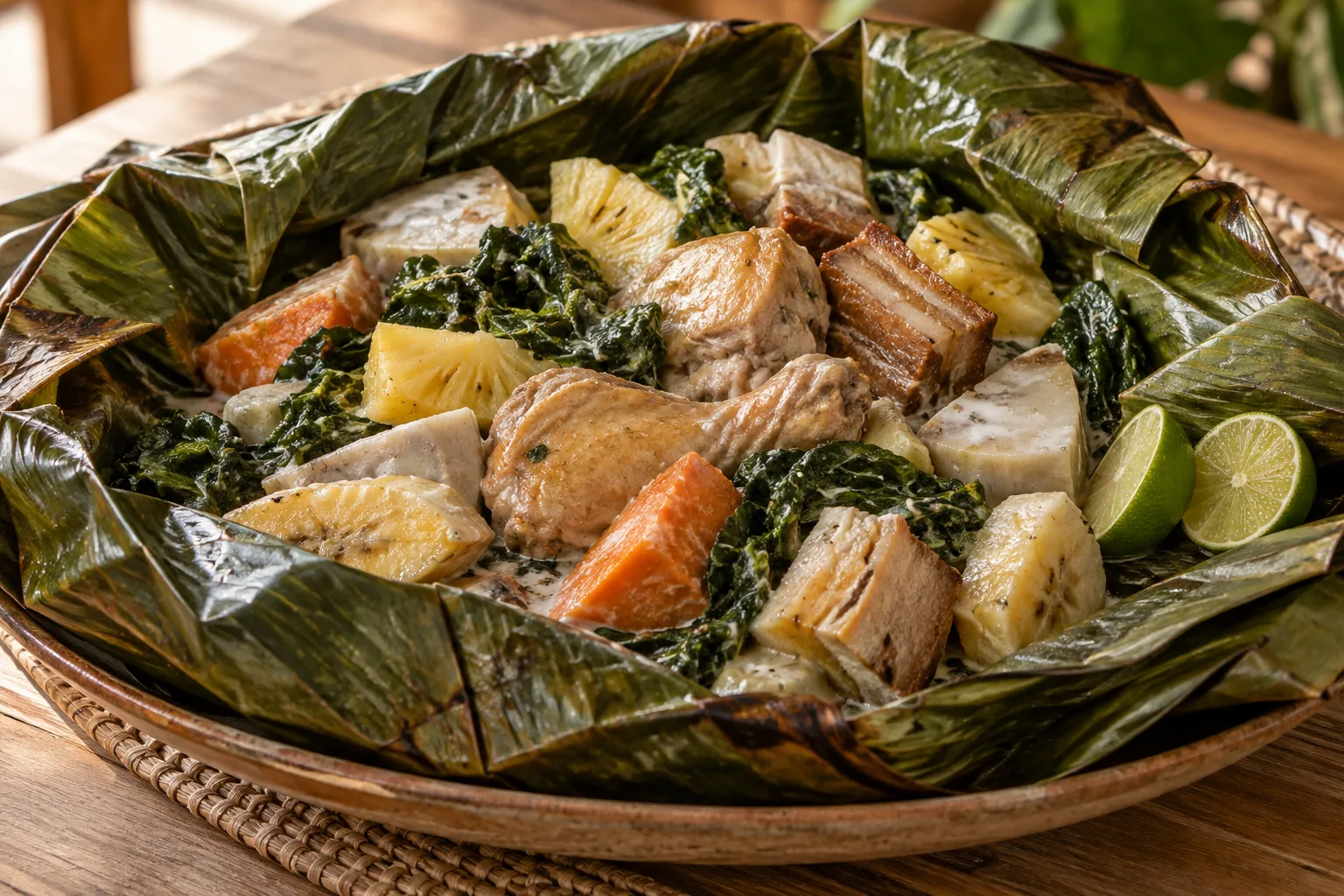
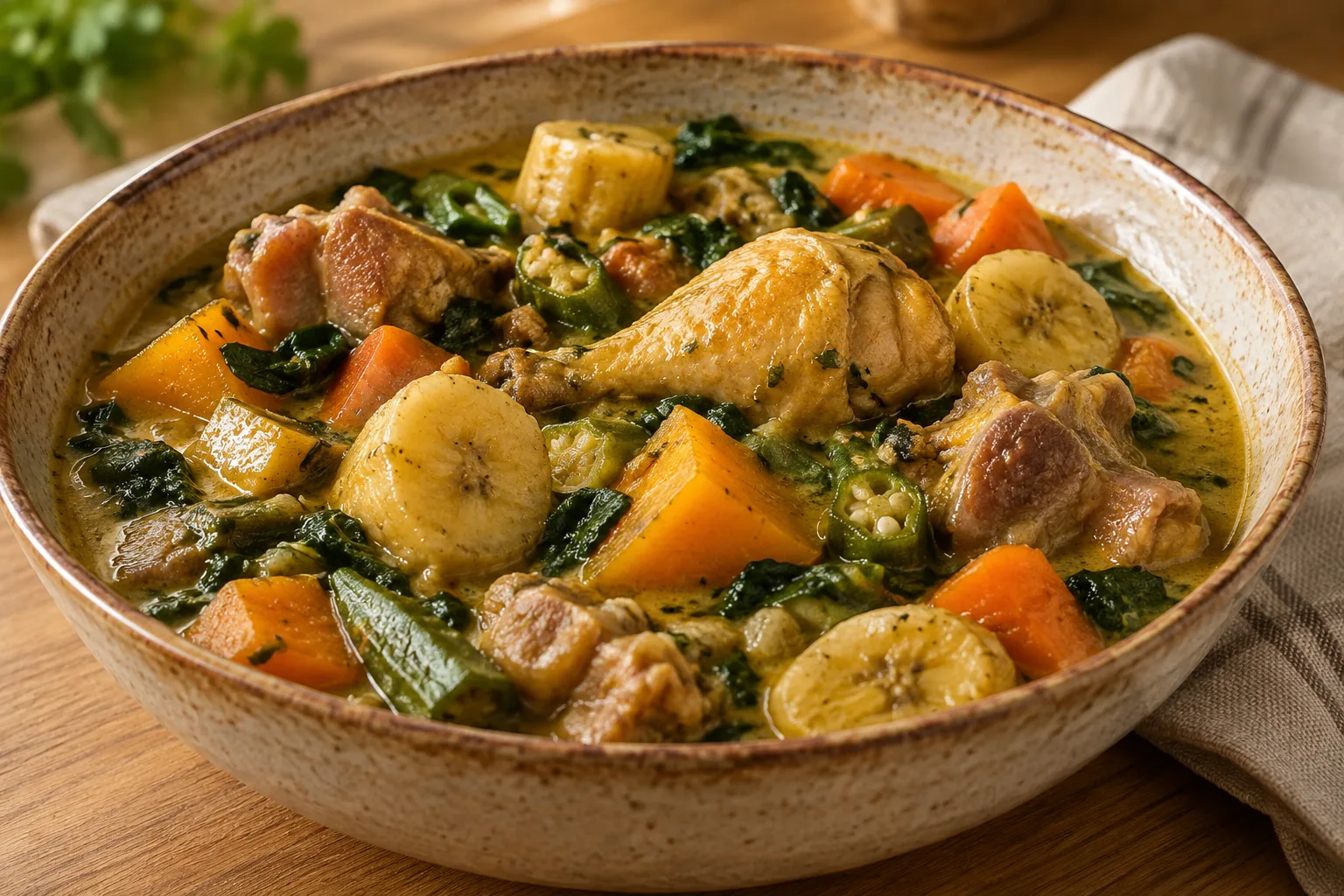
Choose a green cooking banana when a recipe needs firm, starchy flesh that can retain its shape or add body. It suits savory preparations such as fried dishes, soups, stews, and purées. The green stage is useful when you want a dense texture and little sweetness. If the peel has begun to yellow, the flesh may have developed a mild sweetness, which can work better in dishes that welcome a sweet-and-savory contrast. Do not automatically substitute a ripe dessert banana: its sweetness and soft texture are different.
How to use it
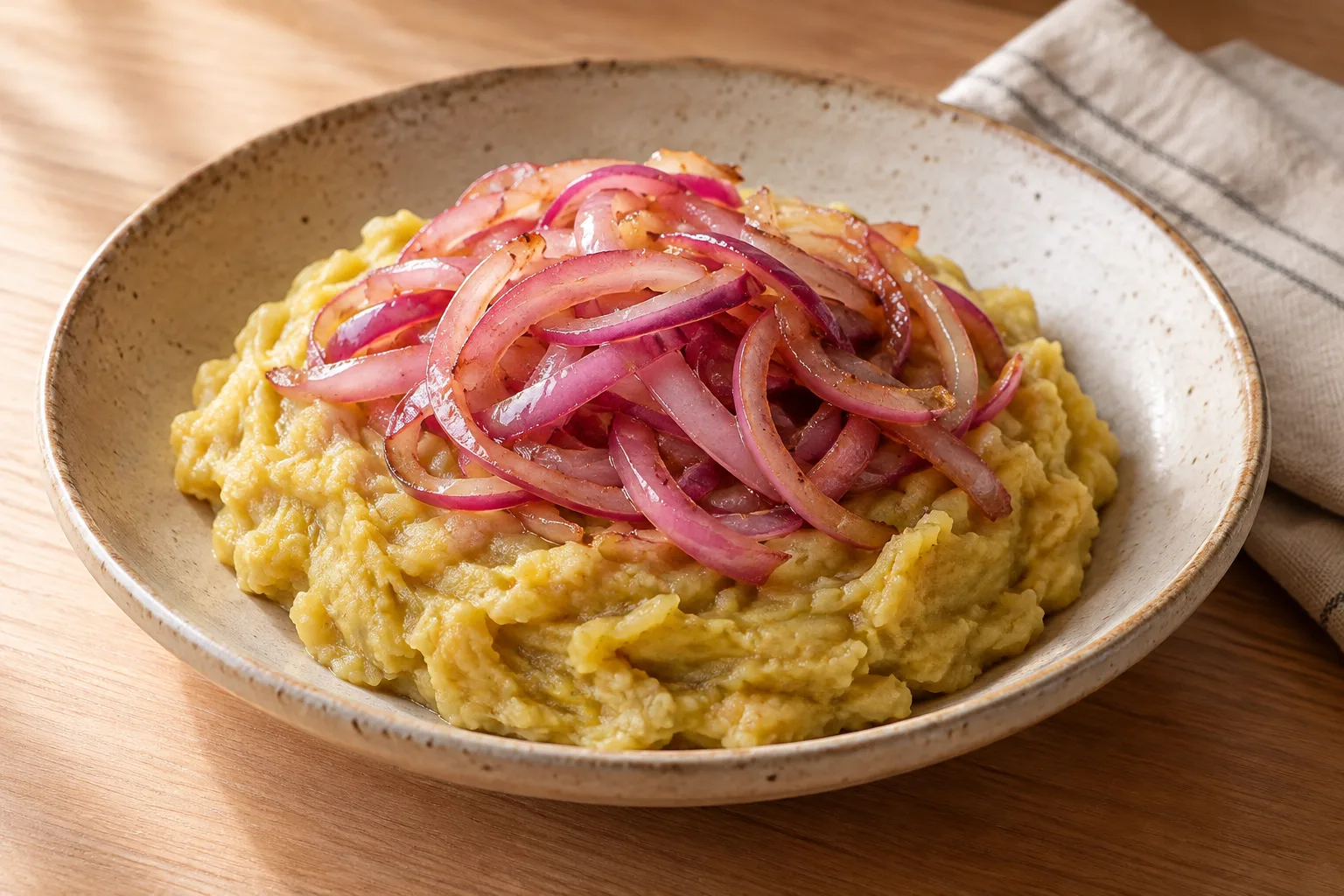
Rinse the peel under running water and dry it before cutting; washing first helps keep surface dirt from transferring to the flesh. The peel of some green cooking bananas can be stiff, so a kitchen knife may be useful for removing it. Cut the flesh to suit the dish, then boil, fry, or bake it. You can also boil and mash it for a purée or add it to soup or stew as a starchy ingredient. Green bananas can be processed into flour or dough for baked preparations. Match the fruit to the result you want: green for a firmer, more neutral result; more yellow for an emerging sweetness.
Flavour and texture
Green cooking bananas have a relatively neutral, mildly flavored flesh that is not very sweet. The flesh is usually firm, dense, and starchy, unlike the soft texture of a ripe banana. Once cooked, it can add body to a purée or soup, or remain in pieces depending on how it is cut and prepared. As the peel turns yellow during ripening, the flavor becomes somewhat sweeter.
How to choose it
For a dish that needs firm, less-sweet flesh, look for cooking bananas with green peel and no clear signs of yellow ripening. Green fruit is generally firm, though size and appearance vary by type. Check that the fruit is a cooking banana suited to your intended use: cooking bananas are often larger and starchier than dessert bananas. If you want a slight sweet note, a fruit that has begun to turn yellow may suit the dish better.
Storage
The peel changes from green to yellow as the fruit ripens, and its flavor and texture change as well. If you need firm, less-sweet flesh, check the peel before cooking and use the fruit while it still looks green. If it has started to yellow, allow for a somewhat sweeter result. The available evidence does not establish a specific storage duration or special preservation method for green bananas.
Substitutions
Another green cooking banana or plantain can work if it also has firm, mildly flavored flesh, although size and texture may vary. Potato can replace it in some soups, stews, or purées when a neutral, starchy ingredient is suitable; it is not an exact substitute, and the result will differ. A ripe dessert banana is generally not equivalent because it is softer and sweeter.
Common mistakes
Do not treat every green cooking banana like a ripe dessert banana: its flesh is firmer, less sweet, and starchier. Do not assume every type has the same size or cooking behavior. If a recipe depends on a firm texture and neutral flavor, fruit that has started to yellow may produce a sweeter, softer result. Wash the peel before cutting the fruit.
Safety and allergens
Rinse the fruit under running water before cutting, even if you will not eat the peel, to help prevent surface dirt from transferring to the flesh. Use care with a knife when removing a particularly stiff peel.
Culinary uses
- starchy ingredient for savory dishes
- base for soups, stews, and purées
Recommended techniques
- boiling
- frying
- baking
- mashing or puréeing
Pairs well with
- soups and stews
- savory dishes
- flour-based baked goods
Frequently asked questions
Can you eat a green cooking banana raw?
Green cooking bananas are generally prepared boiled, fried, or baked. Their flesh is firm and starchy, rather than soft and sweet like a ripe dessert banana.
What changes as a green banana ripens?
The peel turns from green to yellow, and the flesh may become somewhat sweeter and less firm. That change matters in recipes that depend on a green banana's starchy texture.
Can green bananas be used in soups and purées?
Yes. They can be boiled and mashed, or added to soups and stews as a starchy ingredient that contributes body.
Sources and review
Automatically researched, cross-checked and validated content. Sources consulted:
- Client Challenge doi.org
- Agencia Española de Seguridad Alimentaria y Nutrición aesan.gob.es
- Cookbooks and Reading Suggestions - UNT Food Pantry - Guides at University of North Texas guides.library.unt.edu
- Food Safety 101: Four Essential Practices for Safe Food at Home | USU extension.usu.edu
- A Recipe for Memory: Hispanic Heritage as Told Through Cultural Dishes news.sunyempire.edu
- EWG's Shopper's Guide to Pesticides in Produce | Summary go.middlebury.edu
- Guía de tipos de plátano y sus aplicaciones | Recetas Nestlé recetasnestle.com.ec
- Bananas • The Nutrition Source nutritionsource.hsph.harvard.edu
- Recipes | OSU Extension Service extension.oregonstate.edu
- Tips For Chefs On Choosing The Right Ingredients - Escoffier escoffier.edu
- Plátano verde - Wikipedia, la enciclopedia libre es.wikipedia.org
- Usos culinarios apropiados de las variedades de plátano ... academiaculinaria.org