- Category
- Herbs and spices
- State
- Powdered
- Usual unit
- teaspoon
What it is
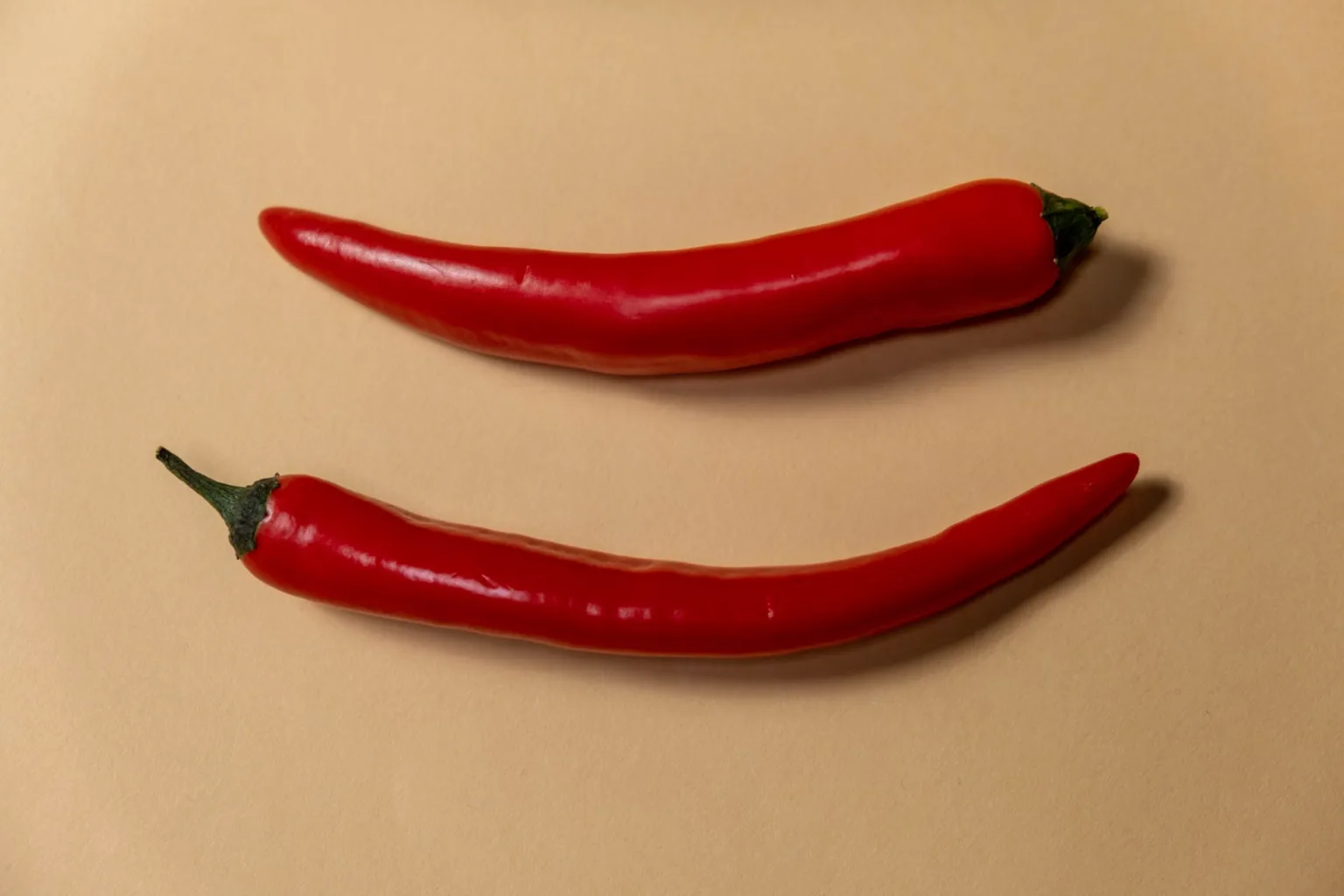
Ground cayenne pepper is a powdered seasoning made from dried, ground cayenne chiles. Cayenne belongs to the Capsicum genus, not the genus of black pepper, even though some names call it “cayenne pepper.” It is recognized by its reddish color and hot taste. Because it is ground, it blends readily into moist foods such as soups, purées and sauces, and it can season many other dishes as well. Heat may vary from one product to another, so adjust the amount to the product and recipe rather than assuming every jar has the same strength.
When to use it
Use it when you want to add heat without leaving visible pieces of chile in a dish. It can season soups, purées, broths, stews, sauces, pasta, pizza, meat or seafood; it can also be sprinkled over salads or paired with cheese. Since too much can dominate a dish, start with a small amount, mix it in and taste before adding more. It works both in recipes where heat is a central feature and in dishes that need only a gentle spicy note.
How to use it
Add the powder gradually and mix it with the other ingredients so the heat is distributed through the dish. In soups, purées, broths and sauces, stir it in and taste before adding another pinch. For stews, pasta, meat or seafood, mix it with the other seasonings or sprinkle it into the dish and stir well. Begin with less than you think you need; it is easier to add heat than to correct a dish that has become too hot. If you want visible chile or would like to remove it before serving, consider using whole dried cayenne instead of powder.
Flavour and texture
Ground cayenne has a hot taste and a reddish color. Its fine texture blends readily into moist preparations, distributing heat through the dish rather than leaving pieces of chile. The perceived intensity can vary by product and by person, so taste before adding more. Its main culinary role is to provide heat; use it moderately when you want other flavors to remain prominent.
How to choose it
Choose a product clearly labeled ground cayenne or cayenne powder, and check that the package contains the spice you want rather than a seasoning blend. The reddish color is characteristic but does not by itself indicate how hot the product is. Since heat can vary, start with a small amount when cooking and adjust to the result. If you want a different texture or the option to remove the chile before serving, compare flake or whole forms too.
Storage
The available information does not establish a specific storage method or keeping period for this product. Follow the directions on the package and observe its stated date. Do not assume that all ground cayenne products have identical storage requirements; check the label for the product you purchased.
Substitutions
You can replace the powder with cayenne flakes or a whole dried cayenne chile, which are other forms of the same spice. Adjust gradually because heat can vary and the different forms do not distribute in the same way. A whole chile can be removed before serving; powder and flakes remain mixed into the dish.
Common mistakes
Adding too much at once can make the heat dominate the dish. Add it gradually, stir and taste before increasing the amount. Another mistake is expecting ground, flaked and whole cayenne to behave identically: powder blends in, while a whole chile can be removed before serving. Do not confuse the name “cayenne pepper” with black pepper; they are different spices.
Safety and allergens
Cayenne is hot. Use it moderately, especially if you do not know the product’s intensity or the diners’ tolerance for spicy food. Add more only after tasting the dish.
Culinary uses
- Aporta picante a las preparaciones
- Sazona y aporta color rojizo
Recommended techniques
- Incorporar poco a poco en sopas, cremas y salsas
- Mezclar con los demás condimentos para distribuir el picante
Pairs well with
- Sopas, guisos y salsas
- Carnes, mariscos, pasta y pizza
- Quesos y ensaladas
Frequently asked questions
Is ground cayenne the same as black pepper?
No. Cayenne comes from chiles in the Capsicum genus; the name “cayenne pepper” does not make it black pepper.
When should I add it to soup or sauce?
You can stir it in as the dish is prepared. Add it gradually, mix, and taste before adding more.
Can I use whole cayenne instead of the powder?
Yes. Whole dried cayenne is another form of the spice. Remove it before serving if you do not want the chile left in the dish.
Estimated nutrition
- Fat
- 17.3 g
- Saturates
- 3.26 g
- Carbohydrate
- 56.6 g
- Sugars
- 10.3 g
- Fibre
- 27.2 g
- Protein
- 12 g
- Salt
- 0.08 g
Sources and review
Automatically researched, cross-checked and validated content. Sources consulted:
- ¿Por qué la muerte es origen de miedos y tabúes? doi.org
- The Essential Glossary of Cooking Terms for the Culinary Arts - Escoffier escoffier.edu
- Curry - Wikipedia, la enciclopedia libre es.wikipedia.org
- Washington State Food Access English-Spanish Glossary wpcdn.web.wsu.edu
- Cayena: qué es, cómo se usa y recetas | JUST SPICES ® justspices.es
- Ají - Wikipedia, la enciclopedia libre es.wikipedia.org
- Universidad de Chile doi.org
- Cayena: qué es, propiedades y cómo tomarla bonviveur.com
- - YouTube youtube.com
- Guindilla: Botánica, cultura y sabor en una Especia | Alveus google.com