- Category
- Herbs and spices
- State
- Powdered
- Usual unit
- teaspoon
What it is
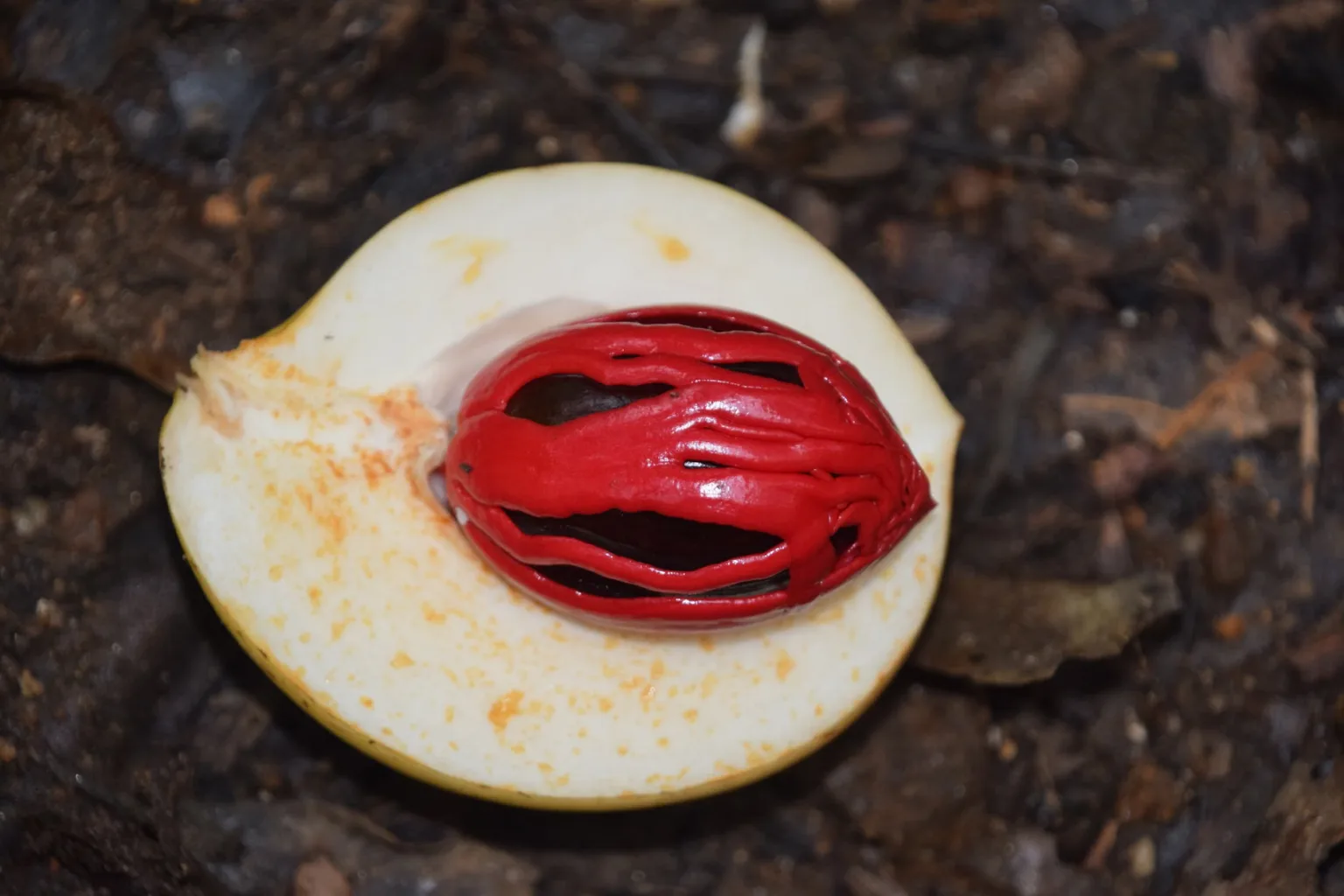
Mace is the thin, net-like covering around the shell of the nutmeg seed; it is not a flower, despite the occasional name “mace flower.” Once dried and ground, it becomes an aromatic spice used in cooking. Mace shares some of nutmeg’s character but is often gentler and more floral, with warm, slightly sweet notes. Ground mace blends readily into spice mixes, batters, sauces, and liquid dishes. Its aroma can fade over time, so it is sensible to buy an amount you expect to use and keep it tightly sealed. It is a useful option when you want a rounded spice note without the stronger impact that nutmeg can bring.
When to use it
Use ground mace when you want to add warmth and fragrance without letting the spice dominate the dish. It works in béchamel and other cream sauces, soups, broths, and vegetable purées, as well as in fillings, stews, and mild meat, poultry, fish, or seafood dishes. It also suits custards, rice pudding, cakes, biscuits, and spiced bread. Because its profile is related to nutmeg but often more delicate, mace can provide a subtle aromatic note in dishes where a stronger spice might be too assertive. Add a little, taste, and adjust rather than measuring in a large amount at once.
How to use it
Start with a pinch and stir well so the fine powder disperses evenly; taste before adding more because mace is aromatic. It can go into a white sauce, cream soup, or broth during the final minutes of cooking, or be sprinkled in just before serving. For baking, combine it with the dry ingredients before adding liquids to help distribute it evenly. Mace also works in fillings, stews, spice blends, bread dough, and biscuit dough. Whole mace keeps its aroma better than the ground form; if you have it, grind it shortly before use. Avoid cooking the powder for longer than needed, since prolonged cooking can make it taste bitter.
Flavour and texture
Ground mace has a warm, sweet and gently floral aroma, with spicy notes reminiscent of nutmeg. Its flavor is generally milder and less penetrating than nutmeg, while still being distinctly aromatic. The powder is fine and disperses easily through sauces, creams, batters, and spice mixtures. Products can vary, so begin with a small amount and adjust to suit the dish.
How to choose it
Choose an intact, sealed package clearly identified as ground mace rather than nutmeg. If you can, look for a product with a noticeable aroma and an even appearance, while allowing for some natural variation in color. Whole mace retains its aroma better than the ground spice, so it may be a useful choice if you cook with mace infrequently and can grind it when needed.
Storage
Keep ground mace in a tightly closed container in a cool, dry place away from direct light. Avoid storing it beside cooking steam or a heat source, and close the package after each use to help limit aroma loss. There is no single storage duration that applies to every product: follow the package directions and replace it when its fragrance has clearly faded.
Substitutions
Nutmeg is the closest substitute, but it can taste stronger; start with less and adjust after tasting. You can also grind whole mace and use it in place of the powder. If a recipe calls for whole mace and you only have ground mace, use a small amount and remember that the powder releases its aroma quickly.
Common mistakes
Do not add a large amount all at once: its concentrated aroma can overwhelm other flavors. Do not confuse mace with nutmeg, even though the two spices come from the same seed and have related profiles. Avoid cooking ground mace longer than necessary, as extended cooking can make it taste bitter. Finally, do not expect ground spice to keep its full aroma indefinitely.
Safety and allergens
Use it as a culinary spice and follow the package’s storage and use instructions. If you have a food allergy, check the product label: some ground mace may be packaged in facilities that also handle tree nuts.
Culinary uses
- Warm, aromatic seasoning for both sweet and savory dishes
- A delicate alternative to nutmeg in sauces, soups, baking and spice blends
Recommended techniques
- Stir a small amount into a sauce, soup, cream or spice mixture
- Add near the end of cooking or just before serving to preserve its aroma
- Blend thoroughly into batters, fillings and seasoning mixes
Pairs well with
- Béchamel, cream sauces, vegetable soups and broths
- Meat, poultry, fish and seafood
- Custards, rice pudding, cakes, biscuits and spiced bread
- Cinnamon, cloves, cardamom, ginger, bay leaf and black or white pepper
Frequently asked questions
Is mace the same as nutmeg?
No. Mace is the covering around the seed’s shell, while nutmeg is the seed itself. Their aromas are related, but mace is often more delicate.
What can I cook with ground mace?
It works in white sauces, soups, creams, stews, meat or fish dishes, and sweet foods such as custards, rice pudding, cakes, and biscuits.
When should I add ground mace?
Use a small amount and add it near the end of cooking or just before serving to preserve more of its aroma. For baking, mix it with the dry ingredients first.
Sources and review
Automatically researched, cross-checked and validated content. Sources consulted:
- Client Challenge doi.org
- Nuez moscada y macis, las especias reinas de mi cocina. Apuntes - Cocina y Aficiones cocinayaficiones.com
- ▷ ¿Qué es el macis y para qué sirve? | La Casa de los Sabores lacasadelossabores.com
- Propiedades del macis, especia – Botanical-online botanical-online.com
- Macis Molido 100g - Compra Especias Exóticas Online |... cocinista.es
- Macis molido - Comprar Online - La Parada de las Especias comprarespecias.net
- Flor de macis | PAPRIMUR paprimur.es
- La nuez moscada y el macís afuegolento.com