- Category
- Fish and seafood
- State
- Fresh
- Usual unit
- unit
What it is
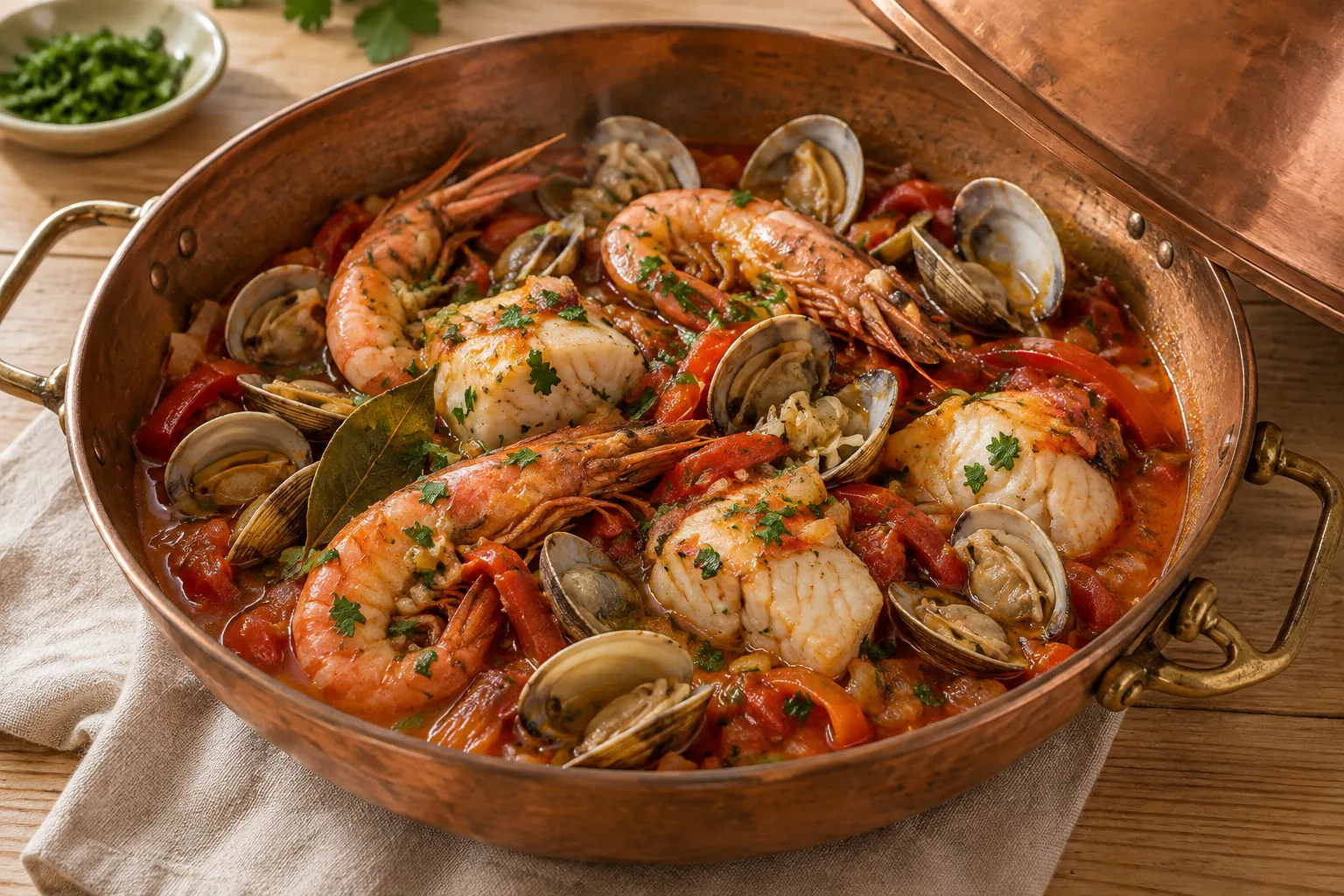
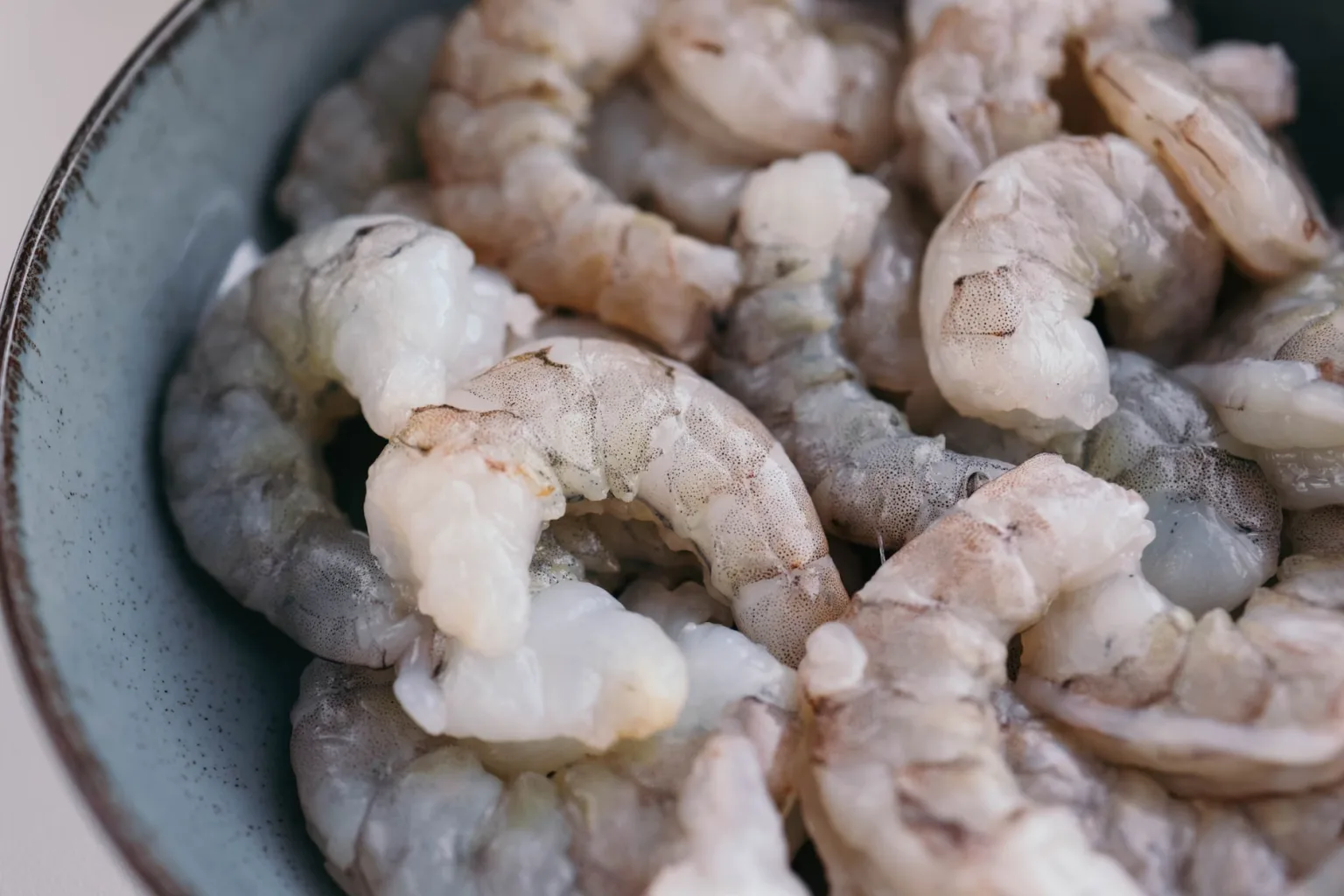
A large prawn is a marine decapod crustacean sold as a sizeable type of seafood. The name can cover different products or species depending on location and commercial usage, so do not assume every large prawn looks identical or has the same origin. Its body is described as elongated and its meat as tender; its colour can range from grey to pink. In cooking, both the meat and the flavour contributed by the shell and, when sold whole, the head can be useful. Large prawns are sold in more than one commercial form, but this profile refers to the fresh state specified for this ingredient.
When to use it
Choose large prawns when you want the seafood to be visible on the plate or to contribute a marine flavour to a dish. They work as a grilled or griddled centrepiece and can also go into rice dishes, pasta, soups and stir-fries. In mixed dishes, pair them with garlic, oil, parsley, lemon, tomato, rice or vegetables. If a recipe involves extended cooking, consider adding the prawns towards the end so they are not overcooked. Exact cooking time depends on size and method; the available evidence does not establish one universal timing.
How to use it
Before cooking, decide whether to serve the prawns whole or remove the shell for easier eating or for use in pasta, rice or a stir-fry. For grilling or griddling, pat them dry and cook them as the main ingredient, adding a simple seasoning of garlic, oil, parsley or lemon if desired. You can also sauté them with vegetables or add them to pasta with garlic and tomato. In rice dishes and soups, prawns contribute meat and flavour; heads and shells may be used to make a stock, depending on the recipe. To avoid a rubbery texture, do not cook them longer than needed: add them towards the end of dishes that are nearly ready and check their doneness as they cook.
Flavour and texture
Large prawns are described as having tender, soft meat and a marine flavour that may seem more pronounced than that of smaller prawns. Size, species and presentation can vary, so colour alone cannot establish every characteristic. Overcooking can make the meat tough and rubbery; match the method and point of addition to the dish.
How to choose it
Buy from a reliable seller and inspect the product before choosing it. For fresh seafood, look for a firm, even appearance and a mild smell; a strong or unpleasant odour is a reason not to buy it. Large prawns can naturally vary in size and colour, so those differences alone do not determine quality. If packaged, check the product identification and follow the information supplied by the seller and on the packaging.
Storage
This profile does not specify a storage duration or method because the available evidence does not establish one for fresh large prawns. Keep the product according to the seller's and package instructions, and avoid a long delay between purchase and preparation. If freshness is in doubt, do not use it. Do not apply guidance for frozen products to fresh prawns.
Substitutions
Langoustine can be a practical alternative in recipes that allow a similar crustacean with a comparable culinary use. Smaller shrimp or prawns can also be used, although their size changes the texture, presentation and cooking point. There is no exact quantity equivalence or universal timing: adapt the recipe to the substitute's size and form.
Common mistakes
Do not assume that every product called a large prawn is identical in size, colour or species. Avoid cooking them longer than necessary, as the meat can become rubbery. Do not judge freshness by colour alone; consider the overall appearance and look for a mild smell.
Safety and allergens
Large prawns are crustaceans. Anyone with a known crustacean allergy should avoid them and check the product information. Follow the seller's guidance when deciding whether fresh seafood is suitable to use, and discard it if its freshness is in doubt.
Culinary uses
- Ingrediente principal a la plancha o a la parrilla
- Marisco para arroces, pastas, sopas y salteados
Recommended techniques
- Plancha o parrilla
- Salteado
- Fritura en rebozado
- Añadido al final de arroces, pastas y salteados
Pairs well with
- Ajo, aceite y perejil
- Limón
- Arroz
- Pasta y tomate
- Verduras
Frequently asked questions
What do large prawns taste and feel like?
Their meat is described as tender and soft, with a marine flavour. Overcooking can make it rubbery.
How can I cook large prawns?
Grill or griddle them, sauté them, fry them in batter, or add them to rice dishes, soups and pasta.
Can I substitute langoustine for large prawns?
Yes, in recipes that can accommodate a similar crustacean. Adjust cooking to its size and presentation.
Sources and review
Automatically researched, cross-checked and validated content. Sources consulted:
- Client Challenge doi.org
- The Essential Glossary of Cooking Terms for the Culinary Arts - Escoffier escoffier.edu
- Gambas: origen, variedades, propiedades y cómo usarlas en la cocina abc.es
- Propiedades y beneficios de las gambas - Compesca compesca.com
- quantitative-assessment-of-relative-risk-to-public-health- ... seafood.oregonstate.edu
- Sensory and Physical Assessment of Microbiologically Safe ... vtechworks.lib.vt.edu
- Culinary Arts - Hennepin Technical College hennepintech.edu
- Award-Winning Cookbook Author Offers a Fresh Take on New England Cuisine | Tufts Now now.tufts.edu
- A Legend Comes to ICE: Alain Ducasse | Institute of Culinary Education ice.edu
- The Role of Food in American Society - KU ScholarWorks kuscholarworks.ku.edu
- School Nutrition Knowledge and Culinary Skills Program ... digitalcommons.calpoly.edu
- Diferencia entre Gambón y Langostino | Krustagroup krustagroup.com
- Gambones: Exquisitos y muy versátiles, ¡para cualquier ocasión! jetextramar.com
- Gambas, del océano a un platillo delicioso | Recetas Nestlé recetasnestle.com.ec