- Category
- Meat
- State
- Fresh
- Usual unit
- kg
What it is
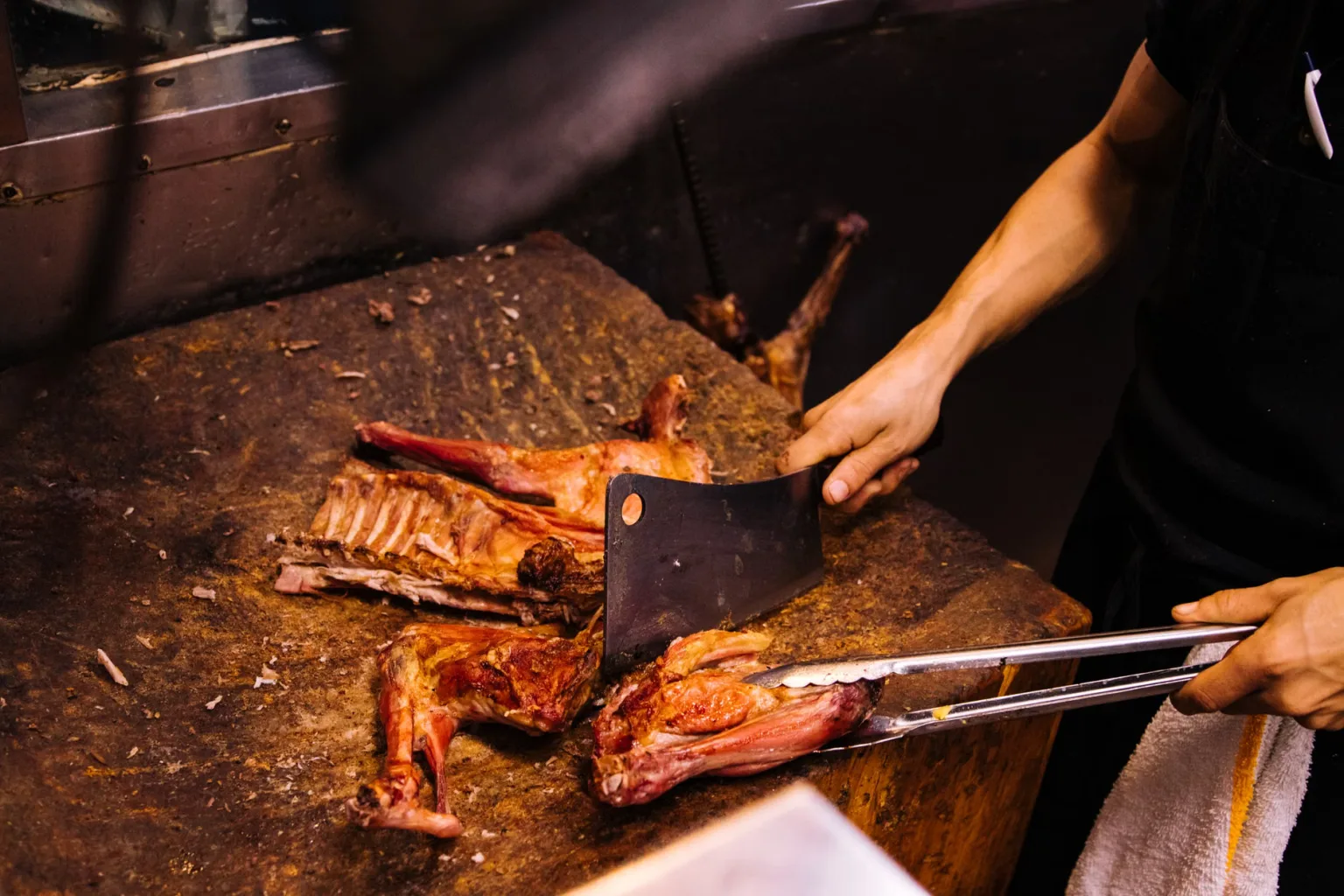
Male goat meat is meat from a male goat. The name alone does not specify the animal’s age, the cut, or whether it was castrated, and those differences can affect texture and aroma. Meat from younger animals is generally more tender and milder, while meat from older animals tends to have a stronger flavor and firmer texture. Compared with lamb, goat meat is commonly described as leaner and less tender. It is sold in different cuts, bone-in or boneless, and can be used in preparations similar to those for sheep meat. It should not automatically be treated as the same product as kid goat, a term for young animals whose meat is usually more tender.
When to use it
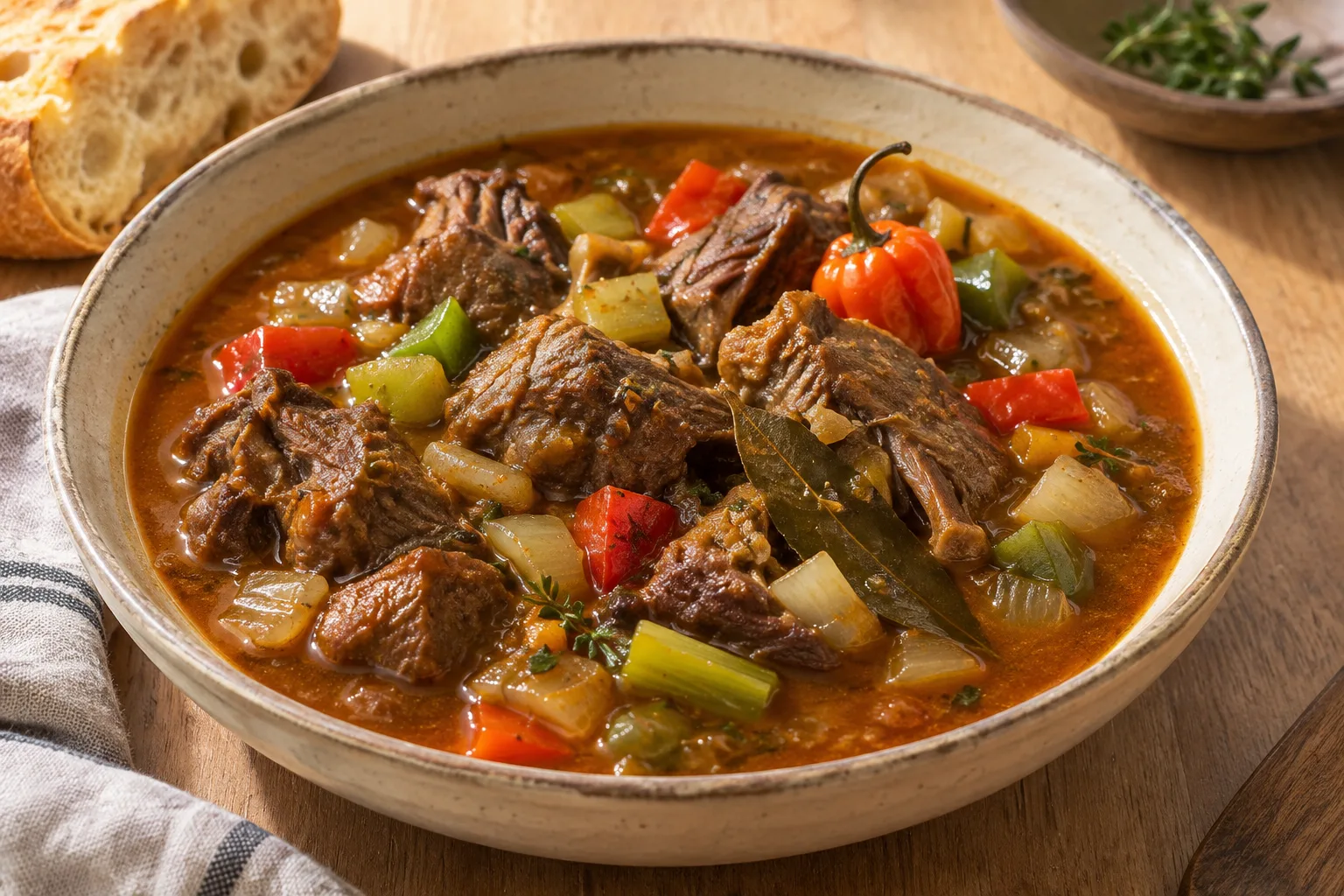
Choose male goat meat when you want a pronounced flavor for a stew, braise, curry or roast and can match the cooking method to the cut. Firmer cuts are often better suited to gentle, prolonged cooking, which helps make them tender; tender cuts can be cooked more directly if appropriate. If you prefer a milder flavor or naturally tender meat, look for meat from a young animal and ask the seller what is being offered. Age and cut matter more than the general label, so use those details to guide your choice and cooking method.
How to use it
Match the method to the cut and its firmness. For a stew, pat the meat dry, brown it in a pot and set it aside; cook vegetables and aromatics, add liquid, then return the meat and braise gently until tender. The time required varies with the cut, size and product, so check texture rather than relying on a fixed cooking time. Suitable cuts can also be roasted or grilled. A marinade can add flavor, but it does not by itself guarantee that a firm cut will become tender. Pair the meat with onion, garlic, tomato, herbs and spices, and avoid overcooking lean cuts, which can dry out.
Flavour and texture
Flavor ranges from relatively mild in young animals to more pronounced in older ones. Goat meat is usually lean and may be firm or less tender than lamb. Male goat meat can have a more pronounced aroma, although the characteristics of the product vary. The cut and cooking method also shape the result.
How to choose it
Ask about the cut, the animal’s approximate age and, if the seller knows, whether the male was castrated. Choose a cut suited to your planned method: firmer pieces for stewing and suitable cuts for roasting or quicker cooking. Check that the product is identified as goat meat; smell alone cannot establish its quality.
Storage
Fresh meat is perishable. Keep it in its packaging and refrigerate it according to the seller’s or package’s instructions; if you will not use it within the stated period, freeze it in line with local official guidance. After thawing, follow the same guidance for handling, and do not leave raw meat at room temperature for extended periods.
Substitutions
Lamb or mutton can replace goat in stews and roasts, but the flavor and tenderness will differ. Adapt the method and check the texture as it cooks. Minced lamb can work in recipes that call for minced goat meat.
Common mistakes
Treating every cut and age as alike can result in meat that is tough or dry. A marinade alone should not be relied on to tenderize a firm cut; choose a suitable cooking method and check the texture. Do not automatically equate male goat meat with kid goat.
Safety and allergens
Handle raw meat carefully and follow the package instructions and local official guidance for storage and cooking.
Culinary uses
- Main ingredient in slow-cooked stews and braises
- Roasted or grilled meat when the cut is suitable
- Meat for curries and strongly seasoned dishes
- Ingredient for minced-meat preparations
Recommended techniques
- Braise or stew gently until tender
- Brown before adding liquid to a stew
- Roast or grill suitable cuts
- Marinate to season the meat
Pairs well with
- Onion, garlic and tomato
- Robust herbs such as thyme, oregano and bay
- Warm spices such as cumin, cloves and paprika
- Potatoes, chickpeas and other vegetables
Frequently asked questions
Is male goat meat always tough?
No. Age and cut matter. Meat from young animals is generally more tender, while firmer cuts often suit gentle, prolonged cooking.
Is it the same as kid goat?
Not necessarily. Kid goat refers to a young animal, and its meat is usually more tender and milder than meat from an older animal.
Can I substitute lamb for goat?
Yes, especially in stews and roasts, though the flavor and tenderness differ. Adjust the method to the cut and check for tenderness as it cooks.
Estimated nutrition
- Fat
- 2.31 g
- Saturates
- 0.71 g
- Carbohydrate
- 0 g
- Sugars
- 0 g
- Fibre
- 0 g
- Protein
- 20.6 g
- Salt
- 0.2 g
Sources and review
Automatically researched, cross-checked and validated content. Sources consulted:
- The Essential Glossary of Cooking Terms for the Culinary Arts - Escoffier escoffier.edu
- Compra de animales para procesamiento de carne | Extensión de la UMN es.extension.umn.edu
- Nutrition After Your Transplant - Health Online healthonline.washington.edu
- La magia de la carne de cabra: Un tesoro culinario de Tenerife : Jovencasa jovencasa.com
- Carne de cabra - Wikipedia, la enciclopedia libre es.wikipedia.org
- Maqueta nº 10.2 aesan.gob.es
- Tanzania Food Composition Tables | The Nutrition Source nutritionsource.hsph.harvard.edu
- Externships | ICE Career Services | Institute of Culinary Education ice.edu
- Client Challenge doi.org
- ¿LO SABÍA? pvamu.edu
- 4-H Meat Goat Project (Proyecto de Carne de Cabra) bookstore.ksre.ksu.edu
- Cabras para carne | Small Acreage Landowners ucanr.edu
- Crianza de Caprinos extension.psu.edu
- Cómo seleccionar su animal para el proyecto 4H/FFA de cabra para carnicería | Animal Agriculture | Washington State University extension.wsu.edu
- Carne de cabra compuesta, tradicional y rica receta canaria bonviveur.com
- Carne de cabra canaria: sabor, origen y recetas marcacanaria.com