- Category
- Fish and seafood
- State
- Fresh
- Usual unit
- g
What it is
Monkfish is a fish sold fresh whose flesh is described as white and firm. The common name can refer to more than one species: the available source mentions common or white monkfish and black monkfish, so some product characteristics may vary. Its firm flesh can be served in portions or used in dishes with sauce and broth. This culinary description does not identify the exact species being sold. If that distinction matters for your purchase or recipe, check the label or ask the fish seller which product is available.
When to use it
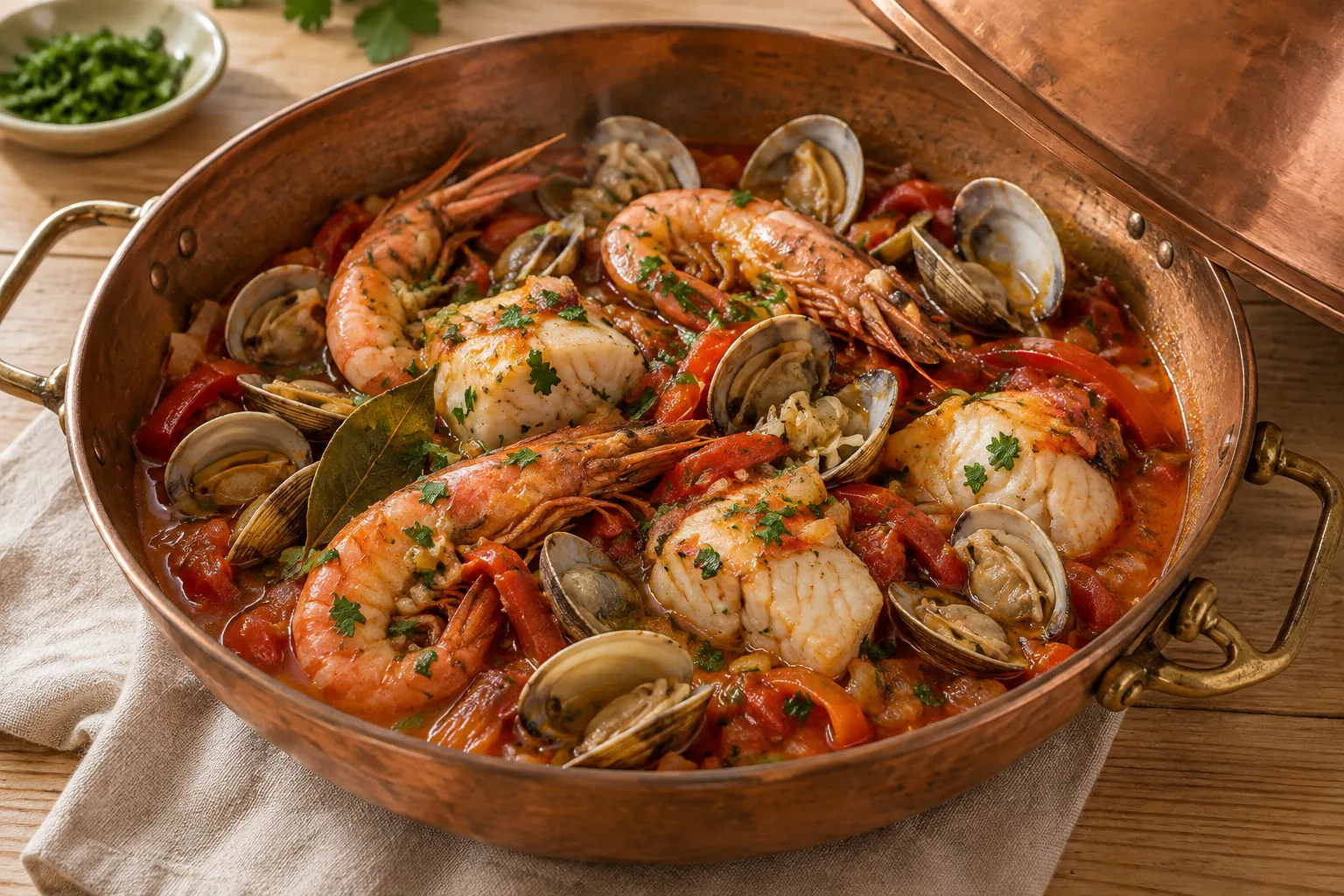
Choose monkfish when you want a fish that keeps a firm texture in a cooked portion or in a sauced dish. It can be the center of a main course, contribute to a fish soup or stew, or be served with rice. Described preparations include grilling, cooking on a hot surface, baking, and steaming; it is also used in stews with tomato and white wine. The available evidence does not establish reliable season months or a seasonal calendar. Base your purchase on current availability and information from the seller rather than assuming a particular season.
How to use it
Before cooking, check the label and ask the fish seller to prepare the cut you need for your recipe. Grill the portions or cook them on a hot surface, bake or steam them, or add them to a stew; the firm flesh can be useful in dishes where you want the fish to hold its shape. Pair it with tomato and white wine in a stew, or serve it with garlic, potatoes, herbs, or rice. Match the cut and method to the recipe. The available sources do not provide reliable cooking times or temperatures, so do not guess at numbers: follow a trusted recipe’s cooking instructions and the seller’s guidance.
Flavour and texture
Monkfish flesh is described as white and firm, a texture suited to portions or stews. One commercial source notes a flavor reminiscent of shellfish, though perception may vary with the species, cut, and preparation. Do not assume that every piece will look, taste, or feel exactly the same; ask about the specific product if those details matter to your recipe.
How to choose it
Buy fresh monkfish from a trusted fishmonger or supplier and check the label to identify the product and read any instructions it provides. The name monkfish can cover more than one commercially sold species, so ask which one is being offered if that distinction matters for your recipe. The available evidence does not establish reliable visual freshness tests or a specific season. Ask the seller for guidance and use the information provided for the product.
Storage
The available sources do not specify a storage duration or temperature for monkfish, so this profile cannot provide a reliable storage period. Follow the label or the seller’s instructions for the product you bought. If you cannot confirm how to store it or for how long, ask the supplier before use; do not infer storage guidance from this profile.
Substitutions
A culinary source describes monkfish as an alternative to cod or haddock in some preparations. You can consider those fish as substitutes, but do not assume the result will be identical: texture and cooking behavior can differ. Adapt the cut and technique to the recipe and the fish available, and follow the relevant cooking instructions.
Common mistakes
Do not assume that all monkfish is one species or that every piece has precisely the same texture. Do not invent cooking times or temperatures either: the available sources provide none. Check the product, use a reliable recipe, and consult the label or seller for storage instructions rather than relying on an unconfirmed rule.
Safety and allergens
Monkfish is fish and may cause a reaction in people with a fish allergy. If you have a known allergy to fish, avoid eating it and check ingredient and preparation information. The FDA identifies fish as one of the major food allergens and recommends strict avoidance of the allergen that causes an allergy. For product storage instructions, follow the label or ask the supplier.
Culinary uses
- Plato principal de pescado
- Ingrediente para sopas y guisos de pescado
Recommended techniques
- A la plancha o a la parrilla
- Al horno
- Al vapor
- Guisado
Pairs well with
- Tomate y vino blanco
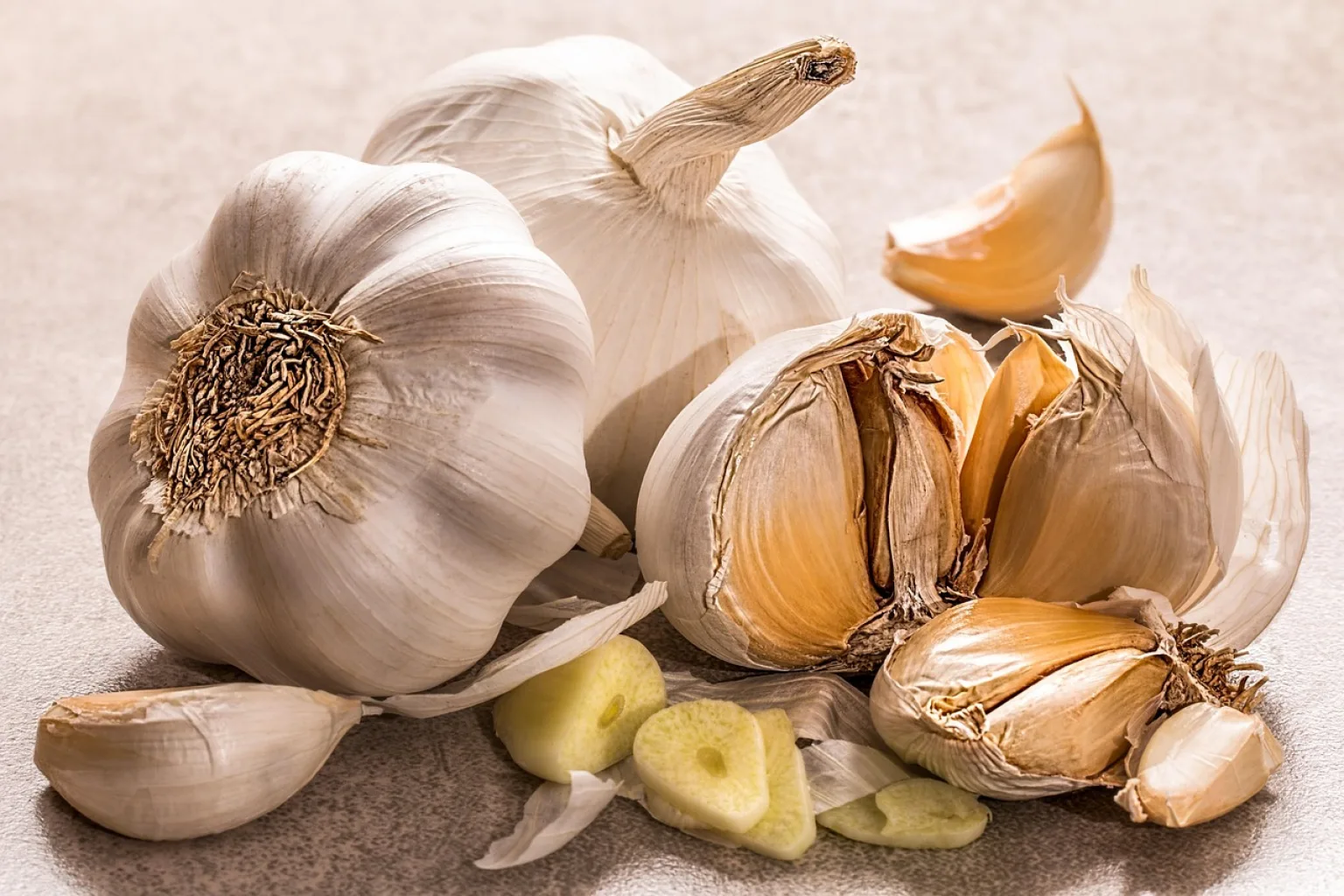
- Ajo, patatas y hierbas
- Arroz
Frequently asked questions
What is monkfish texture like?
Its flesh is described as white and firm, making it suitable for portions or stews.
How can I cook monkfish?
Described methods include grilling or cooking on a hot surface, baking, steaming, and stewing. Use a reliable recipe for cooking times and temperatures.
What goes well with monkfish?
Described pairings include tomato and white wine, as well as garlic, potatoes, herbs, and rice.
Sources and review
Automatically researched, cross-checked and validated content. Sources consulted:
- Client Challenge doi.org
- The Essential Glossary of Cooking Terms for the Culinary Arts - Escoffier escoffier.edu
- El rape en el mundo: Usos culinarios y tradiciones culturales | Easyfish easyfish.net
- ¿Qué tipo de pescado es el rape? - Chao Pescao chaopescaoseafood.com
- Culinary Mestizaje: An Afro-Latino Collective Sensory ... via.library.depaul.edu
- Alergeno: MedlinePlus enciclopedia médica medlineplus.gov
- Alergias alimentarias: lo que necesita saber | FDA fda.gov
- Food Pantry fitnyc.edu
- House Bill 2504 Fall 2025 CHEF-1214-1 - Ala Carte Cooking Syllabus lamarpa.edu
- Greens: Choosing, Storing, Preparing, and Enjoying publications.mgcafe.uky.edu
- Date Rape Drugs | Tulane Public Safety publicsafety.tulane.edu
- TODAY Investigation: Food Transported In Unsafe Conditions Before Getting to Diners publichealth.columbia.edu
- El rape, un pescado blanco con muy pocas calorías - El Blog de Mariskito mariskito.com