- Category
- Vegetables
- State
- Fresh
- Usual unit
- unit
What it is
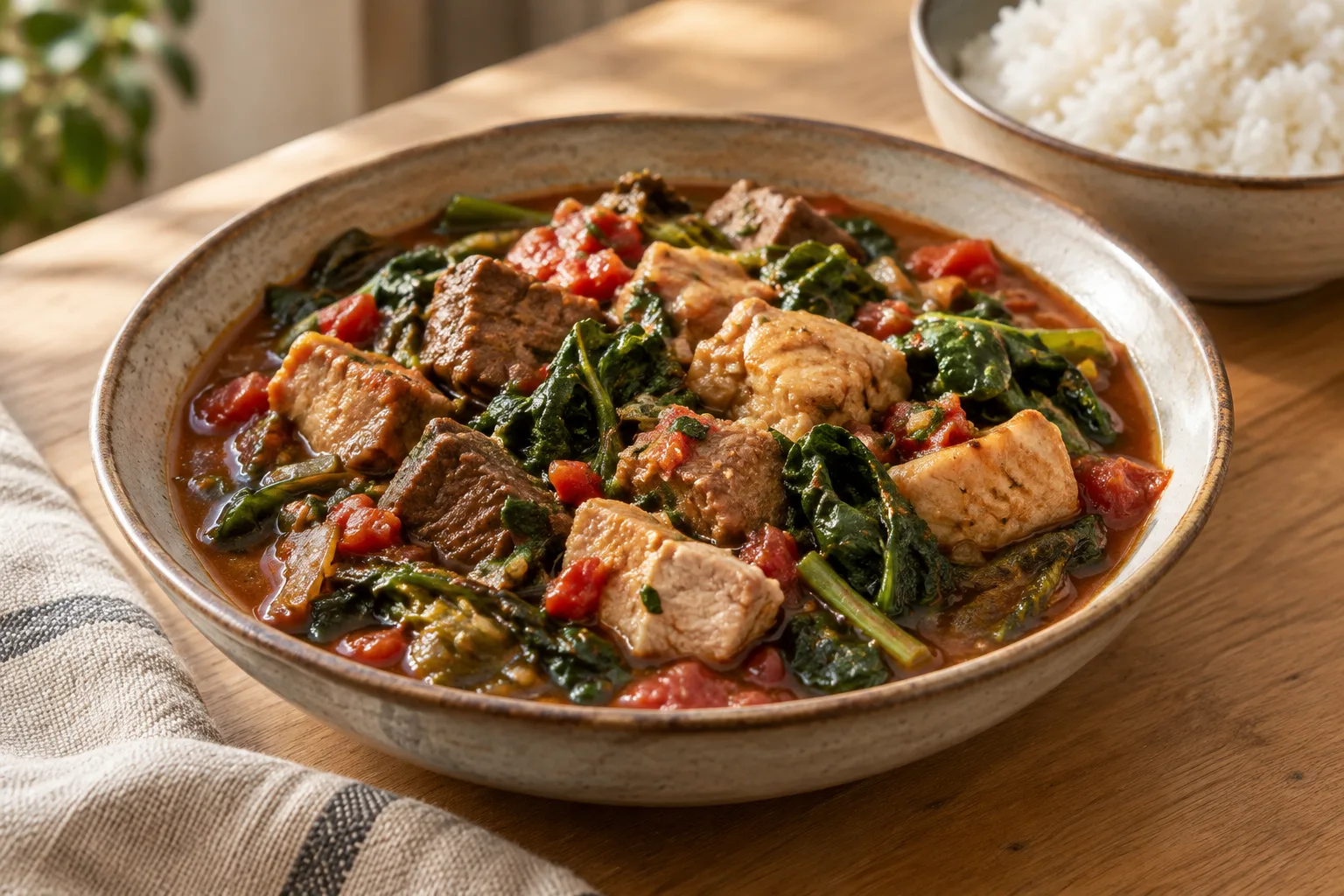
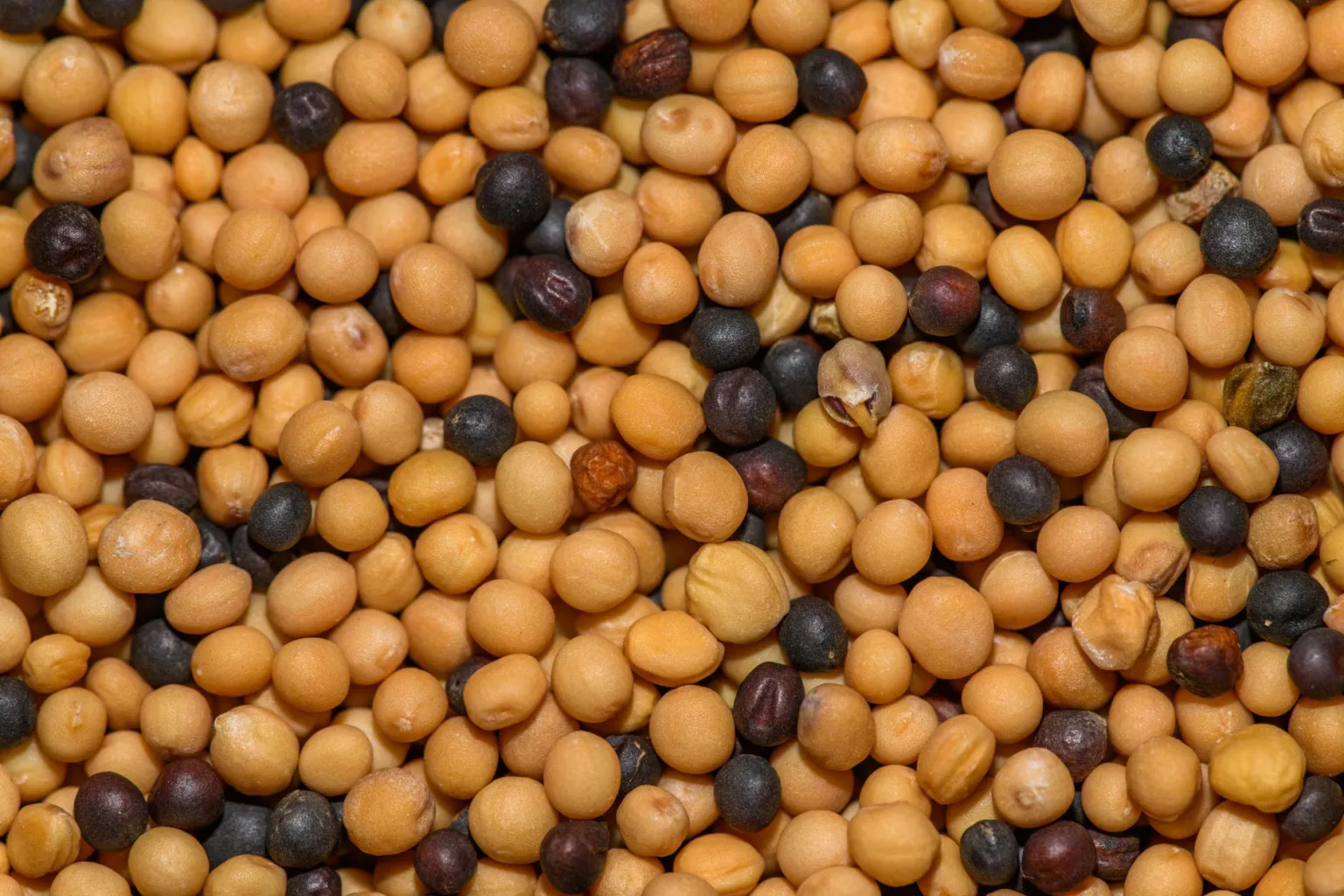
Mustard greens are the edible leaves of a plant in the Brassicaceae family. Sold fresh as a vegetable, they are not the same ingredient as mustard seeds or the prepared mustard condiment: these are different plant parts and have distinct culinary uses. The leaves can be served cooked as a side or added to rice and noodle dishes. They can also be cooked and mixed into chili. Leaf size and texture can vary, so adjust the cut and cooking to the leaves you have rather than assuming every bunch will cook in exactly the same way.
When to use it
Use mustard greens when you want a cooked leafy vegetable as a side, or want to add greens to a rice or noodle dish. They can also be cooked and mixed into chili. Since leaves and stems may differ in size and firmness, choose tender leaves for a quicker preparation and cut thicker stems into manageable pieces. The available information does not establish a particular season or a fixed set of months when fresh mustard greens are available.
How to use it
Separate the leaves and remove any damaged parts; cut large leaves and thicker stems into manageable pieces. For a side dish, sauté the greens until cooked and tender, or steam them. You can also steam them and mix them into chili, or incorporate cooked greens into rice or noodles. Adjust the cut and cooking to the texture of the leaves instead of assuming every variety behaves identically. If the greens are packaged, follow the storage and use directions on the label.
Flavour and texture
Mustard greens can have a pronounced flavor, with intensity that varies with the type of leaf and its maturity. Leaves and stems do not always have the same texture: stems may be firmer than the leafy parts, so cutting them into smaller pieces can make them easier to eat. The final texture depends on the size of the pieces and the cooking method; sautéing and steaming both produce cooked greens suitable for serving as a vegetable.
How to choose it
Choose leaves that look fresh and free of damaged or slimy patches, with stems that do not appear bruised or broken. For packaged greens, check that the package is intact and read any storage or use directions. Varieties can differ in size and texture, so choose leaves that suit your plan—for example, tender leaves for a quick preparation or thicker stems that you can cut for a sauté.
Storage
Fresh mustard greens are perishable. Follow the package storage directions when provided, and do not keep the leaves for longer than seems appropriate if they begin to deteriorate. Respect any storage conditions or date information shown on the label. There is no single storage duration that can be applied to every variety, package and home-storage condition.
Substitutions
Turnip greens can fill a similar leafy-vegetable role, but they are not identical in flavor or texture. Another edible leafy green can also be used, with its cut and cooking adapted to its own characteristics. Either substitution will change the result; do not assume the substitute has the same flavor or needs exactly the same cooking time.
Common mistakes
Do not confuse mustard greens with mustard seeds or prepared mustard; they are different ingredients. Another common mistake is treating every leaf as if it had the same size and firmness. Cut thicker stems and adapt the preparation to the leaves. If adding the greens to rice, noodles or chili, cook them before mixing them in.
Safety and allergens
For packaged greens, follow the storage and use directions on the label. If you add them to a prepared dish, check the allergen information for the other ingredients; the leaves alone do not establish the allergens in the complete recipe.
Culinary uses
- Cooked leafy vegetable served as a side
- Leafy ingredient for rice and noodle dishes
- Cooked greens that can be mixed into chili
Recommended techniques
- Sautéing
- Steaming
Pairs well with
- Rice
- Noodles
- Chili
Frequently asked questions
Are mustard greens the same as mustard condiment?
No. Mustard greens are a leafy vegetable; prepared mustard is generally made from seeds and other ingredients. They have different culinary uses.
How can I cook mustard greens?
You can sauté or steam them. Cooked leaves can also be mixed into chili or served with rice and noodles.
What can I use instead of mustard greens?
Turnip greens can play a similar role. Another leafy vegetable can work too, but flavor and cooking needs may differ.
Estimated nutrition
- Fat
- 0 g
- Saturates
- 0 g
- Carbohydrate
- 4.71 g
- Sugars
- 1.18 g
- Fibre
- 3.5 g
- Protein
- 2.35 g
- Salt
- 0.04 g
Sources and review
Automatically researched, cross-checked and validated content. Sources consulted:
- En el etiquetado alimentario hay algunas menciones que son obligatorias eletiquetadocuentamucho.aesan.gob.es
- ¿Por qué la muerte es origen de miedos y tabúes? doi.org
- The Essential Glossary of Cooking Terms for the Culinary Arts - Escoffier escoffier.edu
- Vamos a Conservar Alimentos: El secado de las plantas medicinales y aromáticas extension.psu.edu
- UCCE efforts improve quality of and demand for fresh ... ucanr.edu
- Mostaza: origen, tipos, propiedades y usos en la cocina bonviveur.com
- ¿Cuáles comidas debo seleccionar para promover la salud? | Home & Garden Information Center hgic.clemson.edu
- Vegetative plant parts | Servicio de Extensión de OSU extension.oregonstate.edu
- Guía de aplicación ANFABRA aesan.gob.es
- Manual para Navegar el Puget Sound Food Hub rvs.umn.edu
- Hojas de mostaza – Mi Culinaria miculinaria.wordpress.com
- La mostaza como especia | El Huerto Urbano elhuertourbano.net