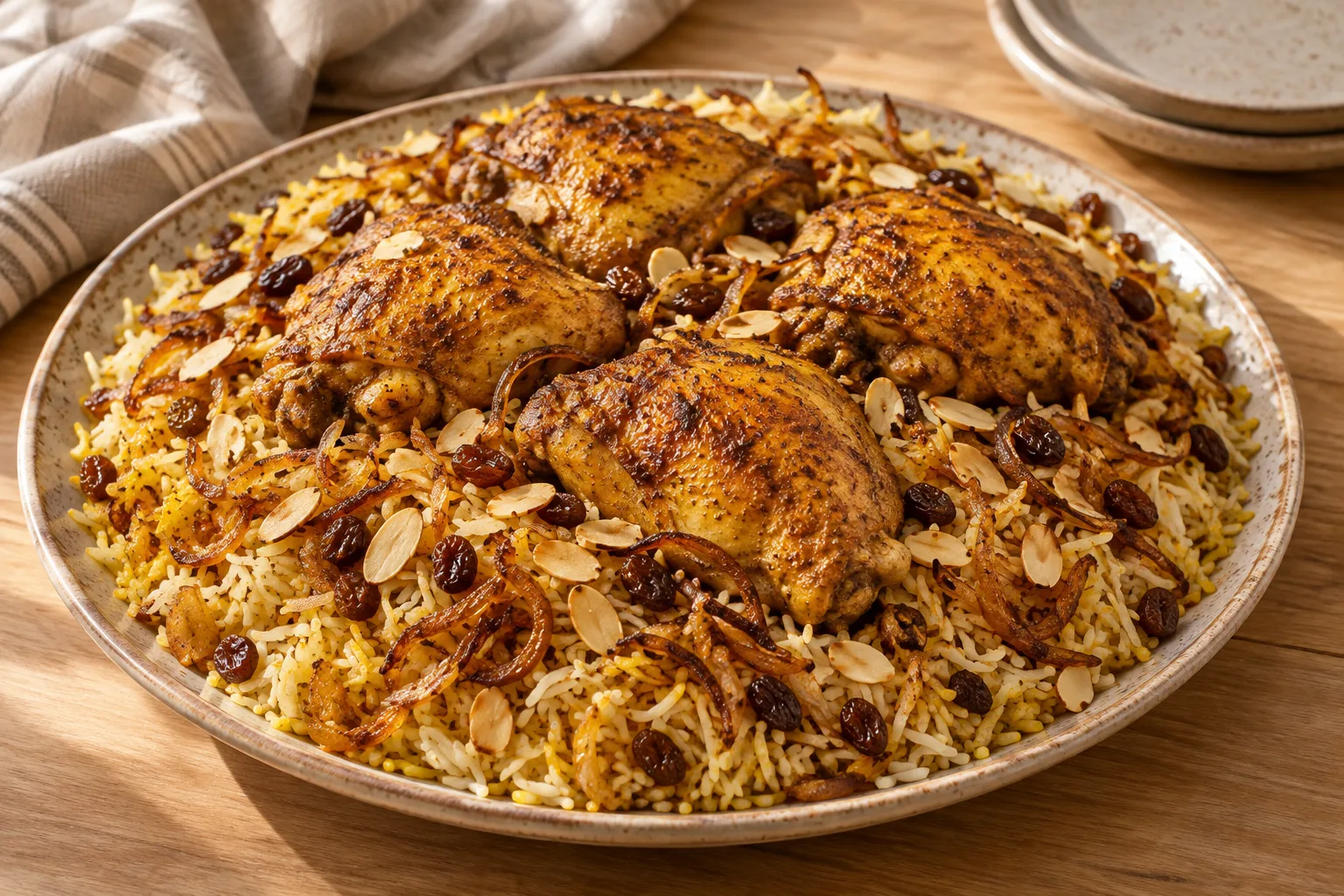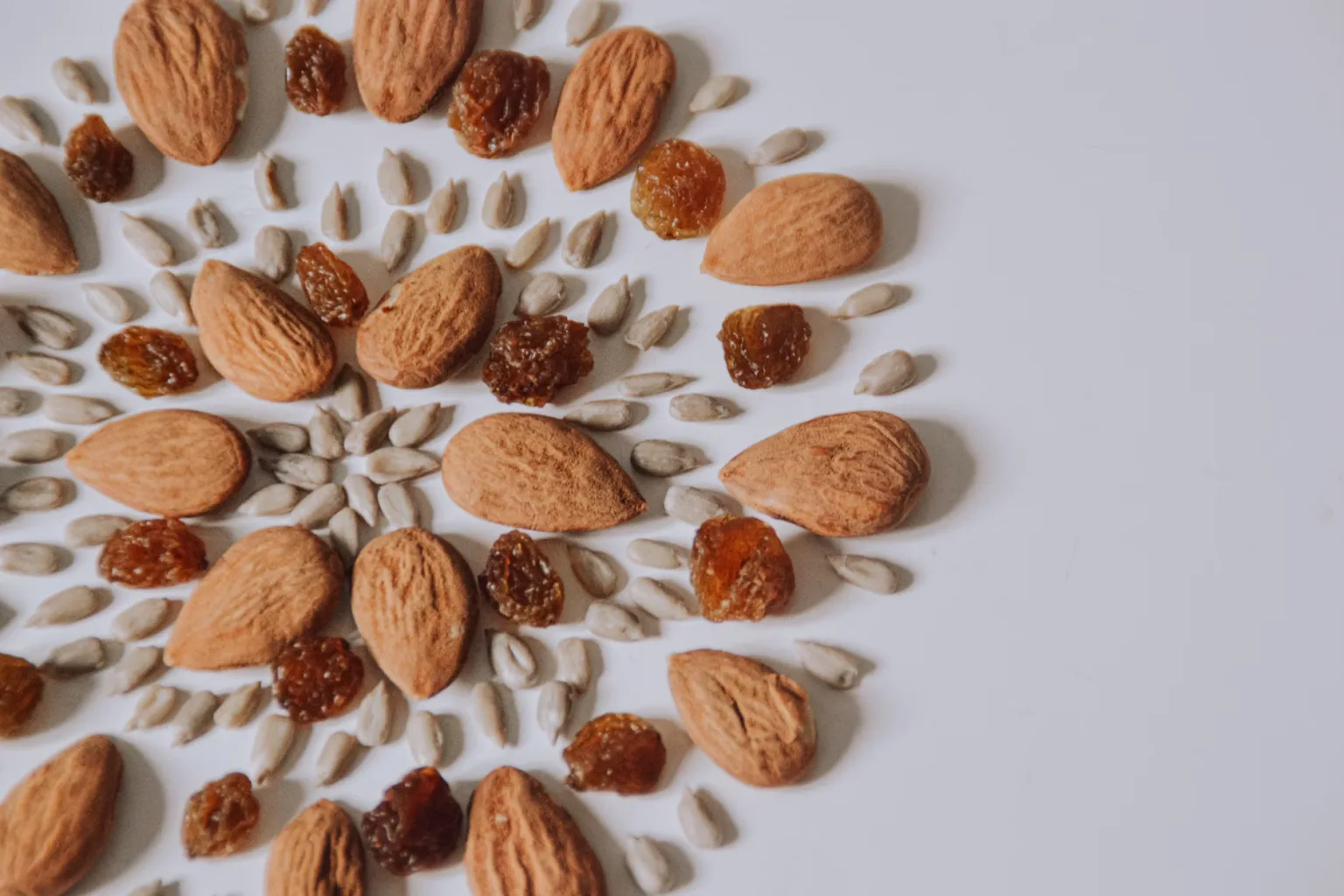
- Category
- Oils and fats
- State
- Liquid
- Usual unit
- tablespoon
What it is
Olive oil is a vegetable oil made from the fruit of the olive tree. Here, it means cooking oil used to prepare almonds and raisins; it does not specify a particular category such as extra virgin or refined. Flavor and intensity can vary with the oil and olive variety. Olive oil can be used raw or for cooking, including a brief sauté. If you want the nuts and raisins to remain the focus, choose an oil with a flavor you like and begin with a moderate amount.
When to use it
Use it when you want to cook almonds and raisins in a pan, help prevent sticking, and add a flavor note. A small amount may be enough to coat the ingredients; add more only if needed. Oil can also be added raw at the end if that suits the dish. Choose a mild-tasting oil when you want the ingredients to stand out, or a more assertive one if you want the oil to be noticeable. This pantry ingredient has no specific season for use.
How to use it
Measure the oil according to the recipe and the amount of almonds and raisins; a tablespoon is a practical unit when a recipe calls for it, not a universal ratio. Warm the oil in a pan, add the ingredients, and move them around so they cook evenly. Sautéing is commonly done over high heat for a short time, but watch the pan and avoid letting the oil smoke before adding the food. Adjust the heat and amount to suit the result. You can also add a little oil at the end for flavor. If you substitute another vegetable oil, remember that it may change the taste of the dish.
Flavour and texture
Olive oil is liquid and gives food a smooth, oily coating, but its flavor is not always the same. It can be mild or more pronounced depending on the oil and olive variety. With almonds and raisins, it acts as a cooking medium and may contribute its own flavor, so choose a style that suits the result you want.
How to choose it
Choose oil labeled for food use and check the category stated on the package; this profile does not assume that it is extra virgin or any other specific type. Some Arbequina oils are described as mild and fruity, while Picual oils can be more assertive. Select a flavor profile that complements rather than overwhelms the almonds and raisins.
Storage
Keep the oil in a tightly closed container, protected from light and heat. An opaque container can help limit light exposure. Follow the producer’s storage directions and avoid leaving the container open near a heat source. Advice to filter and store oil in an opaque container applies to oil that has been used for frying; it does not replace the product’s own instructions.
Substitutions
You can substitute sunflower oil or another vegetable oil if you need a liquid cooking fat for the pan. The flavor will change: sunflower oil is generally more neutral than olive oil. Adjust the amount to the recipe, and do not assume that all oils taste or behave exactly alike.
Common mistakes
Using more oil than needed can make the dish feel heavy and allow the oil’s flavor to dominate. Another mistake is heating the pan until the oil smokes before adding the ingredients. Do not assume that all olive oil tastes the same; the product type and olive variety can affect the result.
Safety and allergens
Handle the pan and hot oil carefully to avoid splashes and burns. Do not leave the pan unattended while cooking, and follow the directions on the oil container.
Culinary uses
- grasa para cocinar y dorar
- ingrediente para aportar sabor y ayudar a que los alimentos no se peguen
Recommended techniques
- saltear
- freír o cocinar en sartén
- usar en crudo
Pairs well with
- almendras
- pasas
Frequently asked questions
How much olive oil should I use?
Follow the recipe and use enough to cook the ingredients without leaving them swimming in oil. A tablespoon can be a practical measure if the recipe specifies it, but it is not a fixed ratio.
Can I sauté almonds and raisins in olive oil?
Yes. Olive oil can be used for a pan sauté or added raw, depending on the dish. Watch the heat and move the ingredients around to help them cook evenly.
Can I replace it with sunflower oil?
Yes. Sunflower oil can work as a substitute, although its flavor is different and generally more neutral. Adjust the amount to suit the recipe and the flavor you want.
Sources and review
Automatically researched, cross-checked and validated content. Sources consulted:
- Aceite de oliva - Wikipedia, la enciclopedia libre es.wikipedia.org
- Aceite de Oliva Virgen Extra: Beneficios, Historia y Usos elpaladar.es
- Efectos territoriales de las denominaciones de origen protegidas de aceite de oliva en España | Archivo Digital UPM doi.org
- Neologismes documentats en textos escrits i orals en ... repositori.upf.edu
- Educación sobre la diabetes healthsystem.osumc.edu
- Guia_RGSEAA.pdf aesan.gob.es
- Usos del aceite de oliva en la cocina aceitesabril.com
- 5 usos del aceite de oliva virgen extra en la cocina española orgazmadrid.com
- El aceite de oliva virgen extra como ingrediente esencialEl aceite de oliva virgen extra como ingrediente esencial en nuestra gastronomía molinotorres.es
- - YouTube youtube.com
- Tipos de Aceite de Oliva y Usos reces.es
- ¿Conoces todos los usos del aceite? Te los contamos - Albojaira aceitedealfacar.com