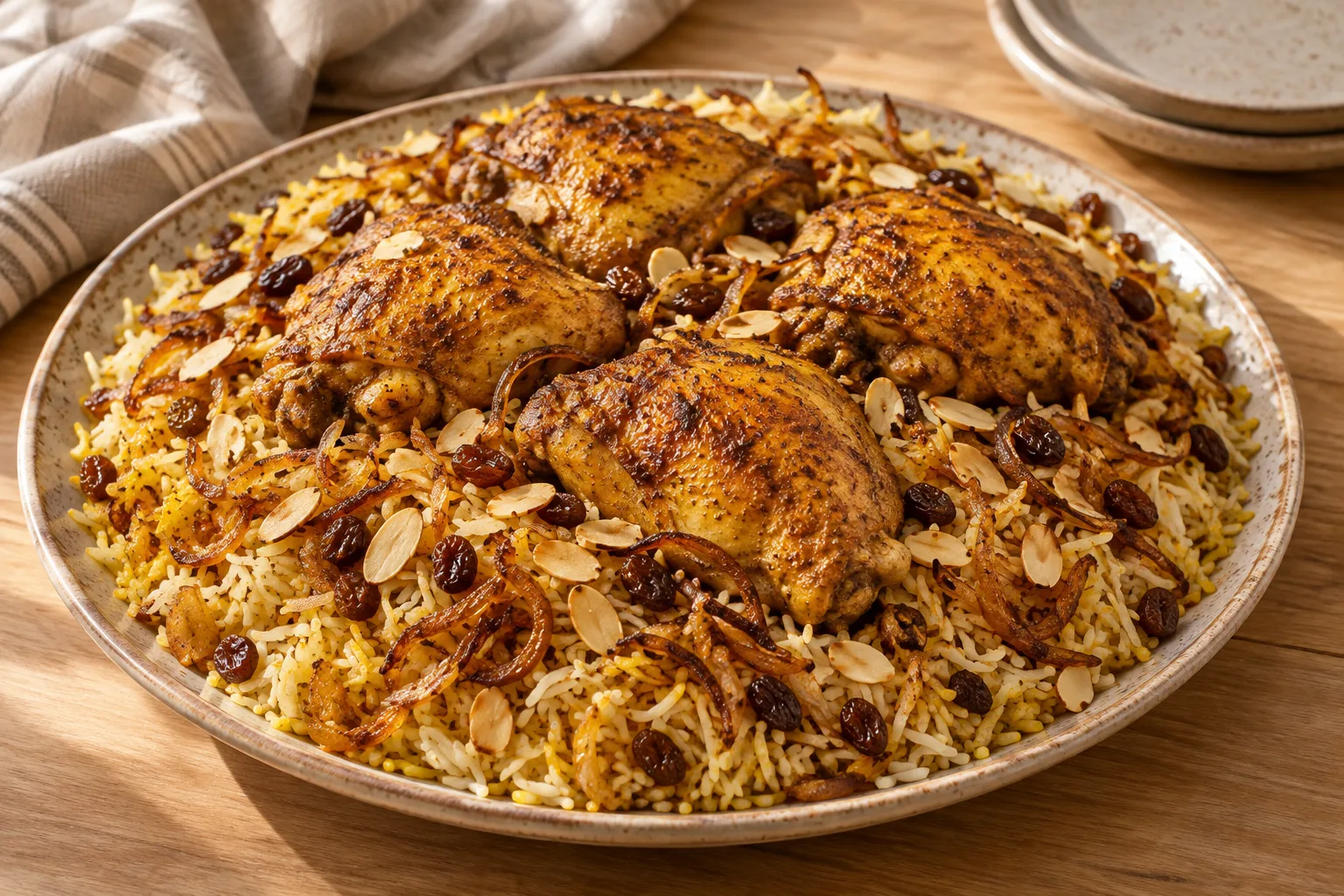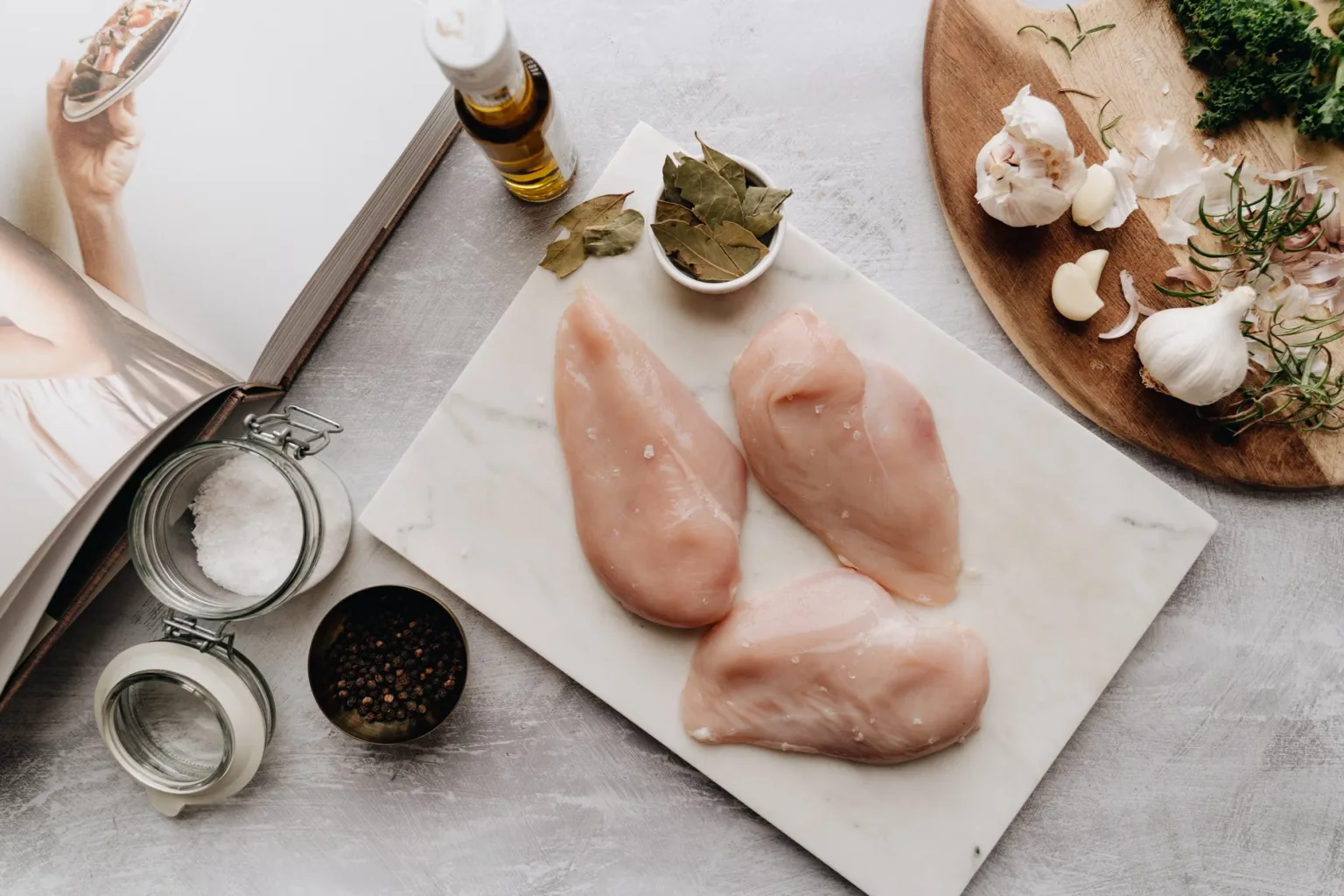
- Category
- Oils and fats
- State
- Liquid
- Usual unit
- tablespoon
What it is
Olive oil for chicken is not a special product category; it simply means olive oil used to cook or season chicken. It is made from olives and is sold in styles with different flavor profiles. If the oil will be noticeable in the finished dish, choose one whose flavor you enjoy; for a subtler result, choose a milder-tasting oil. Measure it by the tablespoon or add it gradually, aiming to coat the chicken rather than leave it sitting in excess fat. Before baking, a little oil can help distribute seasoning and contribute to browning. It can also be mixed with herbs or spices, added to a sauté, or used in a dressing. The phrase describes how the oil is used in a recipe, not a distinct olive variety or a blend specially formulated for chicken.
When to use it
Use it to lightly coat chicken before baking, add fat to a pan for sautéing, or make a sauce or dressing. It also works in a simple seasoning mixture with garlic, herbs, lemon, or spices. If the oil will be clearly noticeable, choose a flavor that suits the finished dish; for a gentler taste, use a milder oil. There is no need to add a large amount: start modestly and add more only if the preparation needs it. The recipe, cut of chicken, and cooking technique determine how much is appropriate.
How to use it
To bake chicken, place it in a dish and drizzle with a moderate amount of oil. Spread it over the surface with clean hands or a utensil, then add the seasoning specified by your recipe. You can also mix the oil with herbs or spices first to distribute their flavor. For sautéing, heat a small amount in the pan and add the chicken as directed by the recipe. For a dressing or sauce, add the oil gradually and taste as you go so you can adjust the flavor. If you want the oil to stand out, add a little when serving. Amounts are not interchangeable across every recipe: adapt the oil to the technique and avoid using more than needed.
Flavour and texture
The flavor depends on the particular oil: some taste mild, while others are more pronounced. Olive oil adds a smooth, unctuous quality and helps coat the chicken and distribute seasonings. In oven or pan preparations, it can contribute to browning, although the result also depends on the cut, cooking method, and doneness. For chicken in which herbs or spices should lead, choose a more restrained oil. If you want the oil to be part of the dish's flavor, select one whose taste you enjoy.
How to choose it
Choose an olive oil suited to the intended use and with a flavor you like. If it will be used uncooked or have a noticeable presence, pay particular attention to its aroma and taste; for a subtler result, look for a milder profile. Read the label to identify the oil and its packaging, rather than assuming that a special chicken-specific category exists. Packaging that shields the oil from light can help protect its quality.
Storage
Keep the oil tightly closed in a cool place away from direct light and sources of heat. Avoid leaving the bottle open beside the stove while preparing chicken. Close the container after each use and use clean utensils when dispensing the oil. To help preserve its flavor, do not store it for long periods in a warm or brightly lit place. Follow any storage directions on the product label.
Substitutions
A neutral vegetable oil can replace olive oil when you want the oil's flavor to be less noticeable, though this may change the character of the dish. Some recipes can also use olive oil in place of butter, but the flavor and texture may differ. Follow the recipe's proportions when specified, and do not assume that all fats behave identically. If the oil is part of a dressing or sauce, taste the mixture after substituting and adjust the seasoning.
Common mistakes
A common mistake is using so much oil that the chicken becomes greasy instead of lightly coated. A strongly flavored oil can also overwhelm a dish when the intention is to highlight other ingredients. Do not mistake oil used for chicken as a special product category: olive oils vary in type and flavor. Finally, do not leave the bottle open near heat or light, or disregard the recipe's directions for quantity and technique.
Safety and allergens
Oil does not replace hygienic handling or safe cooking of chicken. Follow official food-safety guidance when handling raw chicken and cook it thoroughly.
Culinary uses
- Grasa para cocinar pollo
- Ingrediente para aportar sabor y ayudar a dorar
- Base para aliños y salsas
Recommended techniques
- Rociar el pollo antes de hornearlo
- Saltear
- Freír
- Usar en crudo en aliños
Pairs well with
- Pollo
- Ajo
- Limón
- Hierbas y especias
Frequently asked questions
Can I use olive oil to bake chicken?
Yes. Drizzle a moderate amount over the chicken before baking and add the seasoning called for in your recipe. One chicken-baking recipe uses olive oil in this way.
Which olive oil should I choose?
Choose according to the flavor you want in the dish. Pick an oil whose taste you enjoy if you want it to be noticeable, or a milder one for a more subtle result.
Can I substitute another oil?
Yes. A neutral vegetable oil can work when you want a less pronounced flavor. The substitution may change the dish, so adjust the seasoning and follow the recipe's proportions.
Sources and review
Automatically researched, cross-checked and validated content. Sources consulted:
- The Essential Glossary of Cooking Terms for the Culinary Arts - Escoffier escoffier.edu
- Agencia Española de Seguridad Alimentaria y Nutrición aesan.gob.es
- Appendix B: Recipes for Disease Prevention – Culinary Medicine opentextbooks.library.arizona.edu
- Healthy Food Donation List.pdf lyon.k-state.edu
- Food & Nutrition | Colorado State University Extension foodsmartcolorado.colostate.edu
- Qué aceite de oliva usar para cocinar: tipos, cómo usarlos y cuándo usar girasol directoalpaladar.com
- Usos del aceite de oliva en la cocina aceitesabril.com
- 5 usos del aceite de oliva virgen extra en la cocina española orgazmadrid.com
- Leer revista ITEA – Asociación Interprofesional para el Desarrollo Agrario doi.org
- Pollo con Chile y Zarzamora | Dinner Tonight dinnertonight.tamu.edu
- Ensalada Verde y Anaranjada con Pollo | Servicio de Extensión de OSU extension.oregonstate.edu
- Mozzarella Chicken with Garlic Spinach Pollo con ... huskynutritionsport-education.media.uconn.edu
- Mejor Aceite De Oliva Para Cocinar molinoalfonso.com