- Category
- Herbs and spices
- State
- Dry
- Usual unit
- peppercorn
What it is
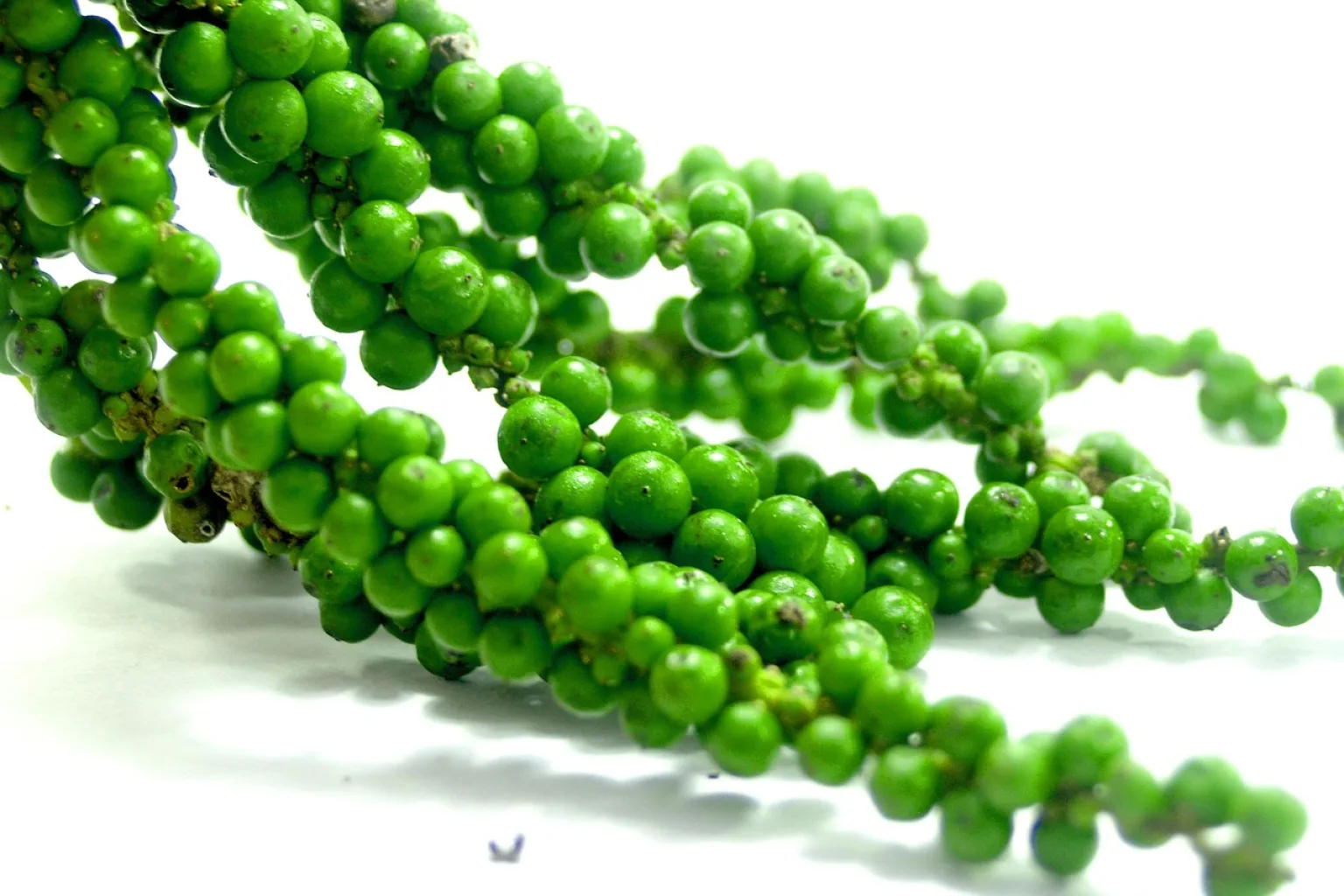
Peppercorns are the dried or preserved fruits used as a spice, most commonly those of Piper nigrum. Black, white, and green peppercorns come from this same species but are harvested or processed differently, which changes their appearance, aroma, and flavor. Black pepper is commonly sold dried, whole, or ground; white pepper is pale, while green peppercorns may be dried or preserved in brine. The culinary name also covers other berries, including pink peppercorns, which do not come from Piper nigrum. Color alone therefore does not guarantee that two products come from the same plant or taste interchangeable.
When to use it
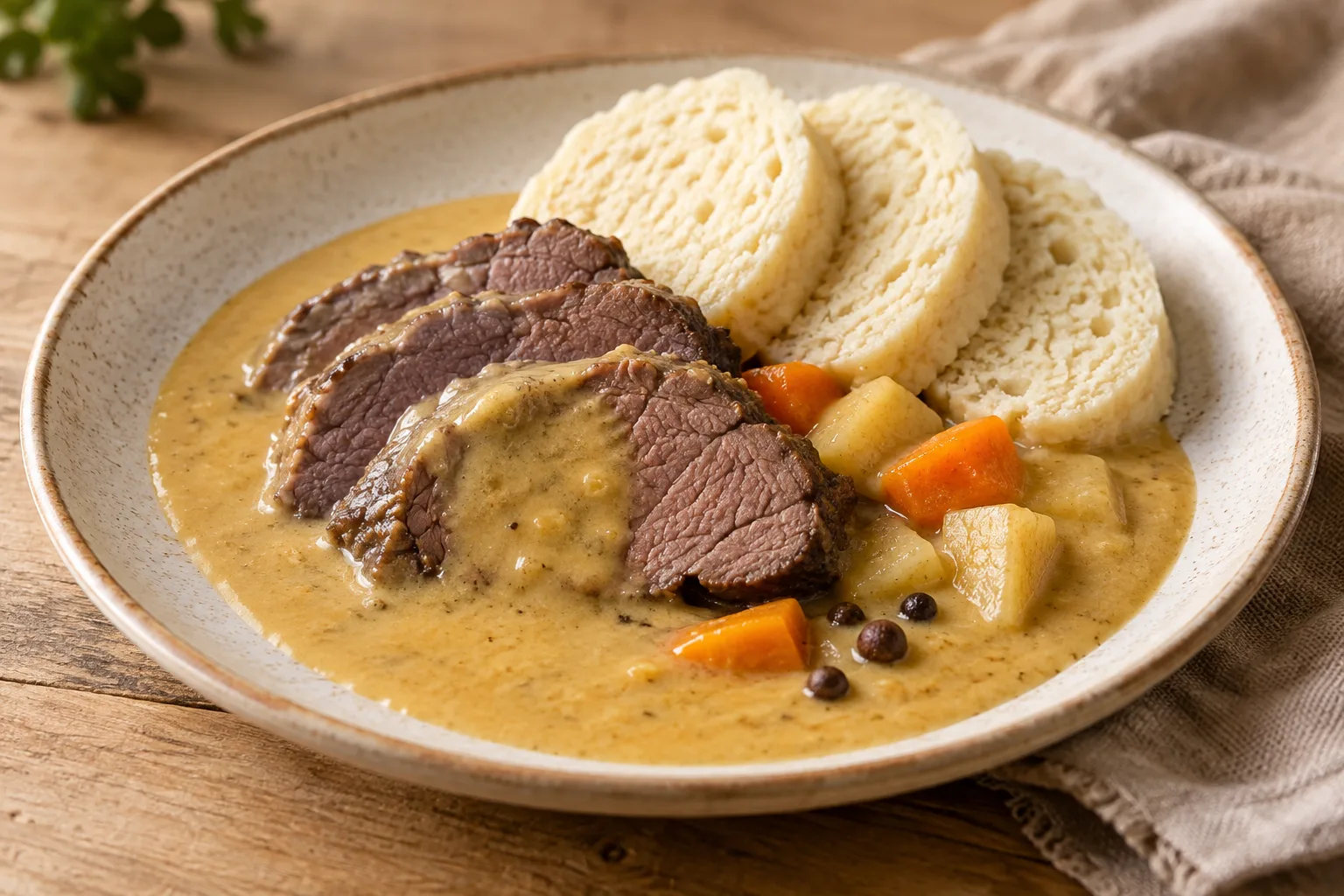
Use peppercorns when you want aromatic heat and control over a dish’s intensity. Black pepper works across stews, braises, roasts, pickled preparations, sauces, and salads. White pepper suits pale sauces, creamy dishes, fish, or egg preparations when you want to avoid visible dark flecks. Green peppercorns can bring a fresher character to creamy sauces, meat, and fish. Choose a variety for the flavor profile you want, not just for how hot you expect it to be.
How to use it
Keep peppercorns whole until needed, then grind or crush them to the texture you want; freshly ground pepper is especially aromatic. Add whole peppercorns to stews, braises, or pickled preparations when you want their flavor to infuse during cooking and be easy to pick out or leave aside at serving. For a more even seasoning, grind pepper over sauces, soups, salads, or vegetables. White pepper can suit pale dishes, while green peppercorns may be used whole or crushed depending on the recipe and product. Start with a small amount, taste, and adjust: varieties differ in aroma and intensity, and pepper should support rather than overwhelm the main ingredient.
Flavour and texture
Black peppercorns typically have a pronounced aroma, warm heat, and a dry, wrinkled surface. White pepper is less aromatic but still pungent; ground white pepper avoids the dark flecks of black pepper. Green peppercorns tend to be fresher, more vegetal, and milder while retaining some heat; brined ones also carry the character of their preserving liquid. Pink peppercorns are botanically different and are described as sweeter and fruitier.
How to choose it
For grinding as needed, choose whole peppercorns in a well-sealed package; they let you control the grind and are more aromatic when freshly ground than when already powdered. Choose the color to suit the dish, and check whether green peppercorns are dried or brined. The name “pink peppercorn” can refer to berries from a different plant, not Piper nigrum. Buy products clearly identified for culinary use.
Storage
Keep whole dried peppercorns in a tightly closed container in a dry place, away from moisture. Grinding just before use helps make the most of their aroma. For green peppercorns in brine, follow the package’s storage directions rather than treating them like a dry spice. There is no single storage period that applies to every product, since format and label directions can vary.
Substitutions
White pepper can replace black when you want to keep a dish visually pale, though its aroma is different. Green peppercorns offer a fresher, milder profile and are suitable only when that change works with the dish. Black pepper is an option when you want more intensity. Adjust gradually and consider whether the peppercorns are dry or preserved in brine.
Common mistakes
Do not assume every variety tastes the same just because it is called pepper. Swapping black for white or green changes aroma, appearance, and intensity. Another common mistake is grinding a large amount well ahead when a lively aroma is wanted, or adding too much before tasting. Check whether green peppercorns are brined; they are not the same as dry ones.
Safety and allergens
Use peppercorns clearly identified and sold for cooking; do not confuse spices with wild berries that look similar. Check the label, especially for pink peppercorns or preserved green peppercorns.
Culinary uses
- Condimento picante y aromático
- Base para mezclas de especias
Recommended techniques
- Moler justo antes de usar
- Machacar o añadir los granos enteros
Pairs well with
- Carnes, guisos y asados
- Salsas, sopas y verduras
- Pescados y preparaciones con huevo
Frequently asked questions
Do black, white, and green peppercorns come from the same plant?
The common black, white, and green varieties come from Piper nigrum but are harvested or processed differently. Pink peppercorns usually come from a different genus.
Should I buy whole or ground pepper?
Whole peppercorns let you grind them just before use and control the texture. Ground pepper is convenient but does not offer that flexibility.
Which pepper should I use in a white sauce?
White pepper can season pale sauces without leaving the dark flecks associated with black pepper. Choose it for the flavor you want and add it gradually.
Estimated nutrition
- Fat
- 0 g
- Saturates
- 0 g
- Carbohydrate
- 50 g
- Sugars
- 0 g
- Fibre
- 50 g
- Protein
- 0 g
- Salt
- 0 g
Sources and review
Automatically researched, cross-checked and validated content. Sources consulted:
- ¿Por qué la muerte es origen de miedos y tabúes? doi.org
- The Essential Glossary of Cooking Terms for the Culinary Arts - Escoffier escoffier.edu
- Pimienta: origen, tipos, propiedades y usos en la cocina bonviveur.com
- Pimienta- Gastronomía - Región de Murcia Digital regmurcia.com
- Bilingual Budget-Friendly Hispanic Cookbook and ... scholarworks.lib.csusb.edu
- Vamos a Conservar Alimentos: Sopas extension.psu.edu
- Nutrition Education Materials for Food Pantries | UNL Food | Nebraska food.unl.edu
- Avocado Toast – Community Nutrition Security Research Group web.uri.edu
- Tipos de pimienta: variedades, sabores y usos en cocina munozypujante.com
- pork chop Archives | Dinner Tonight dinnertonight.tamu.edu
- Gusanos Saltadores | Integrated Pest Management | College of Agriculture, Health and Natural Resources | University of Connecticut ipm.cahnr.uconn.edu