- Category
- Fruit
- State
- Fresh
- Usual unit
- unit
What it is
A plantain is a fruit from the Musa group that is used differently in the kitchen from a typical dessert banana. Its flesh is generally firmer and starchier, and it is commonly cooked. The peel is often thick and changes from green toward yellow and darker shades as the fruit ripens. Color offers a useful guide: green plantains tend to be firm and mildly flavored, while riper fruit tends to soften and taste sweeter. Ripeness varies, so assess the individual fruit rather than relying on color alone. Plantains are sold fresh and can be fried, boiled, roasted, baked, or mashed. They are versatile cooking fruit, but they do not automatically replace dessert bananas in every recipe.
When to use it
Choose a green plantain when you need firm slices for tostones or patacones, chips, stews, or another savory dish where the pieces should hold their shape. A plantain turning yellow is generally softer and may have a mild sweetness, making it suitable for roasting or frying as a side. Very ripe, soft plantains work well in sweet cooked dishes, purées, or batters formulated for plantain. Ripeness changes both flavor and texture, so select the fruit to suit the result you want. Do not treat it as interchangeable with a dessert banana: even when ripe, plantain flesh is usually denser and is most often cooked.
How to use it
Wash the outside before cutting and peel the fruit; if the skin is tough, trim the ends and score it lengthwise so it can be removed carefully. For tostones or patacones, cut a green plantain into thick rounds, fry until softened, flatten the rounds, then fry again until golden and crisp. You can also slice it thinly for chips, boil and mash it for a side dish, or roast it until tender. Riper plantains bring more sweetness and can be fried or roasted for savory meals or used in sweet preparations. Match the cut and cooking method to the fruit’s firmness, and follow your recipe’s directions for oil and cooking.
Flavour and texture
Green plantain has a relatively mild flavor and firm, dense, starchy flesh. As it ripens, it softens and becomes sweeter, though it generally remains more substantial than a dessert banana. Frying can give it a crisp exterior and tender center; boiling and mashing make it softer. The final texture depends on ripeness and how the fruit is cut.
How to choose it
Choose the color and firmness for the dish: green fruit for firm slices and savory preparations; more yellow or darkly mottled fruit for a softer, progressively sweeter result. Look for fruit that feels firm for its stage of ripeness and has no major damage to the peel. Plantain skin is often thick, so its appearance differs from that of a dessert banana. If a recipe depends on slices holding their shape, avoid very soft fruit.
Storage
Keep whole plantains in a dry, ventilated place while they ripen to the stage you need, and check their color and firmness periodically. The peel may darken as the fruit ripens; color alone does not fully indicate the condition of the flesh. Once peeled or cut, use the fruit in the intended preparation and avoid leaving it exposed unnecessarily. The available evidence does not establish a universal storage period, so do not rely on a fixed number of days.
Substitutions
A dessert banana is not a direct replacement for green plantain in tostones, chips, or savory dishes: it is softer and sweeter. For a side-dish mash, potato can play a similar starchy role, but the flavor and texture will differ. For baking, choose a recipe designed for plantain or ripe dessert banana rather than exchanging them without adjusting the formula.
Common mistakes
Using a very ripe plantain in a dish that needs firm slices can make the pieces lose their shape. It is also easy to expect the sweetness and texture of a dessert banana, even when a plantain has turned yellow. Choose ripeness for the dish, not color alone, and do not assume a banana recipe will work with the same amount of plantain.
Safety and allergens
Use care when peeling and cutting, and take particular care around hot oil when frying. The available evidence does not identify a specific safety warning for this ingredient; follow ordinary hygiene practices when handling fruit and food.
Culinary uses
- Starchy cooked side dish
- Savory or sweet cooked ingredient
- Base for fritters, mash and snacks
Recommended techniques
- Frying, including double-frying for tostones or patacones
- Boiling and mashing
- Roasting or baking
- Slicing thinly for chips
Pairs well with
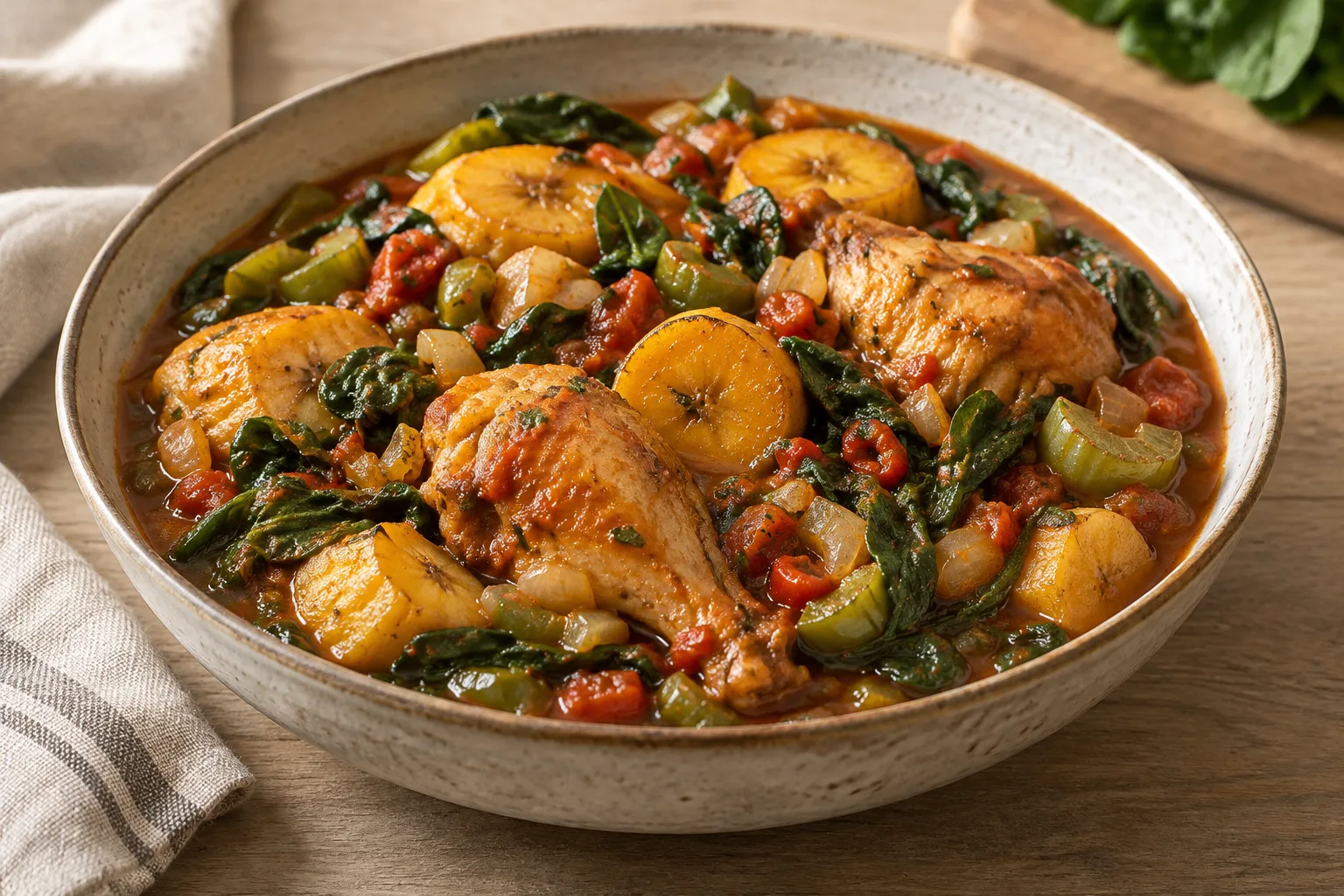
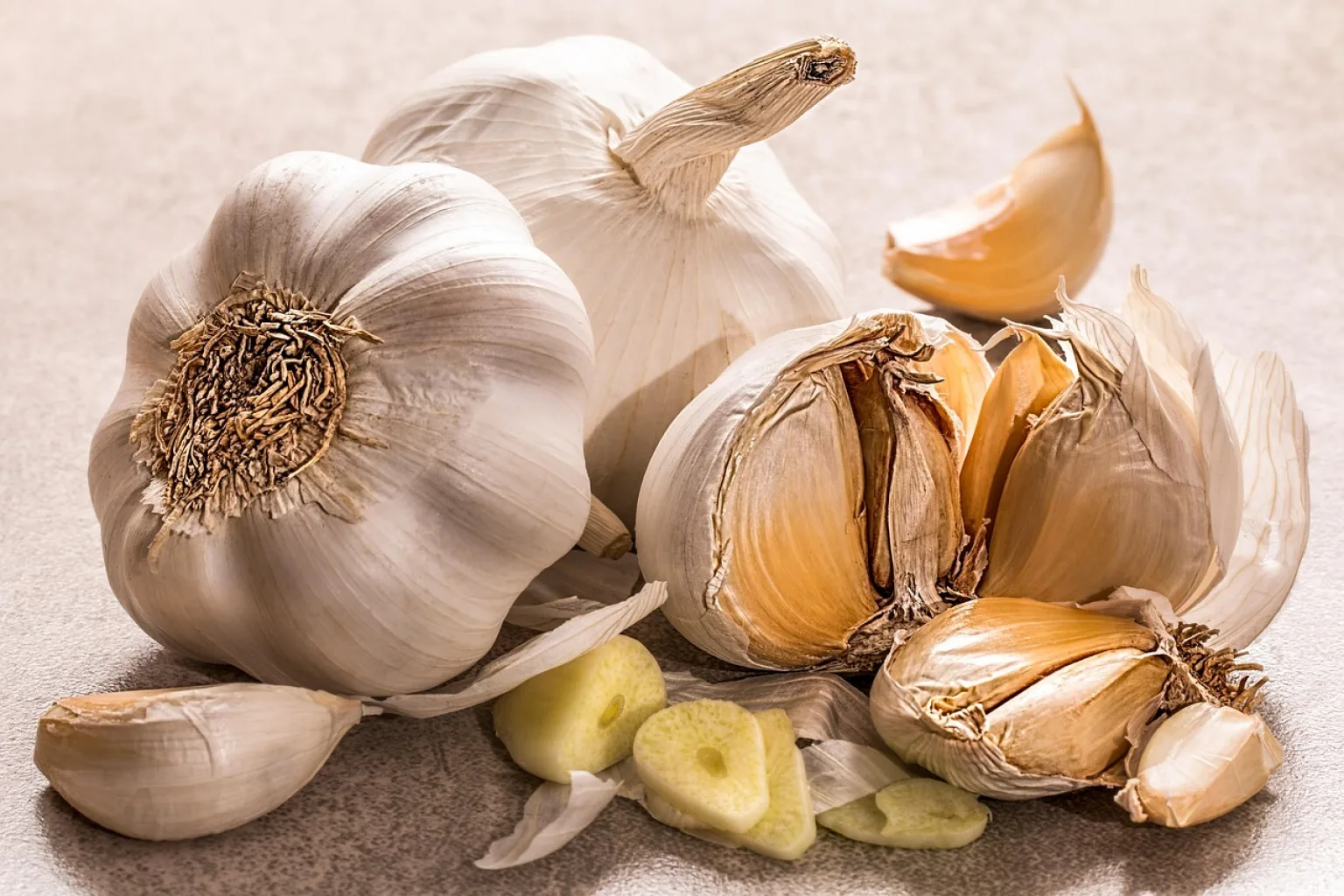
- Garlic and pork cracklings
- Meat and sautéed vegetables
- Rice and beans
- Cheese
Frequently asked questions
Can you eat plantains raw?
Plantains are generally cooked because their flesh, especially when green, is firm and starchy. Choose a cooking method suited to the fruit’s ripeness for a pleasant result.
Which plantain should I use for tostones?
Green plantains are usually the best choice because they stay firm when cut, fried, and flattened. Riper fruit is softer and sweeter.
Does a ripe plantain become just like a dessert banana?
Not necessarily. It becomes softer and sweeter as it ripens, but it generally remains denser and is most often used cooked.
Estimated nutrition
- Fat
- 11.8 g
- Saturates
- 3.69 g
- Carbohydrate
- 49.2 g
- Sugars
- 3.63 g
- Fibre
- 3.5 g
- Protein
- 1.5 g
- Salt
- 0 g
Sources and review
Automatically researched, cross-checked and validated content. Sources consulted:
- ¿Por qué la muerte es origen de miedos y tabúes? doi.org/10.64628/aao.fccyk3qj3 doi.org
- Client Challenge doi.org/10.2307/jj.27939689.16 doi.org
- Banana - Wikipedia, la enciclopedia libre es.wikipedia.org/wiki/Banana es.wikipedia.org
- Curiosidades sobre el plátano macho - Formacion en Gastronomia www.formacionengastronomia.com/cocina-latina/curiosidades-sobre-el-platano-macho/ formacionengastronomia.com
- Pan de Platano: Caribbean Plantain Banana Bread | Institute of Culinary Education www.ice.edu/blog/pan-de-platano-caribbean-plantain-banana-bread ice.edu
- Aplicaciones de la Biotecnología en Seguridad Alimentaria aesan.gob.es/dam/jcr:2eecb52a-e252-4339-b93a-db3e3c7faab6/biotecnologia.pdf aesan.gob.es
- Food Storage in the Home - Digital Commons@USU digitalcommons.usu.edu/cgi/viewcontent.cgi?article=1640&context=extension_histall digitalcommons.usu.edu
- Plátano macho: qué es, propiedades y cómo utilizarlo en la cocina www.directoalpaladar.com/ingredientes-y-alimentos/platano-macho-que-propiedades-como-utiliza… directoalpaladar.com
- Guía de tipos de plátano y sus aplicaciones | Recetas Nestlé www.recetasnestle.com.ec/escuela-de-sabor/coccion-tecnica/tipos-platano recetasnestle.com.ec
- «Pro lenguaje culinario»: reflexiones en torno al léxico en prensa especializada del primer cuarto del siglo XX | OpenAlex openalex.org/W7223703522 openalex.org
- Gastronomía de Yucatán - Wikipedia, la enciclopedia libre es.wikipedia.org/wiki/Gastronom%C3%ADa_de_Yucat%C3%A1n es.wikipedia.org
- Bananas vs. Plantains: Similar Fruit, Different Uses - UF/IFAS Extension St. Lucie County blogs.ifas.ufl.edu/stlucieco/2026/10/19/bananas-vs-plantains-similar-fruit-different-uses/ blogs.ifas.ufl.edu
- Plátano Macho: Historia y Preparación en Cocina Cubana | Receta Cubana www.google.com/goto?url=CAESagHrOzAVc2YCL4EbBXRRgYWXfdW9QC3lvWQu7o4DcrPZ63jYpnXQ6PMNjYxHCnkf… google.com
- Cómo usar el plátano macho en la cocina www.google.com/goto?url=CAESkQEB6zswFZm_fWaOMNFyz-c_y7_lVqrHXazE0uPDybUV7VTowy556XciI8YahMyk… google.com
- Para mí, lo nutritivo es lo hecho en casa. Desde la cocina hacia la alimentación y la salud: habilidades culinarias y decisiones alimentarias | OpenAlex openalex.org/W2564834729 openalex.org