- Category
- Meat
- State
- Fresh
- Usual unit
- g
What it is
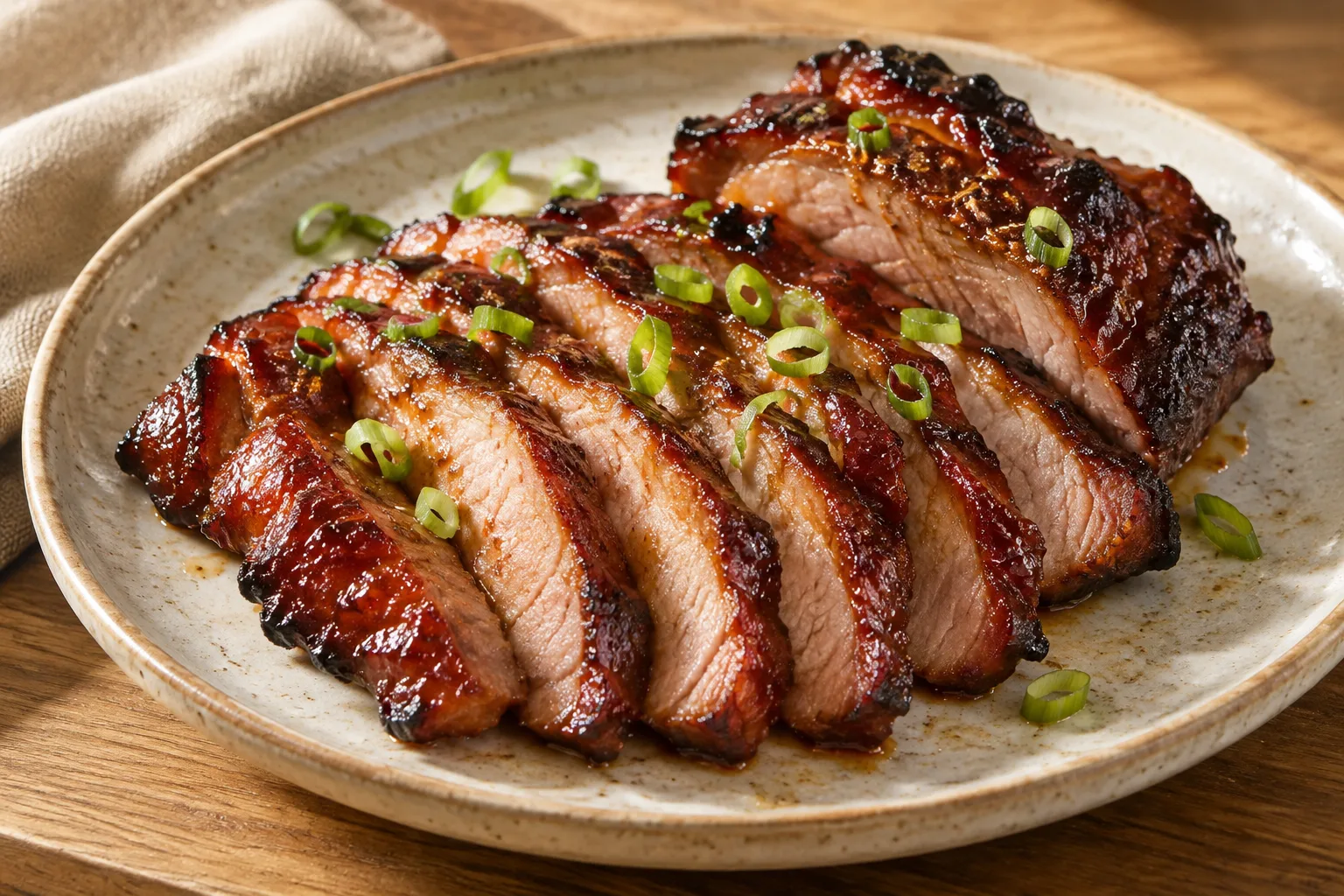
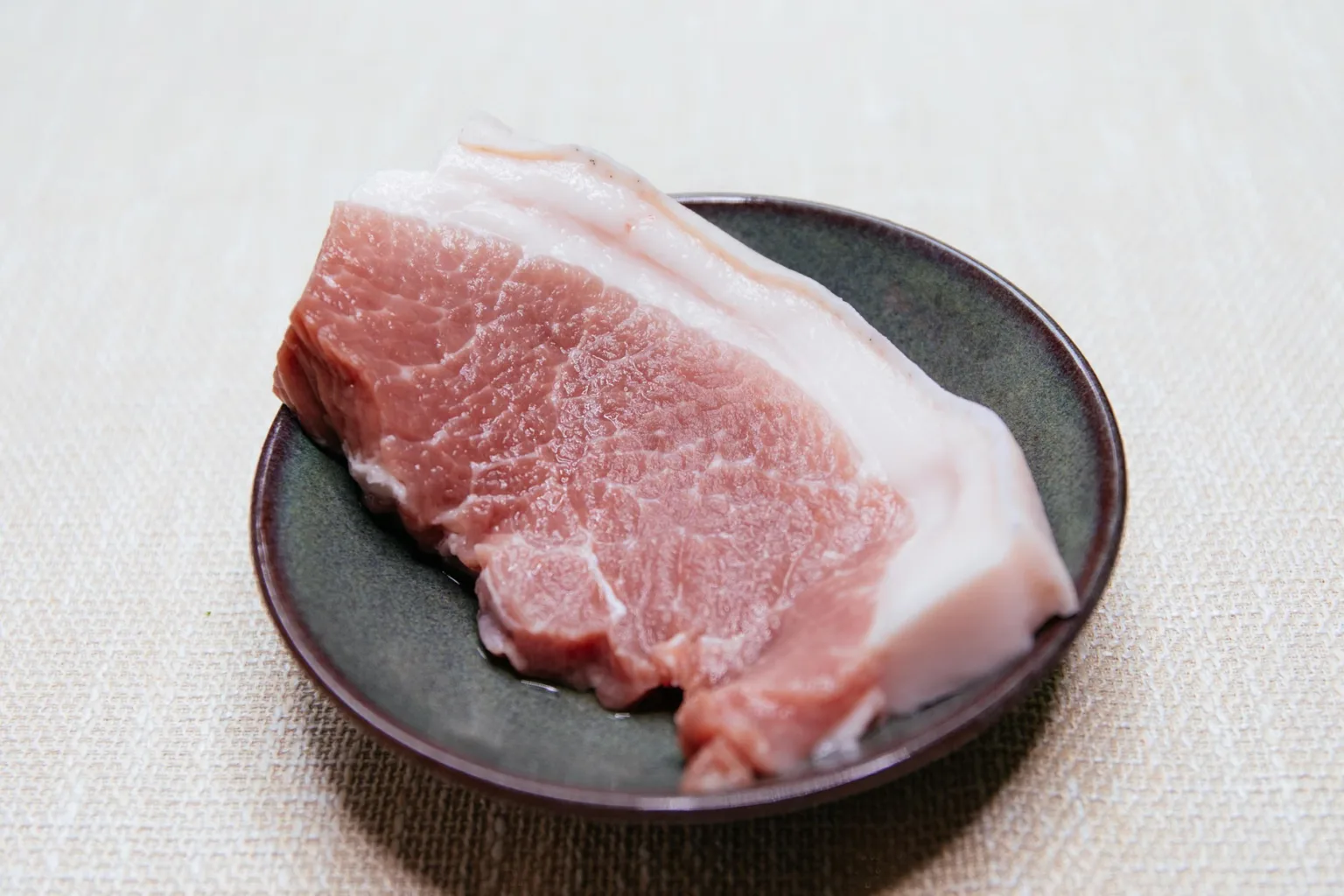
Pork collar is a cut from the upper part of the pig, near the neck and loin. Names and butchery boundaries vary between markets, so ask your butcher to confirm the cut. It often has streaks of fat running through the meat; the amount differs from piece to piece and can contribute to a juicy result when cooked. It is sold fresh as a whole piece or in portions. Cured or otherwise prepared products with similar names are also available, but they need different instructions: this profile covers the fresh cut. Its shape makes it suitable for roasting whole, cutting for the grill, or adding to a braise. It is not identical to a lean pork loin, so the two cuts may not behave the same way in a recipe.
When to use it
Choose pork collar when you want to roast a piece of pork and serve it sliced, or when you need a cut for stews and slow cooking. Cut into steaks or pieces, it can also be cooked on a grill or in a pan. It can suit everyday meals and shared-table dishes when the size of the piece and the time available fit the preparation. Do not automatically use it in a recipe calling for lean pork loin: collar may have more fat and a different shape. Since fat levels vary from piece to piece, adjust the method to the cut you have rather than assuming every piece needs the same treatment.
How to use it
Before cooking, inspect the piece and cut it to suit the dish: leave it whole for roasting, cut it into chunks for braising, or slice it for grilling or pan-cooking. You can season it with salt and pepper and serve it with onion, garlic, potatoes, carrots, peppers or mushrooms. For a roast, arrange vegetables around the meat and use the pan juices as the base for a sauce. For a braise, cook it with liquid and vegetables until the texture suits the dish; the time depends on the size of the pieces and the method. It also works with marinades featuring garlic, paprika and herbs. Treat recipe timings as guides, since weight, shape and equipment affect cooking. For safe handling, storage and cooking, follow the package directions and current food-safety guidance in your area.
Flavour and texture
Pork collar generally has a pronounced pork flavor and, when it has streaks of fat, can feel juicier than a very lean cut. The amount of intramuscular fat varies between pieces. When roasted or cooked slowly, the meat juices and cooking vegetables can make a flavorful sauce. The final texture depends on the cut and cooking method; do not assume every piece will behave the same way.
How to choose it
Ask the butcher to confirm that the cut is pork collar, since names and cut boundaries vary by location. Choose meat that looks fresh and, if wrapped, check that the packaging is intact. Look for a level of marbling suited to your dish. Check the date and storage directions on the label. For a whole roast, check the piece’s weight and shape; for grilling, you can ask for it to be cut into portions.
Storage
Store fresh pork collar according to the refrigeration directions and date on its packaging. If the directions are unclear, consult current food-safety guidance in your area rather than relying on a general time limit. Check the package directions if you plan to freeze it. Keep cooked leftovers in a clean container and follow local guidance for storing prepared foods.
Substitutions
Pork loin can work in some dishes, but it is usually leaner and may give a less juicy result. Another pork cut suited to roasting or braising may work if it fits the recipe, though its shape, fat content and texture may differ. Check with your butcher that an alternative cut suits the intended method; do not treat different cuts as interchangeable without adjustment.
Common mistakes
Do not assume pork collar and a lean loin roast are the same cut: their fat content and texture can differ. Avoid applying a fixed cooking time from another recipe without considering the size and shape of the piece and the oven or grill you use. Fat levels vary, so adjust the preparation. Follow package directions and local guidance for handling and cooking fresh meat.
Safety and allergens
For safe handling, storage and cooking of fresh meat, follow the package directions and current food-safety guidance in your area.
Culinary uses
- Asado de pieza entera
- Carne para guisos y cocciones lentas
- Corte para parrilla o sartén en porciones
Recommended techniques
- Asar al horno
- Guisar a fuego lento
- Cocinar a la parrilla o en sartén
- Marinar antes de cocinar
Pairs well with
- Patatas, cebolla y ajo
- Zanahoria, pimiento y champiñones
- Pimentón, ajo, orégano y vino
Frequently asked questions
What part of the pig is pork collar?
It comes from the upper part of the pig, near the neck and loin. The name and butchery boundaries can vary by location.
How can I cook pork collar?
Roast it whole, braise it, or cut it into portions for grilling or pan-cooking. Choose the method to suit the size and shape of the piece.
Can I substitute pork loin?
Sometimes, but loin is usually leaner and may be less juicy. Adjust the preparation and do not expect an identical result.
Sources and review
Automatically researched, cross-checked and validated content. Sources consulted:
- ¿Por qué la muerte es origen de miedos y tabúes? doi.org/10.64628/aao.fccyk3qj3 doi.org
- Gastronomía de Costa Rica - Wikipedia, la enciclopedia libre es.wikipedia.org/wiki/Gastronom%C3%ADa_de_Costa_Rica es.wikipedia.org
- El lomo de cerdo y sus variedades culinarias - Comidas Don Asado www.donasado.es/el-lomo-de-cerdo/ donasado.es
- lemmas.txt downloads.cs.stanford.edu/nlp/data/CoNLL17_Parser_Models/Spanish/Spanish-Parser/lemmas.txt downloads.cs.stanford.edu
- - YouTube www.youtube.com/watch?v=Is6bYGtt7A0 youtube.com
- Cabeza de lomo de cerdo al horno | Velocidad Cuchara www.velocidadcuchara.com/cabeza-de-lomo-de-cerdo-al-horno/ velocidadcuchara.com
- Cabeza de lomo qué es www.congecar2000.com/cabeza-de-lomo/ congecar2000.com
- Receta de cabeza de lomo de cerdo al horno, un corte jugoso para asar en salsa www.directoalpaladar.com/recetas-de-carnes-y-aves/receta-cabeza-lomo-cerdo-al-horno-facil-tr… directoalpaladar.com
- Ejercicio profesional supervisado "Manual de elaboración de derivados cárnicos" | OpenAlex openalex.org/W3154560267 openalex.org
- Cabecero de lomo: Delicias de la carne ibérica — Ibéricos Sofía Luengo www.ibericossofialuengo.es/blog/cabecero-de-lomo-delicias-de-la-carne-iberica-13/?srsltid=AY… ibericossofialuengo.es
- Cabeza de lomo sin hueso con más carne y más sabor – Proan Alimentos proanalimentos.com/blogs/carne-cerdo/cabeza-de-lomo-sin-hueso-con-mas-carne-y-mas-sabor?srsl… proanalimentos.com