- Category
- Meat
- State
- Fresh
- Usual unit
- g
What it is
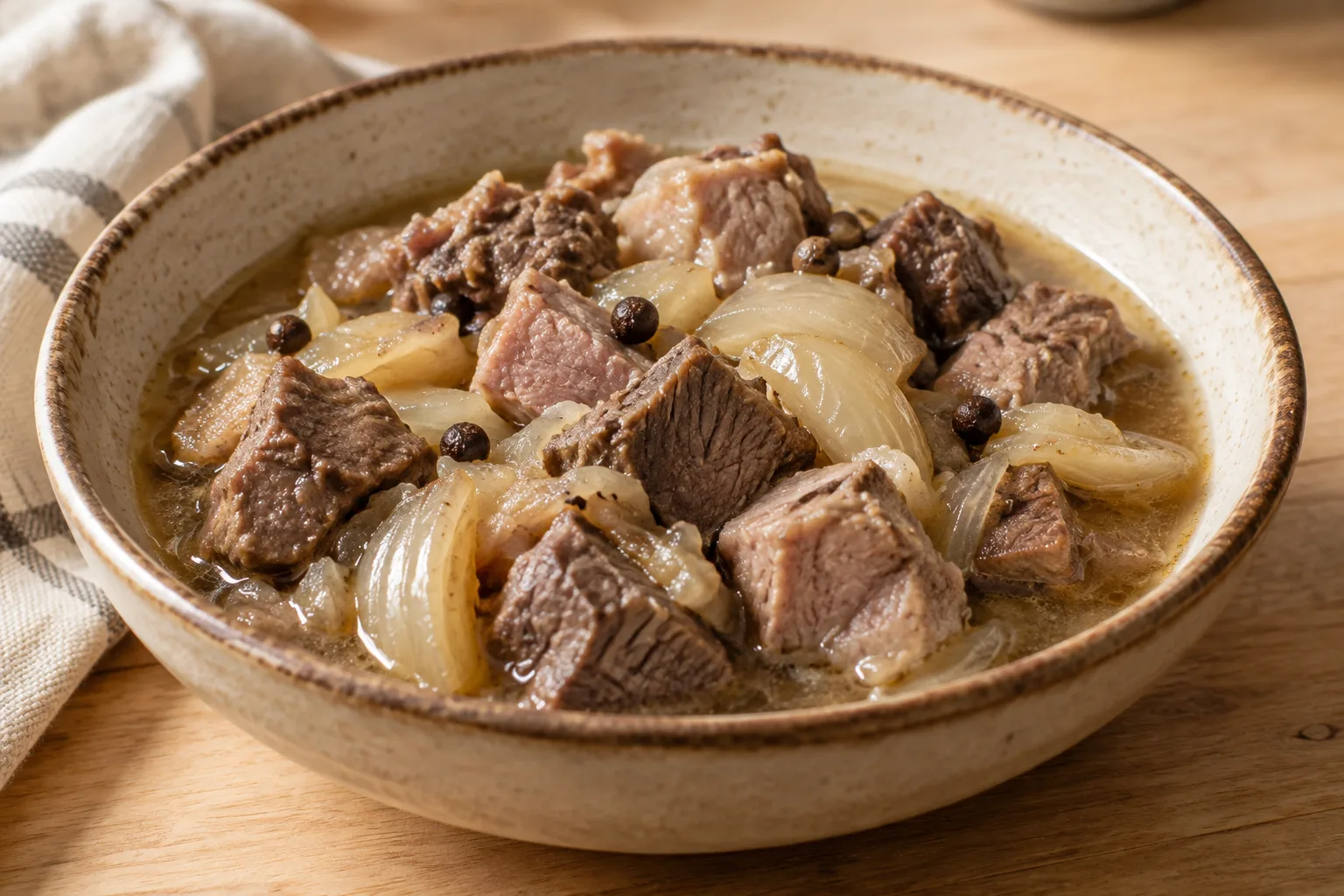
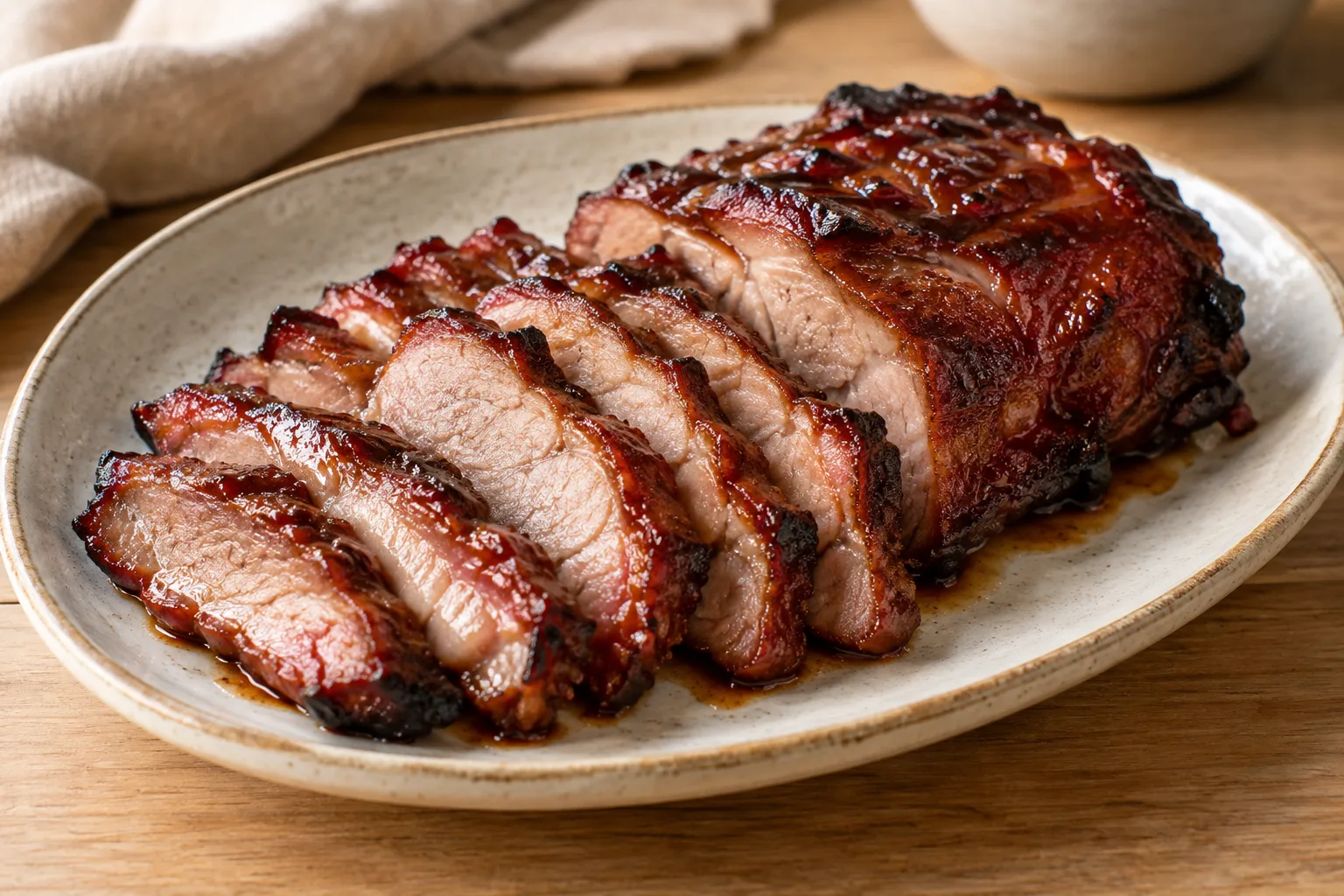
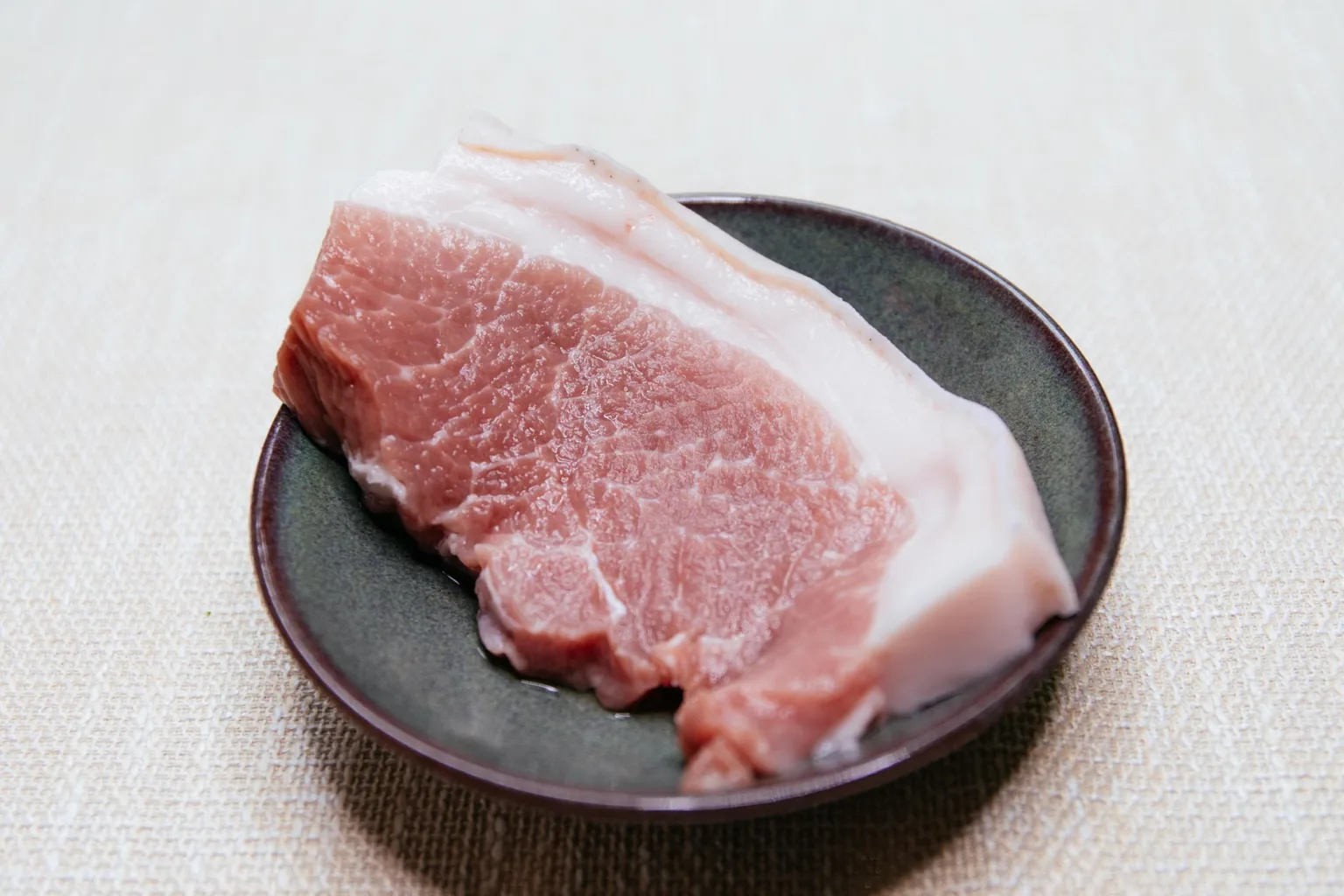
Pork shoulder is a cut from the front portion of the animal. This guide refers to fresh meat, not cured shoulder or a ready-to-eat deli product. It may be sold as a whole joint or in portions, depending on the cut and presentation. The cut can be roasted and is also used in slow-cooked stews. Some recipes season it with a marinade of herbs, spices or other flavorings before cooking. The result depends on the particular cut, its size and the cooking method, so use instructions suited to the piece you have bought.
When to use it
Choose pork shoulder when you want a pork joint to share, slice for a meal or use later in sandwiches and fillings. It can also be used in stews and dishes cooked slowly, especially when the recipe specifies shoulder or a suitable equivalent. A whole joint is convenient for roasting; chunks are easier to manage in a pot. If a recipe calls for fresh shoulder, do not swap in cured shoulder: they are different products and are prepared differently.
How to use it
Check that you have fresh shoulder and match the method to the way the meat is cut. For roasting, season it or coat it with a marinade of oil, herbs and flavorings; one roast recipe, for example, combines mustard, honey and aromatic herbs. Follow a recipe suited to the weight and shape of your joint, since cooking times can vary. For stews, cut it as directed and cook slowly with ingredients such as garlic, onion, bay leaf or beans. Consult the package directions and local official guidance for handling, cooking and storage.
Flavour and texture
Pork shoulder has a pork flavor and takes well to a range of seasonings, from garlic and herbs to mustard and marinades. A roast recipe describes it as juicy when cooked appropriately, though the outcome depends on the cut and method. The outside can brown during roasting; stewing gives it a different texture, more integrated with the sauce and other ingredients.
How to choose it
Choose a piece that suits your cooking method and the number of portions you need. Confirm that it is sold as fresh pork shoulder, and check the label, appearance and storage directions on the package. A whole joint can be convenient if you plan to carve slices from a roast; for a stew, ask whether it can be cut into pieces suited to your recipe.
Storage
Store the meat according to the label and maintain the cold-storage conditions specified by the retailer or package. If you will not cook it soon, check whether the product is suitable for freezing and follow the relevant instructions. After cooking, cover and refrigerate leftovers, and consult local official guidance for storage periods and reheating.
Substitutions
You can substitute another pork cut suited to the same technique, such as another shoulder cut or fresh leg, but its shape, size and result may differ. Adapt the recipe to the chosen cut. Do not use cured shoulder as a direct replacement for fresh meat: it is a different product and is prepared differently.
Common mistakes
Do not confuse fresh shoulder with cured shoulder, even though their names are similar. Avoid applying one fixed cooking time to every joint: size, shape and cooking method affect the result. Follow recipe directions suited to the particular cut, and consult the package instructions for handling and storage.
Safety and allergens
Follow package directions and local official guidance for handling, cooking and storing fresh meat. Choose a recipe suited to the cut and piece you have; do not assume the same method or timing works for every size.
Culinary uses
- Asado principal
- Carne para guisos
- Carne para preparaciones de cocción lenta
Recommended techniques
- Asar al horno
- Cocinar a fuego lento
- Adobar antes de cocinar
Pairs well with
- Ajo y cebolla
- Laurel y legumbres blancas
- Mostaza y hierbas aromáticas
Frequently asked questions
Is fresh pork shoulder the same as cured shoulder?
No. Fresh shoulder is meat for cooking; cured shoulder is a product processed and preserved differently. They are not direct substitutes in a recipe.
Which cooking methods suit pork shoulder?
It can be roasted whole or used in slow-cooked stews. Choose the method to match the cut and the recipe instructions.
Can I marinate pork shoulder before cooking?
Yes. A marinade with herbs and seasonings can add flavor before roasting. Follow a suitable recipe and the package directions for handling and storing the meat.
Estimated nutrition
- Fat
- 18 g
- Saturates
- 6.24 g
- Carbohydrate
- 0 g
- Sugars
- 0 g
- Fibre
- 0 g
- Protein
- 17.2 g
- Salt
- 0.16 g
Sources and review
Automatically researched, cross-checked and validated content. Sources consulted:
- ¿Por qué la muerte es origen de miedos y tabúes? doi.org
- The Essential Glossary of Cooking Terms for the Culinary Arts - Escoffier escoffier.edu
- directrices del grupo de trabajo electrónico “aditivos en ... aesan.gob.es
- \r\n \n El Cerdo y su Deliciosa Versatilidad en la Gastronomía\n \r\n recetasexplicadas.com
- ¿Cómo prevenir la diabetes tipo 2? | CAES Field Report fieldreport.caes.uga.edu
- Online and Official Price Indexes: Measuring Argentina's ... hbs.edu
- ANALYSIS OF THE CULTURAL MODEL OF ... - The ScholarShip thescholarship.ecu.edu
- Container gardening: Grow vegetables even without yard space | Servicio de Extensión de OSU extension.oregonstate.edu
- Paleta de cerdo: platos, usos y origen menuella.com
- Paletas de cerdo | Gastronomic Spain food company gastronomicspain.com
- Paleta de cerdo asada, receta tradicional al horno bonviveur.com