- Category
- Grains, flour and pasta
- State
- Powdered
- Usual unit
- teaspoon
What it is
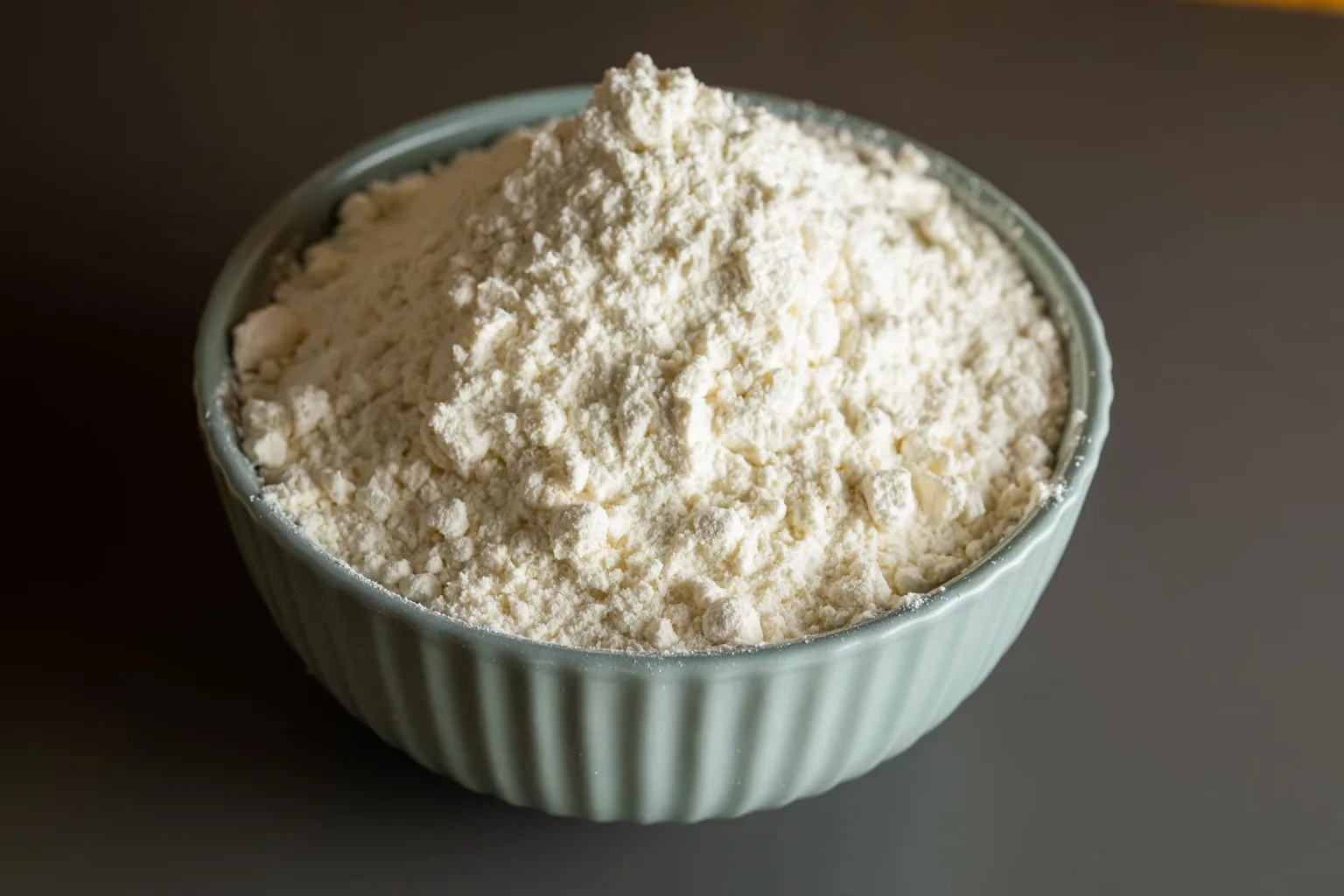
Potato flour is a powdered potato product, but the term can be confused with potato starch. One description of potato flour says it is made from cooked, dried, and ground potatoes and retains components of the whole potato; potato starch, by contrast, is separated starch. Thickening products may also be blends containing ingredients beyond potato. For that reason, check the product name and ingredient list before using it to thicken a dish. This profile concerns a potato-based powder presented for thickening, not instant mashed-potato flakes or a product with an assumed composition. The label is the most reliable guide to which kind you have.
When to use it
Use it when you want to give more body to a sauce, stew juices, or soup rather than relying only on reducing the liquid. It may help adjust a preparation that is thinner than you want, or be added as part of a recipe that calls for a thickener. The result depends on whether the product is potato flour, pure potato starch, or a commercial blend; these are not automatically interchangeable. Check the label and follow the product directions. Add cautiously and assess the consistency before adding more, since no single amount applies to every formulation or recipe.
How to use it
First identify the product: potato flour made from the whole potato and pure potato starch have different compositions, while a commercial thickener may include additional ingredients. To adjust a sauce, soup, or stew juice, add the product gradually and observe the texture, following the directions on its package. If the preparation needs more body, add a little more and reassess rather than adding a large amount at once. The available descriptions support use in sauces and soups but do not establish a universal dose or cooking time for every product. Do not assume that instructions for one brand or formulation apply to another; the package directions and the recipe should guide you.
Flavour and texture
Flour made from whole potatoes may have a characteristic potato flavor and aroma, while some potato-starch thickeners are described as mild and unobtrusive in a dish. The final texture depends on the specific product, how much is used, and the preparation. Too much thickener can make a sauce excessively thick. Do not assume a product labelled flour will behave exactly like pure starch.
How to choose it
Read the exact product name and ingredient list: potato flour, potato starch, and a thickening blend do not necessarily mean the same thing. Potato flour may be made from whole potatoes that are cooked, dried, and ground; pure potato starch is separated starch. Some commercial thickeners are blends with additional ingredients. If you need to avoid a particular ingredient, check the package of the exact product you plan to buy rather than inferring its composition from the name.
Storage
The available information does not establish a shelf life or detailed storage conditions that apply to every product. Follow the package instructions and check the label for the specific product you have. Keep the product identifiable in its original or clearly labelled container, and do not assume that flour, starch, and blends all have identical storage directions.
Substitutions
Pure potato starch may be an alternative when a recipe specifically calls for that thickener, but it is not identical to flour made from the whole potato. Cornstarch is also used to thicken sauces, though the amount and result may differ. Change the ingredient gradually and adjust to the recipe; do not treat instant mashed-potato flakes as if they were pure starch.
Common mistakes
Confusing potato flour with potato starch can change the result: flour may include components of the whole potato, whereas starch is separated. Other common missteps are adding too much at once or assuming all commercial products share the same ingredients and directions. Check the package, start cautiously, and adjust gradually.
Safety and allergens
Check the ingredient list and package warnings, especially if you need to avoid a particular ingredient: commercial thickening blends may contain ingredients other than potato. Do not assume that every product called potato flour has the same composition.
Culinary uses
- Espesante para salsas y jugos de guisos
- Espesante para sopas y otras preparaciones líquidas
Recommended techniques
- Incorporar poco a poco para ajustar el espesor
- Usar como espesante dentro de una preparación caliente
Pairs well with
- Salsas de guisos
- Sopas y caldos
Frequently asked questions
Are potato flour and potato starch the same?
Not necessarily. Potato flour may be made from cooked, dried whole potatoes, while potato starch is separated starch. Check the label.
What can I thicken with potato flour?
It can be used in sauces, stew juices, and soups. The method and amount depend on the product formulation and recipe.
Can I substitute mashed-potato flakes?
They are not equivalent products. Flakes may thicken, but they are not pure starch and can substantially change the texture.
Sources and review
Automatically researched, cross-checked and validated content. Sources consulted:
- The Essential Glossary of Cooking Terms for the Culinary Arts - Escoffier escoffier.edu
- Sopa - Wikipedia, la enciclopedia libre es.wikipedia.org
- Harina - Wikipedia, la enciclopedia libre es.wikipedia.org
- Evaluación de harina de amaranto como ingrediente antioxidante para la preparación de matrices alimentarias funcionales doi.org
- Selección de parentales para obtención acelerada de variedades de patata (Solanum tuberosum L.) con aptitud para procesamiento industrial mediante la aplicación de un modelo genético dialélico | Archivo Digital UPM doi.org
- Espesante de fécula de patata. Qué es y para qué se utiliza crockpotting.es
- Harina de patata (¿cruda?, ¿orgánica?) | Fundación G+E google.com
- Espesar salsas con fécula de trigo, maíz o patata - Gallina Blanca gallinablanca.es