- Category
- Baking
- State
- Dry
- Usual unit
- g
What it is
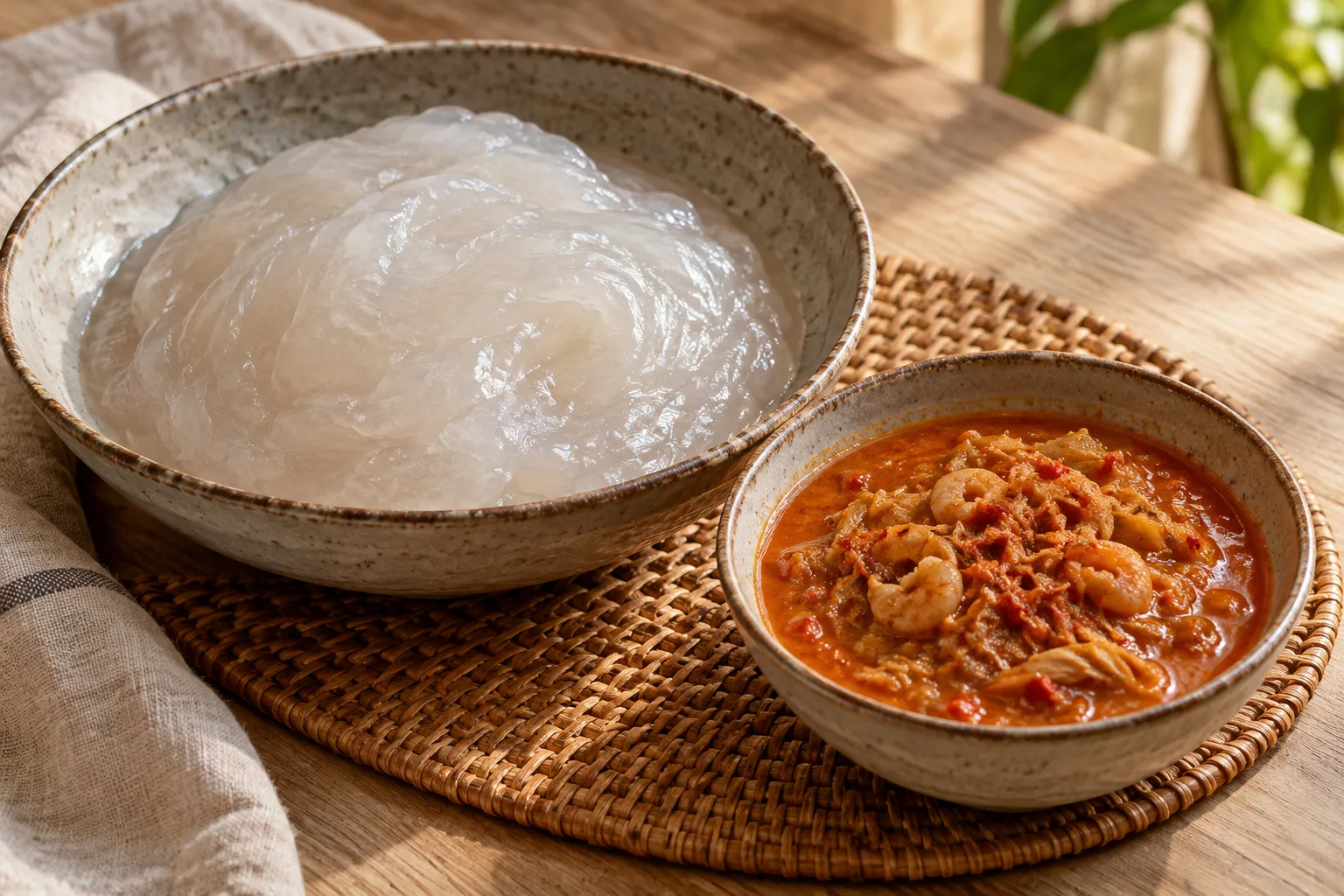
Sago starch is a plant-based starch obtained mainly from the pith of the Metroxylon sagu palm trunk. After it is separated from fibrous material and dried, it may be sold as flour or formed into small pearls. The name sago is also used for starches from other plants, so products bearing that name do not always have the same botanical source. Sago is not the same as tapioca: tapioca comes from cassava root, although both starches can be sold as pearls and used in similar ways. In cooking, sago is valued mainly for the body and texture it adds, rather than for a strong flavor.
When to use it
Use sago starch when you want to thicken a soup, cream or sweet dish without adding a pronounced flavor. Pearls work well in spoon desserts and puddings; when cooked in liquid, they soften and can become translucent. Flour is an option for thickening or for use in suitable baking formulas. Since the name may refer to starches from different plants and the formats behave differently, check whether you have flour or pearls and follow the package directions. Do not assume it can replace cereal flour in recipes that rely on flour for structure.
How to use it
First identify the form: pearls and flour are not used in the same way. For a pudding, cook the pearls in water or milk, stirring and checking their change until they are soft and translucent; add fruit or spices afterward as desired. To thicken soup or cream with flour, first disperse it in a small amount of cold liquid to help it mix evenly, then gradually stir it into the hot preparation. Start with a small amount and add more if needed, adjusting the consistency without letting the starch dominate the dish. In baking, use it only in formulas suited to this type of starch; do not expect it to behave on its own like wheat flour.
Flavour and texture
Sago starch has a mild, unobtrusive flavor, so it can take on the character of the broth, milk, fruit or spices with which it is cooked. The flour adds body to liquids and creams. Cooked pearls become soft and may turn translucent, with a tender or gelatinous texture depending on the product and preparation. Their appearance can resemble tapioca pearls, but that similarity does not mean they have the same source or will produce identical results.
How to choose it
Check whether the package contains flour or pearls, since each form needs a different approach. Read the product name and, if botanical origin matters to you, look for a clear statement from the manufacturer: the name sago can cover starches from different plants. Choose a product sold for food use and follow its preparation directions. If you need to avoid gluten for medical reasons, check the label and cross-contact information; plant origin alone does not confirm how a product was processed.
Storage
Keep dry sago in a clean, tightly closed container in a cool, dry place, and follow any more specific package directions. Keep flour or pearls away from moisture, steam and wet utensils, since the product is sold dry. Once prepared, treat the dish like other cooked food: do not leave it at room temperature for an extended period, refrigerate it appropriately and follow food-safety guidance for its other ingredients.
Substitutions
Tapioca is a close option for pearl-based preparations, but it comes from cassava and may give a different texture. Cornstarch can be used to thicken a sauce or cream, but a direct swap should not be expected to produce exactly the same result. Adjust gradually and check the consistency. Do not automatically swap flour for pearls, or use sago as a one-for-one replacement for wheat flour in doughs that depend on gluten.
Common mistakes
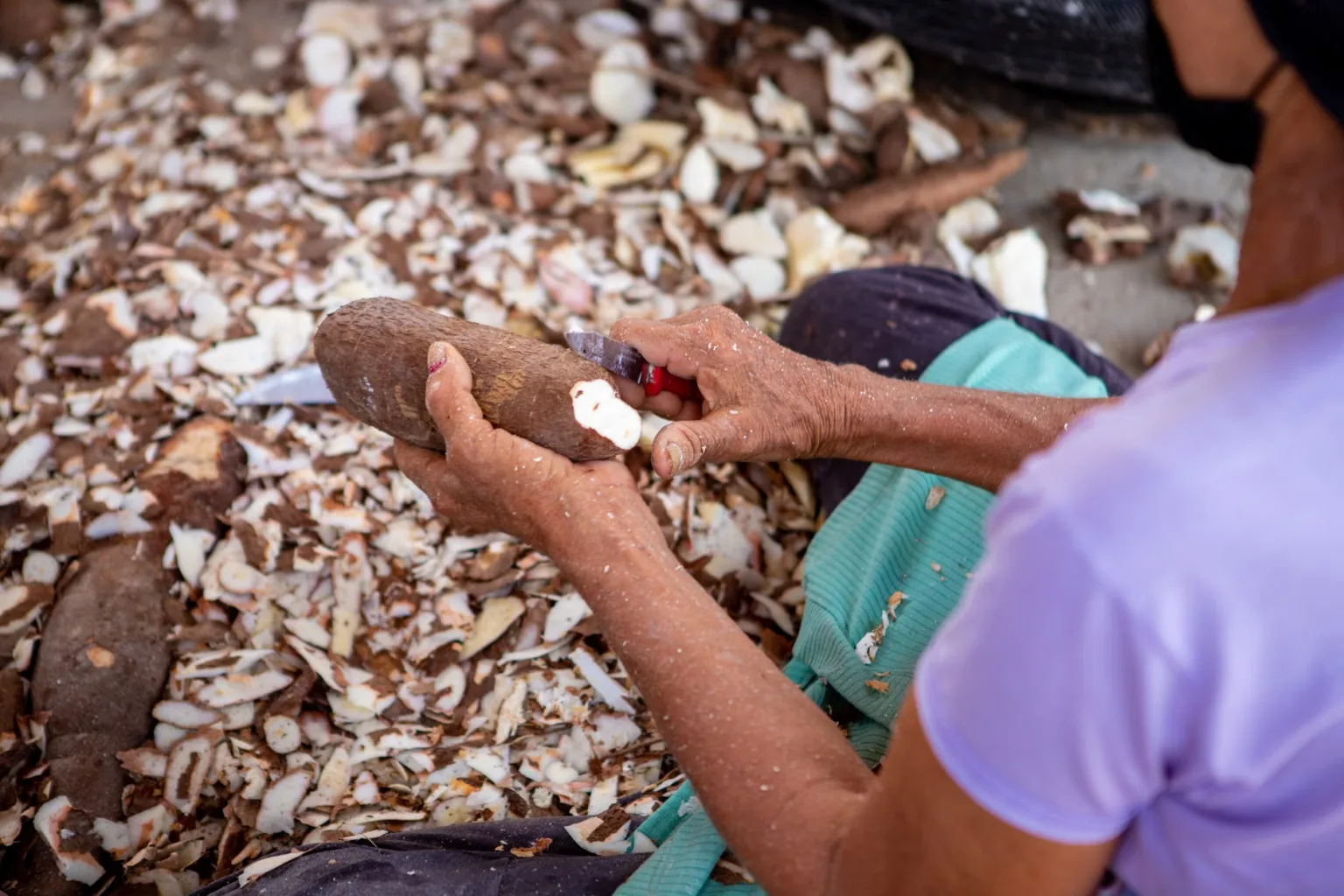
A common mistake is treating sago and tapioca as the same ingredient: they can look alike in some forms and have similar uses, but come from different plants. Another is exchanging pearls and flour as though they were interchangeable. Check the form before cooking, and avoid adding starch all at once to a hot mixture when an even dispersion is needed. Do not assume every product called sago has the same botanical source; read the label and use only food-grade products prepared as directed.
Safety and allergens
Buy sago labeled for food use and follow the manufacturer’s preparation directions. The name can cover starches from different plants, and some plant sources require specific processing for safe consumption. Do not try to make edible starch from wild or unidentified plant material. If you need to avoid gluten, check the label and cross-contact warnings.
Culinary uses
- Espesante para sopas, cremas y salsas
- Ingrediente para pudines y postres
- Almidón para masas y preparaciones de panadería
Recommended techniques
- Disolver o dispersar antes de añadir a una preparación caliente
- Cocer las perlas en líquido hasta que estén blandas y translúcidas
- Incorporar gradualmente a sopas o cremas para espesar
Pairs well with
- Leche y bebidas vegetales
- Frutas y especias dulces
- Caldo y preparaciones saladas
Frequently asked questions
Is sago the same as tapioca?
No. Sago usually comes from palm pith, while tapioca comes from cassava root. They may look alike and work similarly in some recipes, but they are different ingredients.
How do I cook sago pearls?
Cook them in water or milk until they soften and turn translucent. They can then be used in puddings and other desserts; follow the package directions because products can vary.
Does sago starch contain gluten?
Palm starch is naturally separate from gluten-containing cereal grains, but cross-contact can occur during processing. If you need to avoid gluten, check the label and manufacturer information.
Sources and review
Automatically researched, cross-checked and validated content. Sources consulted:
- ¿Por qué la muerte es origen de miedos y tabúes? doi.org
- Qué es (y qué no es) la estadística, usos y abusos de una disciplina clave en la vida de los países y las personas | Estudios económicos doi.org
- ¿Cómo modificar la textura de los alimentos? - FMC. Formación Médica Continuada en Atención Primaria fmc.es
- Sagú: qué es y de dónde procede | Diccionario CUN cun.es
- - YouTube youtube.com
- Sagú: qué es, beneficios y cómo consumir este alimento tradicional – Essentriale essentriale.com
- Sagú (fécula) - Wikipedia, la enciclopedia libre es.wikipedia.org
- fécula de sagú y salep | Noticias | Noticias guiagastronomika.diariovasco.com
- ¿Sabes qué es el sagú? ¡Ven a descubrirlo! cocina-brasilena.com
- Fécula: qué es, para qué sirve y cómo sacarle partido en la cocina de casa abc.es
- La fécula de mandioca podrá reemplazar en parte a la harina de trigo en el pan agencia.fapesp.br
- Así es cómo se elabora la harina de Sagú - TvAgro por Juan Gonzalo Angel Restrepo - YouTube youtube.com
- Sagú: qué es, beneficios y cómo consumir este alimento tradicional – Essentriale essentriale.com