- Category
- Vegetables
- State
- Fresh
- Usual unit
- unit
What it is
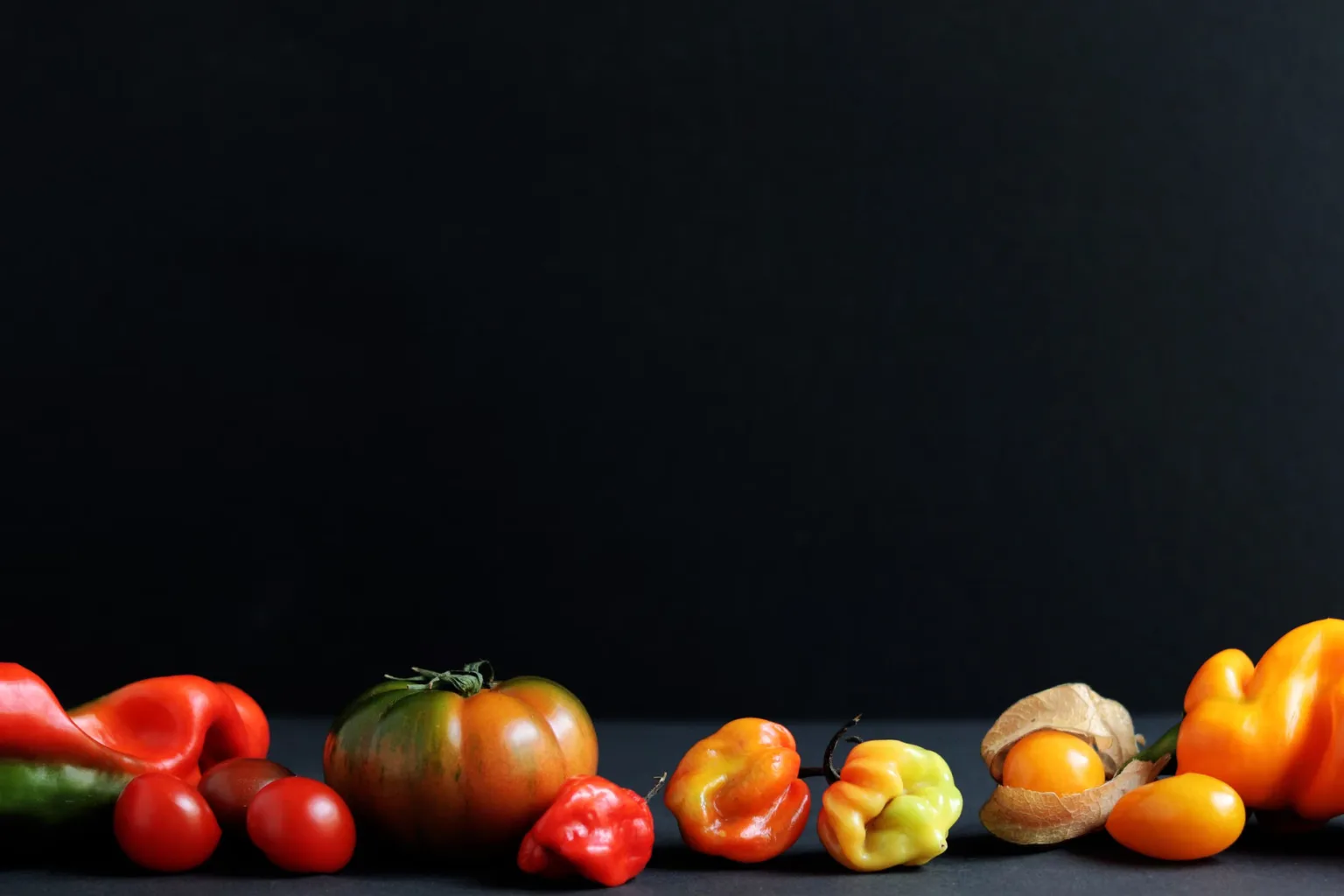
A Scotch bonnet is a type of Capsicum chinense in the nightshade family, which also includes tomatoes, potatoes and eggplants. It is often recognized by its squat, bonnet-like shape, although appearance and color vary among cultivars. The pepper is known for high pungency: available references place many Scotch bonnet varieties at roughly 100,000–350,000 Scoville Heat Units, but cultivar and growing conditions can affect the heat. It is related to the habanero, though the two are not identical in shape or flavor and may not behave exactly alike in a recipe.
When to use it
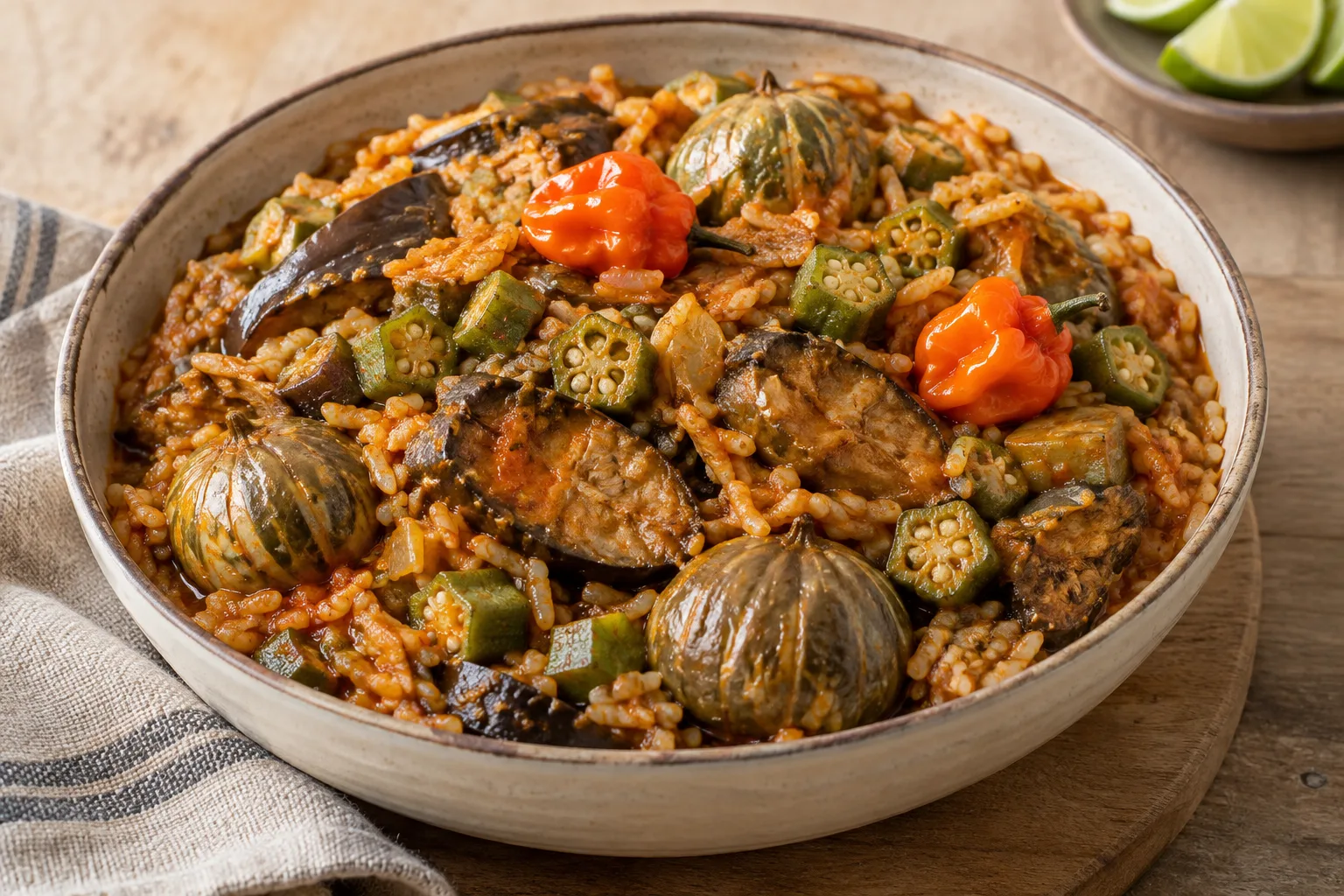
Use Scotch bonnet when a dish needs pronounced heat and a fruity note. It is associated with Caribbean cooking, including jerk marinades, and can also bring intensity to hot sauces, bean dishes and stews. Individual peppers can vary and may be extremely hot, so begin with a small piece. Taste the dish before adding more; gradual seasoning makes it easier to keep the pepper’s heat from overwhelming other flavors.
How to use it
Rinse the pepper under cool running water and remove the stem. To manage the heat, chop a small amount and add it gradually, tasting as you go; alternatively, blend it into a sauce or marinade. It pairs well with fruit such as mango and with marinade ingredients such as garlic, onion and vinegar. Wear gloves while handling it and avoid touching your face or eyes; wash your hands thoroughly with soap and water afterward. To freeze, peppers can be frozen whole: wash them, remove the stems, pack them in freezer-suitable material, seal the package and freeze.
Flavour and texture
Scotch bonnets are often described as fruity, with a strong heat that can quickly dominate a dish if too much is used. Their shape and color vary by cultivar, and many have a distinctive squat outline. The fruity character works well with tropical fruit and sauces, but individual peppers do not all taste exactly alike: cultivar and growing conditions influence the result.
How to choose it
Choose fresh peppers that look intact and free of visibly crushed or damaged areas; the available evidence does not establish an official quality grading system. Color can vary with cultivar and maturity, so color alone is not a reliable guide to heat. If a cultivar is identified on the label, treat that as useful context, while remembering that pungency can still vary from pepper to pepper.
Storage
Freezing is a practical option for keeping hot peppers longer. Rinse the peppers under cool running water, remove the stems and pack them whole in a freezer-safe container or bag; seal before freezing. They do not need to be cut or blanched first. Freezing can affect texture, so thawed peppers are particularly suitable for cooked dishes.
Substitutions
Habanero is a close alternative within Capsicum chinense, but its shape, aroma and heat can differ; start with a small amount and adjust after tasting. Cayenne also provides heat, but its intensity differs and it is often used dried or ground. Neither substitute exactly reproduces a Scotch bonnet’s flavor, so adjust quantities gradually.
Common mistakes
Adding a whole pepper or a large amount at once can make a dish much hotter than intended. Start small and taste before adding more. Avoid touching your face or eyes while cutting; wear gloves and wash your hands with soap and water afterward. Do not assume every pepper has the same heat level.
Safety and allergens
Wear gloves when cutting or handling hot peppers and avoid touching your face. If you handle them without gloves, wash your hands thoroughly with soap and water before touching your eyes or face. Rinse the pepper under running water before preparation.
Culinary uses
- Aportar picor intenso a salsas y adobos
- Añadir aroma afrutado y picante a guisos y platos caribeños
Recommended techniques
- Picar o cortar en porciones pequeñas para dosificar el picor
- Triturar en salsas o adobos
- Congelar entero para conservarlo
Pairs well with
- Mango y otras frutas tropicales
- Ajo, cebolla, vinagre y especias para adobos
- Carnes o verduras a la parrilla
Frequently asked questions
How hot are Scotch bonnet peppers?
They are very hot. Many references place Scotch bonnet varieties at roughly 100,000–350,000 Scoville Heat Units, though heat varies with cultivar and growing conditions.
Can I freeze them whole?
Yes. Wash them, remove the stems, pack them in freezer-safe material and freeze without cutting or blanching first.
What can I use instead?
Habanero is a close alternative, while cayenne provides a different kind of heat. Start with a small amount and adjust to taste.
Estimated nutrition
- Fat
- 0 g
- Saturates
- 0 g
- Carbohydrate
- 0 g
- Sugars
- 0 g
- Protein
- 0 g
- Salt
- 4.25 g
Sources and review
Automatically researched, cross-checked and validated content. Sources consulted:
- Client Challenge doi.org
- Grow your own peppers | OSU Extension Service extension.oregonstate.edu
- How to Freeze Sweet, Bell and Hot Peppers | UNL Food | Nebraska food.unl.edu
- Some Like it Hot! (or Not) ucanr.edu
- Peppers by Scoville Units – Gardening Solutions gardeningsolutions.ifas.ufl.edu
- Scotch bonnet - Wikipedia, la enciclopedia libre es.wikipedia.org
- Arizona Chiles vegetableipmupdates.arizona.edu
- Ultra-Niche Crops Series: Production and Marketing of Habañero Peppers in New Jersey | Rutgers Cooperative Extension extension.rutgers.edu
- Chile Scotch Bonnet: cultivo, riego y cosecha en 100 días plotmygarden.com
- Chilis: Biology, History, Travels, Cuisine | Explore IntroSems exploreintrosems.stanford.edu
- ¿Qué son los chiles Scotch Bonnet? - Blog de La Parada de las Especias comprarespecias.net
- Chile Habanero Scotch Bonnet: su picor y sabor | Pikantista pikantista.com
- Chile Habanero Scotch Bonnet | Chili-Plants.com chili-plants.com
- Scotch Bonnet: comparación entre el pimiento picante del Caribe y el habanero republicofheat.com