- Category
- Vegetables
- State
- Fresh
- Usual unit
- unit
What it is
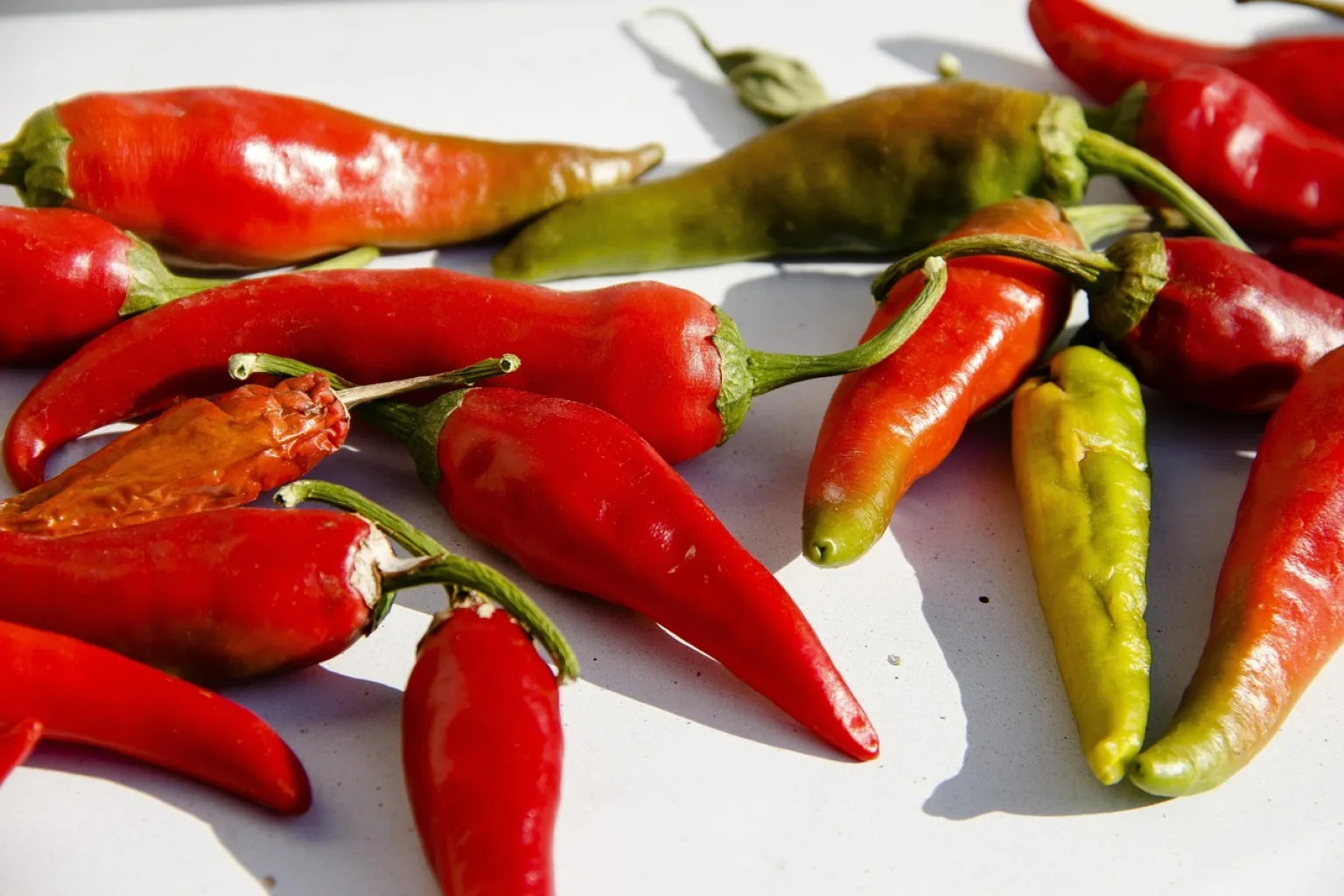
Seasoning peppers are fresh fruits of plants in the Capsicum genus, understood here as mild sweet peppers used in cooking. The name alone does not identify one specific variety, so size, shape, color, and flesh thickness may differ. Sweet peppers are generally used as vegetables: they can be eaten raw or added to cooked dishes. Color may also reflect different stages of ripeness rather than a different species. This profile is for fresh peppers, not paprika, the separate dried and ground seasoning.
When to use it
Use them when you want to add color and vegetal flavor without necessarily choosing a hot chili. Raw, they can go into salads and other fresh dishes; cooked, they work as a side or as part of a more substantial preparation. Choose a shape and size that suit the method: halved peppers are convenient for stuffing, while strips or chunks are easy to add to a pan. Since “seasoning pepper” does not specify one particular variety, check the label or ask if you need to confirm that the peppers are sweet.
How to use it
Wash the pepper and cut it to suit the dish: strips or chunks for sautéing, halves for stuffing, or manageable pieces for grilling. To sauté, use a pan with a little oil and avoid crowding it if you want the pieces to cook more evenly. On a grill, cook the pepper whole or halved; if it is whole, turn it so it browns on all sides. You can also roast it or serve it raw in salads. It works well with other vegetables, and the halves can be filled with cheese, meat, or other vegetables. Adjust the cut and cooking method to the pepper’s size.
Flavour and texture
Sweet peppers generally have a mild vegetal flavor that varies with variety and ripeness. Green peppers may be less sweet and somewhat bitter, while yellow and red peppers tend to taste sweeter. The flesh may be thick and substantial, but size and thickness vary. Cooking concentrates the flavor and brings out toasted notes, particularly when the pepper is grilled or roasted.
How to choose it
Choose whole peppers that look fresh and suit the recipe you have planned. Shape and size vary between varieties: larger peppers can be convenient for stuffing, while narrower ones are easy to cut into strips. Color may relate to ripeness and flavor. If you want a sweet pepper, check that it is labeled mild or sweet, since common names do not always identify a precise variety.
Storage
This guide does not set a storage duration because the name covers different pepper varieties and the conditions at the point of sale are not specified. If the peppers are packaged, follow the package instructions; for loose peppers, ask the seller for storage guidance. Keep them where you can inspect them before use, and use the ripest ones or those you plan to cook soon first. Do not confuse fresh peppers with paprika, a dried product that needs different storage.
Substitutions
You can substitute another fresh sweet pepper, such as a sweet bell pepper or a mild Italian-style pepper. The alternative may differ in size, amount of flesh, and how quickly it cooks, so adjust the cut and check the dish as you cook. If keeping the dish mild matters, choose a clearly identified sweet variety rather than a hot chili.
Common mistakes
Do not assume all peppers have the same sweetness, bitterness, size, or thickness; these traits vary. Do not confuse fresh peppers with paprika, which is a dried, ground seasoning. When cooking, avoid excessively high heat if you do not want the pepper to burn; on the grill, turn it so it browns on different sides. For stuffing, cut it into manageable halves.
Safety and allergens
Rinse the pepper with potable water before cutting, and use clean hands and utensils. If you need to avoid heat, choose a product clearly labeled sweet; common names can vary by region.
Culinary uses
- Fresh vegetable for raw dishes
- Cooked ingredient that adds color and vegetal flavor
Recommended techniques
- Grilling
- Sautéing
- Roasting
- Stuffing
Pairs well with
- Other vegetables
- Cheese
- Meat
- A little cooking oil
Frequently asked questions
Are seasoning peppers hot?
This profile uses the term for mild sweet peppers, but it does not identify one specific variety. If avoiding heat matters, check the label or confirm the variety before using it.
Can you eat them raw?
Yes. Fresh sweet peppers can be served raw, for example sliced into strips or added to a salad.
How can you cook them?
Grill, roast, sauté, or stuff them. The cut depends on the method: use strips or chunks for a pan and halves for stuffing.
Sources and review
Automatically researched, cross-checked and validated content. Sources consulted:
- ¿Por qué la muerte es origen de miedos y tabúes? doi.org
- Descubre 6 métodos para cocinar el pimiento | Recetas Nestlé recetasnestle.com.ec
- Gastronomía de Costa Rica - Wikipedia, la enciclopedia libre es.wikipedia.org
- Qué es (y qué no es) la estadística, usos y abusos de una disciplina clave en la vida de los países y las personas | Estudios económicos doi.org
- Ají - Wikipedia, la enciclopedia libre es.wikipedia.org
- Pimentón | CreatiVegan.net creativegan.net
- El pimiento ecológico: un ingrediente principal en nuestras ... afuegolento.com
- Salsa, Peppers and Spices ucanr.edu
- Pimentón: un condimento que no puede faltar en todas las cocinas google.com
- Padron Pimientos y su maridaje perfecto: comparativa de los mejores quesos y embutidos para realzar su sabor laovejaquebala.es