- Category
- Vegetables
- State
- Fresh
- Usual unit
- unit
What it is
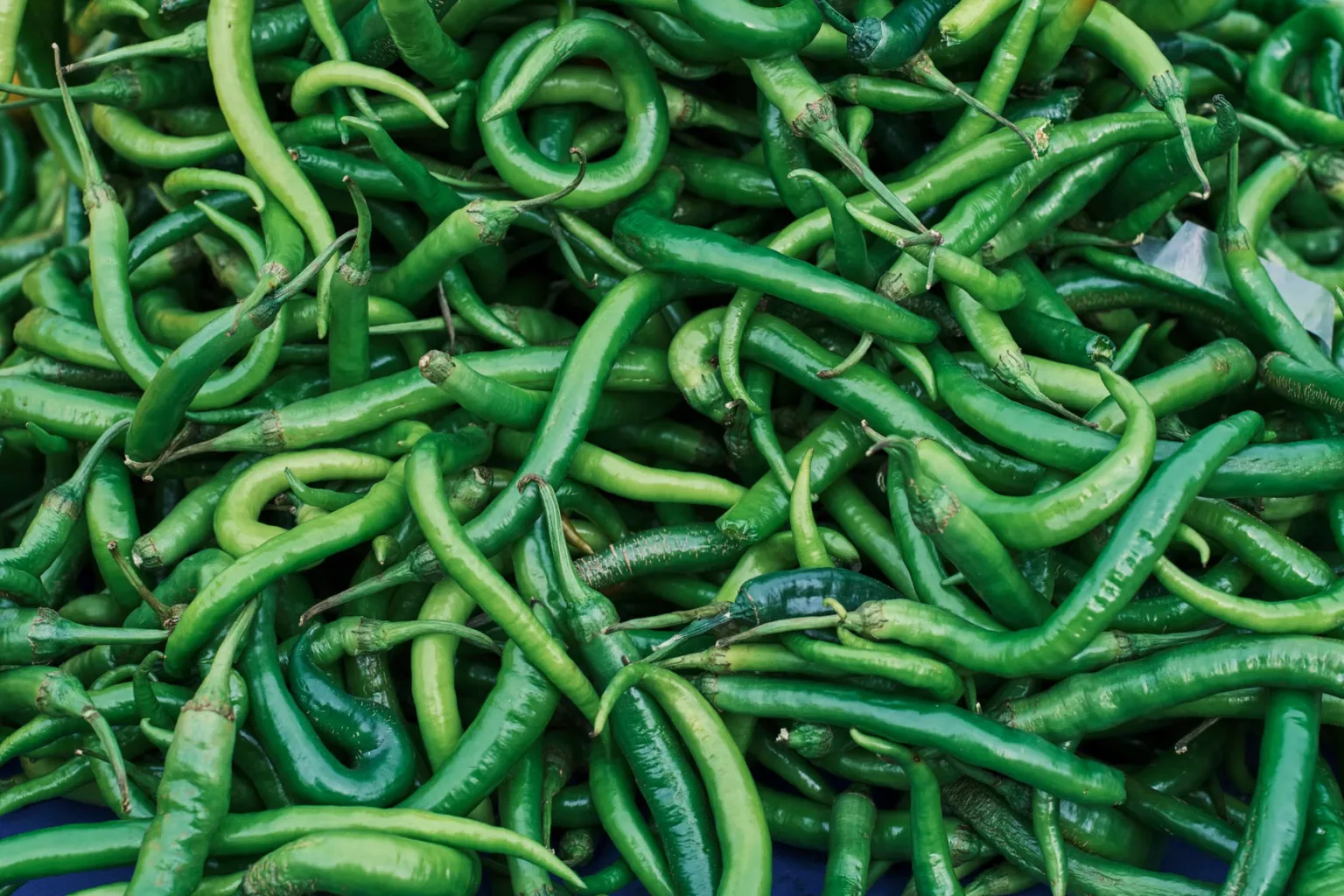
A serrano is a fresh chile pepper in the Capsicum genus. It is commonly sold green, but it can also ripen to a reddish color. Serranos are mostly used fresh and may be served whole, chopped, or sliced. Their size and heat vary; one published reference places their pungency at roughly 10,000 to 25,000 Scoville units, but individual peppers can taste different. Use them raw in salsa or guacamole, or cook them into sauces, soups, and stews. Smooth, firm skin is a useful sign when selecting fresh peppers, but it does not guarantee that every chile will have identical flavor or heat.
When to use it
Use serranos when you want fresh, noticeable chile heat in salsa, guacamole, soup, or a stew. Raw, they can add bite and warmth; cooked, they blend into sauces and hot dishes. Since the heat varies from pepper to pepper, start with a small amount, taste the dish, and add more if needed. Serranos can also be used in pickled preparations, provided you follow a reliable preservation recipe rather than improvising ingredient proportions.
How to use it
Wash and dry the pepper before cutting it. Remove the stem, then chop or slice it, or leave it whole if that suits the dish. To reduce some of the heat, remove the veins and seeds, where much of the chile's heat is concentrated; this does not make every pepper equally mild. Add a little to salsa or guacamole, mix, and taste before adding more. Serranos can also be cooked into sauces, soups, and stews, or blistered and peeled if a recipe calls for it. When handling a large amount of hot chilies, wear gloves and keep your hands away from your eyes.
Flavour and texture
Serranos bring noticeable heat and a fresh, vegetal character. The intensity is not identical in every pepper, so taste one before deciding how much to use. Raw, they remain firm and crisp when cut shortly before serving; cooking softens them and blends them into the dish. Removing the veins and seeds can reduce some of the heat, but it will not remove it entirely or guarantee a uniform result.
How to choose it
Choose peppers that are firm, fresh, smooth, crisp, heavy for their size, and regularly shaped. Avoid chilies that are shriveled, soft, bruised, moldy, or marked by damaged spots. Serranos are often green and may also be red when ripe. Color alone cannot reliably predict the heat of an individual pepper.
Storage
To keep fresh serranos, wrap them in paper towel, place them in a bag, and refrigerate them. Check them and discard any that develop mold or soft spots. They can also be frozen; freezing does not reduce their heat. Pack them well before putting them in the freezer. For jarred home preservation, do not improvise the method: peppers require pressure canning to be safely canned.
Substitutions
Jalapeños are a useful fresh alternative when you want less heat than serranos, although the flavor and warmth will change. Another pepper with a similar heat level may also work, but each variety has its own character. In a tested canning recipe, change the type of pepper if appropriate, but do not reduce or increase the specified total amount: the quantity and proportions are part of the process's safety.
Common mistakes
Adding several chilies without tasting can make a dish much hotter than intended; start small and adjust. Removing seeds and veins reduces some heat but does not guarantee a mild result. In canning recipes, do not change the total amount of fresh peppers or replace the stated process with an improvised one.
Safety and allergens
Hot chilies can irritate skin and eyes. Wear gloves when handling them in quantity and avoid touching your face. For jarred preservation, use a safe, tested recipe; peppers must be processed in a pressure canner.
Culinary uses
- Fresh chile for adding heat and a crisp, vegetal note
- Ingredient in salsas, guacamole, soups, stews and pickled preparations
Recommended techniques
- Use raw, finely chopped or sliced
- Cook, roast or fry; remove the skin after blistering if needed
Pairs well with
- Tomato, onion and other salsa ingredients
- Soups, stews and cooked sauces
Frequently asked questions
Can serrano chilies be eaten raw?
Yes. Chop or slice them into salsa and guacamole, or cook them in sauces, soups, and stews.
How can I make a serrano less hot?
Remove the veins and seeds and add the pepper gradually. These steps reduce some heat, but the result can still vary.
Can serrano chilies be frozen?
Yes. Pack them well and freeze them. Freezing preserves the chilies but does not make them less hot.
Sources and review
Automatically researched, cross-checked and validated content. Sources consulted:
- Client Challenge doi.org
- The Essential Glossary of Cooking Terms for the Culinary Arts - Escoffier escoffier.edu
- How to Preserve Chiles | USU extension.usu.edu
- Peppers wpcdn.web.wsu.edu
- Pepper Substitutions | UC Master Food Preservers of Inyo and Mono Counties ucanr.edu
- Chile Serrano Mexicano | Comprar Fresco en España jalapenostugitana.es
- Chile serrano - Wikipedia, la enciclopedia libre es.wikipedia.org
- Chile serrano un ingrediente esencial en la gastronomía de México con muchos beneficios para la salud directoalpaladar.com.mx
- Choice Salsa - National Center for Home Food Preservation nchfp.uga.edu
- Revista del comité científico de la Aecosan número 27 aesan.gob.es
- These "Alt" Al Pastor Recipes are Equal Parts Funk and Familiarity | Institute of Culinary Education ice.edu
- Library Resources - Culinary Arts, Baking, and Pastry - Library at SCC Library library.scottsdalecc.edu
- - YouTube youtube.com