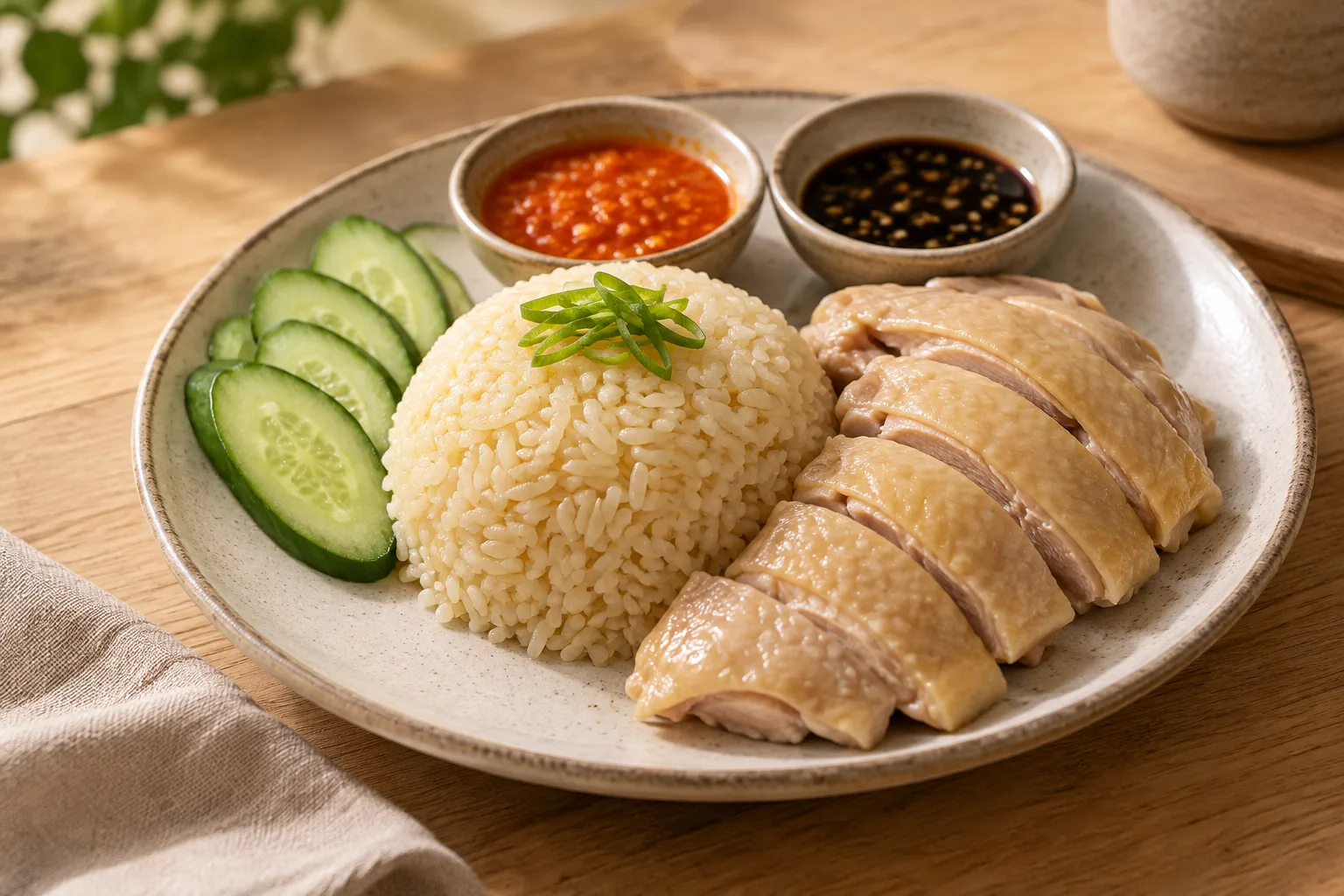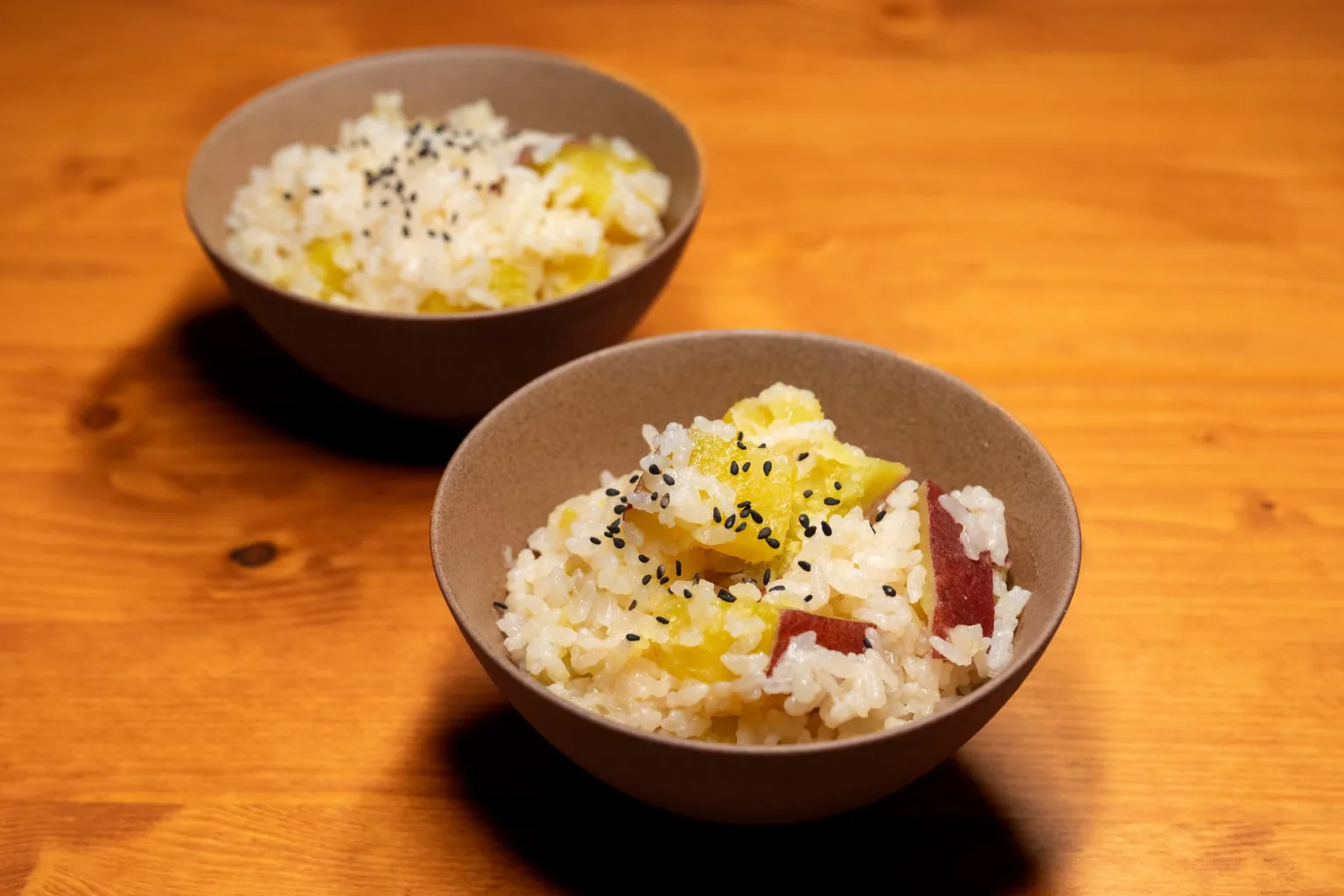
- Category
- Oils and fats
- State
- Liquid
- Usual unit
- tablespoon
What it is
Sesame oil is an edible oil made from sesame seeds. It is sold in different styles, and its flavor depends in part on whether the seeds were toasted before pressing and how the oil was processed. Oil made from toasted seeds generally has a stronger, warm, nut-like aroma, while untoasted versions are often milder. With rice, sesame oil commonly works as a seasoning as well as a cooking ingredient: a small amount can perfume cooked rice, fried rice or a dressing. Read the label to distinguish toasted from mild styles, because color alone does not reliably identify every product. The right choice depends on whether you want sesame to stand out or simply add a subtle background note.
When to use it
Use sesame oil when you want to bring a sesame aroma to rice or connect it with the flavors in a dressing or sauce. A toasted style works well as a finish for cooked rice, fried rice, rice bowls and cold dishes; add it near the end if you want its aroma to remain distinct. A milder style can suit a dish where you want a gentler sesame note or want the other ingredients to lead. Products vary in intensity, so begin with a small amount, taste and adjust. If a recipe calls for oil over high heat, do not assume every sesame oil is suitable: check the specific product label and its cooking directions.
How to use it
To season cooked rice, stir a few drops into the warm rice or drizzle them over individual portions just before serving. For fried rice, cook the ingredients with an oil suited to the method, then add toasted sesame oil at the end so its aroma is not exposed to prolonged cooking. You can also whisk sesame oil with soy sauce and vinegar for a dressing, or combine it with garlic, ginger and scallions to serve with a rice bowl. Start with a small amount: toasted oil can easily dominate the dish. Taste before adding more, and consider the saltiness and strength of the other seasonings. Follow the directions on the specific bottle if you plan to heat the oil.
Flavour and texture
Sesame oil is fluid and coats rice easily. Its taste varies by product: oil from toasted seeds is usually strong, warm and nut-like, while untoasted oil is often more delicate. Color can vary, so appearance alone is not a dependable guide to flavor. In either style, quantity matters: a little can lift the rice, while too much can overwhelm the other ingredients.
How to choose it
Read the label. Look for terms such as “toasted” if you want a pronounced aroma, or for a mild or untoasted description if you prefer a more restrained flavor. Toasting and processing affect the oil’s character, and color alone is not a dependable guide. Check that the product suits your intended use and follow the manufacturer’s directions, especially if you plan to heat it. Choose a bottle with an intact seal and label.
Storage
Keep sesame oil tightly closed in a cool, dark place, away from heat, air and light, which can damage stored oil. Avoid leaving the bottle open or near a heat source. Follow the storage directions on the package and the manufacturer’s date guidance. If the oil develops a bitter or distinctly unpleasant smell, do not use it. There is no single storage period that applies to every product; it can depend on the oil and how it has been stored.
Substitutions
If you mainly need cooking fat rather than sesame flavor, a mild vegetable oil can serve a similar role, although the dish will taste different. Toasted sesame seeds can add a sesame note, but they bring texture and do not reproduce the fluidity of oil. A substitute should not be expected to match the original ingredient’s aroma, texture or cooking behavior exactly.
Common mistakes
A common mistake is adding too much toasted oil: its aroma can mask the rice and other ingredients. Another is cooking it for a long time while expecting its aroma to stay unchanged; add it near the end when using it as a finishing oil. Do not choose by color alone or assume every sesame oil is suitable for high-heat cooking; check the label.
Safety and allergens
This product is made from sesame. If sesame allergy is a concern, check the product label and package information before use; do not assume an oil is suitable for someone with an allergy. Follow the manufacturer’s storage and use directions.
Culinary uses
- Finishing oil and aromatic seasoning for rice
- Ingredient in dressings, sauces and marinades
Recommended techniques
- Drizzle over cooked rice just before serving
- Whisk into a dressing or sauce
- Add toasted sesame oil near the end of cooking to preserve its aroma
Pairs well with
- Rice
- Soy sauce
- Garlic
- Ginger
- Scallions
- Vinegar
Frequently asked questions
When should I add sesame oil to rice?
To preserve the aroma of a toasted style, add it to cooked rice or near the end of stir-frying.
What is the difference between toasted and untoasted sesame oil?
Toasted oil usually has a stronger, nut-like aroma, while untoasted oil is often milder. Check the label, since color alone is not enough to identify the style.
Can every sesame oil be used for frying?
Do not assume so. Suitability for heating depends on the specific product and processing; follow the package directions.
Sources and review
Automatically researched, cross-checked and validated content. Sources consulted:
- Client Challenge doi.org
- Aceite vegetal - Wikipedia, la enciclopedia libre es.wikipedia.org
- Aceite de Sésamo doi.org
- Aceite de sésamo | www.cocinista.es cocinista.es
- Aceite de sésamo para cocinar | Usos y cómo aprovechar su sabor distribucionesballester.es
- Agencia Española de Seguridad Alimentaria y Nutrición aesan.gob.es
- Sésamo: qué son estas semillas, propiedades y beneficios para la salud bonviveur.com
- Para la ciudadanía aesan.gob.es
- ¿Qué es el aceite de sésamo? Usos y dónde comprarlo - Oriental Market orientalmarket.es
- Cuántos tipos de aceite de sésamo hay y cuál es el mejor para tu restaurante - Plus Iberica plusiberica.es
- ¿Aceite de sésamo crudo? ¿orgánico? | Fundación G+E diet-health.info
- Receta de arroz basmati con aceite de sésamo – Botanical-online botanical-online.com
- Sesamöl Sorten vergleichen für deine Küche asiafoodland.es
- Ingredientes que maridan con aceite de sésamo ✓ basmatic.com
- Cooking with Fats and Oils: Can they withstand the heat? - Kendall Reagan Nutrition Center translate.google.com
- ¿Qué es el aceite de sésamo? Usos y dónde comprarlo - Oriental Market orientalmarket.es