- Category
- Fruit
- State
- Fresh
- Usual unit
- unit
What it is
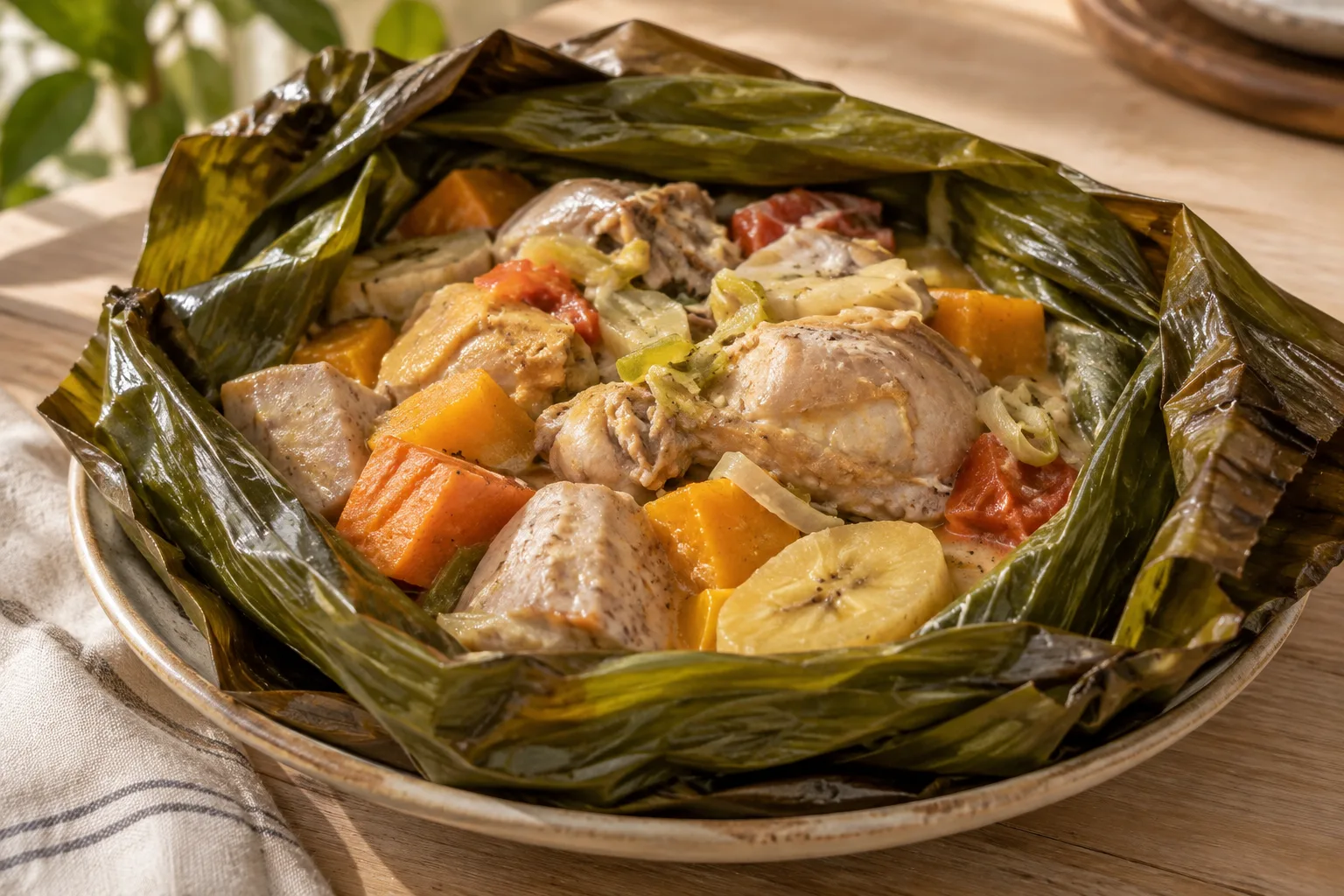
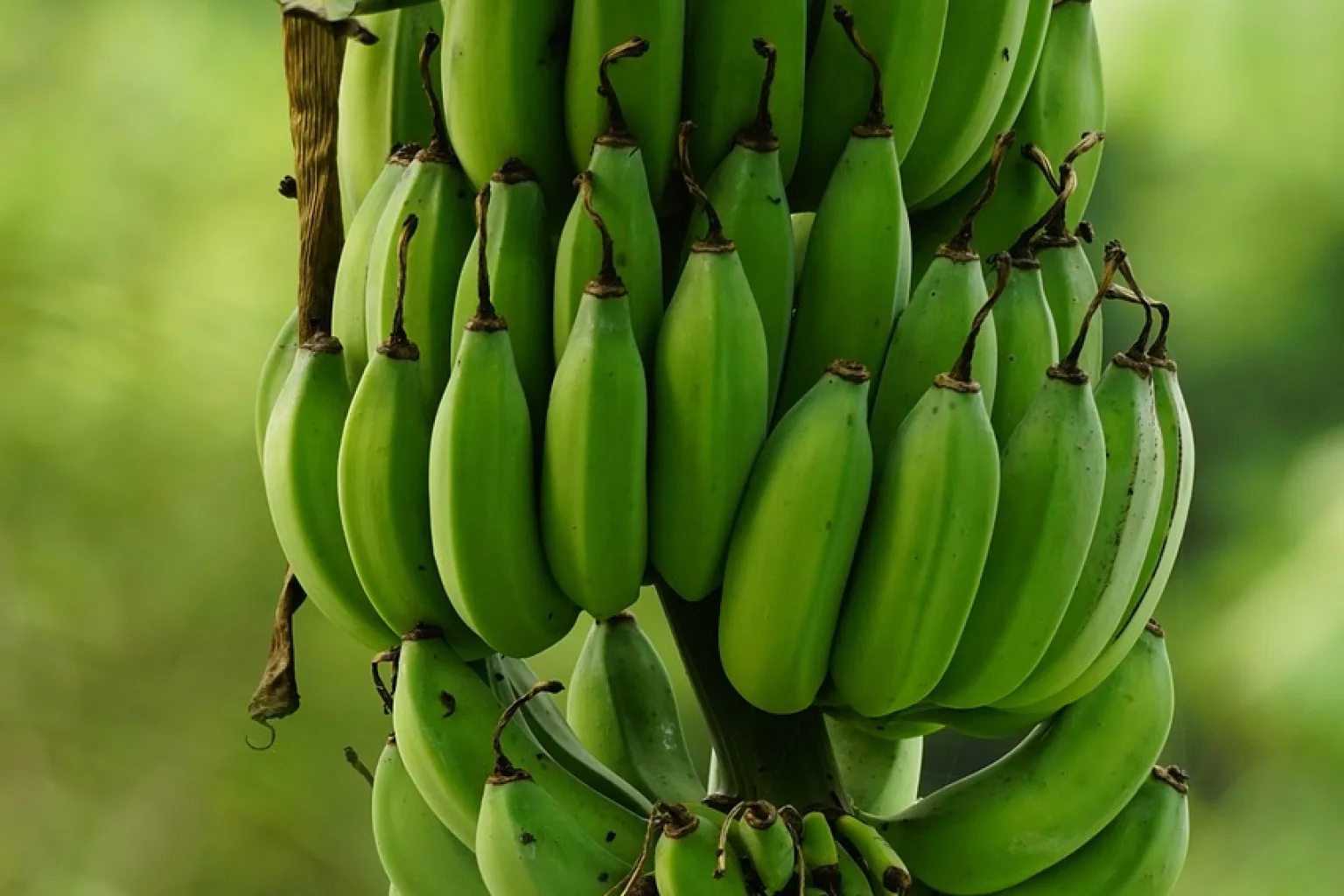
A slightly green banana is a cooking banana that has begun to move beyond its fully green stage but is not yet fully ripe. Its peel may look lighter or start to turn yellow, while the flesh often remains fairly firm. Compared with a ripe fruit, it tends to be less sweet; compared with a fully green one, it may have a more noticeable hint of sweetness. The exact stage varies with the cultivar and the fruit, so peel color is a guide rather than an absolute measure. This stage is used mainly in savory dishes, cooked by frying, boiling or roasting. Texture and results also depend on the variety: some bananas hold their shape better when fried, while others become creamier when boiled or roasted.
When to use it
Choose a slightly green banana when you want pieces that hold their shape during cooking and bring gentle sweetness rather than the pronounced sweetness and soft flesh of a ripe banana. It can work in fried or roasted dishes, or be boiled for soups, stews and mash. If a recipe depends on a particularly firm texture, choose a greener fruit and check the flesh after cutting. For a sweeter contrast, select one with more yellow on the peel. Variety matters too: firmer fruit suits frying, while a creamier texture can be useful in boiled or roasted preparations.
How to use it
Remove the peel and cut the flesh into slices or pieces suited to the recipe. The peel can be rigid, so a knife is useful for opening it carefully. Fry the pieces for a browned surface; boil them for soups or stews, or mash them after cooking. You can also roast or steam them. At this stage, the banana offers a balance of firmness and mild sweetness, but results depend on the fruit and variety. Check the texture as it cooks rather than assuming every piece will behave the same way. Ecuadorian preparations use different varieties with methods including frying, boiling, roasting and steaming; match the cut and method to the dish.
Flavour and texture
The flesh of a slightly green banana is usually firm and less sweet than that of a ripe one. As ripening advances, mild sweetness may develop while the texture can become less firm. The balance varies by variety and by the stage of each fruit, so peel color alone cannot guarantee identical texture. Once cooked, it may hold its shape better when fried or soften when boiled, roasted or steamed.
How to choose it
Look for an intact fruit and choose the peel color for the result you want: greener for firmer, more neutral flesh, or more yellow for more noticeable sweetness. Ripeness varies, so inspect each fruit rather than relying on the product name alone. If you need slices to hold their shape, favor firm flesh and avoid fruit with visibly damaged areas.
Storage
Keep the banana whole until you are ready to prepare it, and check the peel as its ripeness changes: it may move from green toward yellow and develop dark spots. If you plan to cook several fruits at different times, assess each one before choosing a method because firmness and sweetness can change. No specific storage duration is established here; use the fruit's visible condition as a guide and use it before it deteriorates.
Substitutions
A fully green banana can replace it when a recipe needs firmer, less sweet flesh, though the result will taste more neutral. A turning-ripe banana can work if a little more sweetness is acceptable. A ripe banana is an option only when the recipe can accommodate softer, sweeter flesh; do not expect it to hold the same shape in fried dishes or stews.
Common mistakes
Do not assume every slightly green banana has the same firmness: variety and ripeness affect the result. Avoid choosing a riper fruit when the pieces need to keep their shape, and do not expect a green fruit to taste as sweet as a ripe one. Match the method to the fruit and check its texture as it cooks.
Safety and allergens
Handle the fruit with clean hands and utensils. Peel it carefully, especially if the skin is rigid, and do not use fruit with obvious deterioration.
Culinary uses
- Aporte firme y feculento para preparaciones saladas
- Base para frituras, hervidos, asados y preparaciones al vapor
Recommended techniques
- Freír en rodajas o piezas
- Hervir para sopas, guisos o puré
- Asar
- Cocinar al vapor
Pairs well with
- Sopas y guisos
- Preparaciones ecuatorianas de plátano, como el bollo
- Acompañamientos salados
Frequently asked questions
Can you eat a slightly green banana raw?
This stage is mainly used in cooked or fried preparations. For a tender result with less raw firmness, choose a method that cooks the flesh.
How is a slightly green banana different from a ripe one?
A slightly green banana tends to remain firmer and less sweet. As it ripens, the flesh generally softens and becomes sweeter.
Which cooking methods can I use?
You can fry, boil, roast or steam it. Choose the method according to the fruit's firmness and the texture you want in the dish.
Sources and review
Automatically researched, cross-checked and validated content. Sources consulted:
- Usos culinarios apropiados de las variedades de plátano verde barraganete, dominico y maqueño, en la gastronomía ecuatoriana. | Revista de Gastronomía y Cocina doi.org
- Agencia Española de Seguridad Alimentaria y Nutrición aesan.gob.es
- Guía de tipos de plátano y sus aplicaciones | Recetas Nestlé recetasnestle.com.ec
- Plátano verde - Wikipedia, la enciclopedia libre es.wikipedia.org
- Usos culinarios apropiados de las variedades de plátano ... academiaculinaria.org
- 2025 Blog | Kevin Orner | West Virginia University kevinorner.faculty.wvu.edu
- Tara Bench - March 10, 2020 - SUU suu.edu
- where the fruit falls: utilizing a web and mobile community experts.esf.edu