- Category
- Vegetables
- State
- Fresh
- Usual unit
- unit
What it is
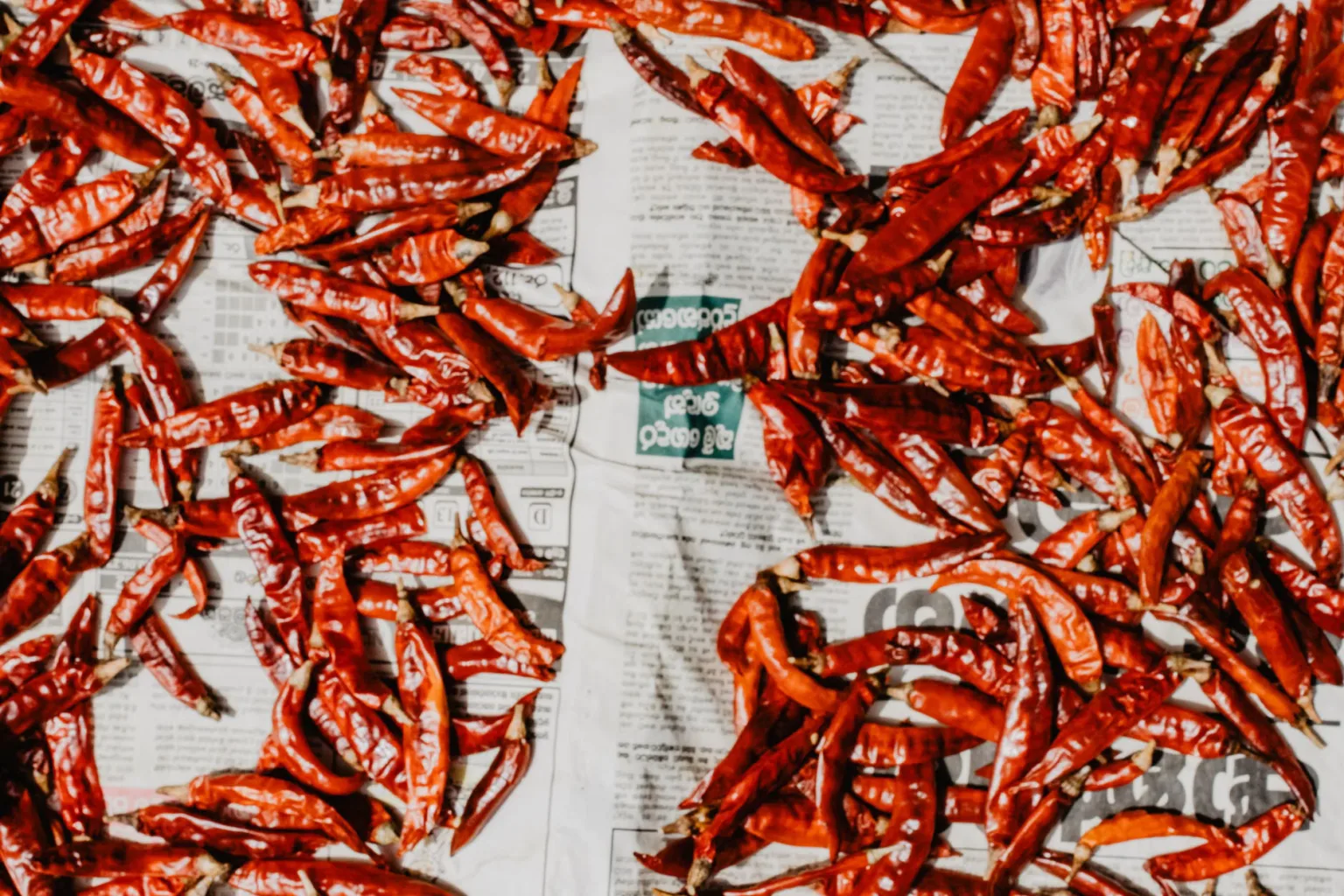
Small hot chilies are fresh fruits of the Capsicum genus used in cooking for their flavor and heat. “Small” describes their size, not a particular variety: the type of chili and its heat level can vary. Chilies may also be used dried, depending on the variety, but this profile focuses on the fresh ingredient. They can give character to salsas, tomato or tomatillo preparations, stews, marinades, and savory fillings. Since heat is not uniform from one chili to another, add them gradually and taste the dish before adding more.
When to use it
Use them when you want to add heat and a pronounced flavor to salsa, stew, a marinade, or a savory filling. They work in preparations with tomatoes or tomatillos and in dishes such as tacos, but the right amount depends on both the chili and the diners’ tolerance for heat. If you do not know the variety, add a small amount, stir, and taste before increasing it. For a milder result, use less chili or choose a less hot variety if one is available.
How to use it
Gently wash the chilies under cold running water and remove the stems if your recipe calls for it. Add them whole, chopped, or sliced, depending on the dish and the level of heat you want; to keep the result manageable, begin with a small amount. Add them to salsas, stews, marinades, or fillings and adjust the heat gradually. They can also be roasted or cooked as part of a sauce or stew. Wear plastic or rubber gloves when handling them and avoid touching your face; if you work without gloves, wash your hands thoroughly with soap and water before touching your eyes or face. To freeze them, wash, remove the stems, pack without headspace, and freeze.
Flavour and texture
The defining feature of these chilies is their heat, which can vary by variety and individual pepper. Their flavor also differs among types, so there is no single heat level or flavor profile that applies to all small chilies. Fresh chilies can add a vegetal note to savory dishes; cooking them incorporates their flavor into sauces and stews. Add them gradually so the heat does not overwhelm the other flavors.
How to choose it
Choose firm chilies and avoid those with visible damage, signs of disease, or insect damage. Color can vary and is not enough on its own to identify the variety or reliably predict its heat. Since individual peppers may differ in intensity, buy an amount suited to your planned use and taste cautiously as you cook, especially when the type is unfamiliar.
Storage
To keep them for longer, hot chilies can be frozen whole. Gently wash them under running water, remove the stems, pack them in a freezer-safe container or bag without headspace, seal, and freeze. Freezing is a practical option for keeping them for cooked dishes. For fresh storage, follow the storage directions on the packaging or from your supplier; no specific storage duration is given here.
Substitutions
You can replace one fresh chili with another fresh hot chili, but the heat and flavor may change. Adjust the quantity gradually and taste the dish. A dried chili can work in some recipes in place of fresh, although it will also change the flavor and intensity; start with a little and adjust to taste.
Common mistakes
Adding a large amount without tasting first can make a dish too hot, especially when the variety is unfamiliar. Another mistake is touching your eyes or face after handling chilies: wear gloves or wash your hands thoroughly with soap and water first. If freezing them, use a freezer-safe package and seal it well.
Safety and allergens
Wear plastic or rubber gloves when handling or cutting hot chilies and avoid touching your face. If you do not wear gloves, wash your hands thoroughly with soap and water before touching your eyes or face. Wash the chilies under running water before preparing them.
Culinary uses
- Add heat and flavor to salsas and sauces
- Season stews, marinades, tacos, and other savory dishes
Recommended techniques
- Use fresh, chopped, sliced, or whole
- Roast or grill
- Cook into sauces and stews
- Freeze whole for later use
Pairs well with
- Tomatoes and tomatillos
- Onions and garlic
- Tacos and other savory fillings
- Stews and marinades
Frequently asked questions
Are all small chilies equally hot?
No. Size does not identify the variety or its heat level, which can vary between types and individual peppers. Add a small amount and taste before adding more.
How can I use small hot chilies?
Add them fresh to salsas, stews, marinades, and fillings, or cook them as part of those preparations. Adjust the amount to the heat you want.
Can I freeze them whole?
Yes. Wash them, remove the stems, pack them without headspace in a freezer-safe container, and seal it before freezing.
Sources and review
Automatically researched, cross-checked and validated content. Sources consulted:
- Ingredientes para Recetas de Salsa (Spanish) - National Center for Home Food Preservation nchfp.uga.edu
- Agencia Española de Seguridad Alimentaria y Nutrición aesan.gob.es
- El chile, ingrediente esencial en la cocina de México - Formacion en Gastronomia formacionengastronomia.com
- How to Freeze Sweet, Bell and Hot Peppers | UNL Food | Nebraska food.unl.edu
- Vamos a Conservar Alimentos: Chiles/Pimientos extension.psu.edu
- El chile — Canela Limón Chile canelalimonchile.com
- La historia del picante en el mundo - blog doctorsalsas doctorsalsas.com
- The laws of salsa | Servicio de Extensión de OSU extension.oregonstate.edu
- 5 tipos de chiles picantes y cómo los utilizamos en Mawey - Mawey Taco Bar restaurantemawey.com
- Vegetable cultivar descriptions for North America, list 27, ... cucurbitbreeding.wordpress.ncsu.edu
- Tipos de Chiles Picantes | Guía Completa - El Paladar elpaladar.es
- Picantes del Mundo: Tipos, Categorías, Unidades Scoville y Usos Culinarios-Mi pequeña Colección. sergiorecetas.com