- Category
- Meat
- State
- Fresh
- Usual unit
- kg
What it is
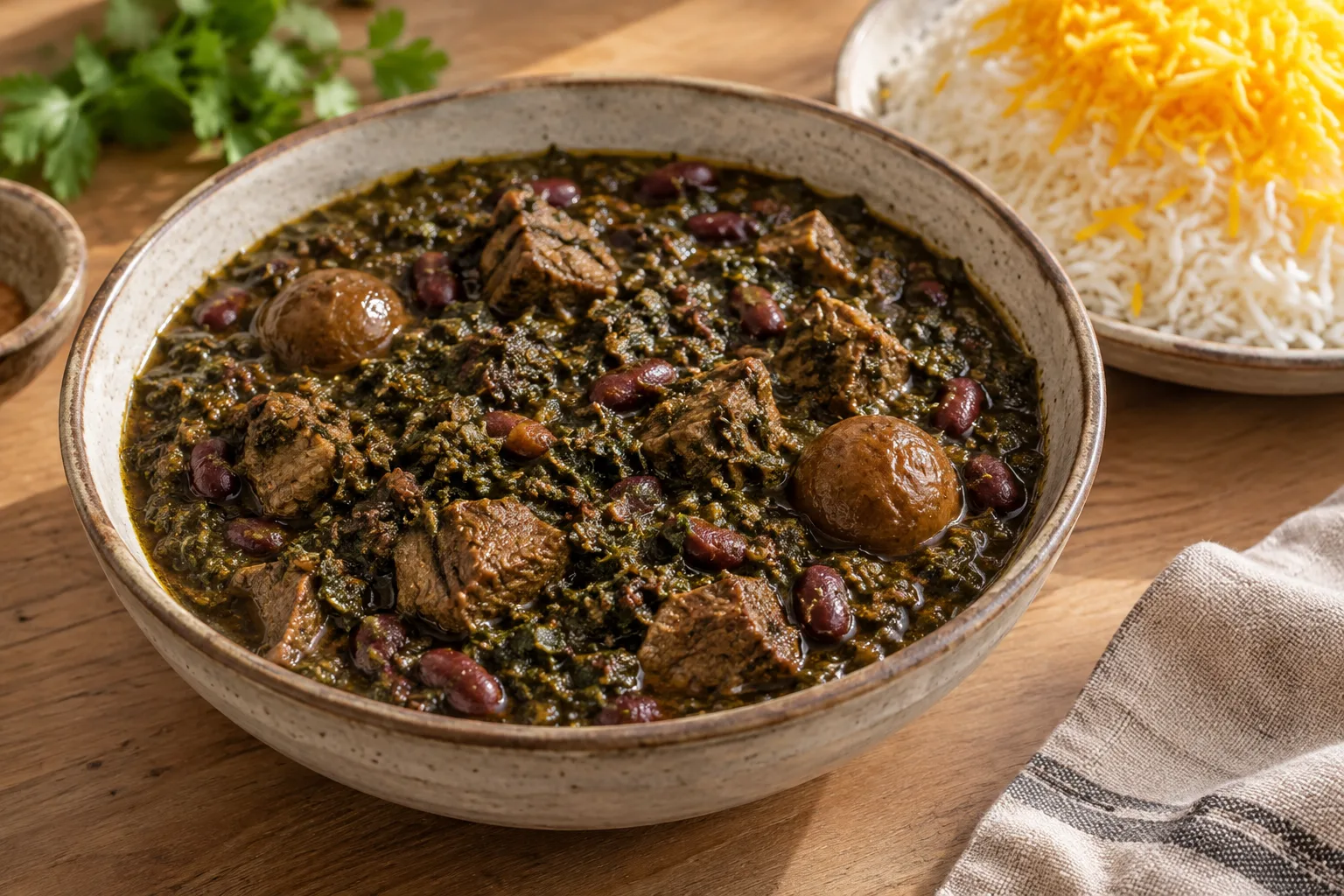
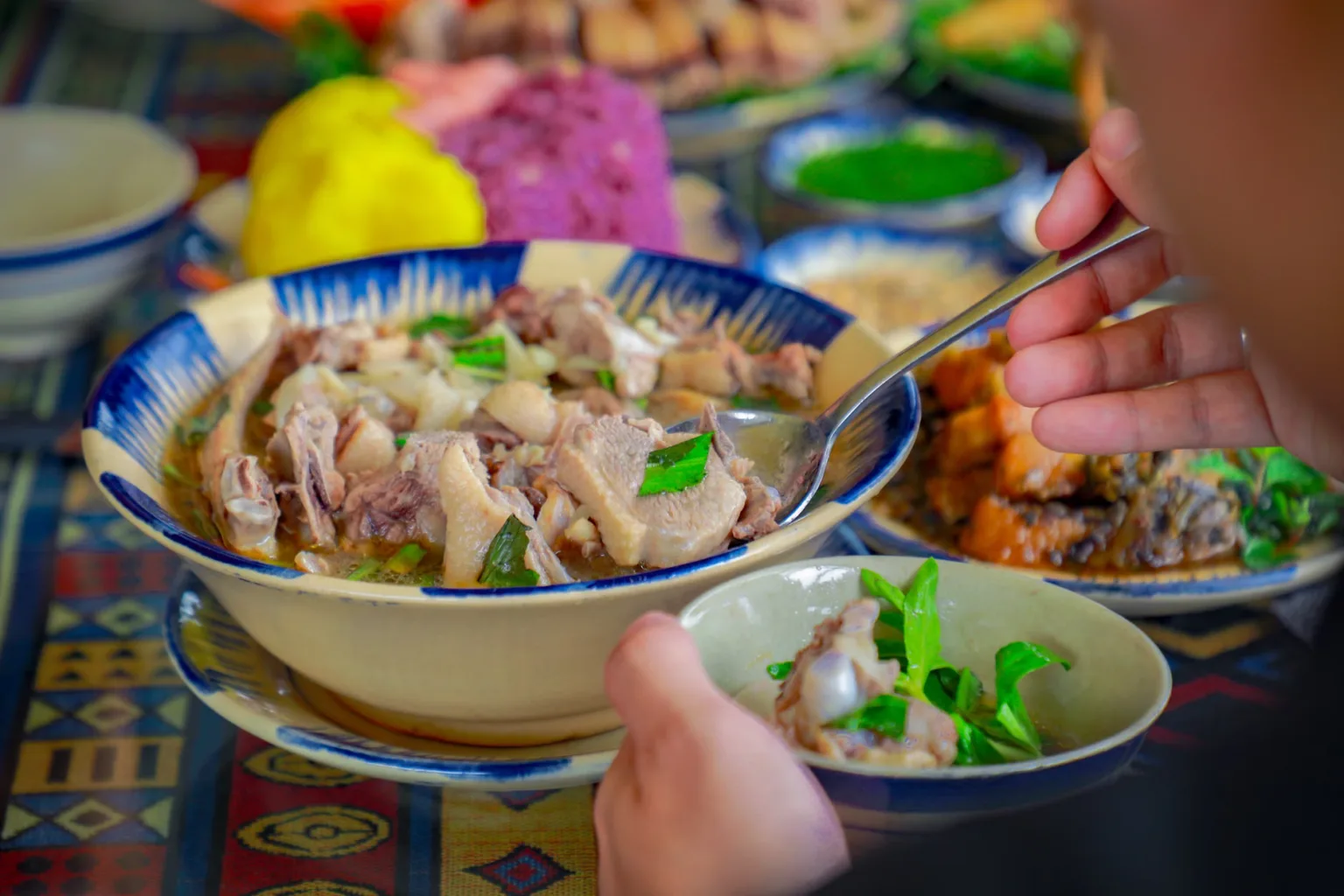
Stewing lamb is a practical name for lamb intended to be cut into pieces and cooked in a stew or casserole. It does not identify one exact anatomical cut: diced cuts are commonly used for these dishes, and shoulder, neck and flank are cited as suitable options. Slow cooking allows the meat to become tender and its flavor to blend with the cooking liquid and other ingredients. Flavor and texture can vary with the animal’s age and the particular cut, so check the butcher’s description and adapt the dish to the pieces supplied.
When to use it
Choose stewing lamb when you want a casserole in which the meat cooks with liquid, vegetables and seasonings until tender. It suits lamb stews and similar slow-cooked dishes, including versions with onion, garlic, peppers, carrots, peas or potatoes. It also works with wine-based liquids and savory sauces. If you plan to grill, pan-fry or cook the meat quickly, ask whether that specific cut suits the method; the supplied culinary sources describe these pieces primarily for stewing.
How to use it
Check with the butcher that the pieces are intended for stewing and are cut to a manageable size for your pot. You may brown the meat or the bones before adding liquid: browning bones and trimmings is one way to build a more intense stock, though it is not essential for every recipe. Add the cooking liquid, aromatics and seasonings, then simmer gently until the meat is tender. The sources do not establish one universal cooking time, so check the texture rather than assuming a duration. Add vegetables with their desired texture in mind, and adjust the sauce at the end. Follow the package directions and official food-safety guidance for raw meat.
Flavour and texture
Lamb has a distinctive flavor that can become more pronounced in older animals. The cut also matters: neck may include bone, tendons and fat, while other pieces have different proportions of meat and bone. In a properly cooked stew, the meat becomes tender and flavors the liquid; there is no single profile for every product.
How to choose it
Ask which cut is included and whether it is ready for stewing. Shoulder, neck and flank are cited as common stew options, but each can provide a different proportion of meat, bone, tendons and fat. The available information does not establish quality or freshness indicators, so check the label and ask the seller.
Storage
The supplied culinary sources do not specify a storage duration, temperature or method for raw lamb. Keep it according to the package directions and follow official food-safety guidance in your area. Do not infer a storage period from the cut name or from a recipe.
Substitutions
If you cannot find a product labeled for stewing, ask for another diced lamb cut recommended for slow cooking. Shoulder, neck and flank are cited for stews, although their bone, fat and tendon content may differ. Adjust the liquid and cooking to the pieces you have; the sources give no exact equivalences.
Common mistakes
Do not assume that every pack of stewing lamb has the same amount of bone, fat or connective tissue. Nor should you assume that browning seals the meat and keeps its juices in: browning develops aromas but does not prevent moisture loss. Avoid relying on a fixed cooking time without checking whether the meat is tender.
Safety and allergens
The supplied evidence contains no product-specific official safety instructions. Follow the package directions and local official guidance for handling and cooking raw meat.
Culinary uses
- Main ingredient for stews and casseroles
- Source of a rich, savory flavor in slow-cooked dishes
Recommended techniques
- Slow stewing or braising until tender
- Browning pieces or bones to develop deeper aromas
Pairs well with
- Onion, garlic, peppers, carrots, peas, green beans or artichokes
- Potatoes, vegetable purées, legumes, bread, red wine or aromatic sauces
Frequently asked questions
Which cuts are suitable for lamb stew?
Shoulder, neck and flank are cited as stew cuts, usually cut into pieces. Ask the seller about the proportion of bone and meat in the option you choose.
Do I have to brown lamb before stewing it?
Not necessarily. Browning can develop aromas, but a stew can be made without first sautéing the meat.
How long should stewing lamb cook?
The available sources do not give a universal time. Cook until tender and follow the recipe and official food-safety guidance.
Sources and review
Automatically researched, cross-checked and validated content. Sources consulted:
- Client Challenge doi.org
- Duke University Dissertation Template dukespace.lib.duke.edu
- Dictionary of Health Related Terms: English – Spanish hia.berkeley.edu
- vegetarianism in a meat landscape a case study of ... etda.libraries.psu.edu
- FICCIONES DE PATAGONIA - UKnowledge uknowledge.uky.edu
- El cordero, un auténtico placer gastronómico - La Mesa Habla lamesahabla.com
- Recetas Tradicionales con Cordero: Delicias de la Cocina Española - Cordero Serranía de Cuenca corderoserraniacuenca.com
- Guiso de cordero «new style» o el compromiso entre el sabor y la jugosidad de la carne | Umami Madrid umami-madrid.com
- Immigrant Lives, American Futures: - Dornsife, USC dornsife.usc.edu
- Table of Contents The Alma Mater commencement.emory.edu
- - YouTube youtube.com