- Category
- Herbs and spices
- State
- Powdered
- Usual unit
- teaspoon
What it is
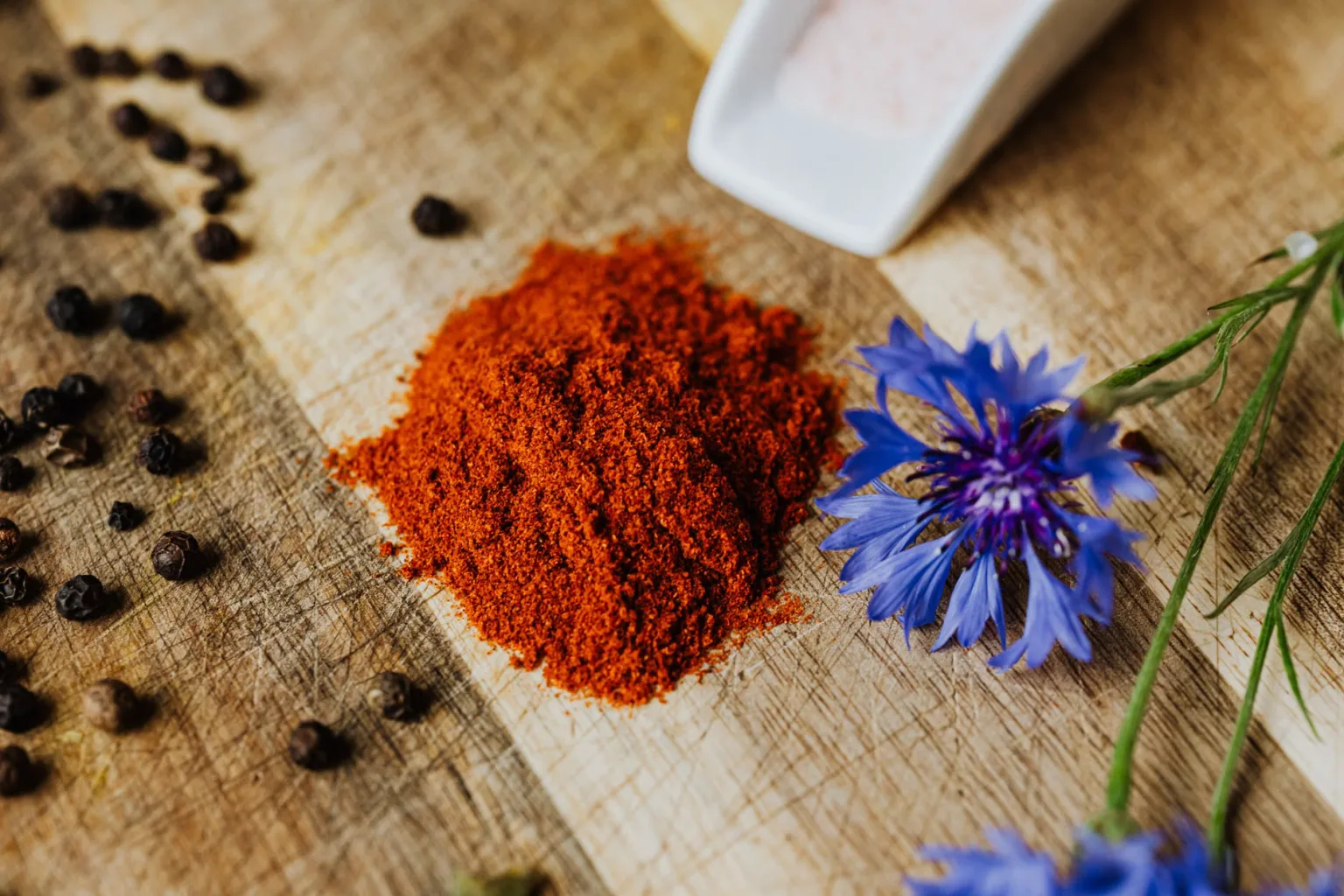
Sweet paprika is a powdered spice made from dried, ground red peppers. In many places it is also called sweet paprika or sweet pepper powder, while the word paprika can describe products with different levels of heat and different aromas. Check the label for a sweet or mild variety if you do not want a spicy result. Sweet paprika is not automatically smoked; smoked paprika has a distinct aroma and can change the character of a dish. In a marinade, sweet paprika contributes seasoning and a red color, but it does not provide the acidity or moisture of a liquid marinade on its own.
When to use it
Use sweet paprika when you want a mild, gently vegetal flavor and red color in a dry rub or seasoning mixture. It works with meat, poultry, fish and vegetables, and can also be stirred into soups, stews and sauces. Choose a sweet variety when you do not want heat to dominate; if the package does not describe its heat level, taste a small pinch before adding more. If you want a smoky result, select smoked paprika intentionally rather than assuming that all paprika has a smoky flavor.
How to use it
Add sweet paprika to the marinade with the other seasonings and distribute it evenly over the food. For a dry rub, combine it with salt and other spices; for a wet marinade, mix it into the liquid ingredients or oil to make a coating. It can also be added to soups, stews and sauces as part of their seasoning. Avoid leaving the powder over very high heat for too long, since it can scorch and taste unpleasant. Begin with a moderate amount and adjust after tasting, especially if the mixture also includes hot or smoked spices.
Flavour and texture
Sweet paprika is a fine red powder that blends readily into spice mixtures and liquids. Its flavor is generally mild and aromatic, although the exact profile varies with the pepper variety and product. Do not assume it is the same as hot or smoked paprika: each gives a dish a different character. In a marinade it contributes seasoning and color, but it does not replace ingredients that provide acidity or moisture.
How to choose it
Read the package description to distinguish sweet paprika from hot or smoked varieties. Names and labeling conventions differ across regions, and the word paprika alone may not specify heat level or drying method. For a mild marinade, choose a product labeled sweet or mild; for a smoky flavor, look for smoked on the label. Select a sealed package with no visible signs of moisture.
Storage
Keep paprika in a tightly closed container in a cool, dry place, away from moisture and heat. Protecting the powder helps preserve its aroma and prevents clumping. Do not leave it beside steam or on a hot surface while cooking. If its smell, appearance or consistency changes, check the package and the manufacturer's directions before using it.
Substitutions
Mild paprika can stand in for sweet paprika, although the result depends on the variety and its heat level. Smoked paprika can replace it if you also want a smoky aroma, but it will noticeably change the marinade's flavor. A mild ground red pepper blend is another option; check its heat and add it gradually. No substitute is guaranteed to give exactly the same color and flavor.
Common mistakes
Do not assume every product called paprika is sweet: some varieties are hot or smoked. Avoid cooking the powder for a long time over very high heat, since it can scorch and turn bitter. Paprika alone also will not tenderize food or provide the acidity of a marinade; those effects depend on other ingredients.
Safety and allergens
Use the product as directed on its package and avoid cross-contamination when preparing food. When a dish contains meat, fish or poultry, handle and cook it safely; paprika does not replace good food-hygiene and cooking practices.
Culinary uses
- Seasoning and color
- Dry marinade ingredient
- Flavor base for soups and stews
Recommended techniques
- Mix into a dry rub or marinade
- Stir into soups, stews, or sauces
- Blend with oil or other seasonings
Pairs well with
- Meat and poultry
- Fish
- Vegetables
- Soups and stews
Frequently asked questions
Are sweet paprika and paprika the same thing?
Paprika generally means ground dried peppers, but products can be sweet, hot or smoked. Check the label when you need a mild flavor.
Is sweet paprika spicy?
It is intended to give a mild flavor, but products can vary. Check the package and taste a small amount if you are unsure.
Can I use sweet paprika in a dry marinade?
Yes. Mix it with salt and other seasonings for a dry rub, or stir it into oil and other liquids for a wet marinade.
Sources and review
Automatically researched, cross-checked and validated content. Sources consulted:
- Client Challenge doi.org
- Sofrito – Community Nutrition Security Research Group web.uri.edu
- Condimento Sureño | Servicio de Extensión de OSU extension.oregonstate.edu
- Cocina Fácil, de la Despensa a la Mesa Enlaces de Nutrición - Número #8 extension.psu.edu
- ¿Qué diferencias existen entre el pimentón y la paprika? – Pimentón de la Vera Vegacáceres pimentondelaveravegacaceres.com
- ¿El pimentón es lo mismo que la paprika? | Muñoz y Pujante munozypujante.com
- Paprika: sabor, color y beneficios | Recetas Nestlé recetasnestle.com.ec
- Qué es Twitch y por qué es importante para el español doi.org
- El Tiempo - Guía práctica para diferenciar el pimentón de... google.com