- Category
- Herbs and spices
- State
- Powdered
- Usual unit
- g
What it is
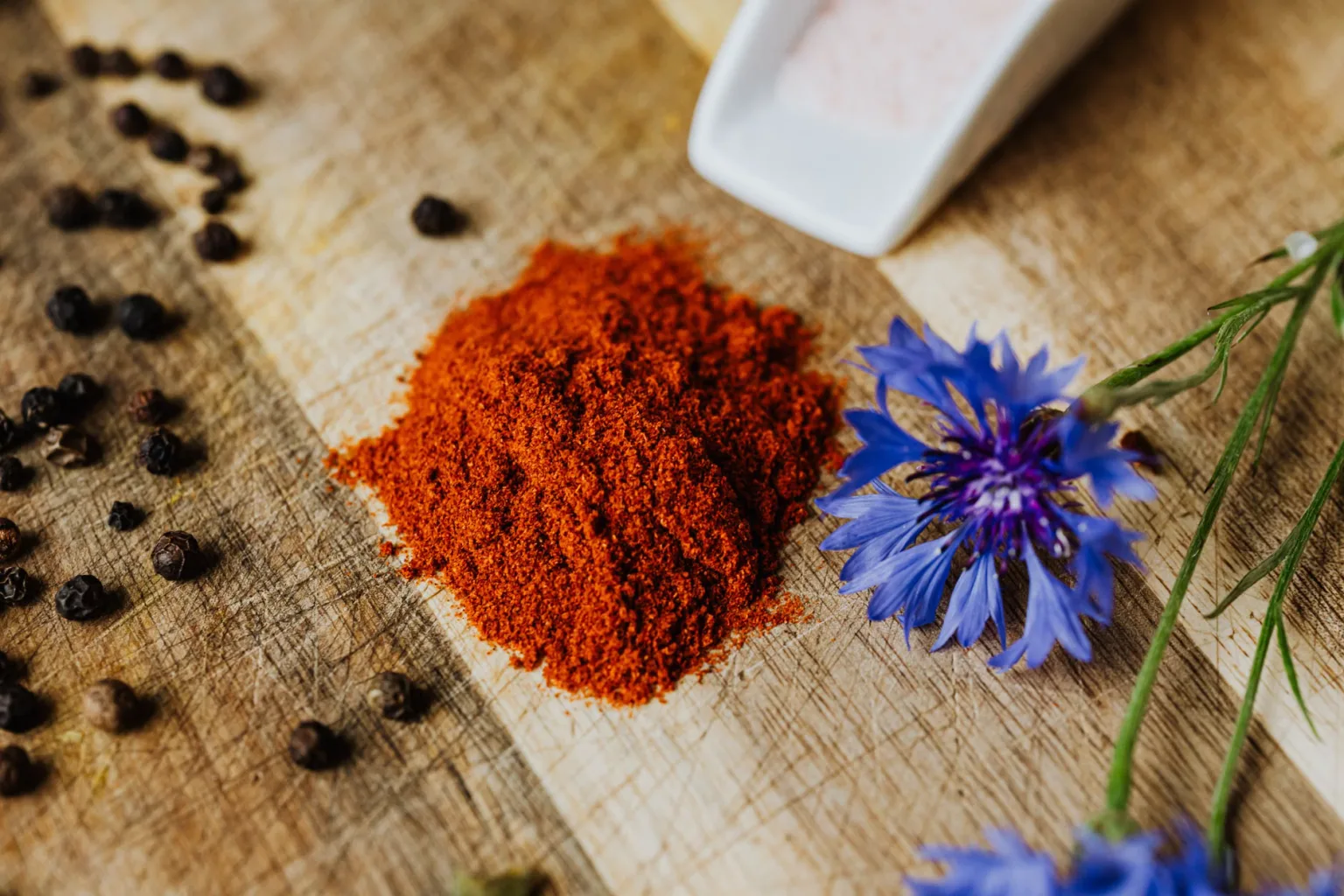
Sweet paprika for sauce is a powdered seasoning made by drying and grinding varieties of pepper. The words “paprika” and “pimentón” are both used for this kind of spice, although the flavor depends on the pepper variety and how it is processed. The word “sweet” identifies a mild style; it does not mean every product sold as paprika is identical. Other products may be hot or smoked, so this ingredient profile refers specifically to the sweet version used to season sauce. Its red color can deepen a dish’s appearance, while its pepper flavor adds aroma without aiming for a pronounced spicy kick.
When to use it
Choose sweet paprika when a sauce needs red color and a rounded pepper flavor, but you do not want heat to dominate. It can season tomato sauces, stew mixtures, and dishes based on rice or vegetables. It is also useful when you want the flavors of the other ingredients to remain distinct. Products vary in aroma and intensity, so begin with the amount in the recipe and adjust to taste. If you want smoky or spicy notes, select a product clearly labeled for that style rather than assuming that all sweet paprika has those characteristics.
How to use it
Measure the amount called for and combine it with the other seasonings or sauce ingredients so the powder is distributed evenly. Add it while making a sauté base or stir it directly into a sauce, then mix thoroughly to prevent clumps and uneven color. If you want a mild result, taste before adding more because paprika products can vary in strength. Avoid leaving the powder to burn in a pan; over-toasted seasoning can taste unpleasant. For a substitute, choose another sweet paprika or sweet pimentón. Smoked paprika changes the flavor, while hot paprika adds heat.
Flavour and texture
Sweet paprika is a fine red or red-orange powder made from dried, ground peppers. Its flavor is mild and peppery, with none of the pronounced heat associated with hot varieties. Color and intensity can vary with the pepper and processing, so individual products may taste more delicate or more assertive. When mixed evenly into sauce, the powder does not add a noticeable texture.
How to choose it
Look for “sweet” on the package and check whether it also says “smoked” or “hot,” since these describe different flavor profiles. The word paprika alone does not guarantee a sweet taste or the same aroma across products and origins. For a mild sauce, select a clearly labeled sweet variety and check that the package is intact and the product is within its stated date.
Storage
Keep paprika in a tightly closed container in a cool, dry place away from moisture. Protecting the powder and avoiding leaving the container open helps preserve its aroma and color. Follow the manufacturer’s instructions for the specific product. If the powder’s appearance changes or the package is damaged, do not rely on the ingredient name alone; check the product label and directions before using it.
Substitutions
The closest substitute is another paprika or pimentón labeled sweet. Check the variety before adding it, since some products are hot. Smoked paprika can work when its flavor suits the sauce, but it brings a different aroma and is not a neutral replacement. Add a little at a time and taste before adding more.
Common mistakes
Do not assume that all paprika is sweet: hot and smoked varieties are also sold. Check the label, especially when you want a sauce without heat. Avoid adding a large amount without tasting, and do not let the powder burn during cooking. Red color alone is not a reliable measure of heat or flavor intensity.
Safety and allergens
No specific safety warning for sweet paprika is identified here. Check the package, follow its directions, and consult current food alerts if you have concerns about a particular product.
Culinary uses
- Aporta color rojo y sabor suave a salsas y guisos.
- Sirve para sazonar y dar aroma sin añadir el picor propio de las variedades picantes.
Recommended techniques
- Incorporar a la salsa y remover para distribuir el polvo de manera uniforme.
- Añadir al sofrito o a la mezcla de especias, evitando que el polvo se queme.
Pairs well with
- Tomate, cebolla y ajo en salsas y guisos.
- Arroz, legumbres, patatas y verduras.
Frequently asked questions
Is sweet paprika spicy?
Sweet paprika is described as mild or non-hot compared with hot varieties. Check the package, since paprika is also used for products with different flavor profiles.
Are paprika and pimentón the same?
Both terms are used for powder made from dried, ground peppers. Flavor can vary with the pepper and processing, so look for “sweet” when you want a mild profile.
Can I replace it with smoked paprika?
Yes, if smoky flavor suits the sauce. It is not a neutral swap: the smoky aroma will change the dish’s flavor profile.
Sources and review
Automatically researched, cross-checked and validated content. Sources consulted:
- Client Challenge doi.org
- Pimentón - Wikipedia, la enciclopedia libre es.wikipedia.org
- Qué es eso llamado epistemología, para qué sirve, por qué es inexcusable para la universidad y para la paz | Reencuentro. Análisis de problemas universitarios doi.org
- Salsa Picante de Jícama (Spanish) - National Center for Home Food Preservation nchfp.uga.edu
- Ají - Wikipedia, la enciclopedia libre es.wikipedia.org
- Salsa, Peppers and Spices ucanr.edu
- ¿Qué diferencias existen entre el pimentón y la paprika? – Pimentón de la Vera Vegacáceres pimentondelaveravegacaceres.com
- Alertas alimentarias aesan.gob.es
- Global Cuisine Cooking Lessons: Chicken Shawarma Tacos with X’tiosu Kitchen | Fowler Museum at UCLA fowler.ucla.edu
- Paprika o pimentón húngaro: qué es, tipos y diferencias con otros pimentones bonviveur.com
- Cómo aprovechar la paprika al máximo | Recetas Nestlé recetasnestle.com.ar