- Category
- Vegetables
- State
- Fresh
- Usual unit
- unit
What it is
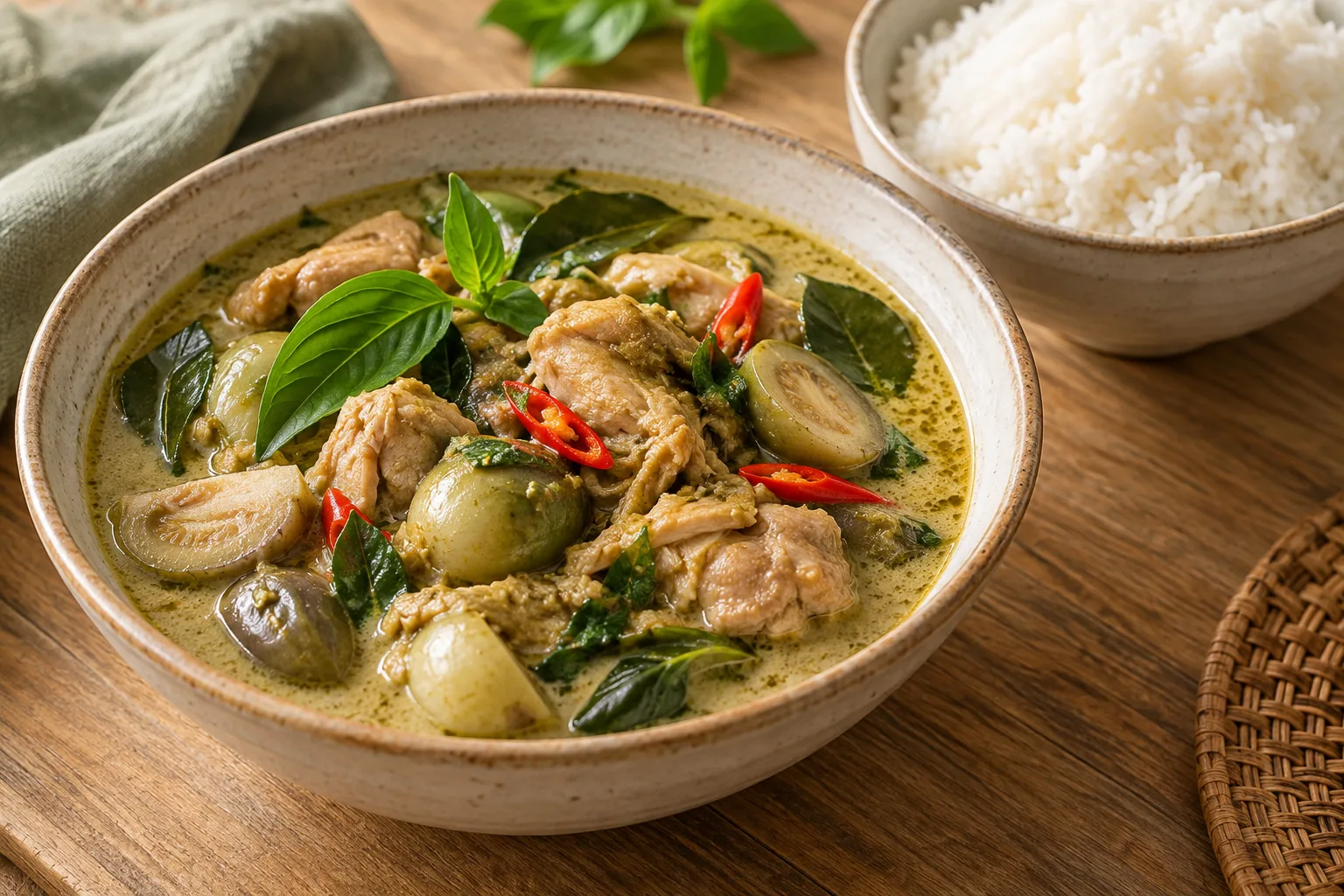
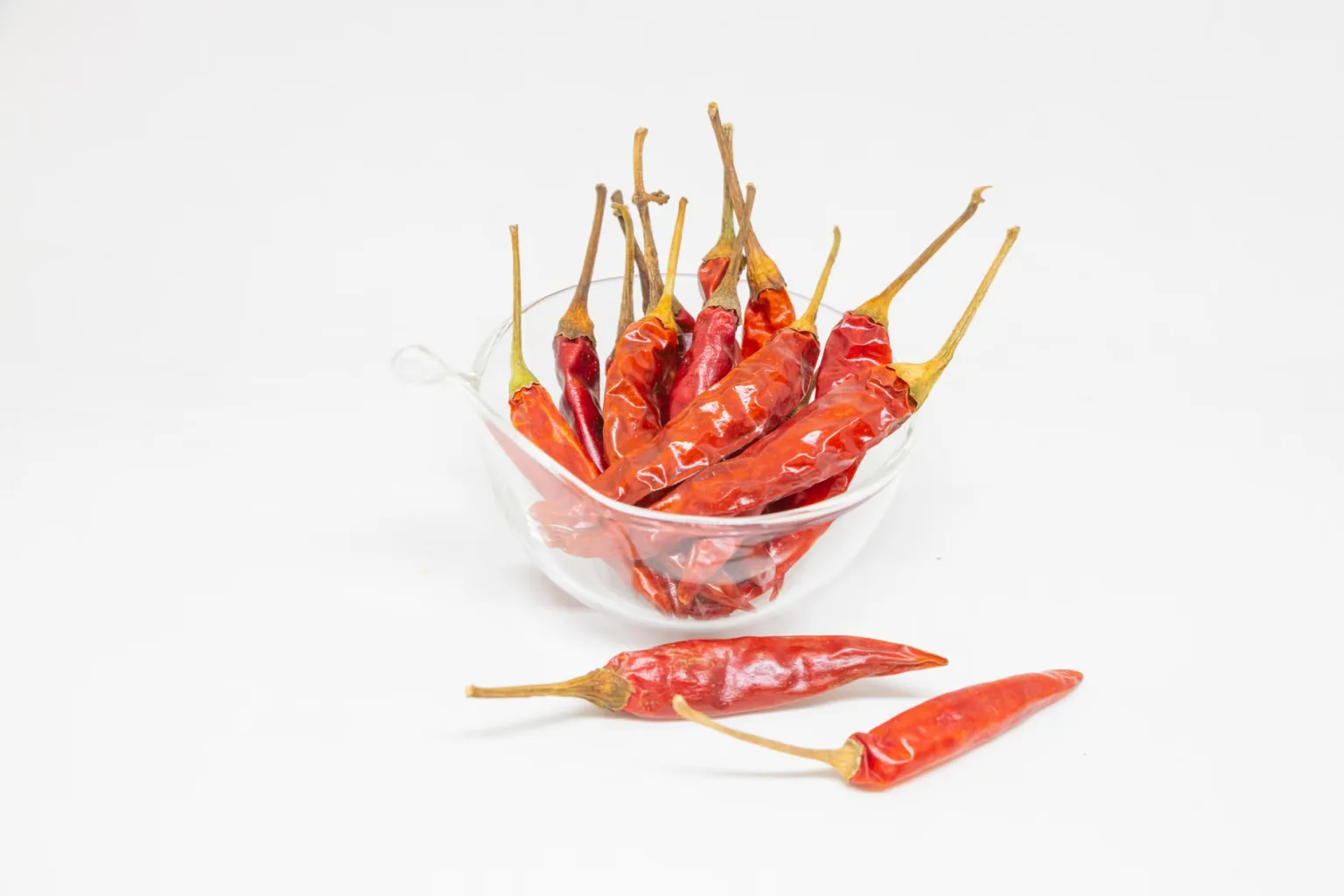
Red Thai chillies are ripe fruits from plants in the Capsicum genus, sold fresh to bring heat and flavor to many dishes. The name is often used for small bird’s-eye-type chillies, but common names can cover similar-looking produce and do not always identify one precise botanical variety. Their small size does not mean they are mild: they can be very hot, and the exact intensity varies. They are used as a culinary seasoning, although botanically they are fruits. Remove the stem before chopping, then choose how much of the pale inner tissue to keep according to the heat you want.
When to use it
Use them when you want a distinct, concentrated heat, either blended into a dish or served at the end as a condiment. They work in curry pastes, soups, stir-fries, Southeast Asian-style salads, and dipping sauces. When trying a recipe or batch for the first time, start with part of a chili and taste before adding more. Heat can vary even among similar-looking fruits. For a milder result, remove some of the pale inner tissue; for more intensity, leave more in and add the chili gradually.
How to use it
Remove the stems and slice the chillies thinly or chop them; you can also pound them to make a paste. Add them to a curry paste, sauce, soup, or stir-fry, or serve a small amount as a condiment. For a fresh dipping sauce, combine them with lime and fish sauce; they are also used in dipping sauces and green papaya dishes. Adjust the quantity as you cook, because the heat can be strong and differs from fruit to fruit. Handle them carefully: avoid touching your eyes and wash your hands after cutting. Do not confuse fresh chillies with ground dried chili or a spice blend.
Flavour and texture
Their flavor pairs pronounced heat with fresh, fruity notes, though intensity depends on the individual chili. Fresh skins and flesh are firm; sliced pieces add little crisp accents, while pounded chillies blend into sauces. Their small size makes it easy to add more than intended, so taste as you season.
How to choose it
Choose whole, firm chillies without visibly damaged or shriveled areas. Red color indicates ripeness but does not, by itself, tell you how hot they will be. Since heat varies, buy a small amount if you are unfamiliar with the product and taste cautiously before using it generously. Small bird’s-eye-type chillies resemble other chillies, so appearance alone may not identify the exact variety.
Storage
Treat them as fresh produce and follow any storage directions provided by the seller or package. Keep the chillies whole until you are ready to use them, and discard any that show visible deterioration. The available evidence does not establish a specific storage life for this variety, so avoid relying on a fixed duration. For any other storage method, use reliable instructions specific to that method.
Substitutions
Substitute another fresh hot chili, but expect its heat and flavor to differ; add a little and taste. Dried chili flakes can add heat to cooked dishes, though they do not reproduce the freshness or texture of a fresh chili. For a milder result, use sweet red pepper for color and add a separate hot seasoning in a small amount.
Common mistakes
Do not judge heat by size or color: it varies, and a small chili can be very intense. Another common mistake is adding several chillies at once without tasting; work gradually. Avoid touching your eyes while preparing them, and do not assume the seeds are the only hot part—the pale inner tissue matters too.
Safety and allergens
Handle with care and avoid touching your eyes while preparing them, as chili can irritate. Wash your hands after cutting. If the heat feels excessive, stop tasting and adjust the serving to your tolerance.
Culinary uses
- Fresh hot seasoning
- Chopped garnish or table condiment
- Ingredient in curry pastes and sauces
Recommended techniques
- Slice or chop finely
- Pound or grind into a paste
- Use whole, sliced, or minced in sauces and cooked dishes
Pairs well with
- Lime and fish sauce
- Papaya, soups, and stir-fries
- Garlic and vinegar
Frequently asked questions
Are red Thai chillies always equally hot?
No. Heat can vary from fruit to fruit. Add a small amount, taste the dish, and adjust.
How can I make them less hot?
Start with less chili and remove some of the pale inner tissue before chopping. The result still depends on the individual fruit.
What dishes can I use them in?
They are used in curries, soups, stir-fries, salads, and sauces. They can also be served in small amounts as a condiment.
Sources and review
Automatically researched, cross-checked and validated content. Sources consulted:
- ¿Por qué la muerte es origen de miedos y tabúes? doi.org/10.64628/aao.fccyk3qj3 doi.org
- Client Challenge doi.org/10.2307/jj.27939689.16 doi.org
- Chile Rojo en Polvo — Open Spice Box openspicebox.com/es/ingredients/red-chili-powder openspicebox.com
- El chile — Canela Limón Chile www.canelalimonchile.com/pagina-ingredientes/el-chile canelalimonchile.com
- Revista del comité científico de la Aecosan número 27 www.aesan.gob.es/dam/jcr:e9146cf9-fb19-49d5-a7d1-39de06f59ec0/CONSUMO_INSECTOS.pdf aesan.gob.es
- Chiles rojos, crudos (orgánicos) | Fundación G+E www.diet-health.info/es/recetas/ingredientes/in/fs3667-chile-tabasco-rojo-crudo diet-health.info
- Chile tailandés, el ojo de pájaro pungente - Koketo piri piri koketo.es/chile-tailandes koketo.es
- - YouTube www.youtube.com/watch?v=Lk0aWxDk5z4 youtube.com
- Chile ojo de pájaro - Wikipedia, la enciclopedia libre es.wikipedia.org/wiki/Chile_ojo_de_p%C3%A1jaro es.wikipedia.org
- La Impossible Burger. La revolución de los alimentos en la UE | OpenAlex openalex.org/W2788584492 openalex.org
- Curry rojo thai de pollo, explosión de sabor en la boca www.conkdekilo.com/recetas/curry-rojo-thai-de-pollo/ conkdekilo.com
- Su guía de salsas tailandesas y pastas de chile – deSIAMCuisine (Thailand) Co Ltd siam.recipes/es/blogs/news/your-guide-to-thai-dipping-sauces-and-chili-pastes?srsltid=AYCX9v… siam.recipes